Source Resealable Aluminum Foil Snack Bags for Food, Medical, and Gift Packaging
Find 30 options for Resealable Aluminum Foil Snack Bags suitable for food, medical, and gift packaging. Compare specifications including materials like high-pressure polyethylene and polypropylene, sealing methods such as zipper closures and heat-sealing, and certifications like ISO9001 and SGS from Guangdong manufacturers.
Updated
Key considerations
Products List


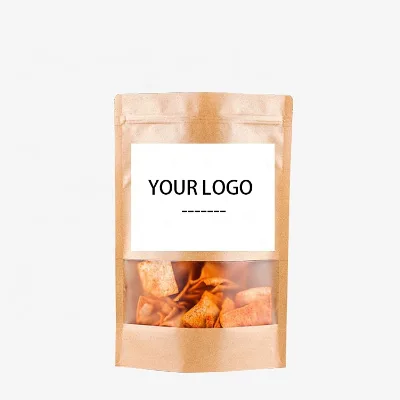
Food Ziplock Aluminum Foil Beef Jerky Snack Packaging Bag with Ziplock
$0.02 - $0.10
MOQ: 10000 Pieces


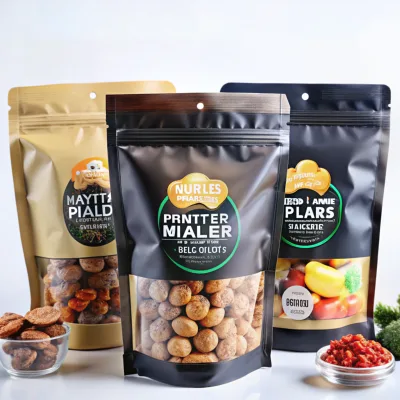
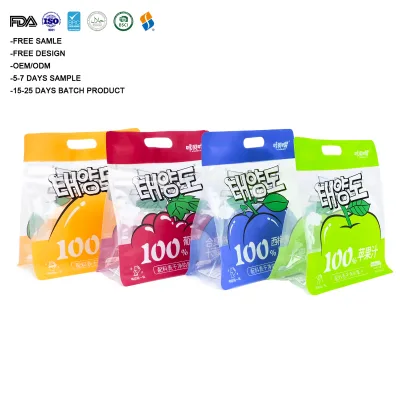
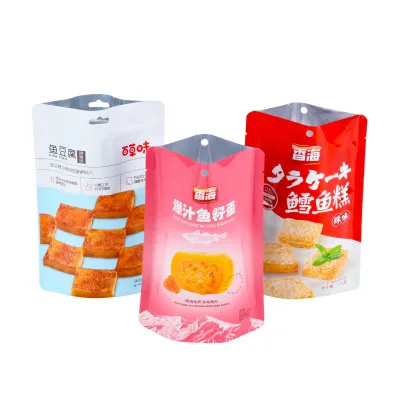


Stand up pouch aluminum foil mylar bag snack food packaging plastic bags
$0.02 - $0.90
MOQ: 10000 Pieces


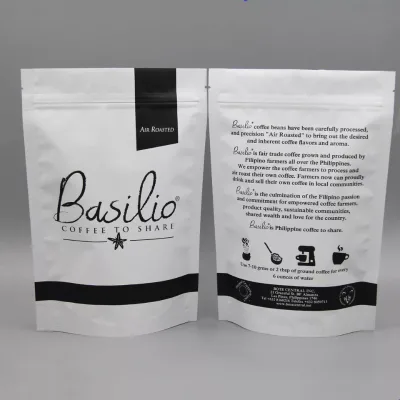
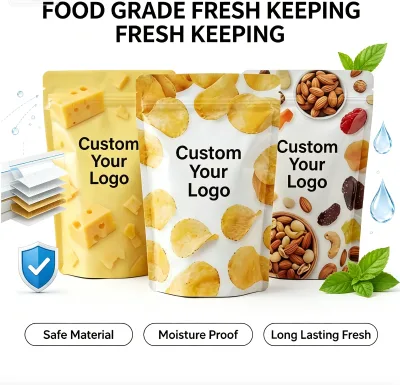
Customized printed aluminium foil with zipper food grade banana chips bag
$0.02 - $0.90
MOQ: 10000 Pieces

Comprehensive Sourcing Guide
Resealable Aluminum Foil Snack Bags Sourcing Guide
Procuring high-barrier packaging for snack foods requires balancing moisture protection with aesthetic appeal and functional convenience. Buyers must navigate a complex supply chain where material composition directly impacts shelf life and product integrity. The shift toward flexible packaging solutions has intensified competition among manufacturers, particularly those in established industrial hubs like Guangdong, China. Sourcing decisions should prioritize suppliers who demonstrate consistent quality in barrier properties and sealing reliability.
This guide focuses on the technical and commercial nuances of sourcing these specialized bags. It addresses critical verification steps for material standards, compliance documentation, and supplier capabilities. By understanding the specific attributes of plastic and composite packaging, buyers can mitigate risks associated with contamination, seal failure, or non-compliance with international safety regulations. The following sections provide a structured approach to evaluating potential vendors and ensuring long-term supply chain stability.
Product Scope and Observed Listing Signals
The observed market data indicates a diverse range of plastic packaging solutions, with prices ranging from $0.01 to $0.90 per unit and minimum order quantities (MOQs) varying significantly from 2 to 20,000 pieces. These figures suggest a highly segmented market catering to both small-scale custom orders and large-volume industrial contracts. Buyers should note that while the core keyword specifies aluminum foil, the supplied facts predominantly describe plastic-based products, including High Pressure Polyethylene and Polypropylene bags. This discrepancy highlights the need for careful verification of material composition, as many listings may offer plastic alternatives that mimic foil aesthetics or provide similar barrier properties.
Listing signals reveal a strong emphasis on customization and advanced printing techniques. Attributes such as CMYK printing, up to 10 colors, and crafts like Spot UV, Hot Stamping, and Holographic effects are commonly available. These features are crucial for brand differentiation in the snack industry. Additionally, the availability of various styles, including Stand-up Bags, Zipper Bags, and Three-Sides Sealed Bags, offers flexibility in packaging design. Buyers must confirm whether the specific "aluminum foil" requirement is met by composite materials or if the supplier primarily offers plastic variants, as transparency levels range from non-transparent to opaque, affecting the visual appeal of the final product.
Technical Specifications to Verify
Verifying the technical specifications of packaging bags is essential to ensure they meet the functional requirements of snack products. Key attributes to confirm include the sealing method, with options such as Heat-sealing and Zipper Closure being prevalent. The hardness of the material, often described as soft, and the layered structure, such as Heat Seal LLDPE, are critical for maintaining bag integrity during handling and storage. Buyers should also assess the transparency of the material, as options range from transparent to opaque, which may influence consumer perception and product visibility.
Standard dimensions and model numbers provide a baseline for comparison, with examples like 100mm*123mm+50mm and models such as MS-JY010 and MS-ms241. However, buyers must verify if these standards align with their specific product dimensions and filling machinery capabilities. The making process, whether Plastic Packaging Bags or Composite Packaging Bags, directly impacts the barrier properties and durability of the final package. It is crucial to determine if the composite layers include aluminum foil or if the barrier is achieved through plastic laminates, as this affects moisture proofing and oxygen transmission rates.
Compliance and Safety Documentation
Compliance with international standards is non-negotiable for food packaging, particularly for snacks that may have extended shelf lives. The supplied facts list several certifications, including QS Certificate, ISO9001:2008, and ISO14001:2004, which indicate a manufacturer's commitment to quality management and environmental standards. Additionally, standards such as SGS, RoHS, and CE are mentioned, suggesting adherence to safety and environmental regulations. Buyers must verify the current validity of these certifications, as older standards like ISO9001:2008 may have been superseded by newer versions, and ensure that the supplier can provide up-to-date documentation upon request.
Beyond certifications, buyers should inquire about specific food-grade compliance and migration testing results. While the facts mention features like Recyclable and Moisture Proof, they do not explicitly confirm food-contact safety for all listed materials. It is imperative to request test reports that demonstrate the packaging's ability to prevent contamination and maintain product freshness. Suppliers should be able to provide evidence that their materials, whether High Pressure Polyethylene or Polypropylene, meet local and international food safety regulations, ensuring that no harmful substances migrate from the packaging to the snack products.
Cost Drivers and Commercial Terms
Understanding the cost drivers for resealable snack bags involves analyzing material costs, printing complexity, and order volume. The observed price range of $0.01 to $0.90 reflects variations in material thickness, layer composition, and customization levels. Complex printing designs, such as those requiring up to 10 colors or special effects like Hot Stamping, will likely increase the unit cost. Buyers should negotiate based on volume tiers, as MOQs can range from small batches of 2 units to large orders of 20,000, allowing for flexibility in initial testing and subsequent scaling.
Commercial terms also include packaging and shipping considerations. The supplied facts indicate that products are typically packed in Carton Box Outer Packing, which affects logistics efficiency and protection during transit. Buyers should clarify lead times, payment terms, and shipping responsibilities with potential suppliers. While specific lead times are not provided in the facts, it is advisable to establish clear timelines for production and delivery to avoid supply chain disruptions. Additionally, buyers should consider the total cost of ownership, including potential costs for design adjustments, sample approvals, and quality inspections, to ensure accurate budgeting.
Supplier Qualification and Quality Control
Supplier qualification is a critical step in ensuring a reliable supply of high-quality packaging bags. The supplied facts identify the business type as Manufacturer, which suggests direct control over the production process. Buyers should verify the supplier's manufacturing capabilities, including their equipment for composite packaging and printing. Location data indicates origins in Guangdong and Dongguan, China, regions known for their robust manufacturing infrastructure. However, buyers should conduct on-site audits or request virtual tours to assess the facility's cleanliness, organization, and adherence to quality control protocols.
Quality control measures should be explicitly defined in the procurement agreement. Buyers must establish clear acceptance criteria for defects, such as seal failures, printing misalignments, or material inconsistencies. The supplier should provide a robust quality assurance process, including pre-production samples and in-line inspections. Additionally, buyers should inquire about the supplier's ability to handle custom designs and their responsiveness to quality issues. Establishing a strong relationship with a qualified supplier ensures consistent product quality and facilitates smoother communication throughout the procurement lifecycle.
Long-Term Procurement Checks
Long-term procurement success depends on continuous monitoring of supplier performance and market trends. Buyers should regularly review supplier compliance with certifications and standards, ensuring that any updates or changes are promptly communicated. The dynamic nature of packaging regulations requires ongoing vigilance to avoid non-compliance issues. Additionally, buyers should assess the supplier's ability to innovate and adapt to new material technologies, such as more sustainable or recyclable options, which are increasingly important in the snack industry.
Building a resilient supply chain involves diversifying suppliers and maintaining open communication channels. Buyers should establish key performance indicators (KPIs) for delivery times, quality consistency, and customer service. Regular feedback loops with the supplier can help identify areas for improvement and foster a collaborative partnership. Furthermore, buyers should stay informed about market developments, such as changes in raw material costs or new printing technologies, to make informed sourcing decisions. By proactively managing these factors, buyers can ensure a stable and efficient supply of resealable snack bags.
FAQs
Can these plastic bags be customized with my logo?
Yes, customization is available for these plastic packaging bags. You can upload your custom design for printing in up to 10 colors using CMYK. The manufacturer offers various surface finishes including matte or glossy lamination, spot UV, hot stamping, and holographic effects to match your brand identity.
What certifications do the plastic packaging bags have?
The plastic packaging bags hold QS, ISO9001:2008, and ISO14001:2004 certifications. Some models also meet SGS, RoHS, and CE standards. These credentials ensure the products meet quality and environmental management requirements for various applications including food, medical, and cosmetic packaging.
What are the standard specifications for these bags?
Standard specifications include dimensions like 100mm*123mm+50mm for certain models. Other models feature specific codes such as MS-JY010 or MS-ms241. The bags are available in styles like stand-up bags, zipper bags, and three-side sealed bags, with options for transparent or non-transparent finishes.
Where are these plastic bags manufactured?
These plastic bags are manufactured in Guangdong, China, with specific production originating from Dongguan. The supplier operates as a manufacturer, ensuring direct control over the production process for composite and high-pressure polyethylene plastic bags used in various packaging applications.
What features do these plastic bags offer?
These bags offer shock resistance, recyclability, and moisture proofing. They are waterproof and designed for durability. Some models are disposable and feature heat-sealing or zipper closures. The materials include high-pressure polyethylene and polypropylene, suitable for stationery, food, and clothing packaging.
What is the minimum order quantity for these bags?
The minimum order quantity ranges from 2 to 20,000 units depending on the specific product model and customization requirements. Buyers should contact the manufacturer directly to confirm the exact MOQ for their desired bag style, size, and printing specifications to ensure accurate pricing.