Source Hot and Cold Desktop Water Cooler for Home Office Use
Compare 20 Hot and Cold Desktop Water Cooler models available for home, office, and general household applications. These units feature compressor or electronic cooling with modern designs and customizable options to suit various drinking water needs.
Key considerations
Products List


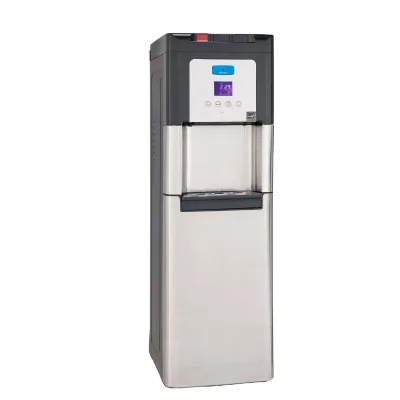

Comprehensive Sourcing Guide
Strategic Sourcing Guide for Hot and Cold Desktop Water Coolers
Understanding the Product Category and Core Specifications
When sourcing a Hot and Cold Desktop Water Cooler, buyers must first distinguish between units designed for general household use and those engineered for specific commercial or office environments. The market offers a diverse array of models, ranging from compact units suitable for individual workstations to larger desktop dispensers capable of serving small teams. A critical observation in the current supply landscape is the variation in cooling mechanisms. While some units utilize compressor cooling systems, which are generally preferred for rapid cooling and consistent temperature maintenance, others employ electronic cooling technologies. The latter often offer a more compact footprint but may exhibit different performance characteristics regarding cooling capacity and energy efficiency.
The physical dimensions and installation requirements are paramount for desktop applications. Unlike floor-standing units that dominate the market, desktop models must fit within specific spatial constraints. Observed specifications indicate dimensions such as 17 x 14.4 x 13.6 inches for certain models, while others may vary significantly. Buyers should verify the exact footprint of any potential supplier's product against their available desk or counter space. Furthermore, the loading mode is a key differentiator; top-loading designs are prevalent, requiring the user to manually place water bottles on the unit, whereas other configurations may exist. The housing material also plays a vital role in durability and aesthetics. Common materials include hard and pressure-resistant plastics, often combined with metal side plates or stainless steel components to enhance structural integrity and provide a modern, professional appearance.
Technical Performance and Operational Capabilities
Evaluating the technical performance of a desktop water cooler requires a close examination of heating and cooling capacities, as these metrics directly impact user satisfaction. For models utilizing compressor cooling, the system is designed to deliver rapid cooling, ensuring that cold water is available quickly after dispensing. Specific observed data points indicate cooling capacities such as 2 liters per hour with an output temperature range of 5-10°C, or 0.8 liters per hour at 10-15°C for electronic cooling variants. These figures are essential for determining if the unit can meet the demand of a specific office or household setting.
Heating performance is equally critical for a "hot and cold" unit. The heating capacity determines how quickly the unit can bring water to a boil or near-boil temperature. Observed specifications for certain desktop models list a heating capacity of 5 liters per hour, achieving temperatures between 85-95°C. This range is suitable for brewing tea and coffee but may vary by model. Buyers must verify the actual output temperature of the hot water, as some units may offer adjustable settings while others are fixed. The power consumption is another technical factor to consider, with some units operating at 650 watts and requiring a 220V power source. Ensuring compatibility with local electrical standards is a prerequisite for any procurement decision.
| Feature Category | Compressor Cooling Models | Electronic Cooling Models |
|---|---|---|
| Cooling Mechanism | Mechanical Compressor | Thermoelectric (Electronic) |
| Typical Cooling Rate | Higher (e.g., 2L/H) | Moderate (e.g., 0.8L/H) |
| Target Temperature | 5-10°C | 10-15°C |
| Noise Level | Variable (Fan/Compressor) | Generally Low |
| Power Consumption | Higher (e.g., 650W) | Variable |
| Best Use Case | High-demand offices | Small desks, quiet environments |
Compliance, Certification, and Safety Standards
In the B2B procurement of electrical appliances, verifying compliance with international safety and environmental standards is non-negotiable. The supply chain for desktop water coolers often includes products that have undergone rigorous testing to meet specific regulatory requirements. High-confidence data indicates that many units in this category carry CE and CB certifications, which are essential for market access in Europe and other regions. Additionally, RoHS compliance is frequently observed, ensuring that the product does not contain restricted hazardous substances, a critical factor for corporate sustainability goals and environmental regulations.
Beyond certifications, the safety factor of the unit must be assessed. While some listings mention a "Standard" safety factor, buyers should not assume this applies universally without verification. The construction materials, such as ABS plastic and metal side plates, must be fire-resistant and durable enough to withstand daily use without degradation. The electrical components, including the heating element and compressor, must be properly insulated to prevent shocks or short circuits. For commercial applications, the warranty period is a strong indicator of the manufacturer's confidence in their product's safety and reliability. A standard one-year warranty is common, but buyers should investigate if extended coverage is available for bulk orders. It is also important to note that while ISO 9001:2015 is a recognized quality management standard, its specific application to a given product lot should be confirmed directly with the supplier rather than assumed based on general market knowledge.
Cost Drivers and Pricing Dynamics
The pricing of hot and cold desktop water coolers is influenced by a complex interplay of factors, including the cooling technology, material quality, and production volume. The observed price range in the market spans from $15 to $243, reflecting the vast difference between basic electronic cooling units and premium compressor-driven models with advanced features. Several variables drive these costs. First, the choice of cooling system is a primary cost driver; compressor systems generally command a higher price due to the complexity of the machinery and the materials required. Second, the housing material significantly impacts the final cost. Units featuring stainless steel exteriors or reinforced metal side plates are typically more expensive than those made entirely of plastic.
The Minimum Order Quantity (MOQ) also plays a crucial role in the unit cost. The market shows an MOQ range from 1 to 1000 units. Buyers purchasing single units or small batches will likely pay a premium per unit, whereas those ordering in bulk can negotiate lower prices. Customization options, such as adding a company logo or altering the color scheme (e.g., white, black, or custom finishes), can further influence the cost. Additionally, the origin of the product affects pricing; units manufactured in specific regions like Zhejiang or Cixi, China, may have different cost structures due to local labor and logistics. Buyers should also factor in packaging costs, as units are typically shipped in carton boxes designed to protect the appliance during transit. The net weight and gross weight of the product, often around 10kg and 9kg respectively for certain models, will determine shipping costs, which can be a significant portion of the total landed cost for international buyers.
Typical Applications and Usage Scenarios
Hot and cold desktop water coolers are versatile appliances designed to serve a variety of environments. The primary application is in the home, where they provide convenient access to hot and cold water for daily consumption. However, the market also caters extensively to office settings, where these units are often placed in break rooms, reception areas, or individual workstations. The "Modernization" appearance and "Simple Atmosphere" design features make them suitable for professional environments that value aesthetics alongside functionality.
For commercial applications, the durability and capacity of the unit become more critical. Units with stainless steel housing and higher power ratings are better suited for high-traffic commercial areas. The "General" scene application suggests that these coolers are adaptable to various settings, from small startups to larger corporate offices. The "Portable" advantage of certain desktop models makes them ideal for temporary setups or mobile workspaces. Buyers should consider the specific needs of their target audience; for instance, a home user may prioritize ease of use and compact size, while a commercial buyer may focus on reliability, capacity, and the ability to handle continuous use. The "Top Loading" mode is a standard feature that facilitates easy refilling, which is essential for maintaining a steady supply of water in busy environments.
Supplier Evaluation and Quality Control Protocols
When selecting a supplier for desktop water coolers, buyers must conduct a thorough evaluation of the manufacturer's capabilities and quality control processes. The availability of OEM (Original Equipment Manufacturer) support is a significant indicator of a supplier's flexibility and ability to meet specific branding or customization needs. Buyers should verify if the supplier can accommodate customizations in terms of color, packaging, or even minor design modifications. The production origin, such as Zhejiang or Cixi, provides insight into the manufacturing ecosystem, but it should not be the sole criterion for selection.
Quality control should be a central part of the procurement strategy. Buyers must request detailed product specifications, including the exact model numbers (e.g., AFK-1416BB, AFK-22WBL, AFK-1412BR) to ensure they are evaluating the correct product variants. It is essential to verify the consistency of the product attributes across the order, such as the "Hard and Pressure Resistant" material quality and the "Standard" safety factor. Inspecting the packaging, which is typically a carton box, is also important to ensure the product arrives in good condition. Buyers should inquire about the supplier's testing procedures for heating and cooling performance to ensure the units meet the claimed specifications. For large orders, conducting a pre-shipment inspection or requesting third-party test reports can mitigate the risk of receiving substandard products.
Long-Term Procurement and Maintenance Considerations
Sourcing a Hot and Cold Desktop Water Cooler is not just a one-time transaction but the beginning of a long-term relationship with the supplier. Buyers should consider the availability of spare parts, such as heating elements, compressors, or cooling fans, to ensure the longevity of the product. The warranty period, typically one year, is a baseline, but buyers should explore options for extended warranties or maintenance contracts, especially for commercial deployments. The "Rapid Cooling" advantage is a selling point, but the long-term reliability of the cooling system under continuous use is what truly matters.
Energy efficiency is another long-term consideration. Units with higher power consumption, such as those rated at 650W, may incur higher operational costs over time. Buyers should evaluate the energy efficiency ratings of the models they are considering to minimize the total cost of ownership. Additionally, the ease of cleaning and maintenance should be factored into the decision. Models with simple designs and accessible components are easier to maintain, reducing downtime and labor costs. Finally, buyers should maintain open communication with the supplier regarding any updates to product standards or certifications to ensure ongoing compliance with evolving regulations. By focusing on these long-term factors, buyers can secure a reliable supply of high-quality desktop water coolers that meet their operational needs for years to come.
FAQs
What cooling systems are available for desktop water coolers?
Desktop water coolers utilize either compressor cooling or electronic cooling systems. Compressor models offer rapid cooling with higher capacity, while electronic variants provide compact designs with moderate cooling rates suitable for smaller spaces.
Which certifications do these water coolers typically hold?
Many units carry CE, CB, and RoHS certifications to ensure safety and environmental compliance. These standards verify that the products meet international regulations for electrical safety and do not contain restricted hazardous substances.
Can buyers request customization for these desktop units?
Yes, customization is available for many models to meet specific branding or design needs. Suppliers support OEM services, allowing modifications to colors like white or black, and potentially altering packaging or minor design features.
How fast can these coolers heat and cool water?
Heating capacity can reach 5 liters per hour at temperatures between 85 to 95 degrees Celsius. Cooling performance varies by system, with compressor models achieving 2 liters per hour at 5 to 10 degrees Celsius.
What materials are used for the housing of these coolers?
Housing materials typically include hard and pressure-resistant plastic, often combined with metal side plates or stainless steel. This construction ensures durability and a modern appearance suitable for both home and office environments.
What is the typical price range for these units?
The observed price range spans from 15 to 243 US dollars depending on the model and features. Costs vary based on the cooling technology, material quality, and whether the unit is designed for home or commercial use.
Which installation types are available for desktop water coolers?
Desktop water coolers are designed for installation on tables or counters, distinct from floor-standing units. Some models feature top-loading modes for easy bottle placement, making them suitable for individual workstations or small offices.