Source Hot Water Electric Carpet Cleaner for Hotels, Garages, and Commercial Spaces
Find 30 Hot Water Electric Carpet Cleaner models from Guangzhou and Jiangsu suppliers. Compare specs like 2087W power, 60L capacity, and 1100rpm brush speed for industrial and commercial cleaning needs; compare the available evidence and request quotations based on your requirements.
Updated
Key considerations
Products List


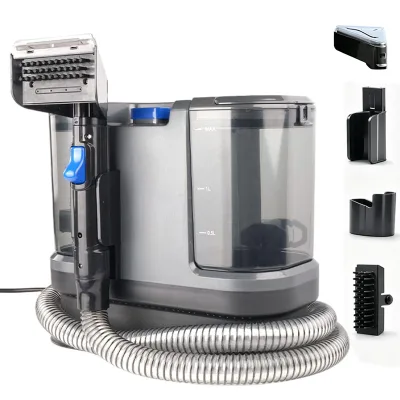


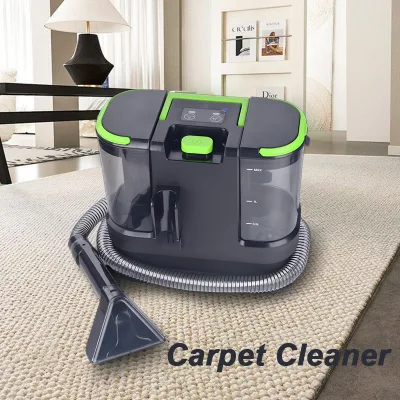
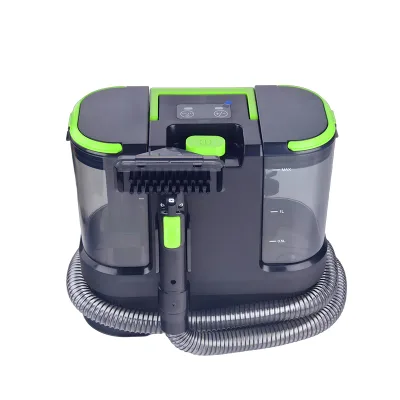
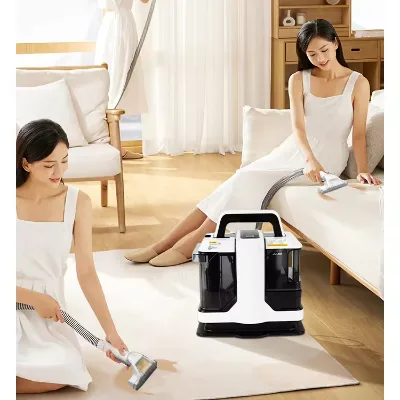
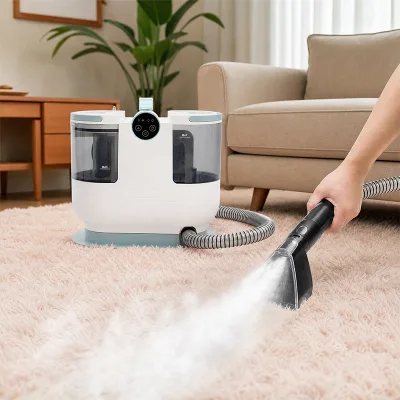
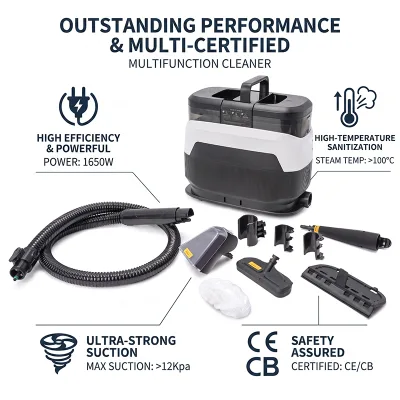
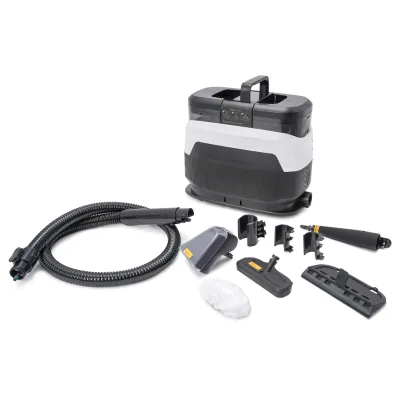
Home Helper Multiple Use Electric Carpet Sofa Cleaning Machine/Carpet Cleaner
$500.00 - $2000.00
MOQ: 1 Set


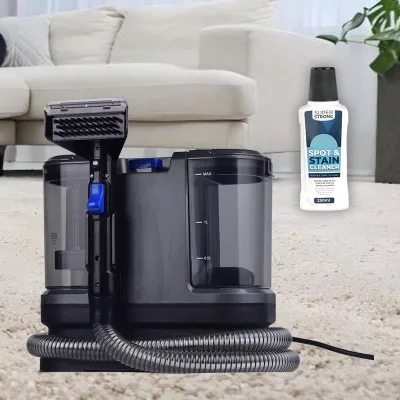
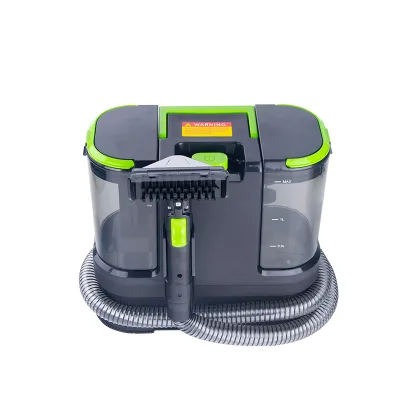
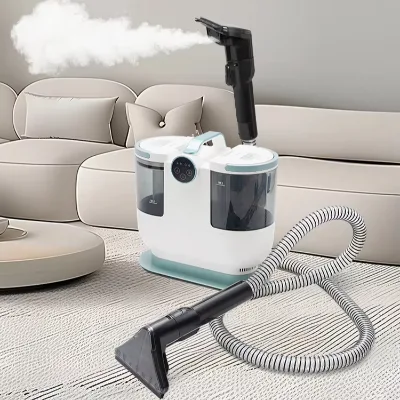
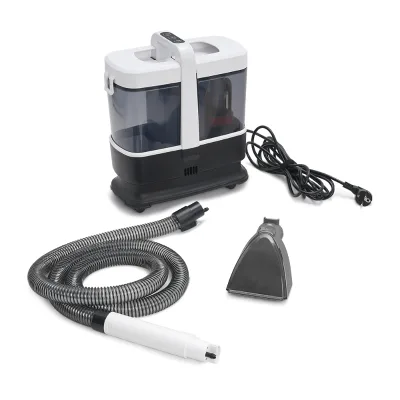
Car Application Carpet Cleaner Electric Power Carpet Cleaner Carpet Shampoo Machine
$56.5503 - $62.7198
MOQ: 2 pieces
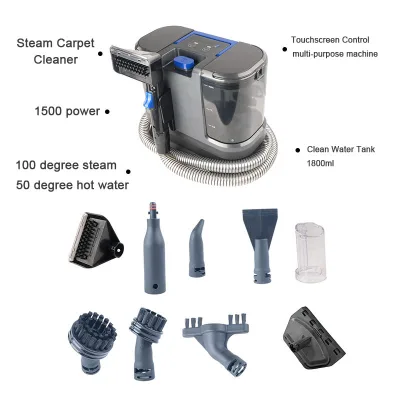
Comprehensive Sourcing Guide
Hot Water Electric Carpet Cleaner Sourcing Guide
Procuring hot water electric carpet cleaners requires a clear understanding of the distinct operational profiles available in the current market. Buyers must distinguish between heavy-duty industrial units designed for large commercial spaces and compact, portable devices suited for smaller commercial or household applications. The observed product landscape includes models with specific voltage and frequency requirements, such as 220V/50Hz systems, which dictate the electrical infrastructure needed at the deployment site. Understanding these baseline power constraints is the first step in ensuring that the selected equipment integrates seamlessly with existing facility utilities without requiring costly electrical upgrades.
The application scope varies significantly across different model types, ranging from dedicated carpet cleaning machines to versatile wet and dry cleaners. Some units are explicitly classified for industrial or commercial use, featuring robust construction and high-capacity tanks, while others are marketed for hotels, garages, and RVs. Buyers should align their procurement strategy with their primary use case, whether it involves deep cleaning large carpeted areas in commercial buildings or performing detailed spot cleaning in hospitality settings. This distinction influences critical decisions regarding portability, tank capacity, and the overall footprint of the equipment within the operational environment.
Product Scope and Observed Listing Signals
The current market offers a diverse range of hot water electric carpet cleaners, with observed price points spanning from approximately $40.92 to $15,000 USD. This wide variance reflects differences in build quality, motor power, and intended use cases, ranging from lightweight handheld steamers to substantial industrial floor scrubbers. Minimum order quantities (MOQs) also vary, typically ranging from single units for sample testing to bulk orders of up to 300 pieces for large-scale deployments. Buyers should carefully evaluate the total cost of ownership, considering not just the unit price but also the efficiency and durability associated with higher-tier models, which often justify their cost through faster cleaning rates and longer service lives.
Observed product attributes highlight specific technical configurations that buyers must verify against their operational needs. For instance, some industrial models feature dual vacuuming motors with a total power of 2087W and a vacuum suction of 250mbar, paired with a 60L capacity for efficient large-area cleaning. In contrast, smaller units may weigh between 3.7kg and 4.2kg, offering portability for tasks in hotels or households. The presence of customization options and various packing methods, such as pallets or cartons, indicates that suppliers are flexible in meeting specific logistical requirements. Buyers should prioritize models that match their specific cleaning rate expectations, such as 400 square meters per hour, to ensure operational efficiency.
Technical Specifications to Verify
When evaluating technical specifications, buyers must scrutinize the motor configurations and power consumption of the selected units. Industrial-grade cleaners often utilize multiple motors, such as a 1000W water suction motor and a 220V/180W roll brush motor, to ensure effective cleaning performance. It is crucial to verify the voltage and frequency compatibility, as many observed models operate on 220V/50Hz systems. Additionally, the cable length, which can be as long as 18 meters in some industrial units, significantly impacts operational flexibility. Buyers should confirm that the power cord length and electrical requirements align with the layout of their cleaning areas to avoid frequent outlet changes or the need for extension cords.
Tank capacities and filtration systems are equally critical technical factors that influence cleaning efficiency and maintenance requirements. Observed models feature clean water tank capacities ranging from 20 liters to 60 liters, with dirty water tanks sized accordingly, such as 18 liters. The filtration method, whether it involves a dust bag filter or a centrifugal cyclone dust collector, determines the ease of waste disposal and the cleanliness of the exhaust air. Buyers should also consider the brush width and cleaning rate, with some units offering a 400mm roll brush width for rapid coverage. Verifying these specifications ensures that the selected machine can handle the volume and type of soil present in the target environment without frequent refilling or emptying.
Compliance and Safety Documentation
Safety and compliance documentation are paramount when sourcing electrical cleaning equipment, particularly those involving hot water and high voltage. Buyers must request evidence of relevant certifications, such as CE and RoHS, which indicate adherence to European safety and environmental standards. Although these certifications are noted in background contexts, buyers should verify that the specific models they intend to purchase carry valid certification marks and corresponding test reports. This verification process helps mitigate risks associated with electrical hazards, ensuring that the equipment meets the regulatory requirements of the destination market and provides a safe operating environment for staff.
In addition to electrical safety, buyers should assess the material composition and build quality of the cleaners. Many observed units are constructed from durable materials like ABS plastic and aluminum, which offer resistance to corrosion and impact. The operating language of the control panel, typically English in observed models, is a practical consideration for international teams. Buyers should also confirm the warranty terms, with some suppliers offering a one-year warranty, to ensure support in case of mechanical failures. Understanding the surface recommendations, which may include fabric, plastic, metal, wood, glass, and ceramic, helps buyers ensure that the cleaning process will not damage sensitive surfaces in their facilities.
Cost Drivers and Commercial Terms
Several key factors drive the cost of hot water electric carpet cleaners, including motor power, tank capacity, and material quality. High-power industrial units with dual motors and large capacities naturally command higher prices compared to lightweight, single-motor devices. Buyers should evaluate the cleaning rate and suction power as indicators of value, as higher performance metrics often correlate with increased efficiency and reduced labor costs. Additionally, the inclusion of features such as cyclone dust collectors or specialized brush systems can influence the final price. Understanding these cost drivers allows buyers to make informed decisions that balance initial investment with long-term operational benefits.
Commercial terms, including packaging and shipping logistics, also play a significant role in the total procurement cost. Observed packing methods range from individual cartons to palletized shipments, which affect handling and storage requirements. Buyers should clarify the MOQ and lead times with suppliers to ensure alignment with their procurement schedules. Customization options, such as branding or specific voltage configurations, may incur additional costs but can enhance brand consistency and operational suitability. It is essential to negotiate clear terms regarding warranty coverage and after-sales support, as these factors contribute to the overall reliability and value of the purchased equipment.
Supplier Qualification and Quality Control
Supplier qualification is a critical step in ensuring the reliability and consistency of hot water electric carpet cleaners. Buyers should verify the supplier’s manufacturing capabilities, particularly their origin in regions like Guangzhou, China, which is known for its industrial cleaning equipment production. Assessing the supplier’s track record in producing units with specific models, such as DTJ4A or LC602SF, provides insight into their technical expertise. Buyers should request samples to evaluate build quality, motor performance, and user interface design before committing to larger orders. This due diligence helps identify suppliers who can consistently meet quality standards and deliver products that perform as advertised.
Quality control processes should be clearly defined and agreed upon with the supplier to minimize the risk of defects. Buyers should inquire about the supplier’s testing procedures for electrical components, tank integrity, and motor durability. Observing the packing standards, such as the use of sturdy cartons or pallets, can also indicate the supplier’s attention to protecting products during transit. Establishing a clear communication channel for addressing any quality issues post-delivery is essential. Buyers should also consider the supplier’s ability to provide technical support and spare parts, which are crucial for maintaining the equipment’s performance over its lifespan.
Long-Term Procurement Checks
Long-term procurement success depends on establishing robust relationships with suppliers who can support ongoing operational needs. Buyers should monitor the supplier’s ability to provide consistent product quality and timely deliveries, especially when scaling up orders. Regularly reviewing the performance of the purchased equipment in the field can provide valuable feedback for future procurement decisions. Buyers should also stay informed about technological advancements in hot water electric carpet cleaners, such as improvements in energy efficiency or filtration systems, to ensure that their equipment remains competitive and effective.
Maintenance and support are key considerations for long-term procurement. Buyers should ensure that the supplier offers comprehensive warranty services and readily available spare parts. Understanding the recommended maintenance procedures, such as filter replacement and tank cleaning, helps extend the lifespan of the equipment. Buyers should also evaluate the supplier’s responsiveness to technical inquiries and their ability to provide training or documentation in the required operating language. By focusing on these long-term factors, buyers can maximize the return on their investment and ensure that their cleaning operations remain efficient and reliable.
FAQs
What is the voltage and frequency for the DTJ4A model?
The DTJ4A model operates on 220V/50Hz power supply. It features a total power of 2087W and a current of 5.3A. This specification ensures compatibility with standard industrial electrical systems in regions using 50Hz frequency, providing stable performance for wet and dry cleaning tasks.
How much water capacity does the LC602SF model have?
The LC602SF model has a clean water tank capacity of 20L and a dirty water tank capacity of 18L. This configuration supports continuous cleaning operations without frequent refilling, making it suitable for large commercial spaces requiring efficient water management during carpet maintenance procedures.
Can the electric hot water steamer be used on multiple surfaces?
Yes, the steamer is recommended for fabric, plastic, metal, wood, glass, and ceramic surfaces. Its versatile design allows for effective cleaning across various materials, ensuring that users can utilize the device for comprehensive maintenance tasks beyond just carpet cleaning in commercial or household settings.
What is the cleaning rate for the LC602SF model?
The LC602SF model achieves a cleaning rate of 400 square meters per hour. This high efficiency is supported by its 400mm roll brush width and powerful water suction motor, enabling rapid coverage of large floor areas while maintaining thorough cleaning standards for industrial applications.
What is the warranty period for the electric hot water steamer?
The electric hot water steamer comes with a 1-year warranty. This coverage provides assurance for the ABS and aluminum construction, protecting against manufacturing defects. Buyers should retain proof of purchase to utilize this warranty service for any potential issues arising during the first year of operation.
What is the packing size for the DTJ4A model?
The DTJ4A model has a packing size of 1000x545x975mm. It is packaged using pallet and carton methods to ensure safe transportation. This standardized dimension facilitates efficient logistics planning and storage, allowing buyers to calculate shipping costs and warehouse space requirements accurately for bulk orders.