Diamond Net Dust Filter Element Suppliers and Manufacturers
Explore 22 verified suppliers offering diamond net dust filter elements with varying lead times, certifications, and response speeds. Buyers can compare ISO standards, locations in China, and pricing to select the right factory. Contact suppliers directly to request samples and confirm specifications.
Suppliers List

CISRI HY&POR TECHNOLOGY CO., LTD.
- Verified by BV
- Combined
- China Beijing
- Lead time30 days
- Avg. response≤ 1h
Main productsFilter, Metal Filter, Sintered Metal Powder, Sintered Metal Mesh, Sinterd Metal No-Woven Fiber Felt, Metallic Membrane, Asymmetric Sintered Metal Powder, Metal Filter Disc, Industrial Filter, Pleated Filter Cartridge
Main marketsSoutheast Asia/ Mideast,North America


Dust Collector Filter Stainless Sintered Metal Mesh Filter Element
$1700.00 - $1800.00
MOQ: 500 Pieces

Anping County Huana Wire Mesh Products Co., Ltd.
- Verified by SGS
- Manufacturer/Factory
- China Hebei
- Lead time15 days
- Avg. response≤ 3h
Main productsFilter, Filter Mesh, Pleated Filter, Wire Mesh Filter Disc, Stainless Steel Wire Mesh Tubes, Filter Element, Wire Mesh Filter, Sintered Wire Mesh, Strainers, Perforated Tube
Main marketsSouth America,Eastern Europe,Mid East,North America,Southeast Asia,Eastern Asia,Oceania,Western Europe,Africa
Langfang Qiangshi Filtration Equipment Co., Ltd.
- Verified by CTI
- Combined
- China Hebei
- Lead time15 days
- Avg. response≤ 1h
Main productsFilter, Hydraulic Filter, Air Filter, Dust Filter, Steel Mill Filter Element, HEPA Filter, Oil Mist Filter Element for Oil Purifier, Cjc Filter, Hydac Filter, Parker Filter Element
Main marketsDomestic

ANPING COUNTY DONGJIE WIREMESH PRODUCTS CO., LTD.
- Verified by BV
- Combined
- China Hebei
- Lead time15 days
- Avg. response≤ 2h
Main productsExpanded Metal Mesh, Perforated Metal Mesh, Woven Wire Mesh, Decorative Wire Mesh, Filter End Caps, Metal Stampings
Main marketsSouth America,Africa,Southeast Asia/ Mideast,East Asia(Japan/ South Korea),Europe,Australia,North America


Advanced Industrial Metal Mesh Dust Collector System for Efficient Filtration
$0.90 - $9.90
MOQ: 10 Rolls


Shanghai Thenow Purification Technology Co., Ltd.
- Combined
- China Shanghai
- Lead time23 days
- Avg. response≤ 3h
Main productsHVAC Filters, Industrial Air Filters, HEPA Filters, Air Filter Cartridges
Main marketsSouth America,Africa,Southeast Asia/ Mideast,East Asia(Japan/ South Korea),Europe,Australia,North America


Dust Collector Filter Elements, Replacement Filter
MOQ: 1 Pieces
Source Filter Technology (Hangzhou) Co., Ltd
- Verified by SGS
- Combined
- China Zhejiang
- Lead time15 days
- Avg. response≤ 6h
Main productsFilter Cartridges Capsule Filter
Main marketsDomestic


High-Strength Stainless Steel Dust Collector Filter Element for 20-150°C
$120.00 - $125.00
MOQ: 1 Pieces


Changshu Evergrande Imp. & Exp. Co., Ltd.
- Verified by TUVRHEINLAND
- Trading Company
- China Jiangsu
- Lead time30 days
- Avg. response≤ 6h
Main productsMetal Etching Panels and Parts, Vegetable Parchment Paper, Tool Carts and Cabinets, Industrial Carpets and Floorings, Spinpack Parts and Accessories
Main marketsEurope
Jiangsu Hongshida Environmental Technology Co., Ltd.
- Verified by TüVRheinland
- Manufacturer, Trading Company
- Lead time20 days
- Avg. response≤ 3h
Main productsFilter Cartridge End Cover, Aluminum Die Casting Products, Metal Mesh, Sealing Elements, Plastic Products
Main marketsDomestic Market(74%), Eastern Europe(10%), South America(5%)
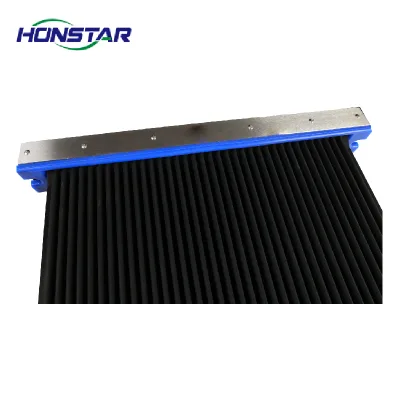
New Large-Diameter Sintered Air Filter Element for Efficient Mining & Tunneling
$73.20 - $92.02
MOQ: 10 pieces
Hebei Yongkun Metal Products Co., Ltd.
- Combined
- China Hebei
- Lead time15 days
- Avg. response≤ 5h
Main productsWedge Wire Screen, Gabion, Sintered Mesh, Knitted Mesh, Metal Conveyor Belt, Stainless Steel Wire Mesh, Filter Element, Mining Screen, Filter Disc, Perforated Sheet
Main marketsSouth America,Africa,Southeast Asia/ Mideast,East Asia(Japan/ South Korea),Europe,North America

- Verified by TUVRHEINLAND
- Manufacturer/Factory
- China Anhui
- Lead time23 days
- Avg. response≤ 5h
Main productsFilter, Car Filter, Construction Machinery, Air Filter, Oil Filter, Color Sorter and Parts, Separator Flter, Hydraulic Filter, Air Compressor, Air Compressor Kits
Main marketsEastern Europe,Mid East,Southeast Asia,Eastern Asia,Oceania,Africa

Conical Drilling Rig Dust Filter Element Dust Collector Heavy Industry Air Filter Element
$10.00 - $37.00
MOQ: 2 Pieces


Factory High Efficiency Industrial Dust Collector Air Filter Cartridge Dust Air Filter
$10.00 - $37.00
MOQ: 2 Pieces

Factory Dust Removal Flame Retardant Filter P190884 Industrial Dust Air Filter
$10.00 - $37.00
MOQ: 2 Pieces

Hebei Meshtech Technology Co.,LTD
- Verified by BV
- Trading Company,Manufacturer/Factory,Group Corporation
- China Hebei
- Lead time23 days
- Avg. response≤ 20h
Main productsWire Mesh, Wire Cloth, Printing Mesh, Filter Cloth, Bolting Cloth, Wire Fence, Rockshild Net, Drone Net, Polyester Mesh, Nylon Mesh
Main marketsSouth America,Eastern Europe,Mid East,Southeast Asia,Eastern Asia,Oceania,Western Europe,Africa


Gold Supplier Air Filters Wire Mesh Stainless Steel Wire Net Wire Cloth
$95.00 - $260.00
MOQ: 10 Rolls


Tianjin Great Air Compressor Co., Ltd.
- Verified by TUVRHEINLAND
- Manufacturer/Factory
- China Tianjin
- Lead time23 days
- Avg. response≤ 16h
Main productsScrew Air Compressor, Oil Injected Screw Compressor, Fsd Screw Air Compressor, VSD Screw Air Compressor, Pm VSD Screw Air Compressor, 2 Stage Compression Screw Compressor, Portable Screw Air Compressor, Low Pressure Screw Compressor, Air Dyer, Air Tanker
Main marketsSouth America,Eastern Europe,Mid East,North America,Southeast Asia,Eastern Asia,Oceania,Western Europe,Africa

Hangzhou Darlly Filtration Equipment Co., Ltd.
- Verified by BV
- Manufacturer/Factory
- China Zhejiang
- Lead time23 days
- Avg. response≤ 5h
Main productsFilter Cartridges, Water Filter, Water Filter Cartridge, Process Filter, Filter Elements, Filter Housing, High Flow Filter Cartridge, Capsule Filter, Sterile Filter Cartridge, Lenticular Filter Cartridge
Main marketsSouth America,Eastern Europe,Mid East,North America,Southeast Asia,Eastern Asia,Oceania,Western Europe,Africa
Xinxiang Jun Filters and Chemical Co.,Ltd
- Verified by BV
- Trading Company
- China Henan
- Lead time15 days
- Avg. response≤ 2h
Main productsRO Membrane, Hydraulic Oil Filter, Stainless Steel Sintered Filter Element, High Flow Filter Element, PP Pleated Filter Cartridge, Filter Housing, Wire Wound Filter Element, Wedge Wire Filter Panel, Air Filter Element, Coalescing Filter Element
Main marketsSouth America,Africa,Southeast Asia/ Mideast,East Asia(Japan/ South Korea),Europe,Australia,North America

Industrial 200*600 Filter Element Dust Collector Air Filter Element for Air Dust
$35.00 - $45.00
MOQ: 1 Pieces

Coalescing Separate Filter Element for Oil Mist Separator Filter Element
$12.00 - $15.00
MOQ: 1 Pieces

Industrial Filtration Equipment Removal Air Purifier Durable Dust Filter Element
$35.00 - $45.00
MOQ: 1 Pieces


JIANGSU JINGYA IMPORT AND EXPORT CO., LTD.
- Combined
- China Jiangsu
- Lead time60 days
- Avg. response≤ 25h
Main productsTextile Machine
Main marketsSouth America,Africa,Southeast Asia/ Mideast,East Asia(Japan/ South Korea),Europe,North America

Zhangjiagang Filterk Filtration Equipment Co., Ltd.
- Verified by CTI
- Combined
- China Jiangsu
- Lead time15 days
- Avg. response≤ 25h
Main productsFilter Element, Air Filter Cartridge, Cartridge Filter, Hydraulic Oil Filter, Dust Collector Filter, Oil Mist Filter, Gas Filter Element, Filters, Industrial Filters, Filter Equipment
Main marketsSouth America,Southeast Asia/ Mideast,East Asia(Japan/ South Korea),Domestic,Europe,Australia,North America
Shenzhen Hengrong Water Treatment Equipment Co., Ltd
- Verified by CTI
- Trading Company
- China Guangdong
- Lead time15 days
- Avg. response≤ 3h
Main productsWater Treatment Equipment Filter Water Puri, Water Purification Equipment, Reverse Osmosis Equipment, Integrated Sewage Equipment, Filter, Sanitary Storage Tanks, UV Sterilizer, Stirring The Can, Radiator, Mixing and Dosing Equipment
Main marketsAfrica,Domestic
Hebei Green Spring Environmental Protection Equipment Technology Co., Ltd
- Verified by SGS
- Combined
- China Hebei
- Lead time15 days
- Avg. response≤ 5h
Main productsWater Filter Element, PP Filter Element, CTO Filter Element, Udf Filter Element, GAC Filter Element, Water Filter Cartridge, Reverse Osmosis Membrane, Reverse Osmosis System, Post-Activated Carbon Filter Element, PP Yarn Filter Element
Main marketsSoutheast Asia/ Mideast,Domestic
Hangzhou PSI Filtration Technology Co., Ltd
- Verified by SGS
- Combined
- China Zhejiang
- Lead time15 days
- Avg. response≤ 5h
Main productsReplacement Compressed Air Filter Element, Compressed Air Filter, Compressor Dryer
Main marketsSoutheast Asia/ Mideast

Guangdong Laswim Water Environment Equipment Co., Ltd.
- Verified by BV
- Combined
- China Guangdong
- Lead time15 days
- Avg. response≤ 5h
Main productsSand Filter, Pool Pump, Pool Underwater Light, Salt Chlorinator, Heat Pump, Pool Ladder, Pool Plastic Fittings, Filtration Unit, Massage Products, Hydrotherapy Equipment
Main marketsSouth America,Africa,Southeast Asia/ Mideast,East Asia(Japan/ South Korea),Europe,Australia,North America
Nanjing Beite Ac Equipment Co., Ltd.
- Verified by SGS
- Combined
- China Jiangsu
- Lead time30 days
- Avg. response≤ 4h
Main productsWater Treatment Equipment, Coil Heat Exchanger, Expansion Tank Buffer Tank, Plate Heat Exchanger, Brush Filter, Muti Filter
Main marketsAfrica,Southeast Asia/ Mideast,Domestic,Europe,North America

- Verified by TUVRHEINLAND
- Combined
- China Henan
- Lead time30 days
- Avg. response≤ 4h
Main productsWedge Wire Screen, Wire Wrap Screen, Pipe Base Screen, Gravel Pre-Pack Screen, Perforated Pipe, Oil Well Screen, Bridge Slot Screen, Sand Control Well Screens, Passive Water Intake Screen, Stainless Steel Tubing
Main marketsSouth America,Africa,Others(foreignTradeCapacity.exportBusinessCapacityMarketOther),Southeast Asia/ Mideast,East Asia(Japan/ South Korea),Domestic,Europe,Australia


Comprehensive Sourcing Guide
Diamond Net Dust Filter Element Supplier Concentration and Factory Types
Current data indicates that verified suppliers for diamond net dust filter elements are concentrated in specific Chinese regions, with Beijing and Hebei emerging as key manufacturing hubs. Fact records show a supplier located in Beijing offering combined company types, while another in Hebei operates as a manufacturer or factory. These locations suggest a regional clustering of industrial filtration capabilities, though buyers should verify if other clusters exist by checking the origin field in product listings. The presence of both combined trading entities and direct manufacturers in these areas allows for diverse sourcing strategies, but the specific concentration of diamond net technology remains tied to these verified locations.
When assessing factory types, the distinction between combined suppliers and pure manufacturers is critical for Diamond Net Dust Filter Element procurement. The observed data includes a combined entity in Beijing and a manufacturer in Hebei, each with different capabilities such as ODM, OEM, or own-brand production. Buyers must confirm whether a supplier offers direct factory pricing or acts as an intermediary by reviewing their company type field. This distinction impacts lead times and customization flexibility, as manufacturers often provide more direct control over the sintering and mesh formation processes required for high-performance diamond net filters.
How to Verify Diamond Net Dust Filter Element Suppliers
Verification of Diamond Net Dust Filter Element suppliers relies heavily on third-party audit reports and platform verification badges. The available facts show suppliers holding BV, SGS, and CTI verification statuses, which serve as primary indicators of operational legitimacy. Buyers should prioritize suppliers displaying these specific verification marks, as they confirm that the entity has undergone external scrutiny regarding their business practices and facility conditions. Relying on unverified claims without these badges introduces significant risk, especially when sourcing specialized filtration components like diamond net elements where material integrity is paramount.
Beyond verification badges, system certifications provide a secondary layer of assurance for Diamond Net Dust Filter Element suppliers. The observed data includes ISO9001:2015 and ISO14001:2015 certificates for some suppliers, alongside general ISO 9001 compliance for others. These certifications indicate adherence to quality management and environmental standards, which are essential for consistent production of metal mesh filters. Buyers must request current certificate copies to ensure they are not expired, as the presence of a badge alone does not guarantee ongoing compliance. Cross-referencing these certifications with the supplier's main product list ensures the diamond net filter element is a core competency rather than a peripheral offering.
What to Compare Across Diamond Net Dust Filter Element Suppliers
Comparing Diamond Net Dust Filter Element suppliers requires a detailed analysis of response times, lead times, and minimum order quantities. The data reveals response times ranging from 0.01 to 2.30 hours, with lead times varying between 15 and 30 days. A supplier with a 0.01-hour response time may offer faster communication but does not necessarily guarantee a shorter production lead time compared to a supplier with a 2.30-hour response but a 15-day lead time. Buyers should map these metrics against their project timelines, understanding that rapid response does not always equate to rapid delivery for custom sintered metal products.
Product specifications and pricing structures also demand rigorous comparison when sourcing diamond net dust filter elements. Observed price ranges vary significantly, with some products listed between $90 and $99.99, while others range from $1700 to $1800, reflecting differences in material grade, filtration rating, and customization levels. Minimum order quantities (MOQ) similarly fluctuate, with some suppliers requiring 50 units and others demanding 500 units. Buyers must align these commercial terms with their inventory needs, noting that lower MOQs often come with higher unit costs, while bulk orders may unlock better pricing but require larger capital outlay.
Common Diamond Net Dust Filter Element Sourcing Risks
One primary risk in sourcing diamond net dust filter elements is the discrepancy between advertised filtration grades and actual performance capabilities. Product attributes list filtration grades such as HEPA, ULPA, and Medium Filter, alongside specific ratings like 1um. However, without independent test reports, buyers cannot confirm if the diamond net mesh meets these exact standards under operational conditions. Relying solely on the supplier's stated filtration grade without requesting third-party test data for the specific diamond net configuration can lead to equipment failure or contamination issues in critical applications like high-pressure water treatment or coal industry dust collection.
Another significant risk involves the variability in material composition and customization limits for diamond net dust filter elements. While some suppliers offer stainless steel 304, 316, and 316L options, others may not explicitly state the alloy composition in their product attributes. The operating temperature limits also vary, with some elements rated up to 900°C and others unspecified. Buyers must verify the exact material grade and temperature tolerance for their specific application, as using a filter rated for lower temperatures in a high-heat environment can cause structural failure. Additionally, customization availability should be confirmed, as some suppliers may limit modifications to standard dimensions despite claiming "customized" capabilities.
Diamond Net Dust Filter Element Regional Sourcing and Logistics
Sourcing diamond net dust filter elements from China involves navigating logistics from specific manufacturing clusters like Beijing and Hebei. The observed locations indicate that suppliers in these regions handle the production and initial packaging, often using wood packages or wooden cases for protection. Buyers must account for the distance between these inland manufacturing hubs and major ports, which can impact transit times and shipping costs. Understanding the specific origin of the product is essential for calculating accurate landed costs, as logistics from Hebei may differ from those originating in Beijing due to varying port access and infrastructure.
Packaging standards for diamond net dust filter elements also play a crucial role in regional logistics and product safety. The data shows that products are typically packed in wood packages, wooden cases, or cardboard boxes depending on the supplier. For international shipments, wooden packaging often requires fumigation certification to meet import regulations in various countries. Buyers should verify the packaging type specified in the product attributes to ensure it meets the destination country's phytosanitary requirements. Failure to confirm packaging compliance can result in customs delays or rejection of the shipment, adding unexpected costs and time to the procurement cycle.
Diamond Net Dust Filter Element Commercial Terms and Order Planning
Commercial terms for diamond net dust filter elements include specific pricing structures and order planning requirements that vary by supplier. The observed price ranges indicate a wide spectrum of costs, from approximately $90 to $1800 per unit, influenced by factors such as material type, filtration rating, and customization. Buyers must plan their orders carefully, considering that lower-priced items may have higher MOQs or longer lead times, while premium-priced items might offer faster turnaround. Understanding these price drivers is essential for budgeting and ensuring that the selected supplier can meet both financial and operational constraints.
Order planning must also account for the specific lead times and response capabilities of the chosen supplier. With lead times ranging from 15 to 30 days and response times varying from minutes to hours, buyers need to align their production schedules accordingly. A supplier with a 15-day lead time and fast response may be ideal for urgent orders, while a 30-day lead time might suit long-term planning. Additionally, the availability of OEM and ODM services allows for tailored solutions, but buyers should confirm the timeline for design approval and prototyping. Properly integrating these commercial terms into the order plan ensures a smooth procurement process and minimizes the risk of delays.
FAQs
What is the typical lead time for sintered metal mesh filters?
Manufacturers in China generally require 15 to 30 days for production. This duration depends on order volume and customization needs. Buyers should confirm specific timelines with suppliers before placing orders to ensure timely delivery for industrial projects.
What are the minimum order quantities for these filter elements?
MOQs vary significantly by product type. Standard elements may require as few as 10 units, while specialized sintered mesh filters often demand 50 or 500 units. Buyers must check specific product listings to determine the exact minimum quantity required.
Which certifications do these filter suppliers typically hold?
Many verified suppliers hold ISO 9001:2015 and ISO 14001:2015 certificates. Some also possess third-party verification from BV, SGS, or CTI. Buyers should request these documents to ensure quality management and environmental standards are met for industrial applications.
What materials are used for high-temperature resistant filter elements?
Elements are typically made from stainless steel grades like 304, 316, and 316L. These metals provide high-temperature resistance up to 900°C and withstand high pressure. The sintered metal mesh structure ensures uniform porosity and durability in harsh industrial environments.
How quickly do suppliers typically respond to inquiries?
Response times vary, with some suppliers replying within 0.01 hours and others taking up to 2.3 hours. Fast response indicates active sales teams. Buyers should prioritize suppliers with quick reply rates to streamline communication and accelerate the sourcing process effectively.
What filtration grades are available for these metal filters?
Available grades include HEPA, Medium, and ULPA filters. Ratings can range from 1 micron to 5000 micrometers depending on the mesh design. Buyers should select the appropriate grade based on their specific industry requirements for air or liquid filtration.