Source Fully Automatic Electric Hydroextractor for Lab, Hospital, School
Find and compare 30 Fully Automatic Electric Hydroextractor models from Chinese manufacturers. Options include GZF-1800, TL-1000, and SME-1200 with SS304 drums, CE/ISO certifications, and 24-month warranties for industrial and laboratory dewatering needs; compare the available evidence and request quotations based on your requirements.
Updated
Key considerations
Products List


High Efficiency Hydro Extractor Full Automatic Control Hydro Extractor
$5000.00 - $8000.00
MOQ: 1 Pieces


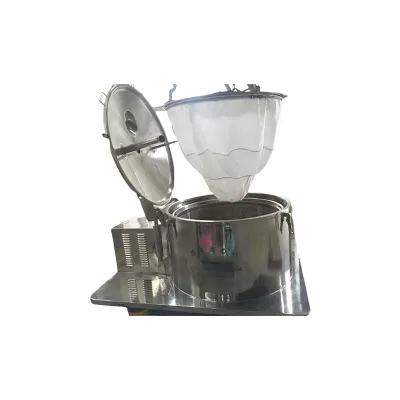
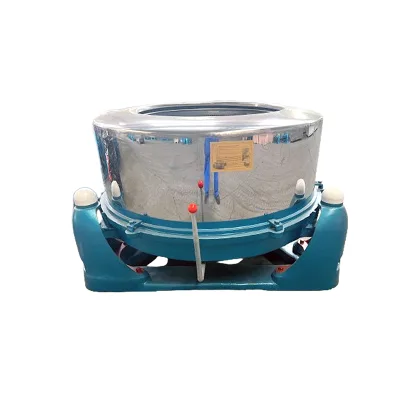
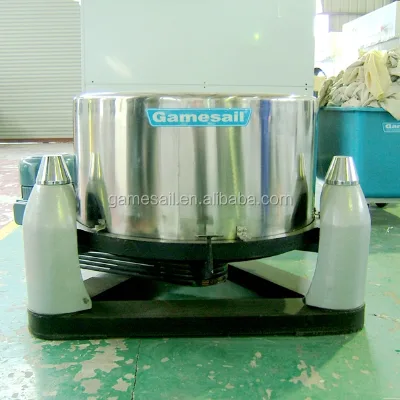
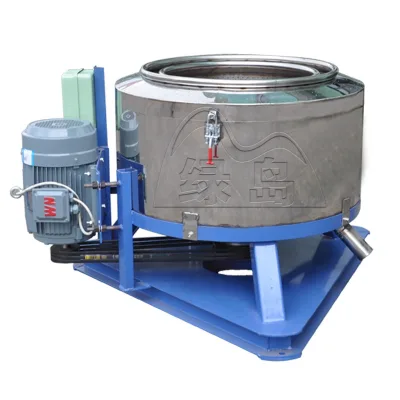


$700.00 - $7000.00
MOQ: 1 PIECE





Comprehensive Sourcing Guide
Fully Automatic Electric Hydroextractor Sourcing Guide
The Fully Automatic Electric Hydroextractor represents a critical asset for industrial and institutional dewatering operations, offering high-speed moisture removal through automated rotor spinning mechanisms. Buyers must distinguish between models designed for heavy-duty production lines and those tailored for laboratory or hospital environments, as the operational requirements vary significantly across these sectors. The observed market includes units with varying drum dimensions and motor powers, necessitating a careful review of the specific application needs before selecting a supplier.
Procurement decisions should prioritize the automation level and control systems, as modern units often feature full-automatic control modes that reduce manual intervention and enhance safety. The presence of inverters capable of reducing start current and pneumatic door controls indicates advanced engineering aimed at energy efficiency and operational reliability. Buyers should verify that the selected model aligns with their specific throughput requirements, ensuring the machine's capacity matches the volume of material to be processed daily.
Product Scope and Observed Listing Signals
The current market listings for fully automatic electric hydroextractors reveal a diverse range of specifications, including models with inner drum sizes of 1800x780mm and others with dimensions of 1800x760mm. These variations suggest that the product scope extends from compact units suitable for schools and hospitals to larger industrial machines capable of handling 50-100kg loads per cycle. The observed price range of 100 to 30,000 USD reflects this disparity in scale and capability, requiring buyers to clearly define their budget constraints against performance expectations.
Listing signals indicate that customization is a standard offering, with many suppliers providing options for specific packing methods such as plastic film or wooden cases. The availability of different spinning methods, including rotor spinning and direct motor drives, highlights the need for buyers to evaluate the mechanical transmission systems carefully. Observations of varying installation types, from hard-mounted fixed units to portable freestanding models, further emphasize the importance of matching the machine's physical configuration to the facility's layout and infrastructure.
Technical Specifications to Verify
Buyers must rigorously verify the motor power and speed capabilities, as observed listings show units ranging from 5.5kw to 15kw with dewatering speeds up to 720rpm. The choice between belt-driven drums and direct motor drives significantly impacts maintenance requirements and operational efficiency, making this a critical technical decision. Additionally, the material composition of the inner drum and housing, typically stainless steel SS304, is essential for ensuring corrosion resistance and longevity in wet environments.
The control systems and electrical components require detailed scrutiny, particularly regarding the inclusion of inverters for soft starting and the quality of electricity parts such as Schneider components. Specifications like the overall size of 3100x2450x2800mm and specific drum dimensions must be cross-referenced with the available floor space in the installation area. Verifying the draining way, whether exhaust or other methods, ensures the machine integrates correctly with the facility's waste management and ventilation systems.
Compliance and Safety Documentation
Safety and regulatory compliance are paramount, with observed listings frequently citing CE and ISO9001 certifications as standard indicators of quality assurance. Buyers should request valid certification documents to confirm that the equipment meets international safety standards and that the manufacturing process adheres to rigorous quality management protocols. The condition of the products being listed as "New" further supports the expectation that these units are manufactured to current safety and performance benchmarks.
Documentation regarding the warranty period, typically observed as 24 months, provides a baseline for after-sales support and risk mitigation. It is crucial to verify that the warranty covers critical components like the motor and control systems, ensuring long-term operational stability. Buyers should also confirm that the supplier provides comprehensive installation guides and safety manuals, particularly for units with pneumatic controls and high-speed rotating drums that require specific operational protocols.
Cost Drivers and Commercial Terms
The total cost of ownership is influenced by several factors, including the motor power, material quality, and the level of automation integrated into the unit. Higher power motors and advanced control features, such as full-automatic operation and speed adjustability, generally command a premium price within the observed 100-30,000 USD range. Buyers should analyze the trade-off between initial capital expenditure and long-term energy savings, particularly when selecting units with inverters designed to reduce start current.
Commercial terms such as the minimum order quantity (MOQ) and packing requirements also play a significant role in the procurement process. The observed MOQ of 1 unit suggests flexibility for small-scale buyers, while the choice between plastic film and wooden case packing affects shipping costs and product protection. Lead times and delivery conditions should be clarified early in negotiations, as these factors can impact project timelines and overall budget planning for the acquisition of industrial dewatering equipment.
Supplier Qualification and Quality Control
Supplier qualification should focus on the manufacturer's origin and their track record in producing spinning equipment and dewatering machines. The observed data indicates that many suppliers are based in Guangzhou, China, a hub for industrial machinery manufacturing, but buyers must verify the specific factory capabilities and production history. Ensuring that the supplier has a proven track record in delivering units with the specified certifications and material standards is essential for maintaining quality.
Quality control processes must be validated through requests for production records and inspection reports, particularly for critical components like the stainless steel drums and electrical systems. Buyers should inquire about the supplier's internal testing procedures to ensure that each unit meets the specified performance criteria before shipment. Establishing a clear communication channel for post-delivery support and technical assistance is also vital for resolving any operational issues that may arise during the initial deployment phase.
Long-Term Procurement Checks
Long-term procurement success depends on establishing a robust maintenance schedule and ensuring the availability of spare parts for the Fully Automatic Electric Hydroextractor. Buyers should verify the supplier's commitment to providing replacement parts for critical components such as motors, inverters, and pneumatic valves to minimize downtime. The 24-month warranty period serves as a starting point, but extended service agreements may be necessary for continuous industrial operations.
Regular performance audits and condition monitoring are essential to maintain the efficiency and safety of the dewatering machines over time. Buyers should implement a system for tracking usage hours and maintenance activities to identify potential issues before they lead to equipment failure. Building a strong relationship with the supplier for ongoing technical support and updates ensures that the equipment remains compliant with evolving safety standards and operational requirements.
FAQs
What is the standard inner drum size for the GZF-1800 model?
The standard inner size for the GZF-1800 model is 1800x780mm. This specification ensures adequate capacity for industrial dewatering tasks. The unit features an SS304 inner drum material for durability. It is packed in plastic film and originates from Guangzhou, China. The machine carries CE and ISO9001 certifications for quality assurance.
Can the Fully Automatic Electric Hydroextractor be customized for specific needs?
Yes, customization is available for this equipment. Buyers can request specific modifications to meet unique operational requirements. The product is listed as customized and offers automation features. This flexibility allows for tailored solutions in various industrial settings. The warranty period is 24 months, ensuring long-term support for customized units.
What is the motor power for the TL-1000 model?
The TL-1000 model has a motor power of 7.5kw. It operates at a dewatering speed of 720rpm with a directly driven drum. The housing is made of stainless steel for robust performance. Installation is freestanding, and the power source is electric. This model is suitable for applications requiring reliable and efficient liquid extraction.
Which certifications are provided for the SME-1200 model?
The SME-1200 model comes with CE and ISO certifications. It is designed for lab, hospital, and school applications. The unit features full-automatic control and a portable installation type. The material is metal, and the draining way is exhaust. This model ensures compliance with international standards for safety and quality.
What is the capacity range for the BW100 model?
The BW100 model has a capacity of 50-100kg. It is equipped with a 5.5kw motor for efficient operation. The standard includes ISO9001 and CE certifications. This model is ideal for medium-scale dewatering processes. The specifications ensure consistent performance and reliability in various industrial environments.
How is the drum driven in the GZF-1800 model?
The drum in the GZF-1800 model is driven by a belt. This mechanism ensures smooth and efficient rotation during the dewatering process. The unit is hard mounted and fixed for stability. The inner drum is made of SS304 material. This design supports continuous operation and reduces maintenance requirements for industrial users.