Source Hydrating Moisturizing Foot Cream for cracked heels, dry skin, and softening
Find 30 listings for Hydrating Moisturizing Foot Cream designed to repair cracked heels and nourish dry skin. Buyers can compare ingredients like aloe vera and shea butter, check certifications, and review customization options from verified manufacturers.
Key considerations
Products List


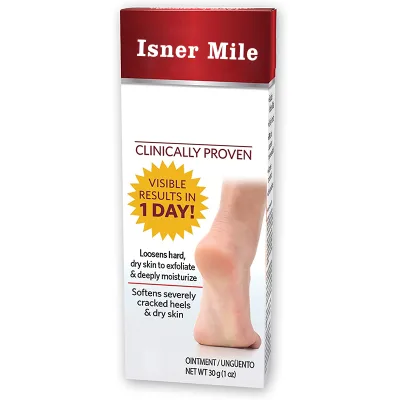
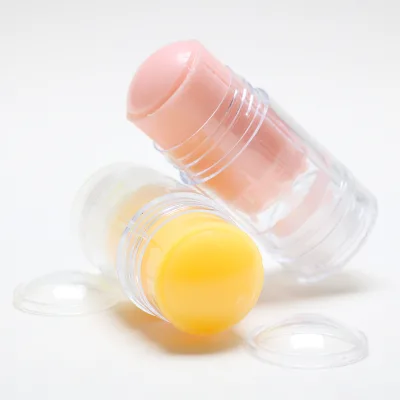


OEM Relief Heel Cracked Foot Cream Boosts Moisture Hydrating Feet Cream
$1.50 - $2.60
MOQ: 1000 Pieces


OEM ODM Foot Moisturizing Cream Cream Moisturizing Foot Sole Protection Cream
$0.80 - $1.00
MOQ: 10000 Pieces

OEM ODM Cherry Blossom Foot Cream Moisturizing Feet in Autumn and Winter
$0.80 - $1.00
MOQ: 10000 Pieces
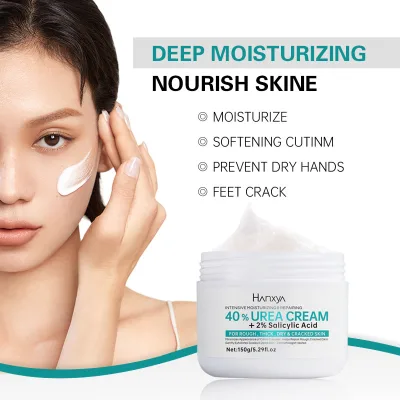


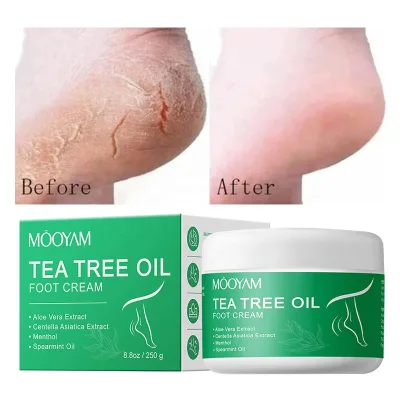
Comprehensive Sourcing Guide
Strategic Sourcing Guide for Hydrating Moisturizing Foot Cream
The global demand for specialized foot care products has surged as consumers increasingly prioritize comprehensive skincare routines that extend beyond the face and hands. Within this expanding market, Hydrating Moisturizing Foot Cream stands out as a critical category for B2B buyers seeking to address chronic issues such as cracked heels, dry skin, and general foot fatigue. Sourcing this specific product type requires a nuanced understanding of formulation diversity, regulatory landscapes, and supply chain logistics. This guide provides a structured approach for procurement professionals to navigate the complexities of sourcing high-quality foot creams, ensuring that the final product meets both consumer expectations and corporate compliance standards.
Understanding Product Formulations and Key Ingredients
The efficacy of a hydrating foot cream is fundamentally determined by its ingredient profile. Unlike general body lotions, foot creams must possess a higher viscosity and a specific blend of emollients and humectants capable of penetrating thick, calloused skin. Based on current market observations, the most effective formulations often rely on a combination of natural organic moisturizers and active repair agents. Common high-confidence ingredients observed in top-performing products include Aloe Vera, Glycerin, and Shea Butter, which provide deep hydration and barrier repair.
Furthermore, specialized foot creams frequently incorporate exfoliating and revitalizing components. Dead Sea Salt is often utilized for its mineral-rich exfoliating properties, while Emu oil and Green Tea extracts are valued for their anti-inflammatory and skin revitalizing capabilities. Some advanced formulations also include Pearl and Vitamin C to address skin lightening and brightening, catering to consumers seeking both texture improvement and aesthetic enhancement. When evaluating potential suppliers, buyers should verify that the "Main Ingredient" list explicitly details these components rather than relying on vague terms like "natural extracts." The presence of specific actives like Aloe Vera and Shea Butter is a strong indicator of a product designed for intensive moisturizing and softening, which are the primary application goals for this category.
Technical Specifications and Packaging Standards
Technical specifications serve as the backbone of any procurement agreement, defining the physical and functional attributes of the product. In the foot cream sector, the standard weight and volume vary significantly to accommodate different market segments. Observed data indicates a wide range of standard sizes, including 40g, 50g, 75ml, 85ml, 100ml, and 150ml. The 40g and 50g formats are often associated with stick or balm applications, ideal for targeted treatment of cracked heels, while liquid or cream formats in 75ml to 150ml ranges are better suited for general foot massage and broad application.
Packaging is equally critical, as it influences product stability, user experience, and logistics efficiency. The standard unit packaging typically involves a single bottle or tube contained within a box, with a gross weight often calculated around 1.000 kg for a single package unit. For bulk shipping, the outer carton specifications must be verified; observed data suggests a single package size of approximately 15x15x10 cm, which is essential for calculating container load and freight costs. Buyers must also consider the "prod_packing" variable, which can range from standard cartons to fully customized packaging solutions. The ability to customize the outer carton and individual bottle labels is a key differentiator for brands seeking to establish a unique market presence.
Compliance, Certification, and Regulatory Verification
Navigating the regulatory landscape is perhaps the most critical step in sourcing foot care products, as these items are classified as cosmetics or medical devices depending on the jurisdiction and specific claims made. A robust supplier must possess a comprehensive suite of certifications to validate their manufacturing processes and product safety. High-confidence certification data for reputable foot cream manufacturers includes CE, FDA, GMP (Good Manufacturing Practice), and MSDS (Material Safety Data Sheet).
The presence of GMP certification is particularly vital, as it ensures that the facility adheres to strict hygiene and quality control standards during production. CE marking indicates compliance with European health, safety, and environmental protection standards, while FDA registration is a prerequisite for selling in the United States. Additionally, the MSDS is essential for logistics, detailing the chemical composition and safety handling requirements for shipping. Buyers should also verify the "Ethylene Oxide Sterilization" status; while many cosmetic products do not require this, some specific formulations or those marketed with medical claims might. It is crucial to confirm whether the product is sterilized or if it relies on other preservation methods, as this impacts shelf life and storage requirements. The validity period of the product is another key compliance metric, with a standard shelf life of 3 years being a common industry benchmark.
Cost Drivers and Pricing Dynamics
The pricing of Hydrating Moisturizing Foot Cream is influenced by a complex interplay of factors, including ingredient quality, packaging complexity, and order volume. The observed market price range for these products typically falls between $0.40 and $3.00 USD per unit. However, this range is highly dependent on the Minimum Order Quantity (MOQ) and the level of customization required.
MOQs in this sector can vary dramatically, ranging from as low as 3 units for sample orders to as high as 10,000 units for large-scale production runs. A typical MOQ for established production is often around 50 pieces, though this can be negotiated based on the supplier's capacity and the buyer's volume commitments. The cost drivers include the complexity of the formula; for instance, a cream containing premium ingredients like Emu oil or Dead Sea Salt will command a higher price point than a basic glycerin-based formula. Additionally, OEM and ODM services, such as custom label printing and private labeling, add to the unit cost but are essential for brand differentiation. Buyers should also factor in trade terms such as EXW, FOB, CIF, CFR, DDP, and DDA, as these dictate who bears the risk and cost of shipping and insurance.
Supplier Evaluation and Customization Capabilities
Selecting the right supplier requires a thorough evaluation of their technical capabilities and flexibility. The ideal partner for sourcing foot cream should offer robust OEM/ODM services, allowing for customized labels, packaging, and even formulation adjustments. The ability to accept "Customized Label" and "Be Customized by Customers" for packaging is a strong indicator of a supplier's adaptability. Buyers should also verify the supplier's location, with many high-volume manufacturers operating out of regions like Guangdong, China, which is a hub for cosmetic manufacturing.
When evaluating suppliers, the "Brand Name" and "Model Number" are useful identifiers. For example, a supplier offering a model like "MS-010" or "FC" with a specific brand name indicates a structured product line. However, buyers must ensure that the supplier does not overpromise on capabilities. While many suppliers claim to offer "All Skin Type" solutions, it is prudent to request samples to verify that the product truly performs as an "Intensive Moisturizer" and "Exfoliator" for the intended demographic, which often includes adults and all ages. The "Service" attribute, specifically "OEM ODM Private Label," should be confirmed in writing to ensure that intellectual property rights are protected during the customization process.
Quality Control and Long-Term Procurement Considerations
Establishing a long-term procurement strategy for foot cream requires a focus on consistent quality control and supply chain reliability. The "Application" of the product is specific, primarily targeting the feet for moisturizing and repair, but some products also extend to hand care. Buyers must ensure that the "Feature" claims, such as "Natural Organic Moisturizing," "Skin Revitalizer," and "Whitening," are substantiated by the actual formulation and not merely marketing fluff.
Quality control should extend beyond the initial sample to include regular audits of the manufacturing process. Key metrics to monitor include the consistency of the "Form" (cream vs. stick), the stability of the "Main Ingredient" blend, and the integrity of the "prod_packing." The "in Stock" status is a critical operational metric; suppliers who maintain a "Yes" status for inventory can offer faster lead times, which is beneficial for restocking popular SKUs. However, buyers should also plan for lead times associated with customized orders, which may be longer than standard stock items.
To mitigate risks, buyers should implement a tiered supplier strategy. This involves maintaining relationships with multiple suppliers who can provide different price points and MOQs. For instance, one supplier might offer high-volume, low-cost production with standard packaging, while another might specialize in small-batch, high-customization orders. Regular testing of the "Valid" period (3 years) and re-evaluation of certifications (CE, FDA, GMP) are necessary to ensure ongoing compliance. Finally, the "Specific Use" of the product should be clearly defined in the procurement contract to avoid any ambiguity regarding the intended market application, ensuring that the product meets the specific needs of the target demographic, whether it is for general foot care or intensive cracked heel repair.
Conclusion
Sourcing Hydrating Moisturizing Foot Cream is a multifaceted process that demands a careful balance of technical knowledge, regulatory compliance, and strategic supplier management. By focusing on key ingredients like Aloe Vera and Shea Butter, verifying certifications such as GMP and FDA, and understanding the nuances of pricing and MOQs, buyers can secure a reliable supply chain for this essential product category. The ability to customize packaging and formulations while maintaining strict quality control standards will ultimately determine the success of a foot care brand in a competitive global market. As the market continues to evolve, staying informed about the latest specifications and supplier capabilities will remain paramount for procurement professionals aiming to deliver high-quality foot care solutions to their customers.
FAQs
What certifications do Hydrating Moisturizing Foot Cream suppliers typically hold?
Suppliers typically hold CE, FDA, GMP, and MSDS certifications for product safety and manufacturing compliance. These credentials ensure the facility adheres to strict hygiene standards and meets international regulatory requirements for cosmetics and medical devices.
How can I customize the packaging for my foot cream brand?
Customization is available for labels, outer cartons, and individual bottle designs to match your brand identity. Buyers can request specific packaging sizes like 40g or 50g sticks, or liquid formats ranging from 75ml to 150ml with tailored branding.
What are the standard weight and volume options for this product?
Standard options include 40g and 50g sticks for targeted heel repair, as well as liquid creams in 75ml, 85ml, 100ml, and 150ml sizes. These variations accommodate different application needs from intensive spot treatment to general foot massage.
Can I order samples with a low minimum order quantity?
Yes, samples can be ordered with an MOQ as low as 3 units, while standard production runs often start at 50 pieces. This flexibility allows buyers to test product quality before committing to larger bulk orders.
What ingredients are commonly used in intensive moisturizing foot creams?
Common ingredients include Aloe Vera, Glycerin, Shea Butter, Dead Sea Salt, Emu oil, and Green Tea extracts. These components provide deep hydration, exfoliation, and skin revitalization specifically designed for thick, calloused foot skin.
Where are the primary manufacturing locations for these foot creams?
Primary manufacturing locations are concentrated in regions like Guangdong, China, which is a major hub for cosmetic production. Suppliers in this area offer competitive pricing and established logistics networks for international trade terms like FOB and CIF.
How long is the shelf life of the moisturizing foot cream?
The standard shelf life for these products is typically 3 years from the date of manufacture. This validity period ensures the product remains effective for moisturizing and repairing cracked heels when stored under proper conditions.