Source Hybrid Tuning Fork Crystal Resonator for Sensors
Compare 30 Hybrid Tuning Fork Crystal Resonator options from verified suppliers. Explore specifications like aging rates, drive levels, and customization for industrial sensor applications.
Key considerations
Products List






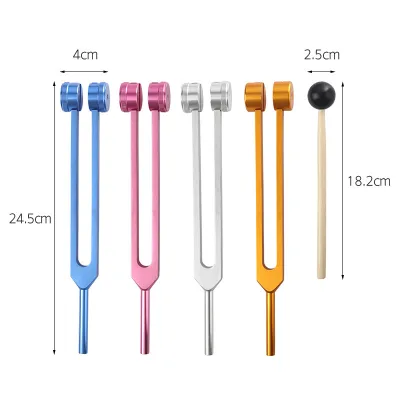
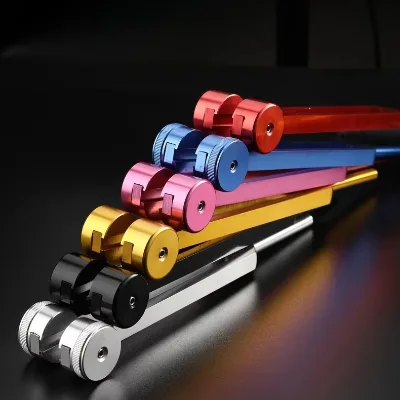
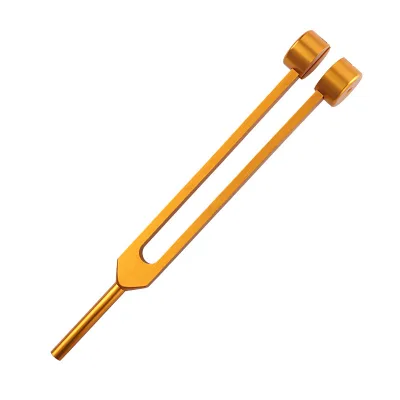
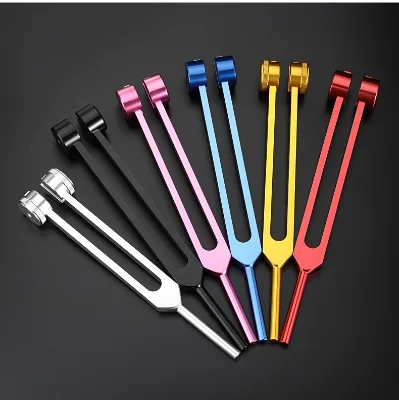


Comprehensive Sourcing Guide
Strategic Sourcing Guide for Hybrid Tuning Fork Crystal Resonators
The procurement of hybrid tuning fork crystal resonators represents a specialized intersection of precision electronics and mechanical sensing technologies. For B2B buyers, navigating this market requires a disciplined approach that distinguishes between the high-frequency stability required for timing applications and the robust mechanical vibration sensing needed for industrial level detection. The term "hybrid" in this context often implies a convergence of quartz crystal resonator technology with mechanical tuning fork structures, or the integration of electronic drive circuits with mechanical sensing elements. Buyers must carefully evaluate the specific product attributes listed in supplier catalogs, as the market contains distinct product lines ranging from 32.768 kHz timing components to industrial vibration sensors. This guide outlines the critical technical, compliance, and operational factors necessary for a successful procurement strategy.
Technical Specifications and Component Architecture
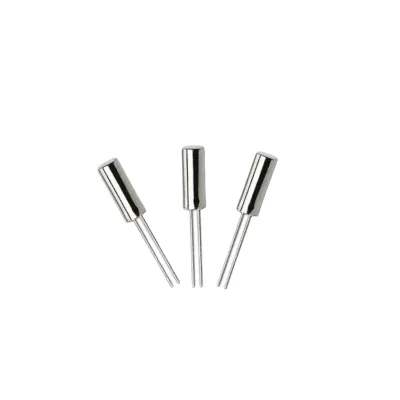
Understanding the technical architecture is the first step in defining procurement requirements. The core of these devices often relies on Quartz Crystal as the primary material, providing the piezoelectric properties necessary for frequency stability or vibration detection. In specific timing applications, the product specifications may list a material composition of Crystal Resonator, often operating at standard frequencies such as 32.768 kHz. These units frequently adhere to specific dimensional standards, such as the 38 mm or 26 mm form factors, which are critical for PCB integration.
For industrial applications, the "hybrid" nature may manifest as a Tuning Fork Level Switch. In these scenarios, the device functions as a Vibration Sensor where the tuning fork acts as the primary sensing element. The drive level for these resonators is a critical parameter; observed data indicates a standard drive level of 10μW, which ensures the crystal operates within its linear region without risking overdrive or fracture. The aging characteristics are equally vital for long-term reliability, with specifications often citing an aging rate of 3ppm/year. This metric determines how frequently the system requires recalibration to maintain accuracy over time.
The structural design also varies significantly between product types. Some units are designed as Split Type structures, which may offer advantages in specific mounting or maintenance scenarios. The connection interface is another key specification; industrial variants often utilize a 1" NPT Thread or Flange connection to ensure compatibility with standard piping systems. Furthermore, the operating environment dictates the required temperature range, with high-performance units capable of functioning between -50°C and +200°C. Buyers must verify that the specific model selected, such as those designated by model numbers like ATFL or YMF-886, meets the thermal and mechanical stress requirements of their specific application.
Compliance, Certification, and Regulatory Standards
In the global B2B market, compliance is not merely a formality but a prerequisite for market access and liability protection. Suppliers of tuning fork resonators and sensors must provide verifiable documentation regarding their adherence to international standards. The observed product data highlights several key certifications that buyers should request and validate. CE certification is a common requirement, indicating conformity with health, safety, and environmental protection standards for products sold within the European Economic Area. Additionally, RoHS compliance is frequently observed, ensuring that the devices are free from specific hazardous materials.
Beyond electronic safety, industrial applications often require food-grade or pharmaceutical compliance. Some product listings indicate FDA and ISO certifications, which are essential for applications in the food and beverage, pharmaceutical, or medical sectors. It is crucial for buyers to distinguish between general industrial certifications and those specific to regulated industries. For instance, a sensor used in a water treatment plant may only require CE and RoHS, whereas a unit used in a pharmaceutical mixing process might mandate FDA approval.
The standards governing these products also vary by application. While some units adhere to a specific standard described as "308 tunning fork crystal resonator 20PPM 12.5pf," others may be classified under "universal" standards for general industrial use. Buyers must verify the specific standard number or designation relevant to their industry. Furthermore, the origin of the product, often listed as Made in China or specifically from regions like Yantai or Shaanxi, should be cross-referenced with the supplier's quality management systems. The presence of ISO certification implies a standardized approach to manufacturing and quality control, which is a strong indicator of reliability.
Cost Drivers and Economic Considerations
The pricing structure for hybrid tuning fork crystal resonators is influenced by a complex matrix of factors, including material costs, manufacturing complexity, and order volume. The observed price range in the market spans from $0.01 to $3500, a variance that reflects the difference between a simple passive crystal resonator and a complete, integrated industrial level sensor system. A basic 32.768 kHz quartz crystal may sit at the lower end of this spectrum, while a fully integrated sensor with a 24 V DC or 220V AC power supply, featuring advanced output capabilities like SPDP, PNP, or NPN relays, will command a significantly higher price.
Minimum Order Quantity (MOQ) is another primary cost driver. The market data indicates an MOQ range from 1 to 10,000 units. For prototyping or small-batch production, buyers may find suppliers offering low MOQs, though the unit cost will likely be higher. Conversely, large-scale production runs can leverage economies of scale, often requiring MOQs of 10,000 pieces per bag. The packaging method also impacts cost; while some suppliers offer standard export cartons, others may provide custom packaging solutions, which can add to the overall expense.
Supply voltage and output configuration also influence the final cost. Units requiring a specific power supply, such as 20-28 VDC with a current draw of 35-45 mA, or those with complex relay outputs, involve more sophisticated internal circuitry. Additionally, the accuracy specifications, such as a measurement accuracy of ±3mm or a test density capability for light materials, can drive up the price due to the precision engineering required. Buyers should carefully balance their need for high accuracy and specific features against their budget constraints, understanding that a "universal" or standard model may be more cost-effective for non-critical applications.
Typical Applications and Industry Use Cases
The versatility of hybrid tuning fork technology allows it to serve diverse industries, from consumer electronics to heavy industrial automation. In the electronics sector, the primary application is timing and synchronization. The 32.768 kHz tuning fork crystal resonator is a standard component in real-time clocks (RTCs) for watches, computers, and portable devices. The low power consumption and high stability of these crystals make them ideal for battery-operated systems where precision timekeeping is essential.
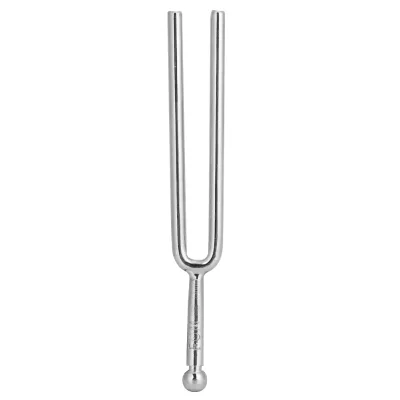
In the industrial sector, the tuning fork design is predominantly used for level detection. The "Vibration Fork Level Sensor" is a common application, where the tuning fork vibrates at a resonant frequency. When the fork comes into contact with a liquid or solid material, the vibration dampens, triggering a switch. These sensors are particularly effective for detecting the presence of liquids in tanks, silos, and hoppers. The ability to handle a wide operating temperature range of -50°C to +200°C makes them suitable for extreme environments, such as cryogenic storage or high-temperature processing lines.
The specific model attributes, such as the "Kind: Level Switch" and "Application: Ent" (likely referring to entry or entrance points in a process), highlight their role in process control. The "Structure: Split Type" and "Connection: 1" NPT Thread" suggest their integration into standard industrial piping. Furthermore, the "Group: Adult" and "Feature: Reusable" attributes in some listings may point to specific medical or laboratory applications where hygiene and reusability are paramount. Buyers must match the specific application requirements, such as the need for a "Light" test density or a specific "Accuracy" of 0.1%, to the correct product model.
Supplier Evaluation and Qualification
Selecting the right supplier is critical for ensuring product consistency and supply chain stability. Buyers should evaluate suppliers based on their ability to provide the specific certifications observed in the market, such as CE, RoHS, FDA, and ISO. The presence of these certifications should be verified through official documentation rather than relying solely on product listings. Additionally, the supplier's origin, whether from Yantai, Shaanxi, or other regions in China, should be considered in the context of their logistical capabilities and quality control history.
The customization capabilities of the supplier are another key evaluation metric. The market data indicates that customization is available, which is a significant advantage for buyers with unique requirements. Suppliers that offer flexible packaging options, such as "Carton or as Your Required," demonstrate a customer-centric approach that can reduce logistics costs and improve inventory management. Buyers should also assess the supplier's ability to meet specific MOQs, as the range from 1 to 10,000 units suggests a flexibility that can accommodate both startups and large manufacturers.
Quality control processes should be a central part of the supplier evaluation. Buyers should inquire about the supplier's testing procedures, particularly regarding the "Aging" rate of 3ppm/year and the "Drive Level" of 10μW. These parameters are critical for ensuring that the product will perform reliably over its intended lifespan. The supplier's warranty terms, such as a 1-year warranty, also provide a safety net for buyers, indicating confidence in the product's durability.
Quality Control and Long-Term Procurement Strategy
Implementing a robust quality control strategy is essential for mitigating risks associated with hybrid tuning fork components. Buyers should establish clear acceptance criteria based on the technical specifications provided, such as the "Measurement Accuracy" of ±3mm or the "Maximum Working Pressure" of 20MPa. Incoming inspection should verify that the received goods match the ordered specifications, including the "Single Gross Weight" of 6.000kg and "Single Package Size" of 45X32X32cm for larger units.
Long-term procurement considerations involve building a sustainable relationship with suppliers who can support ongoing production needs. This includes ensuring a consistent supply of materials, such as Quartz Crystal, and maintaining the availability of spare parts. The "Standard Export Package" and "Export Carton" options suggest that the supplier has experience in international shipping, which is beneficial for global buyers. However, buyers should also consider the "Lead Time" and "Supply Voltage" compatibility to ensure that the procurement process remains smooth and uninterrupted.
Finally, buyers should monitor the market for changes in standards and certifications. As regulations evolve, suppliers must adapt to maintain compliance. By staying informed about the latest industry standards and maintaining open communication with suppliers, buyers can ensure that their procurement of hybrid tuning fork crystal resonators remains compliant, cost-effective, and reliable for years to come. The ability to verify attributes like "Viscometer Reproducibility" of ±0.2% or "Test Density" capabilities ensures that the selected components will continue to meet the rigorous demands of modern industrial and electronic applications.
FAQs
What certifications are available for hybrid tuning fork crystal resonators?
Available certifications include CE, RoHS, FDA, and ISO. Buyers should verify specific documentation for food-grade or pharmaceutical compliance when selecting sensors for regulated industries.
How is the aging rate specified for these crystal resonators?
The aging rate is typically specified as 3ppm per year. This metric determines the frequency stability over time and indicates how often the system may require recalibration for precision applications.
Which drive level ensures safe operation for the tuning fork sensors?
The standard drive level is 10μW. This value ensures the crystal operates within its linear region without risking overdrive or mechanical fracture during continuous industrial vibration sensing.
Can these devices be customized for specific industrial applications?
Customization is available for various product attributes. Suppliers often offer flexible packaging options and can adapt specifications to meet unique requirements for specific industrial or medical use cases.
What is the typical operating temperature range for these sensors?
The operating temperature range spans from -50°C to +200°C. This wide range allows the devices to function reliably in extreme environments, from cryogenic storage to high-temperature processing lines.
Which connection types are supported for industrial level switches?
Supported connections include 1 NPT Thread and Flange interfaces. These standard fittings ensure compatibility with existing piping systems for effective integration into industrial level detection setups.
What is the minimum order quantity for bulk procurement?
The minimum order quantity ranges from 1 to 10000 units. Small batches are available for prototyping, while large-scale production runs often require orders of 10000 pieces per bag.