Source Hydrating Plumping Liquid Lip Gloss for Lips, Makeup, and Beauty
Explore 30 options for a Hydrating Plumping Liquid Lip Gloss featuring customizable formulas and various certifications. Buyers can compare specifications like volume, ingredients, and packaging to find suitable suppliers for lip makeup applications.
Key considerations
Products List


Waterproof Long Lasting Custom Glair High Quality Mini Capsule Lip Gloss
$0.55 - $0.65
MOQ: 1000 Pieces


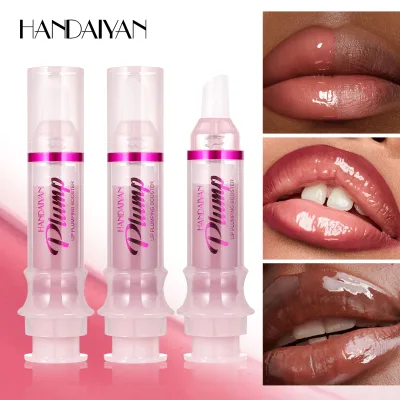


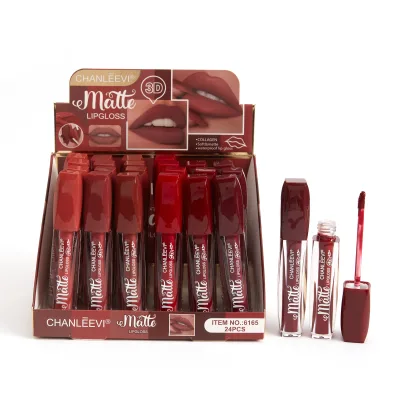
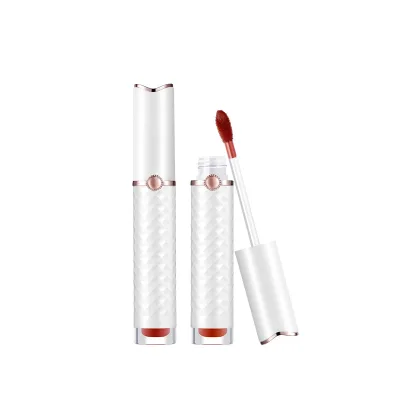
Comprehensive Sourcing Guide
Strategic Sourcing Guide for Hydrating Plumping Liquid Lip Gloss
The global market for cosmetic ingredients and finished beauty products continues to evolve, with a distinct surge in demand for multifunctional lip care solutions. Among these, the Hydrating Plumping Liquid Lip Gloss has emerged as a high-priority category for B2B buyers seeking to differentiate their private label offerings. This guide provides a disciplined, evidence-based approach to sourcing this specific product type, focusing on technical specifications, regulatory compliance, cost structures, and supplier evaluation criteria derived from current market observations.
Technical Specifications and Product Attributes
When evaluating a Hydrating Plumping Liquid Lip Gloss, the first step is to define the precise technical attributes required for the final product. The core formulation must balance immediate visual enhancement with long-term lip health. Based on available market data, the primary physical form for these products is consistently liquid, allowing for the application of gloss that can be either single-color or multi-colored depending on the brand's aesthetic goals.
The functional mechanism of these glosses often relies on specific active ingredients. Observations indicate a diverse range of main ingredients, including mineral components, herbal extracts, and chemical compounds. A notable subset of products incorporates hyaluronic acid and capsicum extract, which are frequently cited for their plumping and hydrating capabilities. The presence of mint flavor is also a common attribute, providing a sensory cooling effect that complements the plumping sensation.
Volume and packaging specifications vary significantly across suppliers. Standard capacities observed in the market range from small sample sizes of 3ml to more substantial 15ml units, with specific models like R-L006 offering 5ml volumes. Packaging materials are equally diverse, ranging from paper boxes and brown boxes to color boxes with shrink film and custom plastic packaging. The "Be Customized Packaging" option is a critical feature for brands aiming to establish a unique shelf presence. Buyers must verify that the selected volume and packaging material align with their target demographic and shipping logistics, as the choice of container directly impacts the product's perceived value and stability.
Compliance and Certification Verification
In the cosmetics industry, regulatory compliance is not merely a formality but a prerequisite for market entry. When sourcing Hydrating Plumping Liquid Lip Gloss, buyers must rigorously verify the certification status of potential suppliers. The market data highlights several key certifications that are frequently associated with reputable manufacturers, including GMPC (Good Manufacturing Practice for Cosmetics), ISO, MSDS (Material Safety Data Sheet), FDA, and GMP.
The presence of these certifications indicates that the supplier adheres to specific quality management systems and safety standards. For instance, GMPC and GMP certifications suggest that the manufacturing environment maintains strict hygiene and process controls. ISO certification implies adherence to international standards for quality management, while FDA registration (where applicable) is essential for products intended for the US market. The MSDS is critical for logistics and safety, detailing the handling, storage, and emergency measures for the chemical components within the gloss.
Buyers should not assume that all listed products possess every certification. Instead, they must request specific documentation for each batch or product line. The variation in certification lists across different product models suggests that compliance may be batch-specific or dependent on the target export market. A robust sourcing strategy involves cross-referencing the supplier's claimed certifications with independent verification or third-party audit reports to ensure authenticity.
Cost Drivers and Pricing Dynamics
Understanding the cost structure of Hydrating Plumping Liquid Lip Gloss is essential for maintaining healthy profit margins. The observed price range in the market spans from $0.25 to $4.02 USD, a wide variance that reflects differences in ingredient quality, packaging complexity, and order volume. Several factors drive these costs.
The primary ingredient composition is a significant cost driver. Products utilizing herbal or specialized mineral ingredients may command a higher price point compared to those relying on standard chemical formulations. Additionally, the inclusion of active plumping agents like capsicum extract or hyaluronic acid can increase the base cost of the formula. Packaging also plays a pivotal role; custom molds, premium materials like colored boxes with shrink film, or unique bottle designs will elevate the unit price compared to standard brown box or paper box packaging.
Order volume is perhaps the most influential factor in determining the final unit cost. The Minimum Order Quantity (MOQ) observed in the market ranges from as low as 2 units to as high as 12,000 units. A standard MOQ of 50 units is frequently cited, but buyers should be prepared for higher thresholds if they require custom formulations or specialized packaging. Larger orders typically benefit from economies of scale, reducing the per-unit cost significantly. Buyers must balance their inventory needs with cash flow constraints, ensuring that the MOQ aligns with their sales projections and storage capabilities.
Typical Applications and Market Positioning
The Hydrating Plumping Liquid Lip Gloss serves a dual purpose in the beauty market: it acts as a cosmetic enhancer and a lip care treatment. The primary application is for lip makeup, specifically targeting consumers who desire a fuller, more voluminous appearance without invasive procedures. The product's ability to hydrate lips while providing a plumping effect makes it suitable for a wide range of demographics, including women seeking daily wear options or special occasion enhancements.
The versatility of the product allows for various market positioning strategies. Single-color glosses are often marketed as classic, everyday essentials, while multi-colored options appeal to trend-conscious consumers looking for vibrant, expressive looks. The inclusion of mint flavor and hydrating properties positions these glosses as functional beauty products, distinguishing them from standard, non-treatment lip glosses.
Furthermore, the customizable nature of these products allows brands to tailor the formula to specific niche markets. For example, a brand targeting the organic beauty sector might prioritize herbal ingredients and eco-friendly packaging, while a mass-market brand might focus on chemical-based plumping agents and cost-effective packaging. The "Used for: Women" attribute indicates a broad target audience, but the specific flavor, color, and ingredient profile can be adjusted to appeal to different sub-segments within this demographic.
Supplier Evaluation and Selection Criteria
Selecting the right supplier is a critical decision that impacts product quality, delivery reliability, and brand reputation. When evaluating potential partners, buyers should look beyond the basic product listing and assess the supplier's capacity for customization and quality control. The availability of customization options, such as private logo placement and formula adjustments, is a key indicator of a supplier's flexibility and commitment to client needs.
Lead time is another crucial metric. Observed lead times in the market range from 25 to 35 days, which buyers must factor into their production and launch schedules. Suppliers with consistent lead times and transparent communication channels are preferable to those with fluctuating delivery windows. Additionally, the shelf life of the product, observed to be up to 36 months, and the Period After Opening (PAO) of 12 months, should be verified to ensure the product remains viable throughout the supply chain.
Buyers should also examine the supplier's track record regarding product models and standards. The existence of specific product models like A-4, lpg1, RH457, and LG023 suggests a structured product line. However, buyers must ensure that the specific model they select meets their technical requirements, particularly regarding the standard volume and packaging material. A supplier that can demonstrate a history of successful customizations and adherence to international standards is more likely to deliver a high-quality product.
Quality Control and Long-Term Procurement Considerations
Ensuring consistent quality is paramount in the cosmetics industry. Buyers should implement a robust quality control (QC) protocol that includes pre-production samples, in-process inspections, and final product testing. The standardization of the product, such as the 3ml or 15ml specifications, should be strictly monitored to prevent deviations that could affect consumer experience.
Long-term procurement considerations involve building a sustainable relationship with the supplier. This includes negotiating favorable terms for repeat orders, establishing clear communication channels for issue resolution, and planning for potential supply chain disruptions. The variability in certifications and ingredients across different product models means that buyers must maintain open dialogue with suppliers to ensure that any changes in formulation or packaging do not compromise product safety or efficacy.
Furthermore, buyers should consider the environmental impact of their sourcing decisions. With the availability of customizable packaging and a range of ingredient options, there is an opportunity to align procurement with sustainability goals. Selecting suppliers who offer eco-friendly packaging materials or ethically sourced ingredients can enhance the brand's value proposition and appeal to environmentally conscious consumers.
Conclusion
Sourcing a Hydrating Plumping Liquid Lip Gloss requires a meticulous approach that balances technical requirements, regulatory compliance, and cost efficiency. By understanding the diverse range of product attributes, from ingredient composition to packaging specifications, buyers can make informed decisions that align with their brand strategy. The wide range of certifications, customizable options, and volume capacities available in the market provides ample opportunity for differentiation. However, success depends on rigorous supplier evaluation, strict quality control, and a clear understanding of the cost drivers that influence the final product price. As the market continues to evolve, maintaining a disciplined, evidence-based sourcing strategy will be essential for navigating the complexities of the beauty industry and delivering high-quality products to consumers.
FAQs
What certifications do these lip gloss products have?
Products typically hold GMPC, ISO, MSDS, FDA, and GMP certifications. Specific models may vary, with some listing only GMPC and MSDS or GMPC and FDA, so verify the exact certification list for each batch before ordering.
Can I customize the formula and packaging for this gloss?
Yes, customization is available for both the formula and the packaging. Buyers can request private logos, specific ingredient profiles like herbal or mineral, and choose from options such as paper boxes, brown boxes, or custom plastic packaging.
What is the typical minimum order quantity for this product?
The standard minimum order quantity is 50 units, though observed ranges span from 2 to 12,000 units depending on the supplier and customization level. Buyers should confirm the specific MOQ required for their chosen product model and packaging.
How long is the lead time for manufacturing orders?
The observed lead time for production is typically between 25 and 35 days. This duration allows for the customization of formulas and packaging, so buyers must factor this window into their overall product launch and inventory planning schedules.
What are the main ingredients used in these plumping glosses?
Main ingredients vary and can include mineral components, herbal extracts, or chemical compounds. Specific formulations often feature hyaluronic acid and capsicum extract for plumping, with mint flavor being a common attribute for a cooling sensory effect.
What volume options are available for the lip gloss packaging?
Standard volumes range from 3ml to 15ml, with specific models offering 4ml, 5ml, or 6.5ml capacities. The packaging material can be plastic, paper, or custom options, allowing buyers to select sizes that match their brand positioning and target demographic.