Source Hydraulic CFA Piling Rig with Kelly Bar For Piling
Explore 30 Hydraulic CFA Piling Rig with Kelly Bar options from Jiangsu, China. Compare specifications like torque, drilling depth, and weight to find suitable models for pile driver and drilling hole filling pile construction projects; compare the available evidence and request quotations based on your requirements.
Key considerations
Products List


$210000.00 - $230000.00
MOQ: 1 Pieces

Durable Modeling Hydraulic Rotary Piling Rig Kr60c Diversified Latest Designs
$210000.00 - $230000.00
MOQ: 1 Pieces


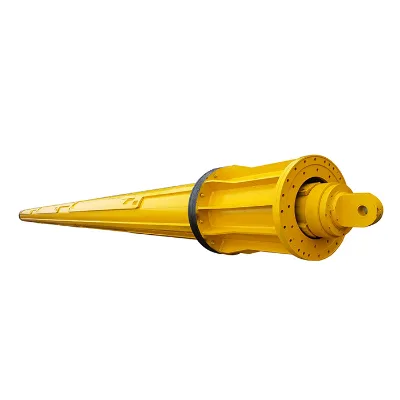
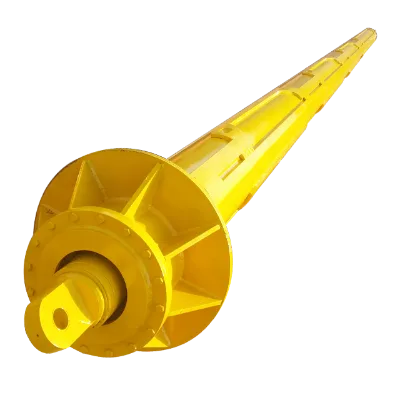
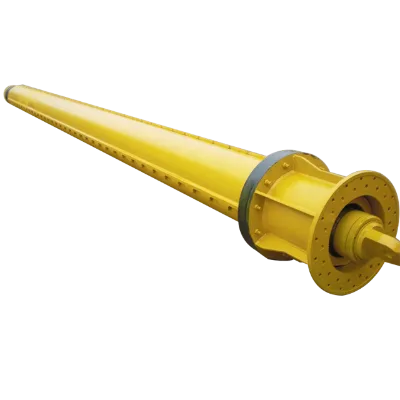


Hydraulic Rotary Pile Driver Piling Rig Cfa Piling Rig for Foundation Piles
$26000.00 - $32000.00
MOQ: 1 Sets


Heavy Duty Hydraulic Piling Rig for Mud and Clay Drilling interlocking kelly bar
$70000.00 - $80000.00
MOQ: 1 Pieces

SDLQ Professional CFA rotary drilling rig with kelly bar pile driver kit cfa auger
$80000.00 - $89800.00
MOQ: 1 Pieces

SDLQ 50 ton rotary piling rig kelly bar 50meter drilling rig machine
$60000.00 - $69800.00
MOQ: 1 Pieces

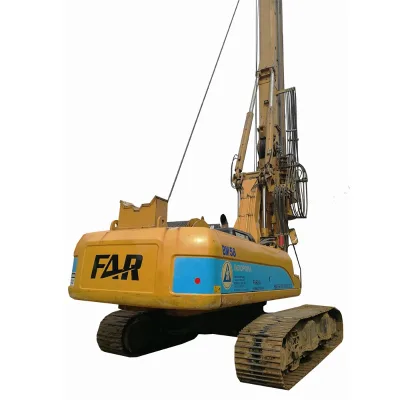




Comprehensive Sourcing Guide
Hydraulic CFA Piling Rig with Kelly Bar Sourcing Guide
Buyers must first distinguish between the specific operational requirements of Continuous Flight Auger (CFA) piling and general rotary drilling, as the supplied data reveals distinct configurations for different depth and diameter needs. The observed listings indicate a range of models, such as the KR220C and KR60, which offer varying torque outputs and crowd pressures to suit projects ranging from 10 to 70 meters in depth. Understanding these specific performance tiers is essential before engaging with suppliers, as a mismatch in torque or drilling depth capabilities can lead to project delays or equipment failure.
Procurement decisions should also account for the physical constraints of the machinery, including operating dimensions and transport requirements. The available units feature operating widths between 2490mm and 4300mm and operating heights exceeding 11 meters, which directly impacts site accessibility and transport logistics. Buyers need to verify that the selected rig, whether packed in bulk or nude, fits within the spatial limitations of their specific job site while ensuring the chassis length and track width allow for stable maneuvering during the pile driving and filling construction process.
Product Scope and Observed Listing Signals
The market listings for hydraulic CFA piling rigs with kelly bars demonstrate a clear segmentation based on drilling diameter and maximum depth capabilities. Some units are engineered for larger diameter holes up to 2000mm with depths reaching 64 meters using friction kelly bars, while others are optimized for smaller diameters around 1000mm with depths up to 20 meters. This variation suggests that buyers must carefully align their project specifications with the machine's maximum drilling depth and diameter limits to ensure the equipment can handle the intended pile construction without exceeding its mechanical design parameters.
Commercial signals in the listings highlight significant variability in pricing and minimum order quantities, with observed prices ranging from 1000 to 700,000 USD and MOQs as low as one set. This wide price spectrum likely reflects differences in engine specifications, such as Cummins power sources, and the inclusion of customization options for color or specific configurations. Buyers should treat these price points as indicative of the equipment's tier and complexity rather than a fixed market rate, requiring detailed negotiation to understand what specific components and services are included in the quoted cost.
Technical Specifications to Verify
When evaluating the core mechanical performance, the torque output and crowd pressure are critical metrics that determine the rig's ability to penetrate various soil conditions. The observed data shows torque ratings ranging from 60 Kn.M to 220 Kn.M, with corresponding crowd pressures between 90 Kn and 210 Kn, which directly influence the efficiency of the auger rotation and the stability of the drilling process. Buyers must verify that the selected model's torque and crowd pressure specifications match the geological challenges of their specific site to prevent equipment stalling or excessive wear on the drill rods and kelly bars.
The physical dimensions and weight of the rig are equally vital for ensuring site compatibility and transport feasibility. Listings indicate operating heights up to 21,236 mm and weights ranging from 22 to 64 tons, with specific track widths like 600mm and chassis lengths around 3900mm. These dimensions dictate the ground bearing pressure and the space required for setup, meaning buyers must confirm that the rig's weight and footprint are suitable for the site's soil bearing capacity and that the overall height allows for safe operation under overhead obstacles or within confined urban environments.
Compliance and Safety Documentation
Safety and regulatory compliance are paramount when importing heavy machinery, and the provided listings confirm that many units carry ISO 9001 and CE certifications. These certifications indicate that the manufacturing processes and product safety standards meet international requirements, which is essential for insurance coverage and regulatory approval in the buyer's region. However, buyers should not assume that all listed units automatically possess every certification mentioned; instead, they must request specific, valid certificates for the exact model being purchased to ensure full compliance with local safety regulations.
Beyond general certifications, specific documentation regarding the engine and power source must be verified to ensure operational safety and environmental compliance. The listings mention Cummins engines and diesel power sources, which are standard for this equipment class, but buyers need to confirm that the specific engine model meets the emission standards required in their jurisdiction. Additionally, the presence of a drag bit type and kelly bar configuration should be cross-referenced with safety manuals to ensure that the operational procedures for drilling and pile filling are clearly defined and adhere to industry safety protocols.
Cost Drivers and Commercial Terms
The total cost of ownership for a hydraulic CFA piling rig is heavily influenced by the engine brand, customization options, and the specific configuration of the drilling mechanism. Listings show that customization is available, which can significantly alter the final price, and the inclusion of high-torque components or specialized kelly bar systems adds to the base cost. Buyers should request a detailed breakdown of these costs to understand how much of the price is attributed to the engine, the drilling depth capabilities, and any custom modifications required for their specific project needs.
Commercial terms such as packing methods and loading ports also play a significant role in the final landed cost and delivery timeline. The observed data indicates options for bulk packing or nude packing, with loading ports specified as Qingdao, which affects shipping logistics and insurance costs. Buyers must clarify whether the quoted price includes the cost of the specific packing method and if there are additional fees for loading at the port, as these factors can vary widely and impact the overall budget and delivery schedule for the equipment.
Supplier Qualification and Quality Control
Supplier qualification should focus on verifying the origin and manufacturing standards of the equipment, as the listings indicate origins in Jiangsu, China, and China generally. Buyers must confirm that the supplier is the actual manufacturer or an authorized distributor with a proven track record of exporting heavy machinery, ensuring that the ISO 9001 certification is valid and applicable to the specific production batch. This verification is crucial to avoid purchasing refurbished or non-compliant units that may not meet the advertised specifications or safety standards.
Quality control processes must be established to ensure that the delivered rig matches the technical specifications provided in the listing. Buyers should insist on pre-shipment inspections that verify critical components such as the torque output, crowd pressure, and the integrity of the kelly bar system. It is also advisable to request test results or performance data for the specific model, such as the KR220C or KR60, to confirm that the machine can achieve the stated drilling depths and diameters under real-world operating conditions before finalizing the purchase.
Long-Term Procurement Checks
Long-term procurement success depends on establishing a clear maintenance and support framework for the hydraulic CFA piling rig. Buyers should verify the availability of spare parts, particularly for high-wear components like the drag bits and kelly bars, and ensure that the supplier offers technical support for troubleshooting and repairs. The operating height and weight of the rig suggest complex maintenance requirements, so having a reliable supply chain for parts and expert assistance is essential to minimize downtime and extend the equipment's operational life.
Finally, buyers must plan for the eventual decommissioning or relocation of the rig, considering its substantial weight and dimensions. The operating width and height, combined with the bulk or nude packing options, require careful planning for transport and storage. Procurement contracts should include clauses regarding the return of the equipment or its resale value, ensuring that the buyer has a clear exit strategy and that the equipment can be safely transported to new sites or disposed of in compliance with environmental regulations.
FAQs
What is the maximum drilling depth for the KR220C model?
The KR220C model achieves a maximum drilling depth of 51 meters using a lock mechanism and 64 meters with a friction kelly bar. This capacity supports deep pile construction projects requiring significant vertical reach and stability for heavy-duty applications.
Which certification standards do these hydraulic rigs meet?
These hydraulic rigs meet ISO 9001 and CE certification standards to ensure quality and safety compliance. Some models also carry RoHS certification, confirming adherence to environmental restrictions on hazardous substances during manufacturing and operation in various international markets.
Can the drilling diameter be customized for specific projects?
Yes, customization is available for drilling diameters ranging from 450 to 1600 millimeters depending on the specific model selected. Buyers can choose between different configurations like the KR220C or KR60 to match their exact operational requirements and site conditions.
What is the minimum order quantity for purchasing a rig?
The minimum order quantity is one set for most models, allowing flexible procurement for individual projects. This low entry threshold enables buyers to acquire a single unit without needing to commit to large bulk orders for initial deployment.
How is the rig packed for shipping from China?
The rigs are typically packed in bulk or nude packs to facilitate efficient loading and transport. This packaging method protects the machinery during transit while minimizing volume, ensuring safe delivery from the Jiangsu origin point to the loading port of Qingdao.
What engine powers the CFA DR-100 rotary drilling rig?
The CFA DR-100 rotary drilling rig is powered by a Cummins diesel engine. This reliable power source ensures consistent performance and durability during continuous operation for pile driving and drilling hole filling construction tasks in demanding environments.
What is the operating width of the KR60 crawler model?
The KR60 crawler model has an operating width of 2490 millimeters, making it suitable for confined workspaces. This compact dimension allows for easier maneuverability on smaller construction sites while maintaining the necessary stability for effective drilling operations.