Source Hydraulic Filter for Medicine, Food, and Industry
Find 30 Hydraulic Filter options for solid-liquid separation, oil impurities, and oil-water separation. Compare specifications like working pressure, filtration accuracy, and material types from verified Chinese manufacturers.
Key considerations
Products List


Fine Filtration Excavator Hydraulic Filter Hydraulic Filter Filter Cartridge
$32.45 - $36.65
MOQ: 10 Pieces


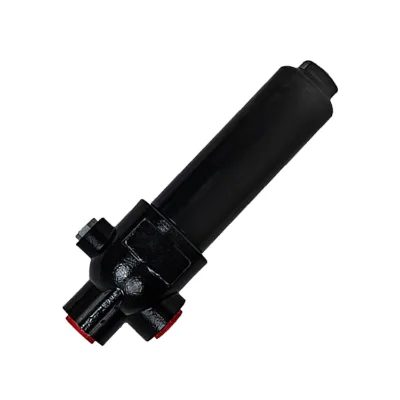

Durable Hydraulic Filter Compatible with Various Hydraulic Systems Sh77073
$15.00 - $30.00
MOQ: 10 Pieces


Hydraulic Oil Filter Engineering Machinery Filter Stainless Steel Suction Filter
$9.90 - $12.80
MOQ: 5 Pieces

High Quality Engineering Machinery Filter Element Hydraulic Oil Filter Element
$20.00 - $40.00
MOQ: 1 Pieces


Comprehensive Sourcing Guide
Hydraulic Filter Sourcing Guide
The Hydraulic Filter market presents a diverse array of components designed for critical fluid management across multiple industrial sectors. Based on observed listings, these filtration units are engineered for applications ranging from medicine and food and beverage processing to heavy industry, metallurgy, and textile manufacturing. Buyers must recognize that while the core keyword is "Hydraulic Filter," the actual product scope includes specialized variants such as suction filters, double filters, and activated carbon filters, each serving distinct separation needs like solid-liquid separation, oil impurity removal, and oil-water separation.
Procurement decisions should begin by acknowledging the variability in mechanical principles and performance claims found in current listings. Some units rely on adsorption mechanisms, while others utilize pressure filtration to achieve efficient separation. The observed product models indicate a wide range of specific designs, from generic suction filters to specialized models like the 9610112-23401-m and 531B0100H02. Understanding these distinctions is vital, as the selection of a filter type directly impacts the operational efficiency of the hydraulic oil circulation system it serves.
Product Scope and Observed Listing Signals
Buyers must carefully distinguish between the various physical configurations and material compositions available in the current market. Listings reveal that filter materials predominantly consist of metal, with specific variants utilizing metal mesh or composite structures like 80% wood pulp fiber and 20% polyester fiber. The structural integrity of these units varies significantly, with observed ratings for structural strength ranging from 1.0MPa up to 21.0MPa, indicating that not all filters are suitable for high-pressure environments without specific verification.
Packaging and origin data provide additional context for logistics and quality expectations. Products are observed to originate from manufacturing hubs in China, specifically Xinxiang, Henan, and Ningbo, Zhejiang, with packaging options ranging from standard packages and paper cartons to wooden crates and custom solutions. The presence of specific model numbers such as 0660 D 003BNHC and GY-OF001 suggests that buyers should expect a high degree of customization, as many suppliers offer tailored solutions rather than a single standardized inventory.
Technical Specifications to Verify
Verification of working pressure and operating temperature is the first critical step in validating a Hydraulic Filter's suitability for a specific system. Observed data points to a working pressure of 145 and an operation temperature of 248 for certain models, yet these figures are not universal across all listings. Buyers must confirm that the selected unit's pressure rating aligns with their system's maximum operating limits, as exceeding these thresholds can lead to catastrophic failure, especially given the observed structural strength ratings that vary from 1.0MPa to 21.0MPa.
Filtration accuracy and connector compatibility are equally essential parameters that require strict adherence to system requirements. The market offers a spectrum of filtration accuracies, including nominal ratings of 50 microns and specific filtration grades such as ULPA and HEPA filters, alongside precision ratings of 1, 3, 6, 12, and 25 microns. Furthermore, the physical interface must match the system, with observed connector types including the 222 Connector and Flat Connector, ensuring that the chosen filter integrates seamlessly into the existing hydraulic oil circulation system without modification.
Compliance and Safety Documentation
While specific certification statuses vary, buyers should prioritize suppliers who can demonstrate adherence to recognized quality management systems. Some listings explicitly mention ISO certification, which serves as a baseline indicator of a supplier's commitment to standardized production processes. However, the absence of a specific certification claim in a listing does not guarantee non-compliance; rather, it necessitates a direct request for documentation to verify that the manufacturing facility meets the necessary safety and quality benchmarks for the intended industrial application.
Safety documentation must also address the specific hazards associated with the filtration medium and the operating environment. Given that these filters are used in sectors like metallurgy and food and beverage, the materials used, such as stainless steel or carbon steel end caps, must be verified for chemical compatibility and corrosion resistance. Buyers should ensure that the supplier provides material safety data sheets (MSDS) or equivalent documentation to confirm that the filter components will not degrade or contaminate the fluid under the specified operating temperatures and pressures.
Cost Drivers and Commercial Terms
The commercial landscape for hydraulic filters is influenced heavily by the level of customization and the complexity of the filtration media. Listings indicate that customization is available, which often drives up the unit cost compared to standard off-the-shelf models. The choice between a standard package and a custom solution, along with the specific material composition like metal mesh versus fiber blends, directly impacts the final price, which is observed to range between 1 and 100 USD depending on the model and specifications.
Minimum Order Quantities (MOQ) and lead times are significant factors that affect the total cost of ownership and supply chain planning. The observed MOQ range spans from 1 to 500 units, offering flexibility for small-scale procurement while potentially requiring larger commitments for bulk industrial orders. Buyers should negotiate terms that align with their inventory strategy, considering that specialized models like the Ceramic filter or specific part numbers may have longer lead times or higher MOQs due to the bespoke nature of their production.
Supplier Qualification and Quality Control
Supplier qualification should focus on the consistency of product attributes and the transparency of their manufacturing capabilities. The observed data shows a mix of origins, including Xinxiang, Henan, and Ningbo, Zhejiang, suggesting a concentrated manufacturing base in China. Buyers should verify the supplier's ability to maintain consistent quality across different batches, particularly when dealing with complex specifications like the 80% wood pulp fiber and 20% polyester fiber composition, which requires precise manufacturing control to ensure uniform filtration performance.
Quality control processes must be validated through the supplier's ability to provide detailed product specifications and performance data. The presence of specific model numbers and standardized packaging descriptions indicates a level of organization, but buyers must go further by requesting test results or performance guarantees for critical parameters like filtration accuracy and structural strength. It is essential to confirm that the supplier can consistently deliver units that meet the stated working pressure and temperature ratings, as deviations in these areas can compromise the entire hydraulic system.
Long-Term Procurement Checks
Establishing a long-term procurement strategy requires regular audits of supplier performance and product consistency over time. Buyers should implement a schedule for reviewing the structural strength and filtration accuracy of delivered units to ensure they continue to meet the original specifications. Given the wide range of observed performance claims, from sophisticated filters to efficient filtration units, ongoing verification is necessary to prevent performance degradation that could lead to system downtime or fluid contamination.
Future-proofing the supply chain involves maintaining a relationship with suppliers who can adapt to evolving industry standards and application requirements. As the market for hydraulic filters expands into new sectors like medicine and food and beverage, the demand for specialized filtration grades such as ULPA and HEPA may increase. Buyers should ensure their suppliers have the capacity to scale production and maintain the necessary certifications, such as ISO, to support these growing needs without compromising on quality or delivery timelines.
FAQs
What is the typical working pressure for these hydraulic filters?
The observed working pressure for these hydraulic filters is 145. This specification indicates the maximum pressure the filter can withstand during operation. Buyers should verify this value against their specific system requirements to ensure compatibility and safety.
What filtration precision options are available for hydraulic filters?
Available filtration precision includes 10 microns, with other options ranging from 1 to 25 microns. The specific precision depends on the model and application needs. Selecting the correct micron rating is critical for removing the appropriate size of contaminants from the hydraulic fluid.
Can hydraulic filters be customized for specific industrial applications?
Yes, customization is available for these hydraulic filters. Suppliers can modify specifications to meet specific system requirements. This includes adjustments to dimensions, filtration ratings, or material composition to ensure the filter integrates effectively into the existing hydraulic circuit.
What materials are commonly used in Hydraulic Filter construction?
Hydraulic filters are often constructed with metal components, including stainless steel or carbon steel end caps. The filtration media may consist of metal mesh or fiber blends. Material selection impacts durability, chemical resistance, and the filter's ability to handle high-pressure environments.
What is the standard packaging for Hydraulic Filter shipments?
Standard packaging typically includes paper cartons or wooden crates. Some suppliers offer standard packages or customized packaging solutions. Proper packaging is essential to protect the filters from damage during transit, especially when shipping internationally or in bulk quantities.
What is the minimum order quantity for hydraulic filters?
The observed minimum order quantity ranges from 1 to 500 units. The specific MOQ depends on the supplier and the product model. Buyers should confirm the exact MOQ with the supplier to align with their inventory needs and budget constraints.
What is the operating temperature range for these hydraulic filters?
The observed operating temperature is 248 degrees. This value represents the maximum temperature the filter can handle under normal operating conditions. Exceeding this temperature may degrade the filter media or damage the housing, so it is important to match the filter to the system's thermal profile.