Source Hydraulic Final Drive for Excavator Applications
Explore 30 listings for Hydraulic Final Drive for Excavator from verified suppliers. Compare specifications like torque, pressure, weight, and displacement to find the right component for your machinery needs across various excavator models and applications; compare the available evidence and request quotations based on your requirements.
Key considerations
Products List


Excavator Hydraulic Travel Motor Travel Gearbox Final Drive for Spare Parts
$50.00 - $199.00
MOQ: 1 Pieces

Excavator Ex60-1 Final Drive Excavator Travel Motor Ex60-2 Final Drive
$499.00 - $999.00
MOQ: 1 Pieces


Factory Supply Excavator Final Drive Hydraulic Final Drive Travel Motor Assy
$499.00 - $999.00
MOQ: 1 Pieces

Excavator Travel Motor Speed Reducer Hydraulic Walking Reducer Final Drive
$499.00 - $999.00
MOQ: 1 Pieces
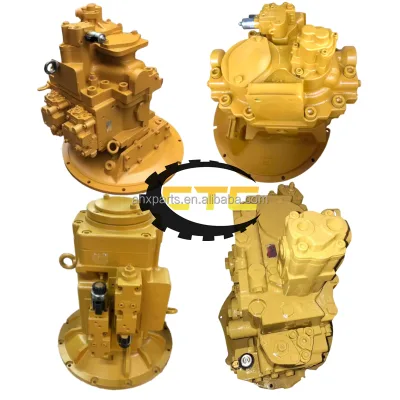


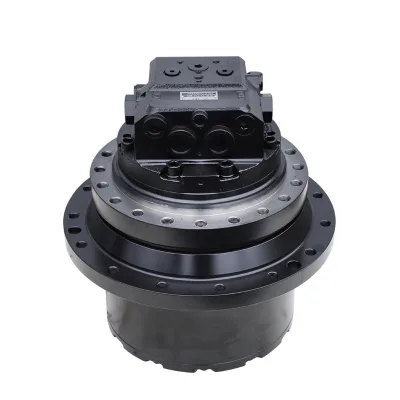
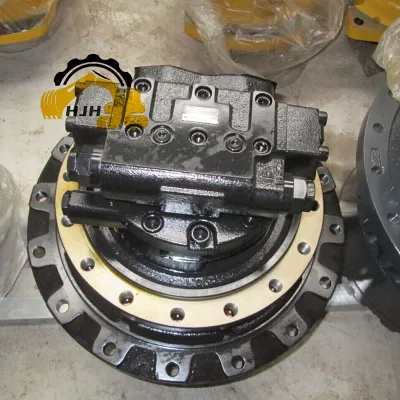
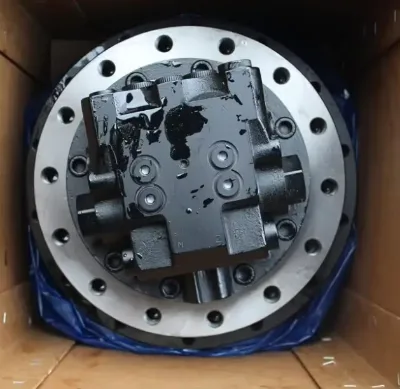
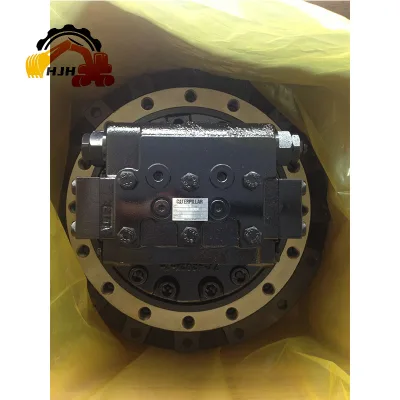


3530611 Final Drive for Cat 320d Hydraulic Excavator Spare Parts for Caterpillar
$500.00 - $1000.00
MOQ: 1 Pieces


$15000.00 - $20000.00
MOQ: 1 Pieces


557-5904 557-5905 5575904 5575905 Final Drive for 336 336gc 345gc Excavator
$5488.57 - $5500.00
MOQ: 1 Pieces

Comprehensive Sourcing Guide
Hydraulic Final Drive for Excavator Sourcing Guide
Procuring hydraulic final drives requires a disciplined approach to matching component specifications with machine operational demands. Buyers must first identify the correct model compatibility, as listed data indicates specific fitments for various excavator series such as the E320, PC200, and EX100. Verifying the exact machine tonnage is critical, with observed listings covering applications from approximately 4.5 tons up to 14-16 tons. This variance dictates the required torque output and displacement, ensuring the selected unit can handle the specific load cycles of the target equipment without premature failure.
Beyond basic compatibility, buyers should evaluate the customization options available from suppliers. Many manufacturers offer tailored solutions, including specific color options like black, red, or gray, and can adjust packaging to meet logistical needs. Understanding whether a supplier provides video outgoing inspections or detailed product specifications helps mitigate the risk of receiving non-conforming goods. This initial due diligence ensures that the procurement process aligns with both technical requirements and supply chain constraints, laying a solid foundation for a successful acquisition.
Product Scope and Observed Listing Signals
The market for hydraulic final drives presents a wide range of product models, including the Igy Series, LTM18B, and various E-series and EX-series variants. Observed listings reveal significant diversity in technical attributes, such as motor displacement ratios and gear ratios, which directly influence performance characteristics. Buyers should note that some units are designed for specific pressure ranges, with maximum working pressures observed around 24.5 MPa or 35 MPa in certain contexts. This variation necessitates careful cross-referencing of part numbers against existing machinery to ensure seamless integration and optimal hydraulic system efficiency.
Packaging and shipping details also provide insight into supplier reliability and operational scale. Standard practices include seaworthy packing, carton with pallet configurations, and independent export packing boxes, all designed to protect the heavy components during transit. Observed weights vary considerably, ranging from 20 kg to 180 kg, reflecting the diverse size classes of final drives available. Additionally, supply abilities are reported in the range of 1500 pieces per month, indicating that many suppliers have the capacity to handle bulk orders. These logistical signals help buyers assess whether a supplier can meet their volume requirements and delivery timelines effectively.
Technical Specifications to Verify
Technical verification is paramount when selecting a hydraulic final drive, with key parameters including output torque, speed, and flow rates. Buyers must confirm that the maximum output torque, such as 24000 N.m or 4900 N.m depending on the model, matches the excavator’s digging forces. Similarly, verifying the maximum flow rate, often cited around 150 L/min, ensures the hydraulic pump can adequately drive the motor. The gear ratio, observed at values like 55.7, determines the speed-torque trade-off, so selecting the correct ratio is essential for maintaining the desired operating speed and power delivery under load.
Displacement and pressure ratings are equally critical for system compatibility. The total displacement, noted in some listings as 4862.6 ml/rev, and motor displacement ratios must align with the machine’s hydraulic circuit design. Maximum pressure ratings, whether 24.5 MPa or higher, define the operational limits of the unit. Buyers should also check for lubrication requirements, as some models specify the need for specific lubricating oils. Confirming these numerical values against the original equipment manufacturer’s specifications prevents mismatches that could lead to overheating, seal failure, or catastrophic mechanical damage during operation.
Compliance and Safety Documentation
Compliance with international standards is a fundamental requirement for industrial machinery components. Buyers should verify that suppliers hold relevant certifications, such as CE and ISO 9001, which indicate adherence to quality management and safety directives. These certifications provide assurance that the manufacturing processes meet recognized benchmarks for consistency and reliability. While specific standard numbers may vary by region, the presence of these marks suggests that the supplier has undergone rigorous auditing and maintains a structured approach to quality control, reducing the risk of procuring substandard or non-compliant parts.
Documentation should also include detailed product specifications and inspection reports. Some suppliers provide video outgoing inspections, offering visual proof of the product’s condition before shipment. This transparency allows buyers to verify that the unit is new, free from defects, and correctly assembled. Additionally, buyers should request technical datasheets that outline the product’s performance curves and maintenance requirements. Ensuring that all necessary documentation is available prior to purchase facilitates smoother customs clearance and simplifies the integration process within the buyer’s existing maintenance and compliance frameworks.
Cost Drivers and Commercial Terms
Cost structures for hydraulic final drives are influenced by several factors, including material quality, manufacturing complexity, and order volume. Observed price ranges are broad, reflecting the diversity of models and specifications available. Buyers should consider the total cost of ownership, which includes not only the purchase price but also shipping, insurance, and potential customs duties. Packaging choices, such as standard exporting packing or specialized seaworthy crates, can impact freight costs, so evaluating these options in the context of the total logistics budget is advisable.
Commercial terms, including minimum order quantities and delivery times, also play a significant role in procurement planning. Some suppliers offer flexible MOQs, while others may have specific requirements for bulk orders. Delivery times are often cited as within 15 days, which is crucial for minimizing machine downtime during repairs. Buyers should negotiate clear terms regarding payment methods, warranty periods, and return policies. Understanding these commercial aspects helps in budgeting accurately and ensures that the procurement process aligns with the buyer’s operational schedule and financial constraints.
Supplier Qualification and Quality Control
Evaluating supplier qualification is essential to ensure long-term reliability and support. Buyers should assess the supplier’s production capabilities, supply ability, and track record in the industry. Suppliers with a stated supply ability of 1500 pieces per month demonstrate the capacity to handle significant orders, which is important for fleet maintenance or large-scale projects. Additionally, verifying the supplier’s location, such as Zhejiang, China, can provide insights into the regional manufacturing ecosystem and potential logistical advantages or challenges.
Quality control measures are a key differentiator among suppliers. Buyers should inquire about the supplier’s internal quality assurance processes, including testing protocols and inspection procedures. The availability of video outgoing inspections is a positive indicator, as it allows for pre-shipment verification of the product’s condition. Furthermore, suppliers who offer customization options and adhere to customer-specific settings demonstrate flexibility and a commitment to meeting diverse buyer needs. Establishing a relationship with a supplier that prioritizes quality and transparency reduces the risk of receiving defective products and ensures consistent performance over time.
Long-Term Procurement Checks
Long-term procurement success depends on establishing robust relationships with reliable suppliers and implementing continuous monitoring mechanisms. Buyers should regularly review supplier performance metrics, including delivery accuracy, product quality, and responsiveness to issues. Maintaining open communication channels allows for the timely resolution of any discrepancies or concerns that may arise during the procurement process. Additionally, staying informed about industry trends and technological advancements helps buyers make informed decisions about future upgrades or replacements.
It is also important to keep detailed records of all procurement activities, including specifications, contracts, and inspection reports. This documentation serves as a valuable reference for future purchases and helps in identifying patterns or recurring issues. Buyers should also consider the availability of spare parts and after-sales support when selecting suppliers. Ensuring that the supplier can provide ongoing technical assistance and replacement parts extends the lifecycle of the hydraulic final drives and minimizes operational disruptions. By focusing on these long-term checks, buyers can build a resilient and efficient supply chain for their excavator maintenance needs.
FAQs
What is the maximum output torque for these travel motors?
The maximum output torque reaches 24000n.M for specific high-capacity models like the IGT24. Other variants offer lower torque ratings, such as 4900nm for smaller units. Buyers should verify the exact torque requirement against their excavator's weight class to ensure adequate performance and durability during heavy digging operations.
Can hydraulic final drives be customized for specific excavator models?
Yes, customization is available for various hydraulic final drive components. Manufacturers support customer settings for standards and specifications to match different excavator brands. This flexibility allows buyers to source parts that fit specific machine dimensions and operational requirements without compromising on quality or compatibility with existing systems.
What certifications are provided for these hydraulic components?
Products typically come with CE and ISO9001 certifications, indicating compliance with international quality and safety standards. These certifications ensure that the manufacturing processes meet rigorous requirements. Buyers can rely on these credentials to verify the reliability and quality of the hydraulic parts before placing bulk orders for their fleet maintenance needs.
What is the typical lead time for delivery?
The standard delivery time is within 15 days for most orders. This quick turnaround supports urgent maintenance needs for construction equipment. Buyers should confirm specific lead times with suppliers, as production schedules and stock levels may vary. Early ordering is recommended to ensure timely arrival and minimal downtime for excavator operations.
How are these travel motors packaged for shipping?
Packaging includes standard seaworthy packing, carton with pallet, and independent export packing boxes. These methods protect the components during sea and air transportation. The packaging is designed to prevent damage and ensure the parts arrive in new condition. Buyers can expect secure handling suitable for international logistics and long-distance shipping routes.
What is the supply ability for these hydraulic parts?
The supply ability is listed as 1500 pieces per month. This capacity supports regular maintenance and large-scale procurement needs. Buyers requiring higher volumes should discuss custom production schedules with suppliers. This monthly output ensures a steady supply chain for ongoing excavator repairs and replacements across various construction sites and projects.