Source Hydraulic Gold Panning Equipment for Sand Mining, Ore Extraction, and Gold Recovery
Compare 30 Hydraulic Gold Panning Equipment units from verified suppliers in China. Options include gravity separators and screening systems for sand gold ore extraction with capacities up to 500tph and various material features like heat and oil resistance.
Key considerations
Products List

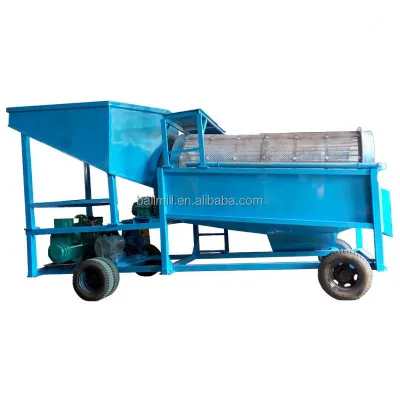
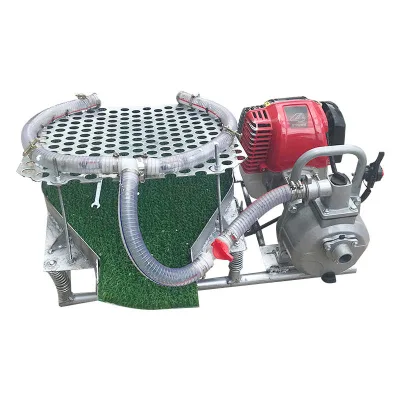
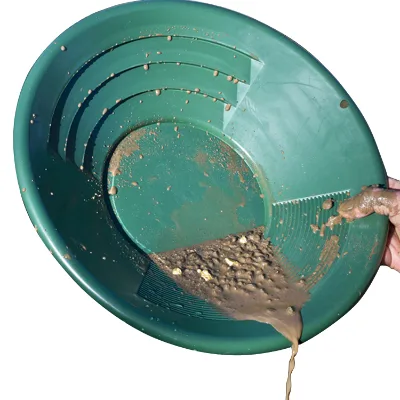
High Gold Recovery Rate Hydraulic Mineral Processing Gold Panning Equipment
$15000.00 - $20000.00
MOQ: 1 Pieces








Comprehensive Sourcing Guide
Strategic Sourcing Guide for Hydraulic Gold Panning Equipment
Understanding the Technical Landscape of Hydraulic Separation
When researching Hydraulic Gold Panning Equipment, buyers must first distinguish between general terminology and specific industrial machinery configurations. The core keyword often refers to gravity separation systems designed for alluvial gold extraction, where water flow and mechanical vibration are the primary separation forces. Based on observed market data, these systems are frequently categorized as Gravity Separators or specialized mining plans. The technical architecture of such equipment varies significantly depending on the intended throughput and the physical characteristics of the ore.
A critical technical observation involves the classification of the separation mechanism. Some units operate with a specific work form, such as Chain Drive, which ensures consistent movement of the screening media. Others may utilize a Wheel-based shifting unit for mobility. The physical dimensions of the machinery are equally variable; observed specifications include models with dimensions reaching 10 meters in length, while others are more compact. The processing capacity is a primary differentiator, with observed ranges spanning from 4 to 500 tons per hour (tph). This wide variance indicates that a single "hydraulic gold panning" unit is rarely a one-size-fits-all solution. Buyers must align the machine's work capacity with their specific site's geological output.
Furthermore, the internal composition of the separator is vital. The mesh material is often specified as High Manganess Steel Wire, chosen for its durability against abrasive sand and gravel. In contrast, the main structural material may be Stainless Steel for corrosion resistance or Casting Steel and Carbon Steel for heavy-duty structural integrity. Some units feature a Platform Material described as 4mm Anti-Skateboard, suggesting a focus on operator safety and stability during operation. The particle size handling capability is another key technical parameter, with observed through-particle sizes ranging from 200mm down to 150mm. This suggests that the equipment is engineered to handle a specific range of ore fragmentation, and buyers must verify if their raw material feed size matches these mechanical tolerances.
Compliance and Certification Verification Protocols
In the global B2B market for heavy mining machinery, compliance is not merely a formality but a prerequisite for operational legality and insurance coverage. When sourcing Hydraulic Gold Panning Equipment, buyers should rigorously verify the certification status of the supplier and the specific units. Observed data indicates that many units carry CE and ISO9001 certifications. However, the presentation of these certifications can sometimes be complex; for instance, certification data may be linked with color specifications, such as "Color: Yellow" or "Color: Silver," which implies that the certification documentation is tied to specific product variants or production batches.
Buyers must understand that the presence of a certification label does not automatically guarantee that every unit in a supplier's catalog meets the same standard. The ISO9001 standard, often referenced as ISO 9001:2015 in broader contexts, signifies a quality management system, but the specific application to the hydraulic separator must be confirmed. The observed data also highlights that some models are defined by their standard dimensions, such as 7.522.7m, while others are defined by their model number, such as ET-50 or SL-GPM100. This suggests that the "standard" compliance may be tied to the specific model's design rather than a universal feature across all hydraulic separators.
Verification should extend beyond the initial product listing. Buyers are advised to request the actual certification documents for the specific model number they intend to purchase. It is essential to confirm that the certification covers the specific voltage requirements of the buyer's location, as observed units often list 220V as a standard operating voltage. Additionally, the origin of the equipment plays a role in compliance; observed data points to origins in Shandong, China, and Qingzhou. Different regions may have different regulatory frameworks regarding export and safety standards. Therefore, the buyer must ensure that the equipment's certification is valid for the destination country's regulatory environment, particularly regarding electrical safety and mechanical guarding.
Cost Drivers and Pricing Structure Analysis
The pricing of Hydraulic Gold Panning Equipment is influenced by a complex matrix of factors, including material composition, processing capacity, and customization requirements. The observed price range in the market is exceptionally broad, spanning from $3 to $100,000 USD. This variance is not indicative of a single product type but rather reflects the spectrum from small-scale portable units to large, industrial-grade processing plants. A unit with a capacity of 500tph will naturally command a significantly higher price than a unit designed for 4tph, even if the basic technology is similar.
Material costs are a primary driver of the final price. Units constructed with Stainless Steel or High Manganess Steel Wire will generally be more expensive than those utilizing Carbon Steel or Casting Steel. The choice of material directly impacts the longevity and maintenance costs of the equipment. For instance, a unit with a "Heat Resistant" or "Oil Resistant" material feature may carry a premium due to the specialized alloys required. Furthermore, the weight of the unit is a significant factor; observed weights range from less than 1 ton to 8 tons. Heavier units require more robust shipping logistics, which can add substantial costs to the total landed price.
Customization is another major cost variable. The observed data confirms that customization is available for these units. Whether it involves altering the size of the roller screen, modifying the number of chutes, or adjusting the work capacity, custom features invariably increase the manufacturing time and cost. The packaging method also influences the price; units shipped in a container may have different cost structures compared to those in a wooden crate or wooden box. Buyers should be aware that the "low" end of the price range may correspond to basic, non-customized models with standard specifications, while the "high" end likely includes fully integrated systems with advanced features like video outgoing-inspection and overseas engineering support.
Typical Applications and Operational Scenarios
The primary application for Hydraulic Gold Panning Equipment is clearly defined in the observed data as Sand Gold Ore Extraction. These systems are engineered for specific usage scenarios, predominantly in sand gold mining environments. The functionality of these machines is multi-faceted, often integrating screening, washing, and gold selection into a single operational flow. This integration is a key selling point for buyers looking to streamline their mining operations and reduce the footprint of their processing plant.
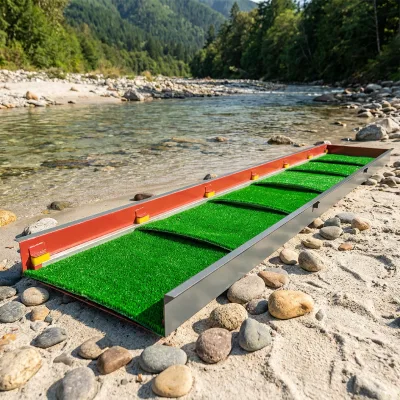
The operational efficiency of these units is often described by their processing capacity, which can be configured for 50, 100, 150, 200, or 300 tons per hour. This flexibility allows the equipment to be deployed in various mining contexts, from small-scale alluvial operations to large industrial sites. The number of chutes is another critical application factor; observed units may feature 3 to 4 chutes, which affects the throughput and the separation efficiency. The type of chute, described as an "Agitate the chute," suggests a mechanism designed to keep the ore in motion and prevent clogging, which is essential for maintaining consistent gold recovery rates.
In addition to the physical separation process, the equipment often includes features that enhance its utility in the field. For example, some units are designed with a "Draught" of 2 inches, which may refer to the suction or flow characteristics necessary for effective separation. The inclusion of an optional centrifuge indicates that the system can be upgraded for finer particle separation, expanding its application to more complex ore types. The "integration" feature mentioned in the data suggests that these units are designed to work seamlessly with other mining equipment, creating a cohesive production line. Buyers should evaluate their specific geological conditions to ensure the equipment's application matches their ore characteristics, particularly regarding particle size and mineral density.
Supplier Evaluation and Quality Assurance
Evaluating a supplier for Hydraulic Gold Panning Equipment requires a deep dive into their quality control processes and after-sales support capabilities. The observed data highlights several key indicators of a reputable supplier. One of the most significant is the provision of video outgoing-inspection. This feature allows buyers to visually verify the condition and assembly of the machinery before it leaves the factory, reducing the risk of receiving damaged or substandard units. Additionally, the availability of engineers to service machinery overseas is a critical differentiator. This service ensures that buyers in remote mining locations have access to technical expertise for installation, troubleshooting, and maintenance.
The condition of the equipment is another vital evaluation criterion. All observed units are listed as "New," which is a standard expectation for industrial machinery, but buyers should verify the manufacturing date and storage conditions to ensure the equipment has not degraded during transit or warehousing. The warranty period, observed as 1 Year, provides a baseline for quality assurance. However, buyers should scrutinize the terms of this warranty, including what components are covered and the response time for service requests.
Supplier location is also a factor in the evaluation process. Observed origins include Shandong, China, and Qingzhou. While these regions are known for manufacturing industrial equipment, buyers should verify the specific factory's reputation and capacity. The "Core Components" of the machinery, such as the Engine, are critical to the overall performance. Buyers should request detailed specifications for these components, including the brand and model, to ensure they meet the reliability standards required for continuous mining operations. The "Material Feature" of the equipment, such as heat or oil resistance, should be verified against the specific environmental conditions of the mining site to prevent premature failure.
Long-Term Procurement and Maintenance Considerations
Procuring Hydraulic Gold Panning Equipment is a long-term investment that requires careful consideration of maintenance, spare parts, and lifecycle costs. The "Energy Saving" attribute observed in the product data is a significant factor in long-term operational costs. Buyers should analyze the energy consumption of the equipment relative to its processing capacity to ensure it aligns with their budget and sustainability goals. The "Condition: New" status implies that the equipment is ready for immediate deployment, but the long-term reliability depends on the quality of the initial build and the availability of replacement parts.
Maintenance is facilitated by the design of the equipment. The "Work Form" of Chain Drive and the "Shifting Unit" of Wheel suggest mechanisms that may require regular lubrication and inspection. Buyers should establish a maintenance schedule that accounts for the wear and tear on the High Manganess Steel Wire mesh and the Anti-Skateboard platform. The "Weight" of the unit, ranging from less than 1 ton to 8 tons, also impacts the logistics of maintenance; heavier units may require specialized lifting equipment for routine inspections.
The "prod_packing" and "prod_standard" details provide insight into how the equipment is protected during transit and how it is assembled on-site. Units packed in a Container or Wooden Crate may require different unloading procedures, which can affect the initial setup time. The "Dimension(LWH)" of the unit must be carefully considered in the context of the mining site's infrastructure. A unit measuring 10510m requires a substantial footprint and may need site preparation, such as leveling and foundation work.
Finally, buyers should consider the scalability of the equipment. The "Processing Capacity" options of 50/100/150/200/300t/h suggest that the supplier offers a range of models. If a buyer's operations are expected to grow, they should evaluate whether the supplier can provide modular upgrades or additional units that integrate seamlessly with the existing system. The "After-Sales Service Provided" by engineers is a crucial long-term asset, ensuring that the equipment remains operational and efficient throughout its lifecycle. By focusing on these long-term factors, buyers can make informed decisions that maximize the return on their investment in Hydraulic Gold Panning Equipment.
FAQs
What certifications are available for Hydraulic Gold Panning Equipment?
Many units carry CE and ISO9001 certifications, though some listings link these to specific colors like yellow or silver. Buyers should verify that the certification covers the specific model and voltage requirements for their location before purchasing.
How is customization handled for these gravity separators?
Customization is available for various features such as roller screen size, number of chutes, and work capacity. Buyers can request modifications to the standard dimensions or material features to match specific site geological output and operational needs.
What is the typical processing capacity range for these machines?
Observed processing capacities range widely from 4 to 500 tons per hour depending on the model. Specific configurations are available for 50, 100, 150, 200, or 300 tons per hour to suit different mining site requirements.
Which materials are used to construct the main components?
Common materials include Stainless Steel, Casting Steel, and Carbon Steel, with mesh often made of High Manganess Steel Wire. Some units feature heat-resistant or oil-resistant material properties to ensure durability in harsh mining environments.
Can buyers verify equipment condition before shipment?
Yes, video outgoing-inspection is provided for many units to allow visual verification of assembly and condition. This service helps ensure the machinery meets quality standards before it leaves the factory in Shandong or Qingzhou, China.
What warranty and after-sales support are offered?
A standard one-year warranty is typically provided for new units. Suppliers often offer engineers available to service machinery overseas, ensuring technical support is accessible for installation and maintenance in remote mining locations.