Source Hydraulic Pipe Hydrostatic Testing Equipment for PE PP-R PVC
Find 30 Hydraulic Pipe Hydrostatic Testing Equipment units with customizable pressure ranges and test stations. Compare specifications for PE, PP-R, and PVC pipe testing across models like MXGJ-10C and CXGJ-10C from Chinese manufacturers.
Key considerations
Products List


Good Price Plastic Pipe Hydrostatic Pressure Tester Testing Equipment
$1800.00 - $11800.00
MOQ: 1 Sets


Hydrostatic Pressure Testing Equipment with Pipe Hydrostatic Testing
$13000.00 - $150000.00
MOQ: 1 Sets


API Steel Pipe Hydro Testing Machine API Hydrostatic Testing Equipment
$5800.00 - $49000.00
MOQ: 1 Sets


Gsy340 Hydrostatic Pipe Testing Machine, Stable Hydro Testing Equipment
$100000.00 - $700000.00
MOQ: 1 Pieces

Gsy180 Hydrostatic Pipe Testing Machine, Oil Pipe Hydrostatic Testing Equipment
$100000.00 - $700000.00
MOQ: 1 Pieces

Steel Pipe Hydrostatic Testing Machine Hydrostatic Tester Hydrotester Machine
$100000.00 - $200000.00
MOQ: 1 Sets

Steel Pipe Hydrostatic Testing Machine /Tube Pressure Testing Machine
$500000.00 - $650000.00
MOQ: 1 Pieces

Water Pressure Testing in Pipes Burst and Pressure Pipe Hydrostatic Burst Testing Machine
$2000.00 - $3000.00
MOQ: 1 Sets
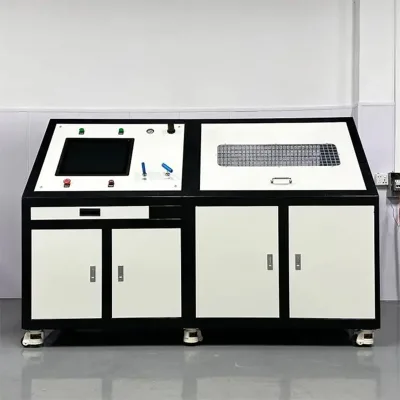


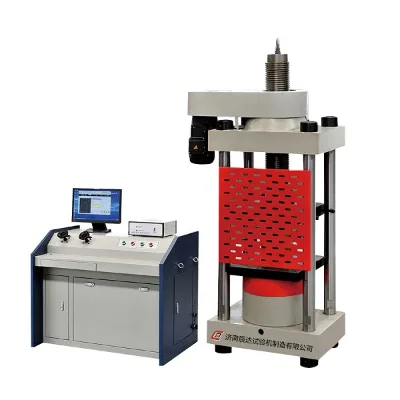
Comprehensive Sourcing Guide
Strategic Sourcing Guide for Hydraulic Pipe Hydrostatic Testing Equipment
Understanding Core Technical Specifications and Operational Capabilities
When sourcing Hydraulic Pipe Hydrostatic Testing Equipment, buyers must first establish a clear understanding of the machine's fundamental technical architecture. The market offers a diverse range of configurations, from compact units to large-scale automated systems. A primary observation in the current supply landscape is the variation in power sources; while many units operate on standard AC220V electric power, some advanced configurations may utilize different electrical inputs or pneumatic drives. The driving mechanism is a critical differentiator, with options ranging from electric and pneumatic systems to those utilizing reciprocating pumps for precise pressure application.
The core functionality of these machines revolves around their ability to subject pipes to high-pressure water environments to verify integrity. The pressure adding range is a vital specification, with observed capabilities spanning from 0.4 MPa up to 10,000 MPa in high-end models. However, specific models often list maximum pressures in discrete increments such as 3, 6, 10, 12, 15, or 40 MPa, which may be customizable based on the client's specific testing requirements. The timing mechanisms are equally sophisticated, offering ranges from 0 to 9,999 hours with a timing precision of 1 second, ensuring that long-duration endurance tests can be executed with high accuracy.
The physical capacity of the testing station is another critical parameter. The mass scope of the workpiece is frequently observed to be under 900 kg, though specific models may have lower limits, such as 100 kg or less, depending on the intended application. The loading method is predominantly static, utilizing electronic load sensors to monitor stress distribution, though some systems may employ different loading strategies. The test stations themselves are highly modular, with configurations available ranging from a single station to as many as forty stations, allowing for high-throughput testing of pipes used in PE, PP-R, and PVC applications.
| Feature Category | Common Observation | Variability Notes |
|---|---|---|
| Power Source | AC220V / Electric | Some units may use pneumatic drives or custom electrical setups. |
| Pressure Range | 0.4 ~ 10,000 MPa | Specific models often cap at 3, 6, 10, 12, 15, or 40 MPa. |
| Timing Precision | 1 second | Range typically 0 to 9,999 hours. |
| Workpiece Weight | <900 kg | Some compact units support <100 kg. |
| Test Stations | 1 to 40 | Configurable based on production volume needs. |
| Pipe Diameter | D16mm to D1200mm | Specific models may limit max diameter to <500mm. |
Compliance, Certification, and Regulatory Standards
Navigating the regulatory landscape is essential for ensuring that purchased equipment meets international safety and quality benchmarks. In the global market, certifications such as CE and ISO are frequently cited as standard compliance markers for this category of machinery. These certifications indicate that the equipment has undergone specific evaluations regarding electrical safety, mechanical integrity, and operational reliability. Buyers should verify that the supplier provides valid documentation for these certifications, as they are often prerequisites for importing machinery into regulated markets.
Beyond general certifications, the equipment must adhere to specific industry standards regarding its construction and performance. While specific standard codes vary by region, the physical dimensions of the machinery are often standardized to facilitate shipping and installation. Observed standard dimensions for certain models include configurations like 15008001200 mm or 1200*2440 mm. However, it is crucial to note that "Customization" is a prevalent attribute in this sector, meaning that standard dimensions may be altered to fit specific facility layouts or testing protocols.
The accuracy grade of the equipment is another compliance factor. Systems are often categorized by their control mechanisms, with "Computer Control" being a high-confidence attribute for modern units, offering superior data logging and precision compared to older needle-display models. The automatic grade is typically classified as "Automatic," reducing human error during the testing cycle. Buyers must ensure that the claimed accuracy grade aligns with the precision required for their specific pipe material testing, whether for carbon steel, stainless steel, or plastic polymers.
Cost Drivers and Pricing Structure Analysis
The pricing structure for Hydraulic Pipe Hydrostatic Testing Equipment is highly variable, reflecting the complexity of the machinery and the level of customization required. The observed price range in the market spans from approximately 150 USD to 700,000 USD. This vast disparity is not indicative of quality differences alone but rather reflects the scale of operation, the number of test stations, and the maximum pressure capabilities of the unit. A basic single-station unit designed for small-diameter plastic pipes will naturally fall at the lower end of this spectrum, while a multi-station, high-pressure system capable of testing large-diameter steel pipes will command a premium price.
Several key factors drive these costs. First, the customization level is a primary cost driver. While many units are available as standard models, the ability to customize the maximum pressure, test station count, and workpiece diameter adds significant engineering and manufacturing costs. Second, the material of the workpiece being tested influences the price; systems designed for high-strength materials like carbon steel or stainless steel require more robust pressure vessels and hydraulic systems than those for plastic pipes. Third, the control system complexity, such as the inclusion of computer control versus manual or semi-automatic systems, impacts the final price.
The minimum order quantity (MOQ) is another consideration in the total cost of ownership. The observed MOQ range is typically between 1 and 3 units, suggesting that buyers can often procure a single unit for pilot testing or small-scale operations. However, bulk orders may offer different pricing structures or lead times. Buyers should also consider the packaging requirements, as units are shipped in plywood cases or containers, which can add to the logistics cost depending on the destination.
Typical Applications and Material Compatibility
The versatility of Hydraulic Pipe Hydrostatic Testing Equipment makes it suitable for a wide array of industrial applications. The primary usage involves testing pipes made from various materials, including PE (Polyethylene), PP-R (Polypropylene Random Copolymer), and PVC (Polyvinyl Chloride). These materials are ubiquitous in water supply, gas distribution, and irrigation systems, where pressure integrity is non-negotiable. The equipment is also capable of handling metal pipes, with specific models designed for carbon steel and stainless steel, catering to the oil and gas, chemical processing, and heavy manufacturing sectors.
The range of pipe diameters supported by these machines is extensive, covering sizes from D16mm up to D1200mm or even 1200mm in larger configurations. This breadth allows a single facility to test a wide variety of products without needing multiple specialized machines. The maximum diameter of the workpiece is often customizable, enabling buyers to tailor the equipment to their specific product lines. For instance, a facility specializing in small-diameter plumbing pipes may require a system optimized for diameters under 500mm, while a large-scale infrastructure supplier may need a system capable of handling diameters up to 1200mm.
The theory of operation also dictates the application. Some machines utilize frequency welding principles for specific testing scenarios, while others rely on reciprocating pump theories to generate the necessary pressure. The oil cylinder position, often located under the testing platform, is designed to provide stable and uniform pressure application. These technical nuances ensure that the equipment can perform accurately across different material types and pressure requirements, making it a versatile asset for quality control departments in pipe manufacturing plants.
Supplier Evaluation and Geographic Considerations
When evaluating potential suppliers, buyers should prioritize those with a proven track record in manufacturing hydraulic testing equipment. The origin of the machinery is a significant factor, with China, specifically cities like Jinan, emerging as a major hub for this type of industrial equipment. Many suppliers list their origin as "China Jinan or Others," indicating a concentration of manufacturing expertise in this region. Buyers should verify the specific location of the supplier, as this can impact shipping logistics, lead times, and after-sales support availability.
The condition of the equipment is another critical evaluation point. The market predominantly offers "New" condition machinery, ensuring that buyers receive fully functional units with the latest technological features. However, buyers should be wary of suppliers who do not clearly state the condition or who offer refurbished units without transparent documentation. The customization capabilities of the supplier are also a key differentiator. Suppliers that offer "Customized" options for models, dimensions, and pressure ranges demonstrate a higher level of engineering capability and flexibility.
Supplier reliability can be assessed by examining their product models and standard offerings. Models such as MXGJ-10C, CXGJ-10C, and CJGJ-10m-5 represent specific product lines that may have established reputations in the market. Buyers should request detailed specifications for these models to ensure they meet their operational needs. Additionally, the supplier's ability to provide comprehensive documentation, including user manuals, maintenance guides, and certification records, is a strong indicator of their professionalism and commitment to customer support.
Quality Control and Long-Term Procurement Strategy
Implementing a robust quality control strategy is essential when procuring Hydraulic Pipe Hydrostatic Testing Equipment. Buyers should verify the accuracy grade and automatic grade of the machinery before finalizing a purchase. The presence of computer control systems is a strong indicator of high precision, but buyers must also ensure that the system includes proper calibration procedures and data logging capabilities. The timing precision of 1 second is a standard benchmark that should be maintained across all purchased units to ensure consistent test results.
Long-term procurement considerations extend beyond the initial purchase price. Buyers should evaluate the maintenance requirements of the equipment, including the availability of spare parts and the ease of access to critical components like oil cylinders and pumps. The packing method, whether plywood case or container, can also influence the longevity of the equipment during transit and storage. Ensuring that the equipment is packed securely to prevent damage is a crucial step in the procurement process.
Furthermore, buyers should consider the scalability of the equipment. As production volumes increase, the ability to upgrade the number of test stations or the pressure range of the machine can save significant capital expenditure in the long run. The "Customization" attribute observed in many models suggests that suppliers are willing to adapt their equipment to meet evolving production needs. By selecting a supplier that offers flexible customization options, buyers can future-proof their investment and ensure that the equipment remains relevant as their testing requirements change over time.
In conclusion, sourcing Hydraulic Pipe Hydrostatic Testing Equipment requires a meticulous approach that balances technical specifications, compliance requirements, cost considerations, and supplier reliability. By carefully evaluating the factors outlined in this guide, buyers can make informed decisions that align with their operational goals and ensure the long-term success of their quality control processes. The diversity of options available in the market, from compact single-station units to large-scale automated systems, provides ample opportunity to find a solution that perfectly matches the specific needs of any pipe manufacturing or testing facility.
FAQs
What is the maximum pressure range for this equipment?
The pressure adding range spans from 0.4 to 10,000 MPa, with specific models offering customizable maximum pressures of 3, 6, 10, 12, 15, or 40 MPa. This flexibility allows the machine to handle various pipe materials and testing standards effectively.
Which pipe materials can this machine test?
This equipment is designed to test PE, PP-R, and PVC pipes, as well as carbon steel and stainless steel varieties. The system accommodates different material properties to ensure integrity verification across diverse industrial applications.
How many test stations are available for this unit?
The machine supports a configurable number of test stations ranging from 1 to 40, with specific options including 3, 6, 8, and 10 stations. This modularity allows buyers to scale testing throughput according to their production volume requirements.
Can the machine be customized for specific pipe diameters?
Yes, customization is available for pipe diameters ranging from D16mm up to D1000mm or 1200mm, with some models supporting diameters under 500mm. Buyers can request specific configurations to match their exact product line needs.
What is the timing precision for the testing cycles?
The timing precision is set at 1 second, with a total timing range extending from 0 to 9999 hours. This high precision ensures accurate long-duration endurance testing for both plastic and metal pipe products.
Which certifications does the equipment typically hold?
The equipment typically holds CE and ISO certifications, indicating compliance with international safety and quality benchmarks. These certifications are essential for ensuring the machinery meets regulatory requirements for import and operation in various global markets.