Source Child Resistant Edibles Storage Jar for Spices, Creams, and Powders
Compare 30 Child Resistant Edibles Storage Jar options from verified suppliers. These glass containers feature child-resistant caps and are suitable for storing dry flowers, spices, and creams in household or factory settings; compare the available evidence and request quotations based on your requirements.
Key considerations
Products List

Child Resistant Lid Mini Empty Colorful Airtight Glass Food Storage Container Jars
$0.12 - $0.15
MOQ: 5000 Pieces


China Wholesale Childproof Round Glass Storage Jars with Child Resistant Lids
$0.12 - $0.15
MOQ: 5000 Pieces


Childproof Food Storage Glass Jar/Container with Black Child Resistant Lid
$0.10 - $0.80
MOQ: 5000 Pieces


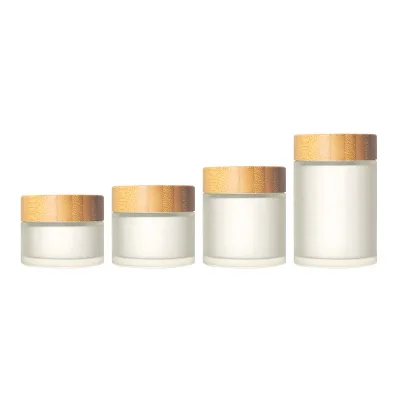

3ml 5ml 7ml 9ml Shatter Wax Resin Jars Packaging Child Resistant Concentrate Jars
$0.09 - $0.25
MOQ: 2000 Pieces

5ml Clear Glass Concentrate Container Jar with Child Resistant Screw Lid
$0.10 - $0.25
MOQ: 2000 Pieces


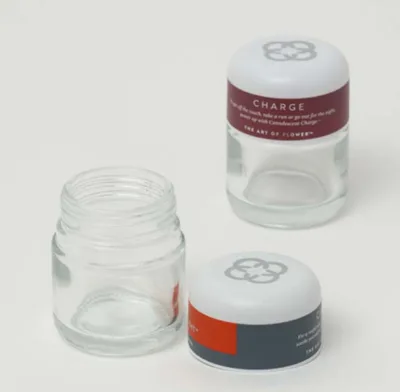


5ml Child Resistant Packaging Clear Glass Concentrate Jar with Black Childproof Lids
$0.08 - $0.19
MOQ: 1000 Pieces
Comprehensive Sourcing Guide
Child Resistant Edibles Storage Jar Sourcing Guide
Procuring child-resistant edibles storage jars requires a rigorous approach to safety compliance and material integrity, as these containers serve as the primary barrier against accidental ingestion by minors. Buyers must prioritize suppliers who demonstrate a clear understanding of regulatory frameworks governing packaging for consumable products, ensuring that every unit meets stringent safety thresholds. The market offers various configurations, from simple twist lids to complex locking mechanisms, each presenting different levels of security and user convenience.
This guide outlines the critical steps for evaluating suppliers, verifying technical specifications, and managing commercial risks associated with bulk procurement. By focusing on observable listing signals and documented certifications, buyers can mitigate the risk of sourcing non-compliant products. The following sections provide a structured framework for decision-making, emphasizing the importance of due diligence in every stage of the sourcing process, from initial supplier qualification to final quality control checks.
Product Scope and Observed Listing Signals
The current market landscape for child-resistant storage solutions includes a variety of glass and plastic containers designed for dry flowers, spices, powders, and edible products. Observed listings frequently highlight features such as airtight sealing, leak-proof construction, and odor containment, which are essential for preserving product freshness and potency. Suppliers often offer customizable options, including logo printing via silk screen, hot stamping, or decals, allowing brands to maintain visual identity while ensuring functional safety.
Common product attributes include round bottle shapes, clear or transparent glass materials, and lids made from plastic in colors like black, white, or green. Standard sizes range from 1oz to 18oz, with some suppliers offering metric equivalents such as 5ml, 7ml, and 9ml. Buyers should note that while many products claim eco-friendly status or customized production capabilities, these attributes vary by supplier and must be verified through direct communication rather than assumed from general listing descriptions.
Technical Specifications to Verify
Verifying the mechanical integrity of the closure system is paramount, as the child-resistant feature must withstand specific force and manipulation tests. Buyers should request detailed specifications regarding the sealing type, such as child-resistant caps, twist lids, or screw lids, and confirm whether the design includes single-wall or double-wall construction. It is crucial to ensure that the closure mechanism is not only secure but also user-friendly for adults, balancing safety with ease of access for legitimate consumers.
Material composition and surface treatment also play significant roles in product performance. Glass jars should be inspected for clarity, thickness, and resistance to thermal shock, while plastic lids must be evaluated for durability and chemical resistance. Surface treatments like bright, matte, frosted, or color coating finishes can affect grip and aesthetics, so buyers should request samples to assess tactile quality. Additionally, confirming the packing method, whether in cartons or pallets, helps in planning logistics and minimizing damage during transit.
Compliance and Safety Documentation
Documentation is the cornerstone of compliant procurement, requiring buyers to obtain certificates that verify adherence to international safety standards. Suppliers may provide ISO or CE certifications, which indicate that their manufacturing processes and quality management systems meet recognized benchmarks. However, buyers must distinguish between general quality certifications and specific packaging safety standards, ensuring that the child-resistant mechanism itself has been tested and validated by accredited third-party laboratories.
Buyers should also inquire about test reports that demonstrate the container’s ability to resist opening by children under five years of age while remaining accessible to adults. These reports should detail the testing methodology, sample size, and pass/fail criteria. Without such documentation, there is a significant risk of non-compliance with regional regulations, which could lead to product recalls, legal liabilities, and reputational damage. Therefore, verifying the authenticity and scope of all provided certifications is a non-negotiable step in the sourcing process.
Cost Drivers and Commercial Terms
Several factors influence the final cost of child-resistant storage jars, including material quality, customization complexity, and order volume. Customized features such as specific logo printing techniques, unique cap colors, or non-standard sizes typically incur higher unit prices due to setup costs and reduced production efficiency. Buyers should also consider the impact of packaging requirements, as reinforced carton or palletized shipping may add to the overall expense but reduce the risk of transit damage.
Minimum order quantities (MOQs) vary significantly among suppliers, ranging from 500 to 10,000 pieces, which affects cash flow and inventory management. Larger orders often benefit from economies of scale, lowering the per-unit cost, but require careful demand forecasting to avoid excess stock. Additionally, freight costs, whether by sea or air, and sample fees should be factored into the total cost of ownership. Buyers are advised to negotiate clear terms regarding sample availability and return policies to minimize upfront financial risks.
Supplier Qualification and Quality Control
Selecting a reliable supplier involves assessing their production capabilities, quality control processes, and track record in the packaging industry. Buyers should verify the supplier’s origin, such as Shandong, China, and evaluate their factory’s capacity to handle large volumes consistently. It is essential to confirm that the supplier has a dedicated quality assurance team that conducts regular inspections during production and before shipment, ensuring that every batch meets the agreed-upon specifications.
Requesting references or case studies from previous clients can provide insights into the supplier’s reliability and responsiveness. Buyers should also establish clear communication channels for addressing any issues that arise during the production or delivery process. Implementing a robust quality control plan, including pre-shipment inspections and random sampling, helps ensure that the received goods match the approved samples in terms of design, functionality, and safety features.
Long-Term Procurement Checks
Sustaining a successful sourcing relationship requires ongoing monitoring of supplier performance and product quality over time. Buyers should conduct periodic audits or reviews to ensure that the supplier continues to meet compliance standards and maintains consistent product quality. This includes verifying that any changes in materials, manufacturing processes, or design elements are communicated and approved in advance, preventing unexpected deviations from the agreed specifications.
Regular feedback loops with internal stakeholders, such as quality assurance and logistics teams, help identify potential issues early and facilitate continuous improvement. Buyers should also stay informed about evolving regulatory requirements and industry best practices, adjusting their sourcing strategies accordingly. By maintaining a proactive approach to supplier management and quality control, buyers can ensure a steady supply of safe, compliant, and high-quality child-resistant storage jars for their products.
FAQs
What materials are used for child resistant edibles storage jars?
These jars are primarily constructed from clear glass with plastic lids. The glass body provides a durable and transparent storage solution, while the plastic closure ensures a secure child-resistant seal. This combination offers a robust container suitable for various dry goods and powders without compromising safety or product visibility.
Can I customize the logo on these glass storage jars?
Yes, logo printing is fully customizable using silk screen, hot stamping, decal, or label methods. Buyers can also select specific cap colors such as black, white, or green. Surface treatments like matte or frosted finishes are available to meet specific branding requirements for your product packaging needs.
What is the minimum order quantity for these jars?
The standard minimum order quantity is typically 5000 pieces, though some listings indicate 1000 pieces. Buyers can contact suppliers directly to inquire about smaller quantities if needed. This flexibility allows for varied procurement strategies depending on initial inventory requirements and specific supplier capabilities.
Which certifications do these storage jars hold?
Manufacturers often provide ISO and CE certifications for these glass containers. These standards verify compliance with quality and safety regulations for production. Buyers should verify specific documentation with suppliers to ensure the products meet regional regulatory requirements for food or cosmetic storage applications.
How are these jars packed for shipping?
The jars are packed in cartons and pallets for secure transport. This packaging method protects the glass from breakage during transit. Buyers can arrange sea or air freight based on urgency and volume. Proper palletization ensures efficient handling and minimizes damage risks during international shipping logistics.
What sizes are available for these child resistant jars?
Standard sizes range from 1oz to 18oz, with common options including 1oz, 2oz, 3oz, 4oz, 5oz, and 6oz. Customizable standards are also available to fit specific volume needs. This variety allows buyers to select the appropriate capacity for different products like spices, powders, or creams.