Source Hydraulic Thumb for Excavators, Loaders, and Grapples
Explore 30 Hydraulic Thumb options suitable for 4-45 ton excavators. Buyers can compare specifications like oil flow, pressure, and weight to find the right attachment for their machinery.
Key considerations
Products List


$500.00 - $8000.00
MOQ: 1 Pieces


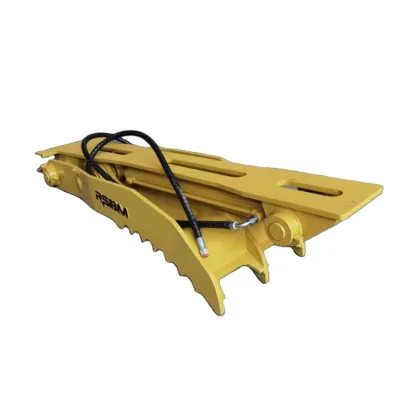
Excavator Attachments Bucket Thumb Hydraulic Thumb for Construction Machinery
$2300.00 - $17000.00
MOQ: 1 set




Comprehensive Sourcing Guide
Strategic Sourcing Guide for Hydraulic Excavator Thumbs
Procuring a Hydraulic Thumb attachment requires a disciplined approach that balances technical compatibility with rigorous supplier verification. The global market for excavator attachments is vast, yet specific parameters often dictate the success of a procurement cycle. Buyers must navigate a landscape where product attributes vary significantly between models, and where assumptions about standardization can lead to operational failures. This guide outlines the critical factors for sourcing hydraulic thumbs, drawing on observed market data and technical specifications to ensure a robust purchasing strategy.
Technical Specifications and Compatibility Matrix
The primary challenge in sourcing a Hydraulic Thumb is ensuring precise compatibility with the existing excavator fleet. The market data reveals distinct product tiers defined by the weight class of the host machine. Specifications are not universal; they are engineered for specific tonnage ranges. For instance, a model designated for 4-6 ton excavators presents a weight of approximately 100 kg, with an oil flow range of 30-55 L/Min and an oil pressure requirement between 110-140 Kg/Cm². In contrast, units designed for 7-11 ton machines increase in weight to 150 kg, requiring a higher oil flow of 50-100 L/Min and operating pressures of 120-160 Kg/Cm².
For heavier operations involving 12-16 ton excavators, the specifications escalate further. These units weigh around 200 kg and demand an oil flow of 90-110 L/Min with a set-up pressure of 190 Kg/Cm². The observed data also indicates a broader category covering 1-45 ton excavators, where weight can range from 150 kg to 1850 kg depending on the specific configuration. Buyers must verify that the hydraulic system of their excavator matches the oil flow and pressure requirements of the thumb. Mismatching these parameters can result in insufficient actuation speed or catastrophic hydraulic failure.
The following table summarizes the observed specification ranges for different excavator classes based on available market data:
| Suitable Excavator Weight | Observed Unit Weight | Oil Flow Range (L/Min) | Oil Pressure (Kg/Cm²) | Set-up Pressure (Kg/Cm²) |
|---|---|---|---|---|
| 4-6 Ton | 100 Kg | 30-55 | 110-140 | 170 |
| 7-11 Ton | 150 Kg | 50-100 | 120-160 | 180 |
| 12-16 Ton | 200 Kg | 90-110 | 150-170 | 190 |
| 1-45 Ton (General) | 150-1850 Kg | Variable | Variable | Variable |
Compliance and Certification Verification
In the B2B machinery sector, certification is not merely a formality but a critical indicator of manufacturing quality and safety compliance. The supplied data confirms that CE certification is a prevalent standard for these hydraulic attachments. Some listings also reference ISO9001:2015 compliance, indicating that the manufacturer adheres to international quality management systems. However, buyers should not assume that every listed product carries these certifications without explicit verification.
The presence of "CE" on a product listing suggests conformity with European health, safety, and environmental protection standards, which is often a prerequisite for importing machinery into many jurisdictions. When evaluating suppliers, procurement teams must request valid certification documents rather than relying solely on marketing claims. The observation of "Condition: New" alongside these certifications reinforces the expectation that the product is a fresh manufacturing unit, not a refurbished item, unless explicitly stated otherwise.
Furthermore, material standards play a vital role in the longevity of the attachment. The data indicates the use of Nm400 and Q345b steel for construction. Nm400 is a high-strength wear-resistant steel, essential for the cutting edges and teeth that endure abrasive contact with rocks and debris. Q345b is a low-alloy high-strength structural steel, providing the necessary tensile strength for the main frame and linkage. Buyers should verify that the material composition matches these specifications, as the use of inferior steel grades can lead to premature cracking or deformation under high-load conditions.
Cost Drivers and Pricing Variables
The pricing for hydraulic thumbs is highly variable, reflecting the wide range of specifications and capacities available in the market. The observed price range spans from $35 to $17,000 USD. This massive disparity is driven by several factors, including the weight class of the attachment, the complexity of the hydraulic circuit, and the material quality. A unit for a 4-6 ton excavator will naturally be less expensive than a heavy-duty unit for a 45-ton machine, which may weigh up to 1850 kg.
Additional cost drivers include customization options. The market data notes that customization is available, which can influence the final price. Custom colors, specific mounting brackets, or tailored hydraulic configurations add to the manufacturing time and cost. The "Factory Price" advantage mentioned in some listings suggests that direct sourcing from the manufacturer can reduce costs, but buyers must weigh this against the potential risks of dealing with non-distributed suppliers.
Minimum Order Quantity (MOQ) is another critical financial consideration. The observed MOQ ranges from 1 to 30 units. This flexibility allows small contractors to purchase a single unit for immediate use, while larger fleet operators can negotiate bulk pricing for orders up to 30 units. Buyers should clarify the MOQ early in the negotiation process to avoid unexpected minimum purchase requirements that could impact cash flow or inventory management.
Typical Applications and Operational Context
Hydraulic thumbs are versatile attachments designed to enhance the efficiency of material handling operations. Their primary application lies in sorting, grabbing, and moving irregular objects that are difficult to handle with a standard bucket. In the demolition industry, thumbs are essential for separating concrete, rebar, and wood. In recycling facilities, they facilitate the precise sorting of scrap metal and waste materials.
The suitability of a thumb for a specific application depends heavily on the excavator's tonnage. A 4-6 ton excavator with a 100 kg thumb is ideal for light landscaping, small-scale demolition, or utility work. Conversely, a 12-16 ton excavator equipped with a 200 kg thumb is better suited for heavy construction, large-scale recycling, or forestry operations. The data also highlights a "Standard" range of 300mm to 1800mm (12in-27in), which likely refers to the jaw opening or overall dimensions, allowing buyers to select a thumb that fits the specific material size they intend to handle.
The "Advantages" listed in the market data, such as "Top 1 Quality," imply that these attachments are built for high-intensity use. However, the actual performance in the field depends on the operator's skill and the maintenance regimen. Buyers should ensure that the selected thumb matches the specific operational demands of their site to maximize return on investment.
Supplier Evaluation and Origin Analysis
When evaluating potential suppliers, the origin of the product is a significant factor. The data indicates that the primary manufacturing origin is China, with specific mentions of Shandong and Xuzhou as production hubs. These regions are known for their heavy machinery manufacturing capabilities. While "China" is a broad designation, the specific city of origin can sometimes indicate the specialization of the manufacturer.
Buyers should scrutinize the brand names associated with the products. The data lists brands such as "Rsbm" and model numbers like "Hawk02," "Hawk04," "Hawk06," "RSHT," "RSGB," and "RSBM." These identifiers help in tracking the specific product lineage and verifying the manufacturer's reputation. However, buyers must be cautious not to equate a brand name with a specific supplier without independent verification. The presence of a brand name does not guarantee the quality of the specific batch being purchased.
The "Advantages" section mentions "Factory Price for You," which suggests a direct-to-buyer model. While this can offer cost savings, it also means the buyer assumes more responsibility for quality control and logistics. Buyers should verify the supplier's ability to provide after-sales support, including the availability of spare parts and technical assistance. The "Warranty: 12 Months" is a standard offering observed in the data, but the terms of this warranty, such as what constitutes a defect versus normal wear and tear, must be clearly defined in the contract.
Quality Control and Packaging Standards
Quality control is paramount when importing heavy machinery components. The observed packaging standards provide insight into the manufacturer's attention to detail. Listings indicate packaging in "Wood Box," "Pallet with Wrapping," or "International Standard Pallet or Wood Case." These packaging methods are designed to protect the attachment during long-distance shipping. A wooden case offers superior protection against impact and moisture compared to a simple pallet, making it the preferred choice for high-value or heavy-duty units.
Buyers should request photos of the actual packaging to ensure that the product is secured properly. The "International Standard" designation suggests adherence to specific shipping protocols, which can reduce the risk of damage during transit. Additionally, the "Condition: New" attribute confirms that the product is not refurbished, but buyers should still inspect the goods upon arrival for any signs of manufacturing defects or shipping damage.
The material specifications, such as Nm400 and Q345b, are critical for quality assurance. Buyers should verify that the material certificates accompany the shipment to confirm the steel grades used. This documentation is essential for validating the durability and safety of the attachment. Without proper material verification, there is a risk of receiving substandard steel that may fail under operational stress.
Long-Term Procurement Considerations
Sourcing a Hydraulic Thumb is not a one-time transaction but the beginning of a long-term relationship with a supplier. The "Warranty: 12 Months" period is a starting point, but buyers should consider the long-term availability of spare parts. The "Customization: Available" attribute suggests that suppliers can adapt products to specific needs, which is beneficial for fleet standardization. However, this also means that unique configurations may require custom-made parts in the future.
Buyers should establish a clear communication channel with the supplier for technical support. The "Oil Flow Range" and "Oil Pressure" specifications are critical for maintenance and troubleshooting. If the hydraulic system requires modification or if the thumb needs to be upgraded, having a supplier who understands the specific model is invaluable. The "Set up Pressure" parameter is particularly important for ensuring the thumb operates safely and efficiently over its lifespan.
Finally, buyers should monitor the market for changes in standards and certifications. As regulations evolve, the CE and ISO9001 certifications may need to be updated or expanded. A proactive supplier will keep their buyers informed of these changes and ensure that all future shipments comply with the latest requirements. By focusing on these long-term factors, buyers can secure a reliable supply chain for their Hydraulic Thumb needs, ensuring operational continuity and safety.
FAQs
What is the weight range for hydraulic thumbs?
Weights range from 100 kg for 4-6 ton excavators to 1850 kg for 1-45 ton machines. Specific models like Hawk02 weigh 100 kg while Hawk06 weighs 200 kg depending on the host excavator tonnage.
Which certifications do these attachments hold?
Products commonly hold CE certification and some include ISO9001 compliance. Buyers should verify these documents as not every listing explicitly states all certifications for every unit.
How much oil flow is required for operation?
Oil flow requirements vary by model, ranging from 30-55 L/Min for smaller units to 90-110 L/Min for larger ones. The specific range depends on the suitable excavator weight class.
Can the product color be customized?
Yes, customization is available including color options like Ral Color Code. Buyers can request specific colors to match their fleet or branding requirements during the ordering process.
What is the warranty period for these units?
The standard warranty period is 12 months for new condition units. This covers manufacturing defects but excludes normal wear and tear or damage from improper hydraulic pressure settings.
Where are these hydraulic thumbs manufactured?
Products originate from China, with specific hubs in Shandong and Xuzhou. Buyers should note the origin when calculating shipping costs and verifying supplier locations for quality control.
What materials are used in construction?
Construction utilizes Nm400 and Q345b steel for durability and strength. These materials ensure the attachment withstands abrasive conditions and high-load operations typical in demolition and recycling.