Source Hydraulic Transmission Excavator Skeleton Bucket for Mining, Marine, and Special Uses
Compare 30 Hydraulic Transmission Excavator Skeleton Bucket options from verified Chinese manufacturers. These units feature customizable sizes, Hq60+Q345 materials, and capacities ranging from 0.5 to 1.5 cubic meters for diverse excavation needs.
Key considerations
Products List


Hot Sale 20t Excavator Skeleton Bucket
$1500.00 - $2000.00
MOQ: 1 Pieces
Xuzhou Shenfu Construction Machinery and Equipment Co., Ltd.

Skeleton Bucket for 20tons Excavator
$1500.00 - $2000.00
MOQ: 1 Pieces
Xuzhou Shenfu Construction Machinery and Equipment Co., Ltd.

Skeleton Bucket for 3t Excavator
$1500.00 - $2000.00
MOQ: 1 Pieces
Xuzhou Shenfu Construction Machinery and Equipment Co., Ltd.

Skeleton Bucket for 20t Excavator
$1500.00 - $2000.00
MOQ: 1 Pieces
Xuzhou Shenfu Construction Machinery and Equipment Co., Ltd.

45t Excavator Rock Skeleton Bucket 2.1m3 Capacity Fitted for PC450
$3500.00 - $4500.00
MOQ: 1 Pieces
Xuzhou Shenfu Construction Machinery and Equipment Co., Ltd.


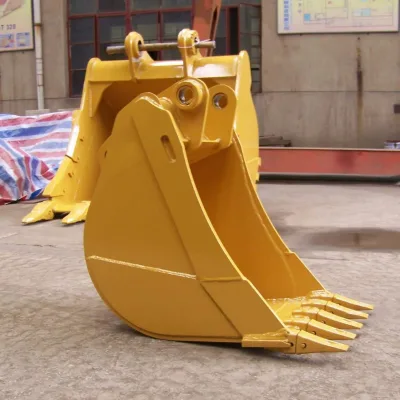
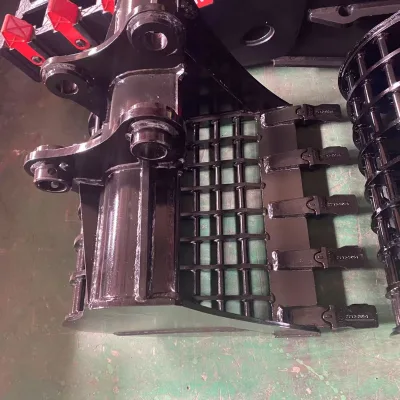


Premium OEM Custom Skeleton Bucket for Diverse Excavator Applications
$500.00 - $8000.00
MOQ: 5 Pieces


Comprehensive Sourcing Guide
Strategic Sourcing Guide for Hydraulic Transmission Excavator Skeleton Buckets
Understanding the Core Product and Technical Architecture
The Hydraulic Transmission Excavator Skeleton Bucket represents a specialized class of earthmoving equipment designed for high-efficiency separation and material handling. Unlike standard solid buckets, the skeleton configuration features a frame with open gaps, allowing fine materials like soil, sand, or gravel to fall through while retaining larger rocks, debris, or construction waste. This design is particularly critical for applications involving river cleaning, mining, and demolition where material separation is a primary operational goal. The defining technical characteristic of the target product is its hydraulic transmission system. This mechanism ensures that the bucket's movement and engagement with the excavator arm are powered by hydraulic cylinders, providing the necessary force and precision for heavy-duty digging and lifting operations.
When evaluating the technical specifications of these units, buyers must look for specific material compositions that ensure durability under abrasive conditions. The supplied data indicates that high-quality models are constructed from a combination of Hq60 and Q345 steel. Hq60 offers high yield strength, which is essential for resisting the impact forces encountered during excavation, while Q345 provides excellent toughness and weldability. The standard model designation often referenced in this category includes variants such as the SKB-20 and SKB-25, which correspond to specific weight classes and operational capacities. The bucket capacity is a variable specification, with observed ranges typically falling between 0.5 to 1.0 cubic meters for smaller units and 1.0 to 1.5 cubic meters for medium-sized applications. It is crucial for buyers to verify that the specific model selected matches the load capacity of their host excavator, as the standard usage covers a broad spectrum from 3-ton excavators up to 20-ton and larger machines.
Compliance Standards and Certification Verification
In the B2B procurement of heavy machinery components, verifying compliance with international standards is non-negotiable. The market for hydraulic transmission excavator skeleton buckets generally adheres to rigorous quality management systems. The most frequently observed certifications in this sector include CE marking and ISO9001:2015. The CE certification indicates that the product meets the essential health, safety, and environmental protection requirements for products sold within the European Economic Area. The ISO9001:2015 certification confirms that the manufacturing facility operates under a quality management system that ensures consistent product quality and continuous improvement. Some listings also reference SGS verification, which serves as an additional third-party validation of the manufacturing processes and material integrity.
Buyers must exercise caution when interpreting certification claims. While the presence of these certifications is a strong indicator of a reputable supplier, they should be treated as observations of the specific listing rather than a blanket guarantee for every product in the category. The procurement process requires direct verification of the certificate validity with the issuing body. Furthermore, the product origin plays a significant role in compliance. The majority of these units are manufactured in China, with specific production hubs identified in Jining, Shandong, and Jiangsu Province. Understanding the regional manufacturing standards of these locations can provide context for the expected quality baseline. Additionally, the "Condition: New" attribute is a standard expectation for new procurement, but buyers should ensure that the term "New" is explicitly defined in the contract to avoid confusion with refurbished or reconditioned units.
Cost Drivers and Pricing Dynamics
The pricing structure for hydraulic transmission excavator skeleton buckets is influenced by a complex interplay of factors, including material costs, customization requirements, and order volume. The observed price range in the current market spans from $1 to $8,000 USD. This wide variance is not indicative of quality differences alone but rather reflects the diversity of the product line, ranging from small skeleton buckets for 3-ton excavators to heavy-duty 20-ton models. The lower end of the spectrum typically corresponds to smaller capacity units or standard configurations, while the upper end reflects larger capacities, specialized hydraulic systems, or custom engineering.
Material composition is a primary cost driver. The use of Hq60+Q345 steel is a premium specification that increases the base cost compared to lower-grade steels. Buyers should understand that the "Factory Price" attribute often cited in listings suggests a direct relationship with the manufacturer, potentially reducing intermediary markups. However, the final price is heavily dependent on the "Customization" options selected. Since the product standard allows for size customization and volume adjustments, any deviation from the standard SKB-20 or 20T model will impact the final quote. The Minimum Order Quantity (MOQ) is another critical financial consideration. The data indicates an MOQ of 1 piece for many suppliers, which facilitates trial orders and small-scale procurement. However, buyers should be aware that while the MOQ is low, the unit price may be higher for single-piece orders compared to bulk purchases. The "Standard Export Wooden Pallet" packing method is also a cost factor, as specialized packaging adds to the overall logistics expense but ensures safe transit.
Typical Applications and Operational Suitability
The versatility of the Hydraulic Transmission Excavator Skeleton Bucket makes it suitable for a wide array of industrial applications. The primary usage scenarios identified include mining, river cleaning, marine operations, and special excavator tasks. In mining environments, the skeleton design allows for the efficient separation of valuable ore from waste rock, reducing the load on haul trucks and improving processing efficiency. For river cleaning operations, the bucket is specifically engineered to sift through sediment and debris, retaining larger objects while allowing fine silt to pass through, which is essential for dredging and environmental remediation projects.
The "Usage" attribute lists compatibility with GM Excavators, Mining Excavators, Marine Excavators, and Special Excavators. This broad compatibility suggests that the skeleton bucket is a modular solution that can be adapted to various host machines. The drive type is specified as Internal Combustion Drive for the excavator itself, which powers the hydraulic system that operates the bucket. The transmission type is explicitly Hydraulic Transmission, distinguishing it from mechanical alternatives. This hydraulic system provides smoother operation and better control, which is vital for delicate tasks like river cleaning where precise material handling is required. The bucket capacity, ranging from 0.5 to 1.5 cubic meters, allows operators to select the optimal size based on the specific material density and the power of the excavator. For instance, a 20-ton excavator would typically utilize a larger capacity bucket, while a 3-ton unit would require a smaller, lighter skeleton bucket.
Supplier Evaluation and Origin Analysis
Selecting the right supplier is a critical step in the procurement process. The supply chain for these buckets is concentrated in specific regions of China, with Jining in Shandong Province and Jiangsu Province being the primary manufacturing hubs. These regions have established industrial ecosystems for heavy machinery components, offering a concentration of expertise in steel fabrication and hydraulic system integration. When evaluating potential suppliers, buyers should prioritize those who can demonstrate a clear origin traceability and a history of producing units that meet the specified material standards.
The "Brand" attribute indicates that products may be sold under the manufacturer's brand or as a customized option. This flexibility allows buyers to source private-label products or purchase established brand names. However, the absence of a specific supplier name in the general data means that buyers must conduct their own due diligence to identify reputable manufacturers. Key evaluation criteria should include the supplier's ability to provide valid CE and ISO9001:2015 certifications, their experience with the specific steel grades (Hq60+Q345), and their track record in delivering skeleton buckets for the intended application. The "Customization" availability is a significant advantage, as it allows buyers to tailor the bucket to their specific excavator models and operational needs. Buyers should verify the supplier's capacity to handle custom orders without compromising on the quality of the steel or the precision of the hydraulic fittings.
Quality Control and Long-Term Procurement Considerations
Quality control is paramount when sourcing heavy machinery components that are subjected to extreme stress and abrasive conditions. The "Guarantee" period of 6 months is a standard offering in this category, providing a baseline assurance of product reliability. However, buyers should view this as a minimum standard and negotiate extended warranty terms if the operational environment is particularly harsh. The "Teeth: with" attribute indicates that the bucket is equipped with teeth, which are essential for penetrating hard ground and breaking up compacted materials. The quality of these teeth and their attachment mechanism should be scrutinized, as they are high-wear components that require frequent replacement.
Long-term procurement considerations extend beyond the initial purchase price. The "Delivery Time" of 5-15 days is a critical logistical factor that affects project timelines. Buyers must account for this lead time in their production schedules and ensure that the supplier can meet these deadlines consistently. The "Pallet" packing method, specifically the "Standard Export Wooden Pallet," is designed to protect the product during international shipping, but buyers should verify that the packaging is robust enough to prevent damage during transit. Additionally, the "Color" customization option, which includes yellow, red, or other colors, can be used for branding or safety identification purposes.
| Feature | Standard Observation | Procurement Verification Point |
|---|---|---|
| Material | Hq60+Q345 / Hq60+Q345b | Verify mill certificates for steel grade compliance. |
| Certification | CE, ISO9001:2015 | Request valid certificate copies and check expiry dates. |
| MOQ | 1 Piece | Confirm if bulk pricing tiers exist for orders >1 unit. |
| Lead Time | 5-15 Days | Validate current production capacity and shipping method. |
| Warranty | 6 Months | Negotiate terms for extended coverage or on-site support. |
| Origin | Jining, Shandong / Jiangsu | Confirm factory location and audit capabilities. |
In conclusion, sourcing a Hydraulic Transmission Excavator Skeleton Bucket requires a meticulous approach that balances technical specifications, compliance verification, and cost analysis. By focusing on the verified attributes such as the Hq60+Q345 material composition, the presence of CE and ISO9001 certifications, and the specific application requirements, buyers can make informed decisions that ensure the longevity and efficiency of their equipment. The flexibility in customization and the low MOQ provide significant advantages for diverse procurement needs, but the ultimate success of the purchase depends on rigorous supplier evaluation and clear communication of technical requirements.
FAQs
What certifications do hydraulic transmission excavator skeleton buckets have?
These buckets typically carry CE and ISO9001:2015 certifications. Some listings also reference SGS verification to confirm manufacturing quality. Buyers should verify the validity of these certificates directly with the issuing body before purchase.
Which materials are used to construct these skeleton buckets?
High-quality models are constructed from Hq60 and Q345 steel combinations. This material mix provides high yield strength and excellent toughness to resist impact forces. The specific grade ensures durability under abrasive excavation conditions.
Can buyers customize the size and volume of the bucket?
Yes, customization is available for size and volume specifications. The product standard allows for adjustments to fit specific excavator models. Buyers can request tailored dimensions to match their operational needs.
How long is the delivery time for these excavator buckets?
The standard delivery time ranges from 5 to 15 days. This lead time applies to new units produced in China. Buyers should confirm current production capacity to ensure project timelines are met.
What is the minimum order quantity for these products?
The minimum order quantity is typically one piece. This low MOQ facilitates trial orders and small-scale procurement. However, unit prices may vary for single-piece orders compared to bulk purchases.
Where are these hydraulic transmission buckets manufactured?
Manufacturing hubs are located in Jining, Shandong, and Jiangsu Province, China. These regions have established industrial ecosystems for heavy machinery components. Buyers should verify origin traceability when selecting a supplier.
What is the warranty period for these excavator skeleton buckets?
The standard guarantee period is six months. This provides a baseline assurance of product reliability. Buyers can negotiate extended warranty terms if the operational environment is particularly harsh.