Source Removable Washable Cat Bed for Home Travel Outdoor
Find 30 options for a Removable Washable Cat Bed designed for home daily use, travel, and outdoor activities. Buyers can compare sizes, materials, and customization features to select the right pet bed for small animals and medium pets.
Key considerations
Products List


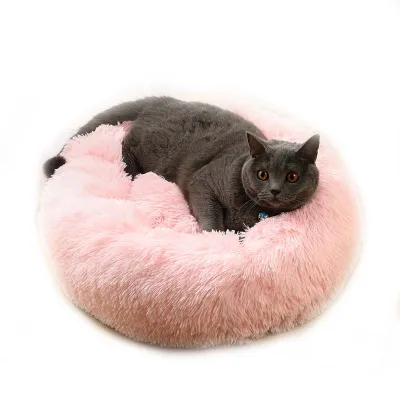


Luxury Waterproof Ultra Soft Pet Dog Bed Rectangle Pet Bed Washable Cat Bed
$5.98 - $6.50
MOQ: 500 Pieces


Wholesale Comfortable Dog Beds Removable and Washable Dog Cat Sofa Bed Pet Sofa Bed
$6.90 - $7.53
MOQ: 100 Pieces

Hot Sale Washable Pet Bed Comfortable and Warming Rectangle Dog Cat Bed Pet Nest
$8.45 - $9.25
MOQ: 100 Pieces


Comprehensive Sourcing Guide
Strategic Sourcing Guide for Removable Washable Cat Beds
The global demand for specialized pet furniture has intensified, with the Removable Washable Cat Bed emerging as a critical category for B2B buyers seeking high-margin, repeat-purchase inventory. This guide provides a disciplined framework for sourcing these products, grounded in verified product attributes and industry standards. Buyers must navigate a complex landscape where functional requirements, such as washability and portability, intersect with compliance mandates and supply chain logistics. The following sections detail the technical specifications, certification landscapes, cost structures, and evaluation protocols necessary for successful procurement.
Technical Specifications and Functional Attributes
When evaluating removable washable cat beds, the primary focus must be on the material composition and structural design that facilitate cleaning and durability. The core attribute of this category is the presence of a removable cover, which allows for machine washing without compromising the internal filling. Verified product data indicates that these beds are typically constructed from fabric materials, often featuring soft and safe materials to ensure pet comfort. The functional design often includes a bed or house style, catering to the specific behavioral needs of cats, such as the desire for enclosed, secure sleeping spaces.
Size is a critical variable in this category. Sourcing strategies must account for a range of dimensions to accommodate different market segments. Observed specifications include standard sizes such as 36x36x10 inches, 60x60x60 centimeters, and smaller variants like 24x18x16 inches or 23.6x16.9x13 inches. Buyers should verify that the supplier offers a comprehensive size matrix, as the "Medium Pet" and "Cat" suitability recommendations suggest a need for varied dimensions. The product model identifiers, such as PH260403, P0507-1, and p0501-1, indicate distinct SKUs that may correspond to different structural configurations, such as folded versus unfolded states or varying internal densities.
The feature set extends beyond simple washability. High-performance units often boast eco-friendly attributes, aligning with modern consumer values. The product function is explicitly defined as "Home Household," "Portable," and "Comformatable," suggesting versatility for daily home use as well as travel. The color palette observed in the market includes white, black, gray, and brown, allowing buyers to match diverse interior design trends. Furthermore, the inclusion of a mattress or internal cushioning is a standard expectation, ensuring the "Super Comfort" and "Luxurious" feel that defines premium offerings in this sector.
Compliance, Certification, and Safety Standards
In the pet product sector, compliance is not merely a regulatory hurdle but a fundamental component of brand trust. Buyers must rigorously verify that suppliers adhere to recognized social and environmental standards. The Business Social Compliance Initiative (BSCI) certification is a verified attribute present in the supply chain for these products. This certification indicates that the manufacturing facility adheres to specific labor practices and ethical standards, which is increasingly a prerequisite for major retailers in North America and Europe.
While some background information suggests the existence of Global Organic Textile Standard (GOTS) awareness, buyers should treat this as a verification point rather than a guaranteed attribute for every listed product. The absence of explicit GOTS certification in the high-confidence facts means that buyers must request specific documentation to confirm organic material claims. Similarly, the "Eco-Friendly" feature mentioned in product attributes requires substantiation. Procurement teams should demand evidence of how this claim is achieved, whether through the use of recycled fabrics, non-toxic dyes, or sustainable manufacturing processes.
Safety is paramount when the product is designed for "Small Animals" and "Medium Pets." The "Soft and Safe Materials" attribute implies a need for rigorous testing against choking hazards and toxic chemical exposure. Buyers should ensure that the fabric and filling materials meet relevant international safety standards for children's and pet products, even if specific test results are not currently listed. The "New" condition of the products confirms that they are not refurbished, but the sourcing strategy must include checks for material safety data sheets (MSDS) to verify the absence of harmful substances in the fabric and stuffing.
Cost Drivers and Pricing Dynamics
Understanding the cost structure of removable washable cat beds is essential for maintaining healthy profit margins. The observed price range in the market spans from $1.50 to $23.70 USD, a significant variance that reflects differences in material quality, size, and customization levels. The lower end of this spectrum likely corresponds to basic models with standard polybag packaging and minimal branding, while the higher end represents premium units with custom packaging, eco-friendly certifications, and complex designs.
The Minimum Order Quantity (MOQ) is a decisive factor in cost management. The market data reveals an MOQ range of 5 to 3,000 units. High-volume buyers can leverage the lower MOQs of 5 to negotiate better unit economics, but the 3,000-unit threshold suggests that some suppliers require substantial volume commitments to unlock their most competitive pricing tiers. Buyers must balance the need for inventory diversity with the financial constraints of high MOQs. Additionally, the "Tba" (To Be Announced) status for quantity per carton (Qty/CTN) indicates that packaging efficiency is a variable cost driver. Optimizing carton dimensions can significantly reduce shipping costs, which is a critical consideration for international procurement.
Customization is a major cost driver in this category. The "Accept Customization" and "OEM/ODM" capabilities allow buyers to modify product models, logos, and packaging. However, these services come with associated costs and lead times. The "Sample" lead time of 7-14 days for customized samples must be factored into the overall project timeline. While customization adds value, it also increases the complexity of the supply chain and requires careful budgeting for tooling and sample fees.
Typical Applications and Market Segmentation
The versatility of removable washable cat beds allows them to serve multiple market segments and use cases. The primary application is "Home Daily Use," where the product functions as a staple piece of pet furniture. The "Portable" and "Comformatable" features extend the utility of these beds to "Travel and Outdoor" scenarios, appealing to pet owners who frequently travel with their animals. This dual functionality expands the addressable market beyond traditional indoor pet owners to include adventure-oriented consumers.
The product is specifically recommended for "Medium Pet" breeds and is explicitly suitable for "Cat" and "Dog" applications. This cross-species compatibility is a strategic advantage, allowing buyers to stock a single SKU that can be marketed to multiple pet demographics. The "Winter" season specification suggests that these products are particularly relevant for colder climates, where pets seek warm, insulated bedding. Buyers should consider seasonal inventory planning, ensuring sufficient stock is available before the winter months to capitalize on increased demand.
The "House" style design caters to the natural instinct of cats to seek enclosed, den-like spaces, while the "Bed" style appeals to those who prefer open sleeping areas. This design variety ensures that the product line can meet diverse consumer preferences. The "Storage" function mentioned in some specifications may refer to the ability of the bed to be folded or compressed for easy storage when not in use, adding to its practical value for urban dwellers with limited space.
Supplier Evaluation and Selection Criteria
Selecting the right supplier requires a multi-faceted evaluation process that goes beyond price comparison. The "prod_origin" is identified as China, a major manufacturing hub for pet products. Buyers must assess the supplier's capacity to handle the specific requirements of the market, including the ability to produce "Customized" goods and accept "OEM/ODM" requests. The "Advantage" of accepting customization should be verified through a review of the supplier's past projects and their flexibility in handling design changes.
Quality control is a critical evaluation metric. The "prod_packing" varies from "Inner Box + Carton" to "Poly Bag" and "Polybag," indicating different levels of protection and presentation. Buyers should evaluate which packaging standard aligns with their retail requirements. The "Delivery Time" of 35-50 days after confirmation is a standard lead time that must be integrated into the supply chain planning. Delays in this window can disrupt inventory levels, so buyers should establish clear communication channels and contingency plans.
The "Certificate: BSCI" is a strong indicator of a supplier's commitment to ethical manufacturing. Buyers should request current audit reports to ensure compliance is maintained. Additionally, the "Sample" availability and the 7-14 day turnaround time for customized samples provide an opportunity to physically inspect the product quality before committing to a large order. Evaluating the sample's construction, the quality of the removable cover, and the durability of the fabric is essential.
Quality Control and Long-Term Procurement Strategy
Implementing a robust quality control (QC) strategy is vital for maintaining brand reputation. Given the "Washable Cover" and "Machine Washable" features, buyers must verify that the stitching and fabric integrity can withstand repeated washing cycles without degrading. The "Soft and Safe Materials" claim requires ongoing verification to ensure that the materials do not shed excessively or harbor allergens. Regular third-party testing for fabric strength, colorfastness, and chemical safety is recommended.
Long-term procurement considerations involve building a sustainable relationship with suppliers. The "OEM/ODM" capabilities suggest a partnership model where the buyer and supplier co-develop products. This relationship should be managed with clear contracts that define intellectual property rights, quality standards, and delivery timelines. The "Customization" aspect allows for continuous product iteration based on market feedback, enabling buyers to stay ahead of trends.
Buyers should also consider the environmental impact of their procurement decisions. The "Eco-Friendly" feature and potential for organic materials align with growing consumer demand for sustainable products. Developing a supply chain that prioritizes environmental responsibility can differentiate a brand in a crowded market. Finally, maintaining a buffer stock of best-selling models and sizes, such as the "L" and "M" sizes observed, can help mitigate the risks associated with the 35-50 day lead time and ensure consistent availability for customers.
Conclusion
Sourcing removable washable cat beds requires a balanced approach that integrates technical specifications, compliance verification, and strategic supplier management. By focusing on the verified attributes of fabric quality, removable covers, and eco-friendly features, buyers can build a product line that meets the high standards of modern pet owners. The wide range of sizes, styles, and customization options offers significant opportunities for market differentiation. However, success depends on rigorous due diligence regarding certifications like BSCI, careful management of lead times and MOQs, and a commitment to ongoing quality control. As the pet industry continues to evolve, a disciplined, evidence-based sourcing strategy will be the key to securing a competitive advantage in the Removable Washable Cat Bed market.
FAQs
Can I get a Removable Washable Cat Bed with BSCI certification?
Yes, BSCI certification is available for these products. Buyers should verify that the specific manufacturer holds a current audit report to ensure ethical labor practices are maintained throughout the production process.
What sizes are available for removable washable cat beds?
Available sizes include 36x36x10 inches, 60x60x60 centimeters, and 24x18x16 inches. These dimensions cater to different pet sizes, ranging from small animals to medium pets, ensuring a proper fit for various breeds.
How long is the delivery time for customized orders?
The standard delivery time is 35 to 50 days after order confirmation. This lead time applies to customized samples which typically take 7 to 14 days to produce before the bulk manufacturing begins.
Which customization options are accepted for these cat beds?
Suppliers accept customization for product models, logos, and packaging. This OEM and ODM capability allows buyers to tailor the bed's appearance and branding to match their specific retail requirements and market positioning.
What is the minimum order quantity for these products?
The minimum order quantity ranges from 5 to 3000 units depending on the supplier and product configuration. Buyers should check specific listings as some high-volume tiers may require the 3000-unit threshold for optimal pricing.
Are these cat beds suitable for winter use?
Yes, the products are specifically recommended for winter season use. They feature soft and safe materials with mattresses to provide warmth and comfort for pets in colder climates during daily home or travel use.