Source Hydraulic Universal Testing Machine for Steel, Concrete, and Metal
Compare 30 hydraulic universal testing machines with varying capacities, power sources, and load methods. Buyers can evaluate specifications like maximum test force, accuracy grades, and workpiece mass scopes to find suitable equipment for material strength analysis.
Key considerations
Products List


High Precision and Convenient Computer Control Hydraulic Universal Testing Machine
$7500.00 - $12500.00
MOQ: 1 Pieces


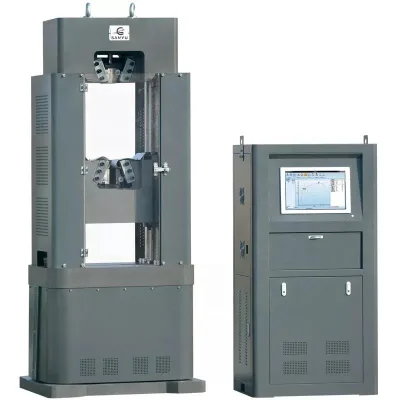


Hydraulic Universal Testing Machine Manufacturer with ISO 9001 Certificate
$8500.00 - $15800.00
MOQ: 1 Pieces


Computer Controlled Electro-Hydraulic Universal Testing Machine with Control Box
$10870.00 - $14412.00
MOQ: 1 Pieces

Digital Display Six Column Model Hydraulic Universal Test Testing Machine
$10000.00 - $12000.00
MOQ: 1 Pieces


Advanced Electronic Universal Testing Machine for Accurate Measurements
$5999.00 - $9999.00
MOQ: 1 Pieces

Factory Direct Sales of Universal Testing Machine for Metallic Applications
$7500.00 - $9500.00
MOQ: 1 Pieces


Comprehensive Sourcing Guide
Strategic Sourcing Guide for Hydraulic Universal Testing Machines
Understanding Core Technical Specifications and Variants
When sourcing a Hydraulic Universal Testing Machine, buyers must first distinguish between the specific operational architectures available in the current market. The product landscape is defined by distinct loading methods and power requirements that dictate suitability for different industrial environments. High-confidence data indicates that hydraulic systems often utilize a Static Load mechanism, which is essential for creep and stress-relaxation testing, while other variants may employ a Dynamic Load for fatigue analysis. The power source is a critical differentiator; observed specifications range from AC220V for standard laboratory setups to AC380V for heavy-duty industrial applications requiring higher torque and stability.
The physical capacity of these machines varies significantly based on the intended workpiece mass. Some units are engineered for a Mass Scope of Workpiece under 900kg, making them ideal for smaller component testing. Conversely, heavy industrial models support a mass scope exceeding 20,000kg, with specific configurations capable of handling workpieces up to 10,000kg or more. The maximum test force is another pivotal specification, with observed ranges extending from 2-100kN for precision materials to systems capable of 2000KN for structural steel and concrete verification. The Oil Cylinder Position is typically located Under the mainframe to ensure stability during high-force compression, though the exact placement must be verified against the specific model number, such as the WAW-300E/600E or WAWD-2000B.
Buyers should also scrutinize the Max Diameter of Workpiece capability. While some compact units accommodate diameters up to 1000mm, larger universal testing machines are designed for specimens with diameters greater than 3200mm. The Maximum Compression Space is equally vital, with observed dimensions around 550mm for standard models, which must be sufficient to accommodate the full travel of the test specimen. The Upper and lower platen size is often standardized at 240 mm * 240 mm, but larger platens may be required for specific material geometries. Understanding these dimensional constraints is the first step in narrowing down the supplier pool to those offering machines that physically fit the buyer's testing requirements.
Precision, Accuracy, and Control Systems
The reliability of test data hinges on the accuracy grade and control mechanisms integrated into the testing machine. Modern hydraulic universal testing machines frequently feature Computer Control systems, which allow for automated data acquisition and complex testing protocols. The Accuracy Grade is a critical metric, with high-performance units achieving a Sensor Accuracy of 1/300000. This level of precision ensures that the recorded force and displacement data meet rigorous international standards for material characterization.
The display interface is another area where variation exists. While some models utilize Digital displays for immediate readouts, advanced systems integrate full computer interfaces for real-time graphing and analysis. The Accuracy level is often categorized, with level 1 representing the highest tier of precision available in the market. Buyers must verify that the claimed accuracy grade matches the specific application; for instance, research and development labs may require the highest accuracy levels, whereas routine quality control in a factory might operate effectively with standard precision grades.
Furthermore, the Load Way determines how force is applied and measured. Mechanical Load systems are common in older or simpler hydraulic designs, whereas Electronic Load systems offer superior control and feedback loops for dynamic testing. The Test Force Measurement Range must align with the expected material strength; a range of 2-100kN is suitable for plastics and lighter metals, while 2000KN is necessary for heavy structural testing. The Round Jaw Size and Round specimen clamping diameter (observed ranges include 10-32mm and 20 mm - 70 mm) are also critical for ensuring the specimen is held securely without slippage or premature failure at the grip points.
Compliance, Standards, and Certification Verification
Navigating the compliance landscape for hydraulic universal testing machines requires a careful review of the standards referenced by suppliers. While ISO 9513 is a recognized standard for testing machine verification, buyers should not assume that every listed product automatically satisfies this or any other specific certification without explicit confirmation. The supplied data indicates that product standards are often listed as physical dimensions, such as 1120x900x2500 or 11209002500mm, which likely refer to the machine's footprint or internal calibration parameters rather than a compliance standard code.
Buyers must actively verify the prod_standard and prod_packing details to ensure the machine meets local regulatory requirements. The prod_packing is typically described as Plywood Crates, Wooden Case, or Exported Package, which impacts shipping costs and protection during transit. It is essential to confirm that the machine's design and manufacturing processes adhere to the relevant safety and performance standards of the destination country. For example, the place of origin is noted as Hebei, China, which is a major manufacturing hub, but the specific compliance status of the factory must be validated through third-party audits or certification documents provided by the supplier.
The Accuracy level and Sensor Accuracy claims must be supported by calibration certificates. Buyers should request documentation proving that the machine has been tested against traceable standards. The prod_model numbers, such as WDW-1500D or WEW-300/600D, serve as unique identifiers that can be cross-referenced with manufacturer specifications to ensure the claimed accuracy and load capacity are genuine. Without explicit certification data, buyers should treat all accuracy claims as observations rather than guaranteed performance metrics until verified.
Cost Drivers and Procurement Economics
The pricing of hydraulic universal testing machines is influenced by a complex array of factors, including capacity, accuracy, and customization options. The observed listed price range spans from 500 to 27,627 USD, reflecting the vast difference between basic laboratory units and high-capacity industrial systems. The MOQ (Minimum Order Quantity) ranges from 1 to 500, indicating that while single-unit purchases are common, bulk procurement may offer different pricing structures or logistical advantages.
Customization is a significant cost driver. Many suppliers offer OEM support, allowing buyers to tailor the machine to specific needs, such as unique platen sizes, specialized software, or custom branding. The prod_packing method also affects the final cost; Plywood Crates and Wooden Cases are standard but may incur additional fees depending on the destination and local regulations. The Weight of the machine, ranging from 0-100Kg for portable units to 1000-2000Kg for heavy-duty models, directly impacts shipping and installation costs.
Buyers should also consider the Power Source requirements. AC380V systems often require additional electrical infrastructure upgrades, which can add to the total cost of ownership. The Maxcapacity of the machine, whether under 1000KN or higher, is a primary determinant of price. Higher capacity machines generally command a premium due to the increased material and engineering costs involved in their construction. Additionally, the Oil source cabinet size and Mainframe dimensions (e.g., *1200 mm 900 mm * 2850 mm) influence the floor space required, which may necessitate facility modifications.
Typical Applications and Industry Use Cases
Hydraulic universal testing machines are versatile tools used across a wide spectrum of industries, from construction materials to aerospace components. The Type of machine, often labeled as a Universal Testing Machine or Strength Testing Machine, determines its primary application. For the construction industry, machines with a Maximum test force of 2000KN are essential for testing concrete cylinders, steel rebars, and large structural components. The Mass Scope of Workpiece capability ensures that these machines can handle the heavy loads associated with civil engineering materials.
In the manufacturing sector, Universal Testing Machines with lower force ranges, such as 2-100kN, are used for testing plastics, rubber, and smaller metal components. The Round specimen clamping diameter and Round Jaw Size are critical for these applications, ensuring that the specimen is held securely during tensile, compression, and bending tests. The Loading Method, whether Static or Dynamic, dictates the type of test performed; static loading is ideal for creep testing, while dynamic loading is necessary for fatigue analysis.
The Product name "High Quality Standard Hydraulic Universal Testing Machine" suggests a focus on general-purpose applications, but the specific prod_model indicates specialized capabilities. For instance, the WAWD-2000B model is likely designed for high-force structural testing, while the ZHIYI-100B may be tailored for lighter, precision applications. Buyers should match the machine's Max Diameter of Workpiece and Maximum Compression Space to the specific geometries of the materials they intend to test. This alignment ensures that the machine can accommodate the full range of test specimens without modification or limitation.
Supplier Evaluation and Quality Assurance
Evaluating suppliers for hydraulic universal testing machines requires a rigorous assessment of their technical capabilities and quality control processes. The brand name and prod_origin are initial indicators of the supplier's market position, with LJJK and Hebei, China being notable examples in the current data. However, buyers must look beyond these surface-level details to assess the supplier's ability to deliver consistent quality. The Accuracy level and Sensor Accuracy claims should be backed by third-party calibration reports and a history of reliable performance.
Customized support is a key differentiator among suppliers. Those offering OEM services demonstrate a commitment to meeting specific buyer requirements, which can be crucial for specialized applications. The prod_packing standards, such as Plywood Crates or Exported Package, also reflect the supplier's attention to detail and commitment to protecting the product during transit. Buyers should verify that the supplier has a robust quality control system in place, including pre-shipment inspections and post-delivery support.
The Weight and Mainframe dimensions of the machine are also indicators of build quality. Heavier machines with robust dimensions, such as *1200 mm 900 mm * 2850 mm, often indicate a higher quality construction capable of withstanding high forces without deformation. Buyers should request detailed specifications for the Oil Cylinder Position and Load Way to ensure the machine is designed for long-term durability. Additionally, the Power Source compatibility should be verified to ensure the machine can be safely integrated into the buyer's existing electrical infrastructure.
Long-Term Procurement and Maintenance Considerations
Procuring a Hydraulic Universal Testing Machine is a long-term investment that requires careful consideration of maintenance, operational costs, and future scalability. The Loading Method and Power Source will influence the ongoing energy consumption and maintenance requirements of the machine. AC380V systems may require more frequent electrical checks compared to AC220V systems, while Dynamic Load mechanisms may experience higher wear and tear than Static Load systems.
The Mass Scope of Workpiece and Maxcapacity should be evaluated with future needs in mind. A machine with a higher capacity may offer more flexibility for future testing requirements, but it may also come with higher maintenance costs. The Accuracy level and Sensor Accuracy should be maintained through regular calibration, which is a recurring cost that buyers should budget for. The prod_packing and prod_standard details can also provide insights into the machine's durability and ease of maintenance.
Buyers should also consider the customized support and brand name when planning for long-term procurement. A supplier with a strong reputation for OEM support and reliable after-sales service can be a valuable partner in maintaining the machine's performance over time. The prod_model number should be used to track the machine's lifecycle and ensure that spare parts are available when needed. Finally, the place of origin and prod_origin can influence the availability of local support and the ease of sourcing replacement components, which are critical factors for minimizing downtime and ensuring continuous operation.
FAQs
What power sources are available for these machines?
Available power sources include AC220V for standard setups and AC380V for heavy-duty industrial applications. The specific voltage required depends on the model capacity and the electrical infrastructure at your facility.
Which loading methods are supported by these units?
The machines support both Static Load and Dynamic Load methods depending on the specific model configuration. Static load is used for creep testing, while dynamic load facilitates fatigue analysis for different material types.
What is the maximum test force capacity range?
Maximum test force ranges from 2-100kN for precision materials up to 2000KN for structural steel and concrete. The capacity determines the machine's suitability for testing lighter components versus heavy structural elements.
Can these machines handle workpieces over 20000kg?
Yes, specific heavy industrial models are engineered to support a mass scope exceeding 20000kg. These units are designed for large-scale civil engineering materials and heavy structural component verification.
What accuracy grade is offered for computer control systems?
High-performance units feature Computer Control systems with a sensor accuracy of 1/300000 and an accuracy level of 1. This ensures precise data acquisition for research and rigorous quality control applications.
How are these machines typically packed for shipping?
Standard packaging includes Plywood Crates, Wooden Cases, or Exported Packages to ensure protection during transit. The specific packing method is selected based on the machine weight and destination requirements.
Is customization support available for these testing machines?
OEM customized support is available to tailor machines to specific buyer needs. Suppliers can adjust features like platen sizes, software interfaces, and branding to meet unique industrial testing requirements.