Source Iced Out Tennis Bracelet for Gifts, Decor, and Formal Events
Source 30 listings for the Iced Out Tennis Bracelet, featuring copper and zircon materials with 18K gold plating. Compare customization options, MOQs ranging from 2 to 50 pieces, and various length specifications for wholesale procurement.
Key considerations
Products List

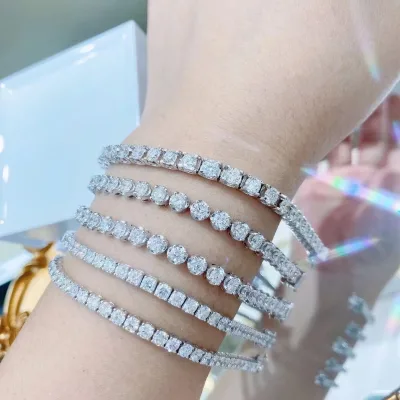
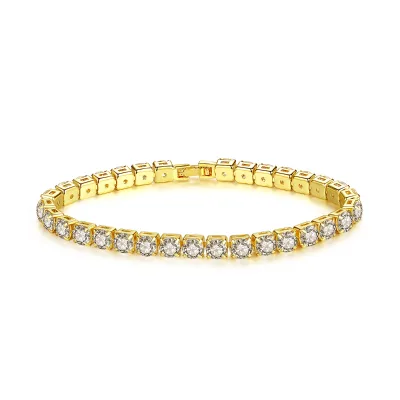
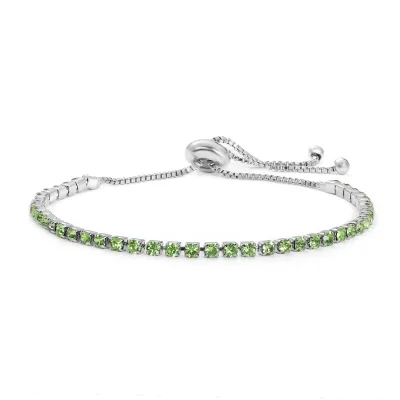


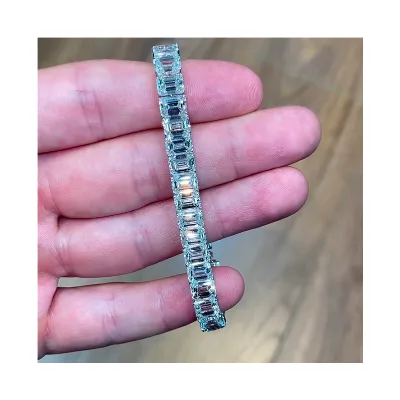


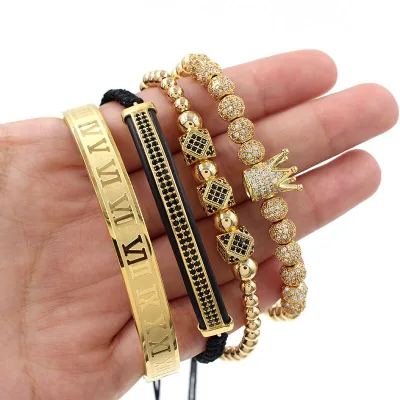
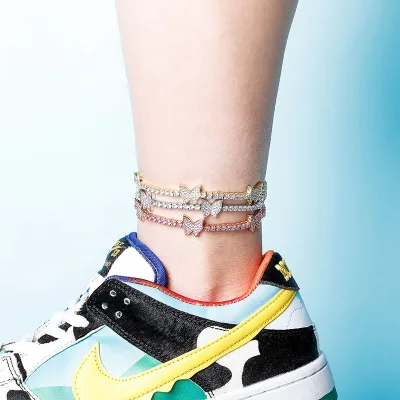
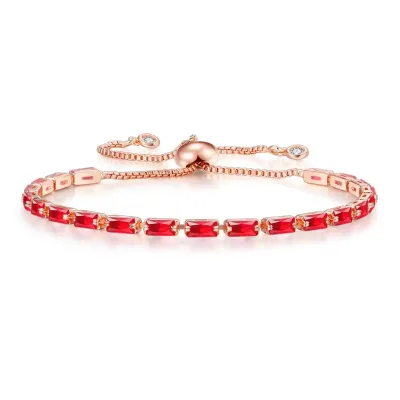


Comprehensive Sourcing Guide
Iced Out Tennis Bracelet Sourcing Guide
Sourcing high-quality iced out tennis bracelets requires a nuanced understanding of both aesthetic trends and material integrity. These pieces, characterized by a continuous line of gemstones or crystals set in a flexible metal band, serve as versatile accessories for formal occasions, gifts, and decorative purposes. Buyers must navigate a market where customization is readily available, allowing for adjustments in length, plating, and stone settings to meet specific brand identities. The observed product landscape indicates a strong preference for gold and silver tones, with copper serving as a common base material due to its cost-effectiveness and workability.
The procurement process for these items involves balancing visual appeal with durability and regulatory compliance. While the aesthetic goal is often a "shining" or "trendy" appearance, the underlying construction must withstand daily wear. Buyers should focus on verifying the quality of the plating and the security of the stone settings, as these are critical factors in customer satisfaction and return rates. Understanding the specific attributes of the supply chain, from origin to packaging, is essential for maintaining brand reputation and ensuring that the final product aligns with the intended market positioning.
Product Scope and Observed Listing Signals
The current market for iced out tennis bracelets exhibits a wide range of stylistic interpretations, from classic and simple designs to exotic and trendy variations. Listings frequently highlight customization options, allowing buyers to specify lengths such as 17cm, 18cm, 19cm, 19.5cm, or 20cm, catering to diverse wrist sizes and fit preferences. The color palette is predominantly centered around gold and silver finishes, with many products offering 18K gold plating over copper bases to achieve a luxurious look at a competitive price point. This flexibility in style and size enables buyers to curate collections that appeal to both female and unisex demographics, depending on the specific design language employed.
Packaging and presentation play a significant role in the perceived value of these jewelry items, with suppliers often providing options ranging from simple OPP bags to more premium gift boxes. The observed data suggests that many products are marketed as decorative jewelry or gifts, emphasizing their suitability for formal occasions and special events. Buyers should note that while some listings indicate a single item sale, others may have minimum order quantities (MOQs) that vary significantly, ranging from as low as 2 pieces to 50 pieces per color. This variability requires careful negotiation to align inventory levels with sales forecasts and cash flow constraints.
Technical Specifications to Verify
When evaluating technical specifications, the material composition is a primary concern, with copper frequently cited as the base metal, often combined with zircon for the stone elements. Buyers must verify the thickness and durability of the 18K gold plating, as this directly impacts the longevity of the jewelry and its resistance to tarnishing. The setting technique is another critical specification, with claw setting and wax setting being observed methods that affect both the security of the stones and the overall aesthetic finish. Ensuring that the inlay technology is robust is essential to prevent stone loss, which is a common complaint in lower-quality tennis bracelets.
Dimensional accuracy and weight are also key technical factors that influence both the user experience and shipping costs. Products are often described with specific single package sizes, such as 10x7x0.5 cm, and single gross weights around 0.015 kg, which are useful for calculating logistics expenses. However, buyers should confirm whether these weights are consistent across different plating options and stone sizes, as variations can occur. Additionally, the model numbers, such as CB005 or HX-272, should be cross-referenced with physical samples to ensure that the specifications listed in catalogs match the actual product received, particularly regarding the shape and pattern of the stones.
Compliance and Safety Documentation
Regulatory compliance is non-negotiable when importing jewelry, particularly regarding the safety of materials used in direct contact with the skin. Buyers should request certification documents, such as SGS reports, to verify that the products meet international standards for heavy metal content, including lead, cadmium, and nickel. These tests are crucial for ensuring that the 18K gold plating and copper base do not release harmful substances, which could lead to regulatory penalties or brand damage in strict markets like the European Union or North America. Without proper documentation, buyers risk facing customs delays or product recalls.
In addition to material safety, buyers must ensure that the products comply with labeling and packaging regulations in their target markets. This includes accurate country of origin labeling, which is often listed as China or specifically Zhejiang, and clear identification of the brand name, such as SC Jewelry, if applicable. Buyers should also verify that the packaging materials used, whether OPP bags or gift boxes, are environmentally compliant and meet any local recycling or waste management requirements. Proper documentation not only facilitates smooth customs clearance but also builds trust with end consumers who are increasingly conscious of ethical and safe sourcing practices.
Cost Drivers and Commercial Terms
The cost of iced out tennis bracelets is influenced by several factors, including the type of plating, the quality of the zircon stones, and the complexity of the setting. Observed price ranges vary widely, from as low as $0.8 to over $1259, reflecting the diversity in quality and customization levels. Buyers should be cautious of prices that seem too good to be true, as they may indicate inferior plating thickness or lower-grade stones that will not hold up over time. Understanding the cost structure helps in negotiating better terms and ensuring that the final product meets the expected quality standards for the target price point.
Commercial terms, including minimum order quantities and delivery times, also play a significant role in the total cost of ownership. MOQs can range from 2 pieces to 50 pieces per color, with some suppliers requiring higher volumes for customized designs. Delivery times are typically estimated at 30-40 days, which buyers must factor into their inventory planning to avoid stockouts or excess inventory. Additionally, buyers should inquire about OEM/ODM services, as these can add value but may also increase costs and lead times. Clear communication of these terms upfront helps in avoiding unexpected expenses and ensures a smoother procurement process.
Supplier Qualification and Quality Control
Selecting the right supplier involves verifying their capability to deliver consistent quality and adhere to agreed-upon specifications. Buyers should assess the supplier’s experience in producing tennis bracelets, particularly their proficiency in claw and wax setting techniques, which are critical for stone security. Requesting samples before placing bulk orders is essential to evaluate the finish, plating quality, and overall craftsmanship. Suppliers that offer customization services should be evaluated on their ability to meet specific design requirements without compromising on quality or delivery schedules.
Quality control processes should be clearly defined and agreed upon before production begins. This includes establishing acceptance criteria for defects, such as loose stones, uneven plating, or dimensional inaccuracies. Buyers should consider implementing third-party inspection services to verify that the production matches the approved samples and meets the specified standards. Regular communication with the supplier regarding production progress and any potential issues can help mitigate risks and ensure that the final shipment meets the buyer’s expectations. A robust quality control framework is vital for maintaining brand integrity and customer satisfaction.
Long-Term Procurement Checks
Building a sustainable supply chain for iced out tennis bracelets requires ongoing monitoring and relationship management. Buyers should regularly review supplier performance metrics, including on-time delivery rates, defect rates, and responsiveness to issues. Establishing a long-term partnership with reliable suppliers can lead to better pricing, priority production slots, and improved support for custom orders. It is also important to stay updated on market trends and consumer preferences, as these can influence the demand for specific styles, colors, and materials.
Continuous improvement in the procurement process involves refining quality control protocols and expanding supplier networks to mitigate risks. Buyers should periodically re-evaluate their supplier base to ensure that they remain competitive in terms of quality, price, and service. Additionally, staying informed about changes in regulatory requirements and industry standards is crucial for maintaining compliance and avoiding disruptions. By proactively managing these aspects, buyers can ensure a stable and efficient supply chain that supports their business growth and customer satisfaction goals.
FAQs
What materials are used for the Iced Out Tennis Bracelet?
The bracelet is crafted from copper and zircon materials. It features a gold plating finish to enhance its appearance. This combination ensures durability while providing a luxurious look suitable for formal occasions.
Can the bracelet length be customized for buyers?
Yes, the bracelet length can be customized to meet specific requirements. Available standard sizes include 17cm, 18cm, 19cm, 19.5cm, and 20cm. Buyers can request specific dimensions to ensure a perfect fit for their needs.
What is the minimum order quantity for this product?
The minimum order quantity varies by supplier but typically starts at 2 pieces. Some listings require a minimum of 20 pieces per color or 30 pieces total. Buyers should verify the specific MOQ with the manufacturer before placing an order.
Which certifications does the product hold for quality assurance?
The product holds SGS certification to ensure quality standards are met. This certification validates the safety and material composition of the jewelry. Buyers can rely on this certification for compliance with international trade requirements.
How is the product packaged for shipping and gifting?
The product is packaged in an OPP bag and often includes a gift box. Each unit is individually packed to prevent damage during transit. This packaging style makes the item ready for direct gifting or retail display.
What is the lead time for delivery of these bracelets?
The delivery time is typically between 30 to 40 days. This timeframe accounts for production and shipping logistics from the origin in Zhejiang, China. Buyers should plan their inventory orders accordingly to avoid delays.
Can buyers request OEM or ODM services for this item?
Yes, OEM and ODM services are available for this product. Buyers can customize designs, packaging, or branding according to their specific business needs. This flexibility allows for unique product offerings in the market.