Source Immune Support Ganoderma Herbal Tea for fatigue, immunity, and wellness
Compare 22 listings of Immune Support Ganoderma Herbal Tea from verified Chinese manufacturers. Buyers can evaluate customization options, packaging styles, and health benefits for daily drinking and immunity support needs.
Key considerations
Products List


Comprehensive Sourcing Guide
Strategic Sourcing Guide for Immune Support Ganoderma Herbal Tea
Procuring Immune Support Ganoderma Herbal Tea requires a disciplined approach that balances traditional herbal efficacy with modern supply chain reliability. Buyers entering this market must navigate a complex landscape of product variations, regulatory standards, and quality assurance protocols. The core keyword, "Immune Support Ganoderma Herbal Tea," points to a specific segment of the herbal beverage industry where Ganoderma Lucidum (Lingzhi) is the primary active ingredient, often combined with other botanicals like Ginseng or Astragalus. This guide outlines the essential technical, compliance, and operational factors necessary for successful B2B procurement in this category.
Technical Specifications and Product Configuration
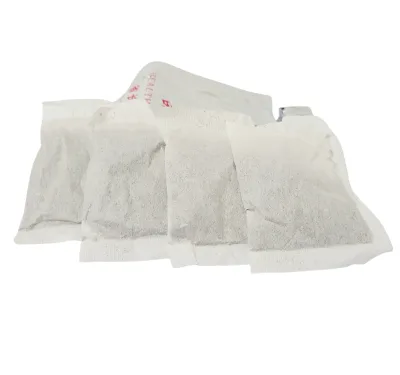
The first step in sourcing is defining the precise technical configuration of the product. In the herbal tea sector, "Ganoderma" is frequently paired with other ingredients to enhance flavor or purported health benefits. Observed product data indicates that formulations often include Lingzhi Lucidum, Ginseng Extract, and potentially other botanicals like Eucommia or Oroxylum Indicum. The physical form of the product is equally critical; listings show a divergence between "Tea Bag" styles and "Loose Tea" configurations.
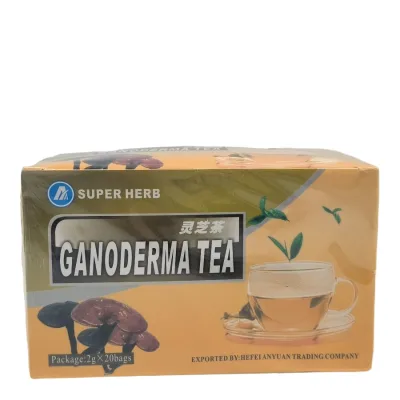
Buyers must verify the specific packaging standard, as this directly impacts shelf life and logistics. Common specifications observed in the market include 3g per sachet with 20 units per bag, or 2g per sachet with 20 units per bag. The outer packaging often transitions from individual bags to cartons, with a standard weight of approximately 12.8kg per carton. However, variations exist, such as gift box configurations with different Minimum Order Quantities (MOQ). The shelf life is a critical technical parameter, with observed ranges spanning from 18 to 36 months depending on the specific formulation and packaging integrity.
| Product Attribute | Common Observation | Verification Requirement |
|---|---|---|
| Primary Ingredient | Lingzhi Lucidum (Ganoderma) | Confirm botanical source and extract ratio. |
| Form Factor | Tea Bag, Loose Tea, Sachet | Verify compatibility with existing brewing equipment. |
| Packaging Standard | 3g20 sachets, 2g20 teabags | Confirm exact gram weight and unit count per outer box. |
| Shelf Life | 18 to 36 Months | Validate storage conditions required to maintain this duration. |
| Flavor Profile | Natural Herbal Flavor | Request samples to ensure palatability matches target market. |
Compliance and Certification Verification
For a product marketed as an immune support supplement or health tea, regulatory compliance is non-negotiable. The global market demands rigorous adherence to food safety and manufacturing standards. Suppliers in this category often claim certifications such as HACCP, ISO22000, GMP (Good Manufacturing Practice), Halal, and FDA registration. While these certifications are frequently cited in product descriptions, buyers must treat them as claims requiring independent verification rather than automatic assurances.
The presence of certifications like Kubun or specific FDA listings suggests a commitment to international standards, but the scope of these certifications varies. For instance, a GMP certification ensures the facility meets manufacturing quality standards, but it does not guarantee the specific efficacy of the Ganoderma extract. Buyers should request valid, up-to-date certificates and cross-reference them with the issuing body. Additionally, the product origin is predominantly China, which necessitates a thorough review of export compliance and import regulations in the destination country.
It is also vital to verify the "Not Suitable for" claims. Product data explicitly notes that certain Ganoderma blends are not suitable for children, pregnant women, or breastfeeding mothers. This disclaimer is a critical compliance element that must be accurately reflected on all labeling and marketing materials to avoid regulatory penalties. The storage method is also a compliance factor; products often require storage at room temperature in dry conditions to maintain the 24 to 36-month shelf life. Deviations from these storage protocols can void certifications and compromise product safety.
Cost Drivers and Pricing Dynamics
Understanding the cost structure of Ganoderma herbal tea is essential for budgeting and margin analysis. The observed price range in the market is broad, spanning from $0.75 to $353 USD. This significant variance is not indicative of quality differences alone but rather reflects the unit of measure, packaging complexity, and order volume. The lower end of the spectrum likely represents bulk raw materials or simple tea bag configurations, while the higher end may include premium gift box sets or small-batch private label orders.
Several factors drive these costs. First, the raw material quality of Ganoderma Lucidum varies significantly based on the cultivation method and extraction process. Second, the packaging style plays a major role; "Carton" and "Box" packaging with custom branding incurs higher costs than standard bulk bags. Third, the MOQ (Minimum Order Quantity) acts as a primary cost driver. Observed MOQs range from 1 unit for sampling to 5000 units for bulk wholesale, with specific wholesale thresholds often set at 100 or 120 bags.
Buyers should note that "Private Label" and "OEM/ODM" services are available, which adds a layer of cost for customization. The target audience, often adults seeking immunity support or energy maintenance, allows for premium positioning, but this must be backed by verifiable quality. When negotiating, buyers must clarify whether the quoted price includes the cost of certification audits, sample shipping, and custom mold fees for packaging.
Typical Applications and Target Market Alignment
The application of Ganoderma herbal tea extends beyond simple hydration; it is positioned as a functional beverage for daily drinking. The product is specifically targeted at adults, particularly those experiencing fatigue or low immunity. This positioning aligns with the "Specialty: Health Tea" classification observed in the market. The main function is often described as helping to maintain energy and support the immune system, based on traditional use.
The versatility of the product allows for various applications. It can be sold as a standalone wellness product in health food stores, distributed through e-commerce platforms, or included in corporate wellness gift boxes. The "Natural Herbal Flavor" is a key selling point for consumers seeking alternatives to sugary beverages or caffeine-heavy drinks. However, the specific formulation matters; blends containing Eucommia or Oroxylum Indicum may appeal to different sub-segments within the health-conscious demographic.
Buyers must ensure that the product's intended use matches the claims made in the marketing materials. For example, if the product claims to "Auxiliary Reduce Blood Fat," this is a health claim that may require specific regulatory clearance depending on the jurisdiction. The target audience restrictions (excluding children and pregnant women) must be clearly communicated to end-users to ensure safe consumption.
Supplier Evaluation and Capability Assessment
Evaluating a supplier for Ganoderma herbal tea requires a multi-dimensional approach. The supplier must demonstrate the ability to handle the specific technical requirements, such as the 3g*20 sachet standard or the 12.8kg carton weight. Beyond physical capabilities, the supplier's capacity for customization is a key differentiator. The availability of "Private Label" and "OEM/ODM" services indicates that the supplier can adapt the product to the buyer's brand identity, including custom packaging and labeling.
When assessing suppliers, buyers should look for evidence of consistent production quality. The presence of multiple product models, such as C21, LHET1005, LHJF1036, and LHYC2028, suggests a diverse portfolio, but the buyer must verify if the specific model meets their quality standards. The "Style" of the tea, whether bag or loose, must align with the buyer's distribution channel. For instance, tea bags are often preferred for retail convenience, while loose tea might be targeted at bulk food service.
Suppliers should also demonstrate transparency regarding their origin and production processes. Since the product origin is China, buyers should inquire about the specific facility's location and its proximity to raw material sources. A supplier with a robust supply chain for Ganoderma and other ingredients like Ginseng is less likely to face disruptions. Additionally, the supplier's responsiveness to quality control requests and their ability to provide detailed product specifications are critical indicators of reliability.
Quality Control and Long-Term Procurement Considerations
Quality control (QC) is the backbone of a successful procurement strategy for herbal teas. Given the biological nature of the ingredients, variability in potency and purity is a constant risk. Buyers must establish a rigorous QC protocol that includes raw material testing, in-process checks, and final product verification. The shelf life of 24 to 36 months is a key metric, but it is contingent on strict adherence to storage methods. Buyers should verify that the supplier's packaging provides adequate protection against moisture and light, which can degrade the herbal properties.
Long-term procurement considerations involve building a sustainable relationship with the supplier. This includes negotiating favorable terms for repeat orders, ensuring consistent quality across batches, and maintaining open communication regarding any changes in formulation or packaging. The "Usage: Daily Drinking" classification implies a need for consistent supply, making lead time and production capacity critical factors. Buyers should also consider the environmental impact of the packaging, as the shift towards sustainable materials is becoming a market expectation.
Finally, buyers must remain vigilant regarding regulatory changes. As the market for immune support products grows, so does the scrutiny from regulatory bodies. Maintaining up-to-date certifications and ensuring that all product claims are substantiated by scientific or traditional evidence is essential for long-term success. By focusing on these technical, compliance, and operational aspects, buyers can secure a reliable supply of high-quality Ganoderma herbal tea that meets the needs of their target audience.
FAQs
What certifications do Immune Support Ganoderma Herbal Tea suppliers hold?
Suppliers typically hold HACCP, ISO22000, GMP, Halal, and FDA certifications. These standards verify manufacturing quality and food safety protocols, though buyers must request valid certificates for independent verification before proceeding.
Which packaging standards are common for this herbal tea product?
Common standards include 3g per sachet with 20 units per bag or 2g per sachet with 20 units per bag. Outer packaging usually consists of cartons weighing approximately 12.8kg, though gift box options also exist.
Can buyers request private label or OEM services for this tea?
Yes, private label and OEM or ODM services are generally acceptable for customization. Buyers can request specific branding and packaging designs, which may influence the final unit price and minimum order quantities.
What is the typical shelf life for Immune Support Ganoderma Herbal Tea?
The shelf life ranges from 18 to 36 months depending on the specific formulation and packaging integrity. Products must be stored at room temperature in dry conditions to maintain this duration and ensure safety.
Which ingredients are typically found in these herbal tea blends?
Primary ingredients often include Lingzhi Lucidum, Ginseng Extract, and other botanicals like Eucommia or Oroxylum Indicum. These blends are formulated to support immunity and energy maintenance based on traditional herbal use.
What are the minimum order quantities for wholesale buyers?
Minimum order quantities vary from 1 unit for sampling to 5000 units for bulk wholesale. Specific wholesale thresholds are often set at 100 or 120 bags, with gift box configurations sometimes requiring 36 units.
Who is the target audience for this specific herbal tea product?
The product targets adults, especially those experiencing fatigue or low immunity. It is explicitly not suitable for children, pregnant women, or breastfeeding mothers, requiring clear labeling to ensure safe consumption.