Source Immunoassay Plastic Micro Cuvette for Lab Research
Compare 30 listings for Immunoassay Plastic Micro Cuvette from verified Chinese manufacturers. Buyers can review specifications, pricing, and OEM capabilities for science research and medical applications.
Key considerations
Products List
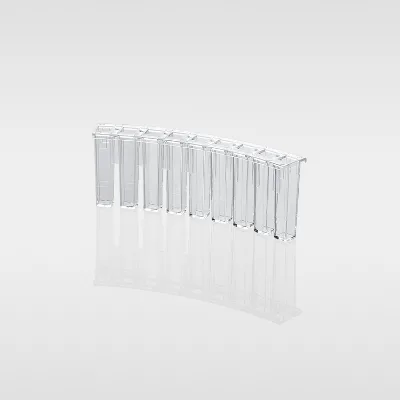
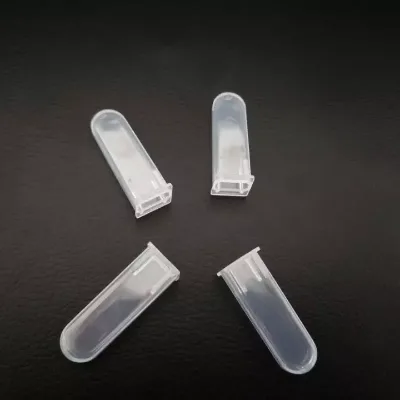
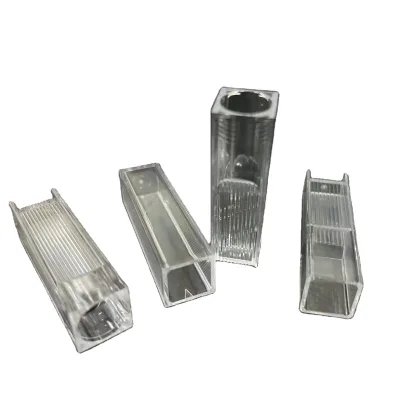
Disposable Uv Semi Micro Cuvette 1.5ml for for DNA, RNA and Protein Analysis
$0.01 - $0.20
MOQ: 100 Minimum
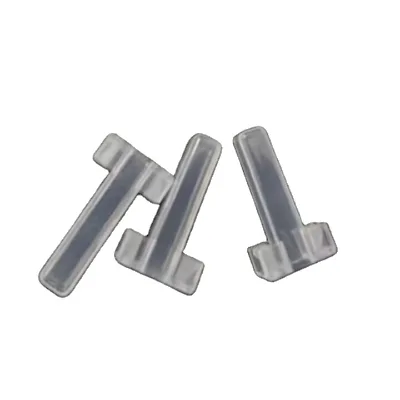
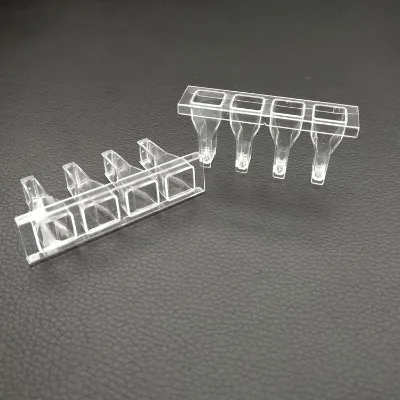
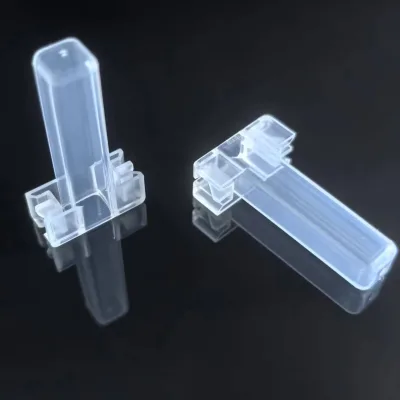


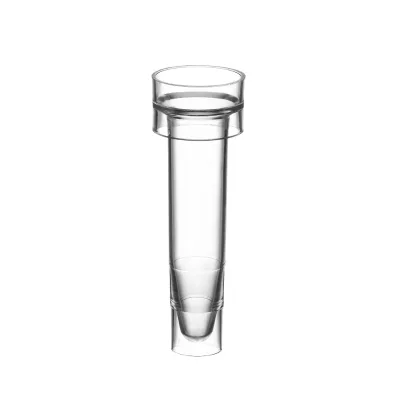
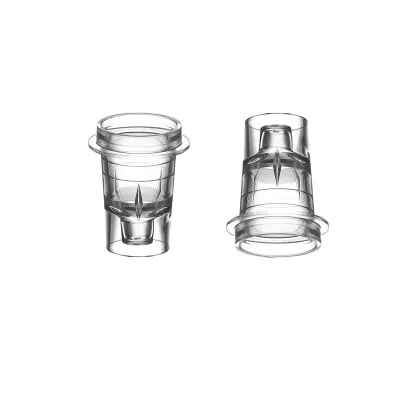
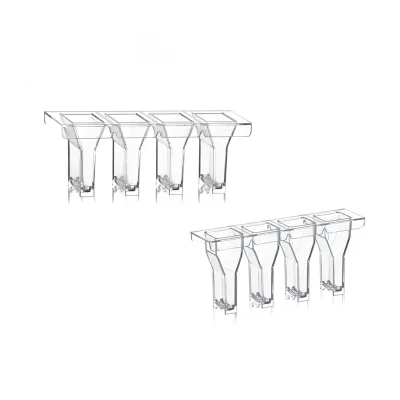


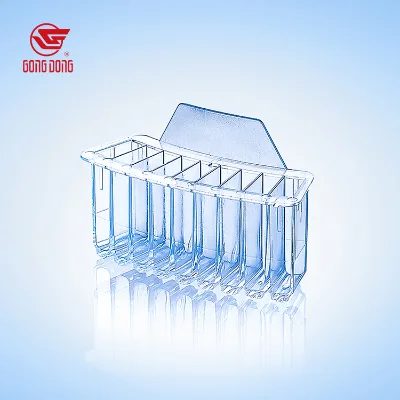


Spectrophotometer Reaction Cuvettes Plastic Cuvette Micro 1.5ml 2.5ml 4.5ml Cuvette
$0.01 - $0.01
MOQ: 10000 Pieces


Comprehensive Sourcing Guide
Strategic Sourcing Guide for Immunoassay Plastic Micro Cuvettes
The global demand for high-precision diagnostic tools has elevated the importance of reliable consumables in laboratory settings. Among these, the Immunoassay Plastic Micro Cuvette serves as a critical component for sample analysis in clinical and research environments. Sourcing these items requires a nuanced understanding of material science, regulatory compliance, and supply chain logistics. This guide provides a comprehensive framework for buyers to navigate the procurement landscape, ensuring that selected products meet rigorous operational standards without relying on unverified market claims.
Technical Specifications and Material Composition
The foundation of a successful procurement strategy lies in a detailed analysis of technical specifications. The core material of these cuvettes is paramount, as it directly influences optical clarity, chemical resistance, and compatibility with various reagents. In the current market, Polystyrene (PS) and Polypropylene (PP) are the dominant materials observed. PS offers excellent transparency, which is essential for spectrophotometric measurements where light transmission must be maximized. Conversely, PP provides superior chemical resistance and durability, making it suitable for applications involving harsh solvents or aggressive cleaning agents.
Buyers must scrutinize the specific material grade listed in product documentation. While some listings indicate "PS plastic" for general lab research, others specify "pp plastic" for medical and clinic use. The distinction is not merely semantic; it dictates the cuvette's performance under specific assay conditions. Furthermore, the physical dimensions and volume capacity are critical variables. Standard specifications often cite volumes such as 4.5ml, but custom configurations are frequently available to accommodate specialized instrumentation. The single package size varies significantly, ranging from compact 20x15x10 cm units to larger 59x38x38 cm cartons, depending on the quantity and packaging density.
Optical properties are equally vital. The product color is typically described as transparent or clear, ensuring minimal light absorption interference. However, buyers should verify that the transparency is consistent across the batch, as variations can lead to measurement errors in automated analyzers. The design must also align with the specific instrument interface, such as the DiaSorin or Siemens systems, which often require proprietary form factors. Customization support, including OEM and ODM capabilities, allows manufacturers to tailor the cuvette geometry to fit unique machine requirements, a feature that is increasingly common in the industry.
Compliance, Certification, and Regulatory Standards
Navigating the regulatory landscape is a non-negotiable aspect of sourcing medical and laboratory consumables. While specific certification status varies by manufacturer, buyers should prioritize suppliers who can demonstrate adherence to international quality management systems. The ISO 9001 certification is a widely recognized standard for quality assurance in manufacturing processes. Verifying this certification ensures that the supplier maintains consistent production controls, reducing the risk of defects in the final product.
Beyond general quality management, the intended application dictates specific regulatory requirements. For products labeled for "medical and lab use" or "hospital" settings, compliance with local medical device regulations is essential. Buyers must confirm that the materials used are biocompatible and free from contaminants that could interfere with immunoassay results. The "Safe Usage" advantage often cited in product descriptions should be substantiated by safety data sheets (SDS) and material safety certifications.
It is crucial to avoid assuming that all listed products meet every standard. The presence of a "3 years" warranty in some listings suggests a high level of confidence in product durability, but this should be treated as a specific supplier offer rather than a universal industry guarantee. Similarly, while "Eco-friendly" features are highlighted, buyers should request specific details regarding the recyclability of the PS or PP materials and the environmental impact of the manufacturing process. The "neutral export package" mentioned in some contexts indicates a standardized shipping approach, but it does not inherently imply compliance with specific environmental directives without further verification.
Cost Drivers and Pricing Dynamics
Understanding the cost structure of immunoassay cuvettes is essential for budgeting and negotiation. The price range observed in the market spans from $0 to $58.4 USD, a variance that reflects differences in material quality, customization levels, and order volume. Several factors drive these costs. First, the complexity of the molding process for custom geometries, such as those required for specific analyzer brands, adds to the unit price. Second, the material grade plays a significant role; high-purity PS or PP commands a premium over standard grades.
Order volume is perhaps the most significant determinant of unit cost. The Minimum Order Quantity (MOQ) varies widely, from as low as 100 pieces to as high as 35,000 units. Suppliers offering lower MOQs, such as 100 or 1,000 pieces, often charge a higher per-unit price to cover setup costs and maintain production flexibility. Conversely, bulk orders can leverage economies of scale to reduce the cost per unit. The "Supply Ability" of a manufacturer, often cited as 200,000 pieces per month, indicates their capacity to handle large-scale procurement without compromising delivery timelines.
Additional cost factors include packaging and logistics. The "Single gross weight" of packages can range from 0.8 kg to 10 kg, influencing shipping costs. Some suppliers offer "free samples" or "available samples," which can be a strategic tool for buyers to evaluate quality before committing to a large order. However, the cost of shipping these samples and the potential for customs duties should be factored into the total cost of ownership. Buyers should also consider the "Delivery Time," which can range from immediate availability to "within 7 days" or longer, depending on the quantity and production schedule.
Typical Applications and Operational Context
The versatility of immunoassay plastic micro cuvettes allows them to serve a broad spectrum of applications. Primarily, they are designed for "Lab Experimental Operation" and "Science Research," where precise sample handling is required. In clinical settings, these cuvettes are integral to "medical and lab use" scenarios, including diagnostics in clinics and hospitals. The "Auto bio cuvette" designation suggests compatibility with automated biochemical analyzers, streamlining the testing workflow and reducing manual handling errors.
The specific application dictates the required specifications. For instance, "Lab Research" applications may prioritize optical clarity and chemical inertness, while "hospital" settings may emphasize sterility and ease of use in high-throughput environments. The "Usage" category often includes "lab, clinics, hospital," indicating a wide range of potential end-users. Buyers must ensure that the selected cuvette is compatible with their specific instrumentation, whether it is a DiaSorin system, a Siemens analyzer, or a generic spectrophotometer.
Furthermore, the "Function" of the cuvette extends beyond simple containment; it involves facilitating accurate light transmission and chemical reactions. The "Feature" of being "Eco-friendly" may appeal to institutions with sustainability goals, while the "Advantage" of "Safe Usage" is critical for protecting laboratory personnel. Understanding these operational contexts helps buyers align their procurement with their specific workflow requirements, ensuring that the purchased consumables enhance rather than hinder laboratory efficiency.
Supplier Evaluation and Verification
Selecting the right supplier is a critical step in the procurement process. Buyers should evaluate potential partners based on their production capacity, customization capabilities, and track record. The "Supply Ability" of 200,000 pieces per month is a strong indicator of a manufacturer's capacity to meet large-scale demands. However, buyers should verify this claim through site audits or third-party assessments to ensure the supplier can consistently meet production targets.
Customization support is another key evaluation criterion. Suppliers offering "OEM, ODM, OBM" services provide greater flexibility for buyers with unique requirements. This capability allows for the adaptation of cuvette designs to fit specific analyzer interfaces or to incorporate proprietary branding. The "Brand Name" associated with the product, such as "FSK," can also be a factor in supplier selection, though buyers should remain cautious of brand claims without supporting evidence of quality.
Logistics and delivery are also essential considerations. The "Port of dispatch" is often listed as Shanghai or Ningbo, which are major shipping hubs in China. Buyers should assess the reliability of the supplier's logistics network and their ability to handle "neutral export package" requirements. The "Delivery Time" of "within 7 days" for certain quantities suggests a responsive supply chain, but this should be confirmed for specific order sizes. Additionally, the availability of "free samples" or "offered samples" allows buyers to conduct preliminary quality checks before finalizing a contract.
Quality Control and Long-Term Procurement Strategies
Implementing a robust quality control (QC) protocol is essential for maintaining the integrity of laboratory results. Buyers should establish clear acceptance criteria based on material specifications, dimensional accuracy, and optical performance. Regular testing of incoming batches for transparency, chemical resistance, and dimensional consistency can prevent costly errors in downstream assays. The "Warranty" of 3 years offered by some suppliers indicates a commitment to product longevity, but buyers should clarify the terms and conditions of this warranty to ensure it covers relevant defects.
Long-term procurement strategies should focus on building strong relationships with reliable suppliers. Consistent communication regarding order volumes, delivery schedules, and quality feedback can lead to better pricing and priority treatment during high-demand periods. Buyers should also consider the "Single package size" and "Packing" details, such as "100pcs/box" or "10000pcs/carton," to optimize storage and handling efficiency.
Finally, buyers must remain vigilant about market changes and technological advancements. The "Specification" of the cuvette may evolve to meet new analytical standards or instrument requirements. Staying informed about industry trends and maintaining a flexible procurement strategy will ensure that the laboratory remains equipped with the most effective tools for immunoassay analysis. By adhering to these guidelines, buyers can secure a steady supply of high-quality immunoassay plastic micro cuvettes that support their research and diagnostic objectives.
FAQs
What materials are used for immunoassay plastic micro cuvettes?
These cuvettes are primarily made from Polystyrene (PS) or Polypropylene (PP) plastic. PS offers excellent transparency for spectrophotometric measurements, while PP provides superior chemical resistance for harsh reagents and medical applications.
Which suppliers offer OEM customization for these cuvettes?
Suppliers provide OEM, ODM, and OBM customization support for tailored geometries. This allows manufacturers to adapt the cuvette design to fit specific analyzer interfaces like DiaSorin or Siemens systems for unique laboratory requirements.
Can I find cuvettes with ISO 9001 certification?
Yes, some manufacturers hold ISO 9001 certification for their quality management systems. This certification ensures consistent production controls and helps verify that the manufacturing process meets international quality standards for medical and lab use.
What is the typical minimum order quantity for these items?
The minimum order quantity varies significantly, ranging from 100 pieces to 35,000 units depending on the supplier. Lower MOQs like 100 or 1,000 pieces are available, though they may carry higher per-unit costs compared to bulk orders.
How long does delivery take for these laboratory consumables?
Delivery times depend on order quantity and production schedules, ranging from within 7 days to longer periods. Some suppliers offer immediate availability for small quantities, while larger orders may require lead times based on the specific supply ability.
Where are these cuvettes typically manufactured?
These products are commonly manufactured in Jiangsu, China, with dispatch ports in Shanghai or Ningbo. This location allows for efficient export logistics using neutral export packages suitable for international shipping to global markets.