Source Immune Support Turmeric Drops for energy, immunity, and antioxidants
Find 30 verified options for Immune Support Turmeric Drops from Chinese manufacturers. Compare specifications, pricing, and customization features for oral liquid supplements designed for adults.
Key considerations
Products List
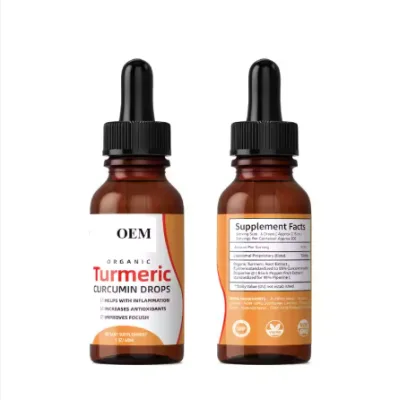


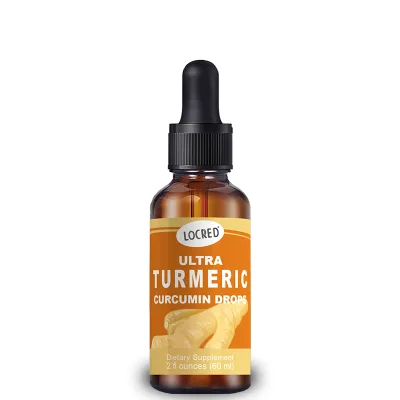
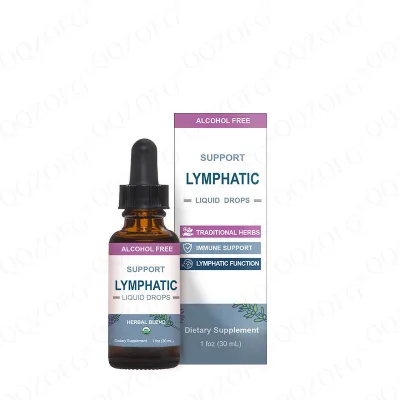
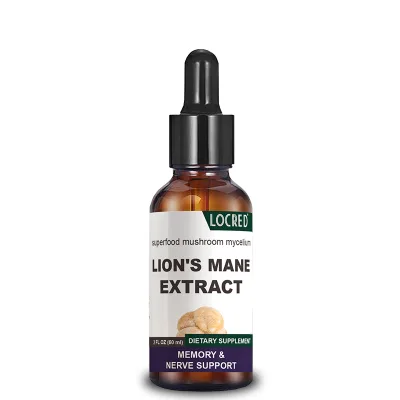

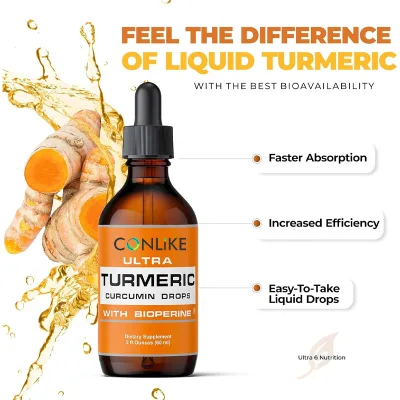
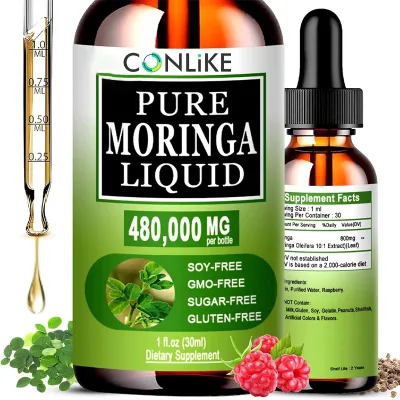


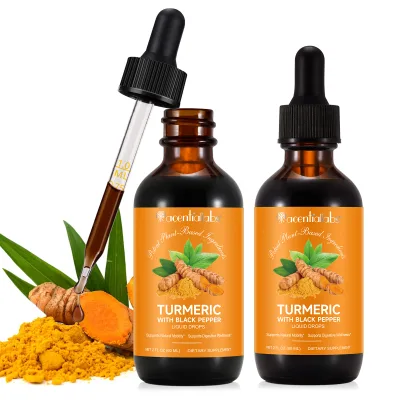


Nutrifirst OEM Echinacea Purpurea Liquid Drops Immune Support Herbal Supplements
$2.00 - $5.00
MOQ: 5000 Bottles

Immune Support Black Elderberry Vitamin C Liquid Drops for Upper Respiratory Health
$0.90 - $6.00
MOQ: 10000 Pieces


Customize Formula Ionic Quercetin Liquid Drops for Enhance Immune Function
$0.05 - $0.50
MOQ: 5000 Pieces


Comprehensive Sourcing Guide
Immune Support Turmeric Drops Sourcing Guide
Sourcing Immune Support Turmeric Drops requires a nuanced understanding of the supplement market’s diverse formulations and regulatory landscapes. These liquid supplements are primarily designed for adults seeking natural antioxidant and immune-boosting benefits, leveraging the bioactive properties of curcumin found in turmeric. Buyers must recognize that while the core ingredient remains consistent, the delivery formats vary significantly, ranging from oral liquid drops to gummy-style consumables and even tablet forms, each presenting distinct manufacturing and compliance challenges. The primary appeal lies in the convenience of liquid administration and the potential for higher bioavailability compared to solid dosage forms, making them a popular choice for health-conscious consumers.
Procurement decisions should be driven by a clear definition of the target demographic and the specific efficacy claims intended for the final product. The observed market signals indicate a strong focus on unisex applications suitable for middle-aged and elderly populations, while explicitly excluding newborns due to safety and dosage considerations. Buyers need to evaluate whether their brand strategy aligns with the "natural" and "organic" attributes frequently highlighted in listings, as these claims often dictate stricter sourcing requirements for raw materials. Furthermore, the customization options available, such as private labeling and OEM services, allow brands to tailor flavor, color, and packaging to their specific market positioning, but this flexibility requires careful management during the initial supplier engagement phase.
Product Scope and Observed Listing Signals
The current market landscape for turmeric-based immune support drops exhibits a wide variance in product types and physical attributes. Listings indicate the presence of oral liquid drops, gummies, and tablets, all marketed under names such as "Turmeric Curcumin Liquid Drops" or "Turmeric Gold Liquid Drops." This diversity suggests that suppliers often offer multi-format capabilities, allowing buyers to select the most suitable delivery mechanism for their brand identity. The observed price range is notably broad, spanning from minimal entry-level costs to higher-tier pricing, which reflects differences in ingredient purity, certification levels, and packaging complexity. Buyers should interpret these price variations as indicators of quality tiers rather than direct cost comparisons, as lower prices may correlate with basic formulations or bulk industrial packaging.
Packaging and customization signals reveal a strong emphasis on brand differentiation and logistical efficiency. Most products are offered in box or carton packaging, with options for bulk packing, bottle packing, or blister packaging to suit different distribution channels. The availability of logo printing and customizable colors and flavors allows brands to create unique shelf presence, while the "private label" and "OEM/ODM" service tags indicate that suppliers are equipped to handle bespoke formulation requests. However, buyers must verify that the "customized" attributes do not compromise the integrity of the active ingredients, particularly when dealing with liquid formulations that may require specific preservatives or stabilizers to maintain shelf stability. The explicit mention of "insect prevention" storage notes highlights the importance of proper environmental controls during both manufacturing and warehousing.
Technical Specifications to Verify
Verifying the technical specifications of turmeric drops is critical to ensuring product consistency and consumer satisfaction. The dose per serving varies across observed listings, with some products specifying 2 ml per serving for liquid drops and others indicating 2 gummies per serving for solid formats. Buyers must clearly define the intended dosage unit and ensure that the supplier’s manufacturing capabilities align with these precise measurements. Additionally, the standard bottle sizes observed, such as 60 ml or customizable volumes, should be matched with the supplier’s filling accuracy and packaging line capabilities. Discrepancies between the stated dose and the actual volume delivered can lead to regulatory non-compliance and consumer dissatisfaction, making precise specification verification a non-negotiable step in the sourcing process.
The physical and chemical properties of the drops, including color, taste, and nutrient composition, require rigorous testing and validation. While some listings claim "no taste" or "customized" flavors, the actual sensory profile must be confirmed through sample evaluation, especially for products targeting sensitive consumer groups. The main ingredient is consistently identified as turmeric curcumin, but the concentration and extraction method can significantly impact efficacy. Buyers should request detailed specifications regarding the curcuminoid content and the presence of other nutrients, such as minerals, to ensure the product meets the claimed immune support and antioxidant benefits. Furthermore, the shelf life of 24 months observed in many listings must be validated through accelerated stability testing to ensure that the product maintains its potency and safety throughout its intended lifespan.
Compliance and Safety Documentation
Compliance with international and local regulatory standards is paramount when sourcing immune support supplements. The observed certifications, including KOSHER, QS, HACCP, GMP, and ISO, provide a baseline for assessing a supplier’s quality management systems. Buyers should verify the validity and scope of these certifications, ensuring that they cover the specific manufacturing processes for liquid drops and gummies. GMP certification, in particular, is essential for ensuring that the production environment meets strict hygiene and quality control standards, reducing the risk of contamination. Additionally, the "QS" certification indicates compliance with Chinese quality standards, which may be relevant for buyers sourcing from Chinese manufacturers, but international buyers should also ensure that the product meets the regulatory requirements of their target market, such as FDA guidelines in the United States or EFSA regulations in Europe.
Safety documentation must include comprehensive test results for heavy metals, pesticides, microbial contamination, and allergens. Although some listings claim "no side effects," this statement does not replace the need for rigorous safety testing. Buyers should require Certificates of Analysis (CoA) for each batch, verifying that the product is free from harmful contaminants and that the active ingredient content matches the label claims. The explicit exclusion of newborns from the target demographic highlights the need for clear labeling and safety warnings to prevent accidental ingestion by vulnerable populations. Furthermore, the "non-disposable" nature of some packaging components should be evaluated for environmental compliance, especially in markets with strict sustainability regulations.
Cost Drivers and Commercial Terms
Understanding the cost drivers behind turmeric drops is essential for accurate budgeting and margin analysis. The primary cost factors include the quality and source of the turmeric curcumin extract, the complexity of the formulation, and the level of customization required. Products with "organic" or "natural" claims typically command higher prices due to the cost of certified raw materials and the stricter supply chain audits required. Additionally, the choice of packaging, such as custom-colored bottles or specialized blister packs, can significantly impact the unit cost. Buyers should request detailed cost breakdowns to identify areas where savings can be achieved without compromising quality, such as optimizing packaging materials or consolidating shipments.
Commercial terms, including MOQ and lead times, play a crucial role in inventory management and cash flow planning. The observed MOQ range of 1 to 100,000 units offers flexibility for both small startups and large enterprises, but buyers must align their order quantities with their sales forecasts to avoid excess inventory. The customizable MOQ of 50-100 bottles per order allows for trial runs and small-batch testing, which is valuable for new product launches. However, buyers should be aware that lower MOQs may result in higher per-unit costs due to setup fees and reduced production efficiency. Lead times should be clearly defined in the contract, considering factors such as raw material availability, production scheduling, and shipping logistics, to ensure timely delivery and avoid stockouts.
Supplier Qualification and Quality Control
Supplier qualification is a multi-step process that goes beyond reviewing certifications and product samples. Buyers should conduct on-site audits or third-party inspections to verify the supplier’s manufacturing capabilities, quality control procedures, and supply chain transparency. The origin of the product, often listed as Shaanxi, China, should be verified to ensure that the facility meets international quality standards and has a robust track record in producing dietary supplements. Buyers should also assess the supplier’s R&D capabilities, particularly if custom formulations or private label services are required, to ensure they can innovate and adapt to changing market trends.
Quality control measures must be integrated into the procurement process from the initial sample stage to final delivery. Buyers should establish clear acceptance criteria for product attributes, including dosage accuracy, packaging integrity, and sensory characteristics. Regular quality audits and batch testing should be mandated to ensure consistent product quality over time. The availability of samples, such as "Turmeric Curcumin Liquid Drops Available," allows buyers to conduct preliminary evaluations, but these should be supplemented with rigorous testing of production batches. Additionally, buyers should implement a robust feedback loop with the supplier to address any quality issues promptly and continuously improve the product and service.
Long-Term Procurement Checks
Long-term procurement success depends on establishing a strategic partnership with suppliers that prioritizes continuous improvement and risk management. Buyers should regularly review supplier performance metrics, including on-time delivery rates, product quality consistency, and responsiveness to issues. Building a diversified supplier base can mitigate risks associated with supply chain disruptions, such as raw material shortages or geopolitical tensions. Buyers should also stay informed about regulatory changes in their target markets and ensure that their suppliers are compliant with the latest standards. This proactive approach helps maintain product integrity and brand reputation over time.
Sustainability and ethical sourcing practices are increasingly important considerations for long-term procurement strategies. Buyers should evaluate their suppliers’ environmental policies, including waste management, energy usage, and sustainable packaging options. The "natural" and "organic" attributes of turmeric drops align with growing consumer demand for environmentally responsible products, making it essential to verify that the supply chain adheres to sustainable practices. Additionally, buyers should consider the social impact of their sourcing decisions, ensuring that suppliers provide fair labor practices and safe working conditions. By integrating these factors into their procurement strategy, buyers can build a resilient and responsible supply chain that supports long-term business growth.
FAQs
What certifications do the turmeric drops have?
The products hold KOSHER, QS, HACCP, GMP, and ISO certifications. These standards ensure quality and safety for adult consumption while meeting international regulatory requirements for nutritional supplements.
Can I customize the flavor and packaging?
Yes, customization is available for flavor, color, and packaging types like boxes or bottles. Buyers can request private label services and OEM options to match specific brand requirements.
What is the minimum order quantity for these drops?
The minimum order quantity ranges from 50 to 100 bottles depending on the specific customization needs. This flexible MOQ allows buyers to start with smaller batches before scaling up production.
How long is the shelf life of the product?
The shelf life is 24 months when stored in a cool, dry place. Proper storage prevents insect infestation and maintains the effectiveness of the turmeric curcumin ingredients during this period.
Are samples available for testing before bulk orders?
Samples of Turmeric Curcumin Liquid Drops are available for evaluation. Buyers can test the product quality and effectiveness before committing to larger orders that meet their specific sourcing needs.
What are the main ingredients in the drops?
The main ingredient is Turmeric Curcumin, which provides immune support and antioxidant benefits. These natural resources are formulated to be sugar-free and low-fat for adult nutritional supplementation.
Where are these turmeric drops manufactured?
The products originate from Shaanxi, China. This location serves as the primary production hub for the various turmeric drop formulations offered by the suppliers in this category.