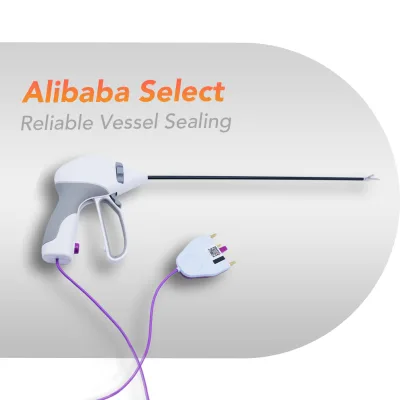
Source Reusable Ligasure Vessel Sealer for Surgery
Find 30 listings for the Reusable Ligasure Vessel Sealer to compare specifications like sterilization methods, shaft lengths, and power requirements. Buyers can evaluate options from Chinese manufacturers offering OEM services and various certifications.
Key considerations
Products List

Vessel Sealer Ligasure Vessel Laparoscopic Ligasure Vessel Sealing Forceps
$1000.00 - $1100.00
MOQ: 1 Pieces


China Ligasure Vessel Sealer with Vessel Fusion Diathermy Machine for Clinic
$170.00 - $200.00
MOQ: 1 Pieces

Surgical Operation Use Ultrasonic Scalpel System Ligasure Vessel Sealing Machine
$100.00 - $150.00
MOQ: 1 Pieces

High Frequency Electrosurgical Generator Ligasure Vessel Sealing Electrosurgical Unit
$999.00 - $1499.00
MOQ: 1 Pieces


Ligasure Maryland Jaw Open and Laparoscopic Sealer for Vessel Sealing Generator
$300.00 - $600.00
MOQ: 1 Pieces

Vessel Sealing Ligasure Maryland Jaw Open and Laparoscopic Sealer (LG3705C)
$200.00 - $250.00
MOQ: 1 Pieces

Ligasure Maryland Jaw Open and Laparoscopic Sealer for Vessel Sealing Generator for Animals
$200.00 - $250.00
MOQ: 1 Pieces

Ligasure Maryland Jaw Open and Laparoscopic Sealer for Vessel Sealing Generator (LG3705C)
$200.00 - $250.00
MOQ: 1 Pieces

Vessel Sealing Generator Veterinary Use Ligasure Electrosurgical Unit Ligasure with Generator
$6200.00 - $9500.00
MOQ: 1 Pieces


Ligasure Vessel Sealing Electrosurgical Generator with Ligation Surgical Equipment
$800.00 - $3000.00
MOQ: 1 Pieces


Ligasure Vessel Sealing Surgical Machine High Frequency Electrosurgical Generator
$150.00 - $250.00
MOQ: 1 Pieces

Comprehensive Sourcing Guide
Strategic Sourcing Guide for Reusable Ligasure Vessel Sealer Systems
Procuring reusable vessel sealing instruments requires a rigorous understanding of the intersection between surgical precision, regulatory compliance, and long-term operational costs. The core keyword "Reusable Ligasure Vessel Sealer" points to a specific category of electrosurgical devices designed to seal blood vessels prior to cutting, minimizing blood loss and reducing operative time. For procurement professionals, the challenge lies not merely in finding a supplier, but in validating that the supplied equipment meets the exacting standards of modern surgical environments while adhering to strict safety protocols. This guide outlines the critical factors buyers must evaluate, drawing upon observed market data and established industry practices to ensure a secure and compliant supply chain.
Technical Specifications and Functional Requirements
The technical architecture of a reusable vessel sealer system is defined by its ability to deliver consistent energy while maintaining mechanical integrity over multiple sterilization cycles. When evaluating potential units, buyers must scrutinize the specific configuration of the main unit and its associated components. Market observations indicate that complete systems often include a primary control unit, typically supplied as one piece, accompanied by specific handpieces or applicators. For instance, documented configurations have included a main unit paired with manual electric pens, often supplied in quantities of two pieces per set, alongside necessary accessories like negative electrode tablets.
The physical dimensions and material composition of the instrument are equally critical. The shaft length and overall size must align with the specific surgical procedures intended, such as abdominal operations. Available specifications in the current market range from standard lengths of 33cm to more specialized dimensions like 370mm, with shaft diameters varying between 5mm and 10mm to accommodate different vessel sizes. The material composition is a primary determinant of durability; while some components may be constructed from plastic for insulation or specific grip areas, the functional jaws and shafts are predominantly made of steel to withstand the rigors of repeated use. Furthermore, the design often features detachable parts, such as 2-part or 3-part configurations, which can facilitate easier cleaning and maintenance, though this must be balanced against the risk of component loss during sterilization.
Compliance and Certification Verification
In the medical device sector, compliance is not optional; it is the foundation of market entry and clinical adoption. Buyers must verify that the product possesses valid certifications from recognized international bodies. Observed product data frequently references ISOCE and CE certifications, which are essential for demonstrating conformity with European and international safety standards. Additionally, for markets requiring stricter regulatory oversight, such as the United States, the presence of FDA certification is a critical indicator of a supplier's commitment to quality and safety.
Beyond general certifications, specific product standards provide a roadmap for performance expectations. Buyers should look for adherence to standards such as LA01-05 or specific model-based standards like RZ04-5S/RZ04-5M, which often denote specific jaw configurations or operational parameters. The standard "appliers for endoscopic operation" is another key designation that confirms the instrument's suitability for minimally invasive procedures. It is vital to note that while a supplier may claim compliance, the buyer must request and verify the actual documentation for each batch. The presence of Ethylene Oxide (EO) sterilization is a common attribute, ensuring the device is safe for direct patient contact upon delivery. However, the buyer must confirm that the sterilization method is appropriate for the specific materials used, particularly when the device includes both metal and plastic components.
Cost Drivers and Pricing Dynamics
The pricing structure for reusable vessel sealers is influenced by a complex array of factors, including technological sophistication, material quality, and the extent of customization. The observed price range in the market spans from approximately 80 USD to 9,500 USD, a variance that reflects the difference between basic handpieces and comprehensive system packages. This wide range suggests that the "Main Unit" and the specific "Type" of the system (e.g., Digital Imaging System vs. basic surgical instrument) significantly impact the final cost.
Several specific cost drivers should be analyzed during the procurement process. First, the inclusion of advanced features such as an LCD display or specific frequency capabilities (e.g., a main frequency of 512kHz) will elevate the price point. Second, the level of customization, such as the ability to add a logo or select a customized color, often incurs additional charges, although some suppliers may offer these services without extra cost depending on the order volume. Third, the packaging method plays a role; while standard export packing is common, specialized packaging like blister packs or paper-plastic bags may be required for specific logistics or regulatory reasons, affecting the overall unit cost. Buyers should also consider the Minimum Order Quantity (MOQ), which in many observed cases is as low as 1 unit, allowing for flexible procurement strategies without the burden of large initial inventory commitments.
Typical Applications and Surgical Utility
Understanding the intended application of the vessel sealer is essential for matching the right equipment to the surgical team's needs. The primary application for these devices is abdominal surgery, where the ability to seal vessels of varying sizes is paramount. The specific design features, such as small jaw curved tips or medium-sized jaws, are tailored to provide optimal access and sealing performance in confined anatomical spaces. The "Reusable" attribute is a key selling point, distinguishing these instruments from single-use alternatives and offering a cost-effective solution for high-volume surgical centers.
The versatility of the system is often highlighted by its compatibility with different surgical approaches. For example, the specification "appliers for endoscopic operation" indicates that the device is suitable for laparoscopic procedures, which require instruments with precise control and compact designs. The detachable nature of some models, offering 2 or 3 parts, allows for greater flexibility in handling and cleaning, which is particularly beneficial in complex surgical environments. Additionally, the presence of features like "Manual Electric Pen" functionality suggests that the device can be operated with varying degrees of manual control, catering to different surgeon preferences and procedural requirements.
Supplier Evaluation and Operational Logistics
Selecting a reliable supplier involves more than just comparing price lists; it requires a deep dive into the supplier's operational capabilities and logistical support. The origin of the product is a significant factor, with the majority of observed products originating from China, specifically regions like Jiangsu. This geographic concentration often indicates a mature supply chain for medical devices, but it also necessitates rigorous vetting of the supplier's quality management systems. Buyers should verify the supplier's ability to provide consistent quality, as indicated by the "High-Quality Standard" attribute often found in product descriptions.
Logistical considerations are equally important. The shipping methods available, such as DHL, UPS, FedEx, EMS, and TNT Air Cargo, offer flexibility but also introduce variables in lead time and cost. Buyers must confirm the estimated lead times and ensure that the shipping method aligns with the urgency of their procurement needs. Furthermore, the packaging details, such as the "Carton Box" or "Standard Packing Export," must be evaluated to ensure the product arrives in optimal condition. The ability of the supplier to accept OEM (Original Equipment Manufacturer) services is another critical factor, allowing hospitals or distributors to brand the equipment according to their own standards, provided the underlying quality remains uncompromised.
Quality Control and Long-Term Procurement Strategy
Ensuring the long-term viability of the procurement strategy requires a robust quality control framework. The "Quality" attribute, often described as a "High-Quality Standard," must be backed by tangible evidence, such as test results or third-party audit reports. Buyers should prioritize suppliers who demonstrate a commitment to continuous improvement and adherence to international standards. The material composition, particularly the use of steel for critical components, must be verified to ensure resistance to corrosion and mechanical fatigue over multiple sterilization cycles.
Long-term procurement considerations also include the availability of spare parts and the ease of maintenance. The "Detachable" feature, while offering cleaning advantages, also implies that the system must be designed to withstand repeated assembly and disassembly without degradation. Buyers should inquire about the warranty terms and the supplier's support infrastructure for troubleshooting and repairs. Additionally, the "Customization" aspect, including options for logo printing and color selection, should be leveraged to align the equipment with the institution's branding and operational protocols. By focusing on these strategic elements, buyers can secure a supply of reusable ligasure vessel sealers that not only meet immediate surgical needs but also support the long-term efficiency and safety goals of their healthcare facility.
Comparative Analysis of Key Product Attributes
To facilitate a clearer understanding of the market landscape, the following table summarizes the key attributes observed in the current supply of reusable vessel sealer systems. This comparison highlights the diversity in specifications and standards that buyers must navigate.
| Attribute Category | Observed Variations | Key Considerations for Buyers |
|---|---|---|
| Certification | ISOCE, CE, FDA, ISOCE | Verify validity and scope; FDA is critical for US markets. |
| Material | Plastic, Steel | Steel for durability; Plastic for insulation/grip. Check corrosion resistance. |
| Dimensions | Length: 230/370/440mm; Shaft: 370mm | Match to surgical procedure requirements (e.g., abdominal vs. endoscopic). |
| Packaging | Carton, Blister/Paper-Plastic Bag, Standard Export | Ensure packaging protects delicate components during transit. |
| Sterilization | Ethylene Oxide (EO) | Confirm compatibility with hospital sterilization protocols. |
| Features | Detachable (2/3 parts), LCD Display, Reusable | Assess ease of cleaning and user interface requirements. |
| Origin | China, Jiangsu | Evaluate supplier location for logistics and supply chain stability. |
| Customization | Logo Printing, Color, OEM | Determine if branding or specific color coding is required. |
In conclusion, sourcing a Reusable Ligasure Vessel Sealer system is a multifaceted process that demands attention to technical detail, regulatory compliance, and strategic supplier selection. By rigorously evaluating the specifications, certifications, and logistical capabilities of potential suppliers, buyers can ensure they acquire equipment that enhances surgical outcomes while maintaining the highest standards of safety and efficiency. The wide range of available options, from basic handpieces to advanced digital systems, allows for tailored procurement strategies that align with the specific needs of any surgical department.
FAQs
What certifications do reusable ligasure vessel sealers typically have?
These devices commonly carry ISOCE, CE, and FDA certifications to ensure international safety compliance. Buyers must verify that the specific batch includes valid documentation for each standard, as FDA approval is critical for US market entry while CE and ISOCE apply to European and global standards.
How are these instruments sterilized before delivery?
Most units undergo Ethylene Oxide sterilization to ensure safety for direct patient contact. This method is selected to accommodate the mix of steel and plastic materials used in the construction, ensuring the device remains sterile and ready for immediate surgical use upon arrival.
Which materials are used for the main shaft and jaws?
The functional shafts and jaws are predominantly constructed from steel to withstand repeated sterilization cycles. Plastic components are often used for insulation or grip areas, balancing durability with the need for electrical safety during high-frequency electrosurgical procedures.
Can the product be customized with a logo or color?
Customization is available for logo printing and selecting a customized color to match institutional branding. While OEM services are accepted, the specific cost and minimum order quantity for these customizations may vary depending on the supplier and the complexity of the design request.
What is the typical price range for these systems?
The observed market price range spans from approximately 80 USD to 9,500 USD. This variance reflects differences between basic handpieces and comprehensive system packages that include a main unit, LCD displays, and advanced frequency capabilities like 512kHz.
Where are these medical devices typically manufactured?
The majority of observed products originate from China, with specific manufacturing hubs located in Jiangsu. This geographic concentration indicates a mature supply chain, though buyers should still verify the supplier's quality management systems and ability to maintain high-quality standards consistently.
What shipping methods are available for these instruments?
Suppliers typically offer shipping via DHL, UPS, FedEx, EMS, or TNT Air Cargo for rapid delivery. Buyers must confirm the estimated lead times and ensure the selected shipping method aligns with the urgency of their procurement needs and the specific packaging requirements for export.