Source in-ear phone for Mobile Phones, Computers, and DJ Use
Find 30 in-ear phone options with Bluetooth, multimedia, and RF functions. Compare models like ER3.5M018 and K0398 featuring IPX-4 or IPX-5 waterproof standards, varying battery charging times, and customization availability for mobile phones, computers, and call centers; compare the available evidence and request quotations based on your requirements.
Updated
Key considerations
Products List
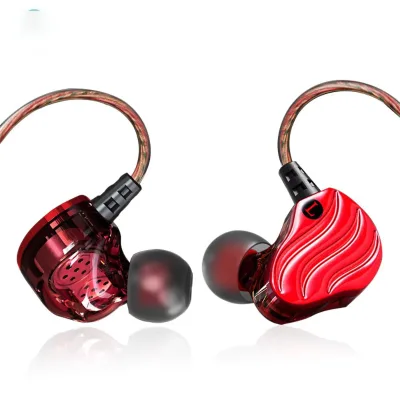


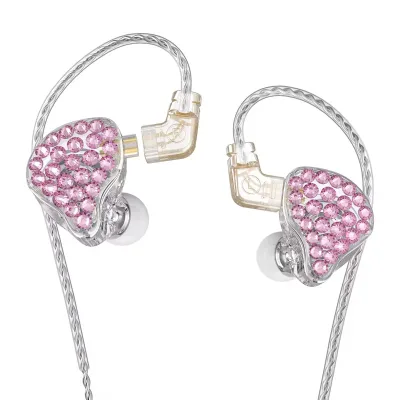
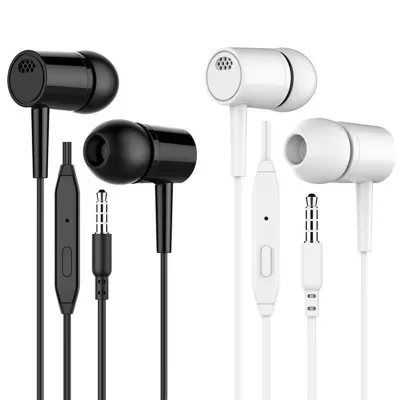
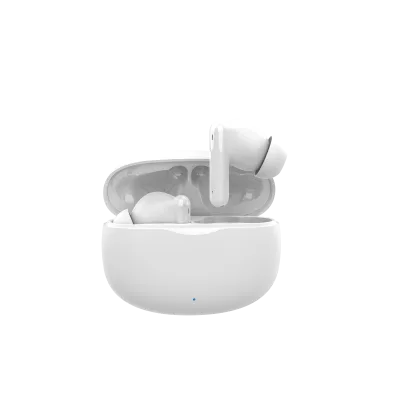
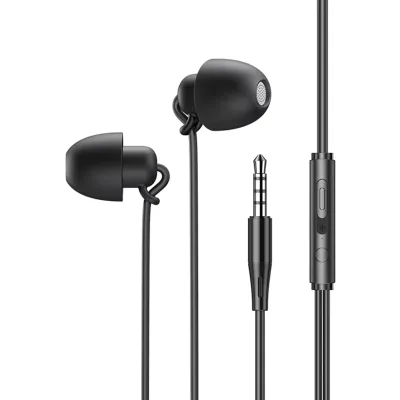
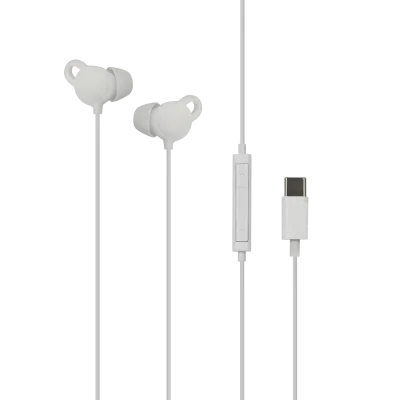
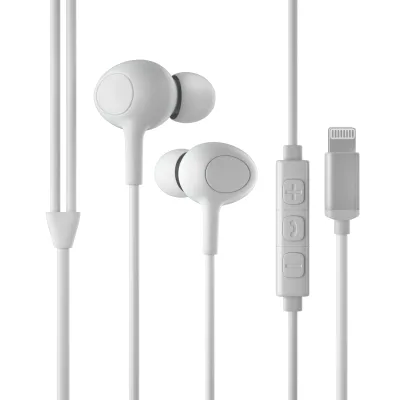
Sleep Comfort Wired Earphone HD Mic In-Ear Fashion Design Lightweight Portable Wired Headphone
$0.7405 - $0.8123
MOQ: 100 pieces
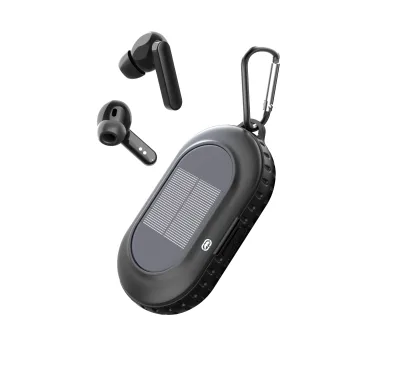
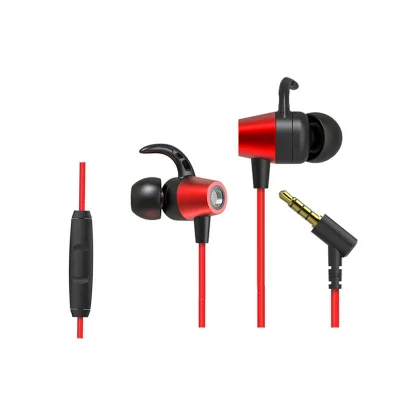
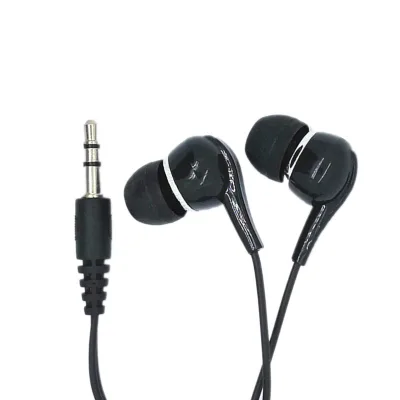


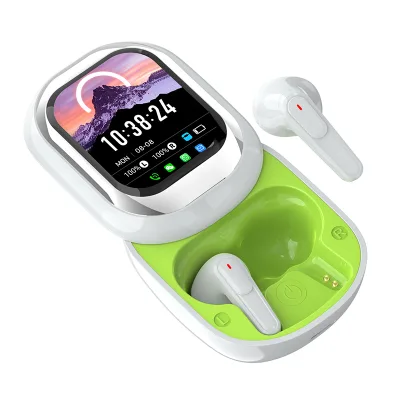
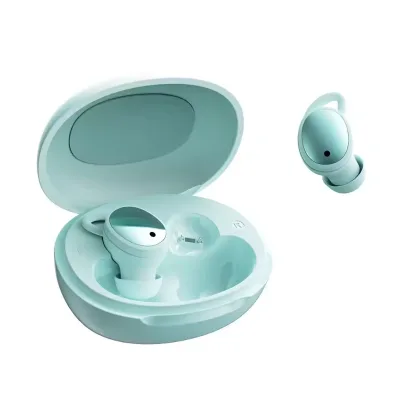
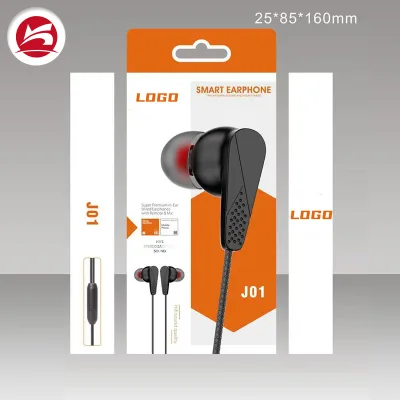

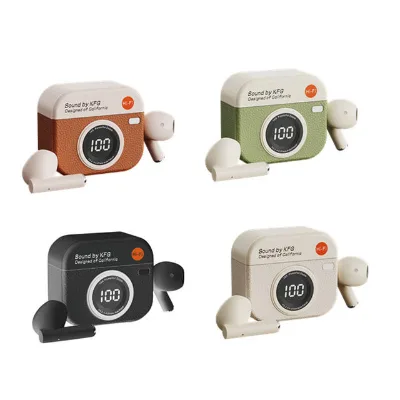
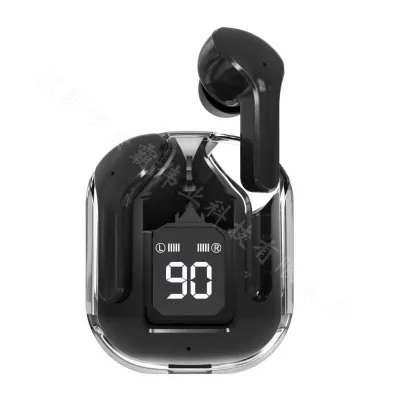
in Ear Ultra Long Battery Life Digital Display High Battery Wireless Earphones
$6.00 - $7.00
MOQ: 100 Pieces
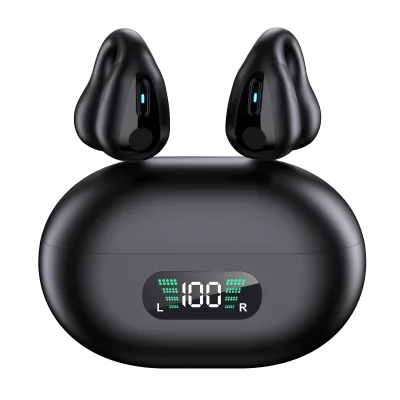
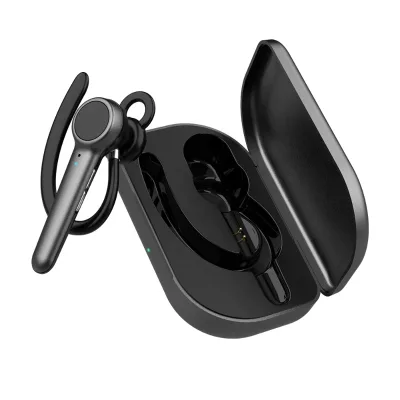
New Arrival Hot Sale Business Calling In-ear Wireless V5.0 Earbids Earphone For Driver
$18.9154 - $19.445
MOQ: 1000 pieces
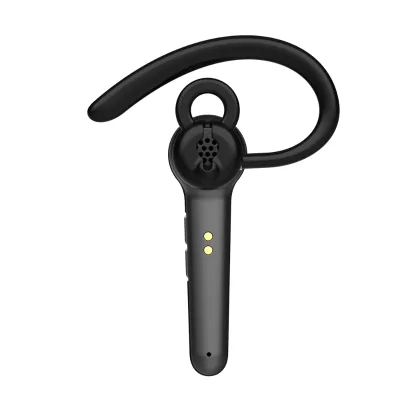
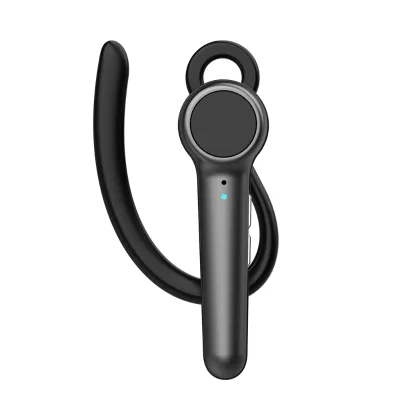
New Arrival Ear Band Wireless V5.0 Business Earphone For Handfree Work
$18.22 - $18.73
MOQ: 1000 pieces


Comprehensive Sourcing Guide
In-Ear Phone Sourcing Guide
In-ear phones remain one of the most requested consumer audio accessories in B2B procurement, spanning wired models for basic mobile phone use and true wireless stereo (TWS) earbuds with Bluetooth connectivity. This guide is written for importers, distributors, and retail buyers who need to evaluate supplier listings systematically before committing to samples or production orders. The observations referenced throughout come from typical product-page data found on B2B marketplaces, including attributes such as model numbers, waterproof ratings, charging times, and certification mentions.
The purpose of this guide is to translate scattered listing attributes into a structured verification workflow. Buyers should treat every product-page claim as a seller observation rather than a guaranteed specification, and should confirm each attribute through samples, documentation, and staged quality checks. The sections below follow the natural order of a procurement cycle: defining product scope, verifying technical specifications, checking compliance documentation, negotiating commercial terms, qualifying suppliers, and establishing long-term monitoring practices that protect margin and brand reputation over repeated orders.
Product Scope and Observed Listing Signals
The observed listings cover two broad product families. The first is wired in-ear earphones positioned for smart mobile phones, with attributes such as volume control, foldable design, color options including white and multi-color variants, and support for OEM services with customer logos and color box packaging. The second family is wireless TWS earbuds, described with Bluetooth v5.3 connectivity, in-ear style, dual-track sound, and features such as power display and multimedia function. Model identifiers like ER3.5M018, CL25122075, CL25122060, and K0398 appear across listings, alongside internal product codes such as APPN-EP003.
Listing signals also reveal commercial posture. Customization is explicitly marked as available in some listings, free samples are offered with customized sample options, warranties of 12 months are stated, and chipsets from the JL family are named. Observed price points range from roughly $0.27 to $25, and MOQs span from 1 to 5,000 units, indicating a market that serves both small trial buyers and large-volume distributors. Buyers should map these signals against their own channel requirements before shortlisting, since a listing optimized for bulk retail distribution will differ materially from one aimed at promotional or gift-channel volumes.
Technical Specifications to Verify
For wireless models, verify the complete radio and battery profile. Observed listings cite Bluetooth v5.3, a wireless delay time of 31-40 ms, Class B distance version, HSP specification support, and dual-track sound. Battery-related attributes show charging times ranging from 1-3 hours to 3-5 hours, battery capacities of 200-500 mAh, and battery indicator presence marked as "NO" in some listings despite a "Power Display" characteristic claimed elsewhere. These apparent conflicts are exactly why buyers should request a dated specification sheet and cross-check it against physical sample measurements before mass production.
For physical and acoustic attributes, confirm in-ear fit, noise cancellation behavior, and environmental ratings. Some listings state Active Noise Cancellation (ANC) and Environmental Noise Cancellation (ENC), while others explicitly declare "No Noise Cancellation," so the buyer must define which tier they are sourcing. Waterproof standards cited include IPX-4 and IPX-5; verify which rating applies to the earbuds versus the charging case, as these are frequently conflated. Also confirm unit dimensions, such as the observed 4.3 x 5.0 x 3.0 cm package size and 10105 standard, to validate retail packaging and carton calculations.
Compliance and Safety Documentation
Observed listings reference CE, RoHS, and FCC certificates. Buyers should never accept a certification name in a listing as proof of compliance; request the actual certificate documents, verify that the certificate holder matches the legal entity you are contracting with, and confirm that the covered model numbers match the products being quoted. Bluetooth products with radio functionality require radio-equipment compliance in destination markets, so clarify which version of each certificate applies and whether test reports from accredited laboratories are available for review.
Beyond the three commonly cited marks, buyers should determine their own destination-market obligations independently, since a listing's certificate list reflects only what the seller has chosen to display. For battery-containing wireless products, ask about transport documentation for lithium cells and any applicable battery safety documentation the supplier can support. Keep a compliance file per model, including certificates, test reports, and the signed specification sheet, and require written notification from the supplier whenever a component, chipset, or firmware change could affect compliance status. This file becomes essential evidence if customs authorities, retailers, or platform operators request proof during audits or spot checks.
Cost Drivers and Commercial Terms
Observed pricing from roughly $0.27 to $25 reflects the enormous spread between basic wired units and feature-rich TWS earbuds with ANC. Major cost drivers include the chipset (JL-family chips are commonly cited in this segment), battery capacity within the 200-500 mAh range, noise cancellation tier, waterproof rating, and customization depth. OEM services, customer logos, and color box packaging add per-unit and tooling costs that should be quoted separately. Request an itemized cost breakdown so that negotiation targets specific components rather than a single blended price.
Commercial terms observed in the listings include MOQs from 1 to 5,000 units, single-item selling units, original packaging, free sample offers, and 12-month warranties. When negotiating, align the MOQ with your trial-order strategy: a low-MOQ listing is valuable for market testing but usually carries a higher unit price. Clarify what the warranty actually covers, who bears return freight, and how defective-unit allowances are calculated. Confirm Incoterms, payment terms, and whether the quoted price holds for a defined volume band, and document all of these points in a purchase agreement rather than relying on chat summaries.
Supplier Qualification and Quality Control
Qualify suppliers in stages. Begin with documentation review: business license, the certification file described above, and a specification sheet matching the listing attributes such as Bluetooth version, charging time, and waterproof standard. Proceed to a sample evaluation using the offered free or customized samples, testing pairing stability, delay within the stated 31-40 ms class, call quality against the HSP profile, and charging behavior. For customized orders, approve a golden sample and a pre-production sample before mass production begins, especially when logos, color boxes, or packaging inserts are involved.
Define inspection checkpoints for production orders. A typical sequence includes incoming material inspection, in-line checks during assembly, and a final random inspection against an agreed AQL level before shipment. Specify test points in the inspection checklist: pairing success rate, charge-discharge cycling, button or capacitive touch function (some listings note a capacitive principle), cosmetic standards, and packaging drop checks. Record the model number and production batch on every inspection report so that warranty claims can be traced. Suppliers offering 12-month warranties should also demonstrate how they process claims, so request their RMA procedure in writing during qualification.
Long-Term Procurement Checks
Sustained sourcing success depends on monitoring consistency across repeat orders. Re-verify key specifications on every new batch, because attributes such as battery capacity, chipset sourcing, and waterproof performance can drift without notice, particularly when suppliers substitute components to protect margins. Track first-pass yield and defect rates per shipment and per model, and maintain a scorecard covering quality, on-time delivery, documentation accuracy, and responsiveness. Share the scorecard with the supplier periodically; suppliers who engage constructively with performance data are generally safer partners for volume growth.
Also plan for product lifecycle and channel changes. Firmware and Bluetooth stack behavior can affect compatibility with new phone releases, so schedule periodic compatibility spot checks on current retail handsets. If you private-label products, ensure logo, packaging, and regulatory marking files are version-controlled and that reorders reproduce the approved artwork. Review certification validity dates ahead of renewals rather than discovering lapses at customs. Finally, maintain at least one qualified alternate supplier per product family, qualified through the same sample and documentation process, so that a single factory's disruption does not interrupt your supply commitments to retail or distribution customers.
Building a Repeatable Sourcing Workflow
Consolidate the steps above into a documented workflow that any member of your procurement team can execute. A practical sequence is: listing screening against your specification checklist, sample request and evaluation, compliance file assembly, cost and term negotiation, supplier qualification with trial order, batch inspection, and post-shipment performance tracking. Each stage should have defined acceptance criteria and a named approver, so that decisions are auditable and new buyers can ramp quickly. Keep all evidence — samples, reports, certificates, and correspondence — organized by model number and supplier.
Treat product-page attributes as hypotheses, not conclusions. The listing data referenced in this guide, from charging times and delay figures to waterproof ratings and certification mentions, is a starting point for verification, and disciplined buyers confirm every load-bearing claim through samples, documents, and inspections. With that discipline in place, the wide price and MOQ range observed in this category becomes an opportunity rather than a risk: buyers can source promotional wired units at the low end, premium ANC-equipped TWS models at the high end, and scale volumes confidently as performance data accumulates across orders.
FAQs
How long does the battery take to charge on these in-ear phones?
Charging times listed for the in-ear phone models range from 1-3 hours, 2-3 hours, and 3-5 hours depending on the specific model. Battery capacities fall between 200-500mAh. Confirm the charging time and capacity with the supplier before ordering, since figures vary by model and configuration.
What certifications do the in-ear phone products carry?
Listed products report CE, RoHS, and FCC certificates. These cover basic safety, environmental, and radio compliance for many markets. Always request copies of current certificates from the supplier and verify they apply to the exact model number you intend to purchase, as certifications can differ per listing.
Can the in-ear phones be customized with a customer logo?
Yes, customization is available, and customer logos are acceptable on the wired earphone listings. Suppliers also offer OEM service and welcome customized samples, with free samples offered on some listings. Discuss logo placement, packaging, and sample costs directly with the supplier before placing a bulk order.
Which wireless in-ear phone models support Bluetooth 5.3?
The TWS earbuds listing specifies Bluetooth v5.3 with a chipset listed as JL. This model also advertises ANC and ENC noise cancellation and dual-track sound. Because specifications vary across the 30 listed products, check the model number and specification sheet before committing to an order.
How water resistant are the in-ear phone listings?
Two waterproof standards appear in the listings: IPX-4 and IPX-5. IPX-4 resists splashing water, while IPX-5 withstands low-pressure jets. Neither rating means the earphones are suitable for swimming. Confirm which standard applies to the specific model you select and treat the rating as splash protection only.
What is the minimum order quantity for in-ear phone orders?
Observed MOQs across the listings range from 1 piece to 5,000 pieces, so requirements vary widely by supplier and model. Lower MOQs usually apply to stock items, while customized orders may require higher quantities. Ask each supplier for the MOQ tied to your chosen model and customization level.
Can I request samples before placing a bulk in-ear phone order?
Yes, some listings offer free samples and welcome customized samples. Samples typically let you evaluate sound quality, fit, charging behavior, and packaging before committing. Clarify whether sample fees and shipping costs are refundable against a bulk order, and confirm lead time for customized sample versions.
What warranty applies to the wired in-ear phone models?
The wired earphone listings state a 12-month warranty. This generally covers manufacturing defects rather than damage from misuse or water exposure. Confirm the warranty terms in writing, including whether replacements or repairs are provided, and whether the warranty applies to customized logo orders.