Low Latency Sleep Earplugs Suppliers and Manufacturers
Compare 18 verified suppliers offering Low Latency Sleep Earplugs with details on location, lead times, certifications, and response times. Review product specifications like NRR and customization options before contacting factories in China for quotes; review the available evidence before requesting comparable quotations from suitable candidates.
Suppliers List

Guhua Industrial Corporation Limited
- Verified by SGS
- Trading Company
- China Shanghai
- Lead time30 days
- Avg. response≤ 9h
Main productsSafety Shoes, Coveralls, Safety Gloves, Safety Glasses, Earplug, Earmuff, Safety Gogglees, Earplugs, Working Gloves
Main marketsSouth America,Southeast Asia/ Mideast,East Asia(Japan/ South Korea),Europe,Australia,North America


$0.07 - $0.07
MOQ: 200000 Pieces

Hearing Protection Ear Plugs for Sleeping Noise Cancelling Silicone Earplugs
$0.10 - $0.11
MOQ: 200000 Pieces

Cheap Factory Price Foam Earplugs Industrial Noise Reduction Earplugs Soundproof Sleep Earplugs
$0.10 - $0.11
MOQ: 200000 Pieces

$0.10 - $0.11
MOQ: 200000 Pieces

Qingdao Signal Technology Co., Ltd
- Verified by TUVRHEINLAND
- Trading Company,Manufacturer/Factory,Group Corporation
- China Shandong
- Lead time15 days
- Avg. response≤ 3h
Main productsPersonal Protective Equipment Supplier, Safety Products Supplier, Safety Gloves Manufacturer, Construction Safety Equipment, Road Safety Products, OEM PPE Supplier, Industrial Protection Solutions, Foot Protection, Respiratory Protection, Safety Shoes
Main marketsSouth America,Eastern Europe,Mid East,North America,Southeast Asia,Eastern Asia,Oceania,Western Europe,Africa

Xiamen Flying Silicone Rubber Co., Ltd.
- Verified by TUVRHEINLAND
- Trading Company,Manufacturer/Factory
- China Fujian
- Lead time23 days
- Avg. response≤ 12h
Main productsSilicone Rubber Auto Parts, Silicone Rubber Keypad, Silicone Rubber Gasket, Silicone Rubber O-Ring, Silicone Rubber Valve, Silicone Rubber Kitchenware, Plastic Injection Parts, Silicone Rubber Gifts, Silicone Medical Accessories, LSR Baby Care
Main marketsSouth America,Eastern Europe,North America,Southeast Asia,Western Europe

Anti-Noise Sleeping Plug Waterproof Silicone Sound Insulation Ear Protection Earplugs
$0.05 - $0.15
MOQ: 1000 Pairs


Hot Sell 29dB Silicone Eaplugs Sleeping with Cord Silicone Earplug for Noise Cancelling
$0.05 - $0.15
MOQ: 1000 Pairs


Good Performance Eco-Friendly Silicone Sleep Ear Plug Sleeping Noise Cancelling
$0.05 - $0.15
MOQ: 1000 Pairs

Xiamen Comfortlife Electronics Co., Ltd.
- Verified by SGS
- Manufacturer
- China Fujian
- Lead time30 days
- Avg. response≤ 8h
Main productsAnti Snore Device, Foot Massage, Personal Care Products
Main marketsSouth America,Australia,North America

Jinhua Toper Safety Equipment Co., Ltd.
- Combined
- China Zhejiang
- Lead time15 days
- Avg. response≤ 17h
Main productsSafey Helmet, Safety Glasses, Safety Goggle, Welding Helmet, Welding Goggle, Face Shield, Dust Mask, Half-Face Respirator, Earmuff, Earplugs
Main marketsDomestic

Henan Geesion Medical Devices Co., Ltd.
- Verified by BV
- Trading Company
- China Henan
- Lead time15 days
- Avg. response≤ 7h
Main productsPain Relief Patch, Cooling Gel Patch, Detox Foot Patch, Slimming Patch, Capsicum Plaster, Stop Smoking, Nasal Strips, Dental Mouthguard, Cough Relieve Patch, Wormwood Knee Patch
Main marketsSouth America,Africa,Southeast Asia/ Mideast,East Asia(Japan/ South Korea),Europe,Australia,North America


Hot Sale Silicone Waterproof Ear Protection Earplug Anti Noise Snoring Sleep Earplug
$0.20 - $0.45
MOQ: 1000 box

Soft Silicone Earplugs (Hot Selling) : Waterproof, Anti-Noise, Gentle for Sleeping & Snoring
$0.20 - $0.45
MOQ: 1000 box


Milesun Rubber & Plastic Technology Co., Ltd.
- Verified by CTI
- Manufacturer/Factory
- China Guangdong
- Lead time23 days
- Avg. response≤ 12h
Main productsRubber Components, Rubber Damper/Shock Absorber/Sheet, Rubber-Metal Components, Sealing Ring, Home Appliance Rubber and Metal Components, Power Tool Rubber and Metal Components, Auto Rubber and Metal Components, Sanitary Rubber and Metal Components, Kitchen Ware / Daily Use Rubber Products, Food Grade Rubber Products/Toy
Main marketsSouth America,Eastern Europe,Mid East,North America,Southeast Asia,Eastern Asia,Oceania,Western Europe,Africa

- Verified by SGS
- Manufacturer/Factory
- China Fujian
- Lead time45 days
- Avg. response≤ 4h
Main productsSilicone Bracelet, PVC Keychain, PVC Mats, Silicone Mold, Mouth Guard, Nasal Dilator, Ear Plugs, Lanyards, Toys, Keychains
Main marketsSouth America,Eastern Europe,Mid East,North America,Southeast Asia,Eastern Asia,Oceania,Western Europe,Africa

2 Pairs Earplugs for Sleeping Noise Cancelling Reusable Ear Plugs Silicone Ear Plug for Sleeping
$0.59 - $1.28
MOQ: 100 Pieces

$0.90 - $1.60
MOQ: 100 Pieces


JINHUA XINCHEN PROTECTION PRODUCTS CO., LTD.
- Verified by BV
- Trading Company
- China Zhejiang
- Lead time30 days
- Avg. response≤ 17h
Main productsSafety Helmet, Bump Cap, Walker&Rollator, Mobility Scooter, Safety Glasses, Masks, Face Shield, Earmuff
Main marketsSouth America,Southeast Asia/ Mideast,Europe

Noise Cancelling Sleep Earplugs with High Nrr for Comfortable Night Use
$0.09 - $0.20
MOQ: 5000 Pieces


Soft PU Foam Earplugs for Sleeping Snoring Noise Reduction with CE Certification
$0.09 - $0.20
MOQ: 5000 Pieces

KEYFUN SAFETY EQUIPMENT GROUP LIMITED
- Verified by SGS
- Manufacturer/Factory,Group Corporation
- China Zhejiang
- Lead time23 days
- Avg. response≤ 21h
Main productsAgro Sprayer, Ear Muffs, Safety Helmet, Face Shield, Respirator, Gas Mask, Solo Port 423 Mist Blower Power Sprayer, Capacitor, Knapsack Sprayer, Cooper Pegler Matabi Jacto Bp Sprayer
Main marketsSouth America,Eastern Europe,Mid East,North America,Southeast Asia,Eastern Asia,Oceania,Western Europe,Africa

Quanzhou Shengda Rubber Products Co., Ltd.
- Verified by TUVRHEINLAND
- Combined
- China Fujian
- Lead time15 days
- Avg. response≤ 4h
Main productsO Ring, Toilet Seat Hinge Top Fix Rubber Well Nut, Rubber Seal, Silicone Gasket, Silicone Washer
Main marketsEurope

Shenzhen Guangyufeng Rubber Co., Ltd.
- Verified by SGS
- Trading Company,Manufacturer/Factory
- China Guangdong
- Lead time23 days
- Avg. response≤ 3h
Main productsSilicone Product, Silicone Rubber Product, Baby Product, Silicone Tube, Silicone Rubber Roller, Silicone Sex Toy, Silicone Mold, Silicone Kitchenware, Silicone Case, Silicone Strap
Main marketsSouth America,Eastern Europe,Mid East,North America,Southeast Asia,Eastern Asia,Oceania,Western Europe,Africa

$0.05 - $0.10
MOQ: 500 Pieces


- Verified by CTI
- Trading Company
- China Zhejiang
- Lead time15 days
- Avg. response≤ 2h
Main productsWarning Vests, Safety Glasses, Welding Mask, Rain Coat, Work Wear, Gloves, Safety Shoes, Respirator
Main marketsSoutheast Asia/ Mideast,Europe,North America

Yangzhou Aplus Amenities International Co., Ltd.
- Verified by TUVRHEINLAND
- Combined
- China Jiangsu
- Lead time30 days
- Avg. response≤ 3h
Main productsHotel Amenity, Hotel Linen, Hotel Slipper, Hotel Soap, Hotel Shampoo, Hotel Shower Gel, Hotel Leather Products, Hotel Resin Tray, Plastic Tube, Plastic Bottle
Main marketsSoutheast Asia/ Mideast,Domestic,North America

ZHEJIANG SHALL TOOLS CO., LTD.
- Combined
- China Zhejiang
- Lead time23 days
- Avg. response≤ 11h
Main productsPower Tools, Garden Tools, Hand Tools, Pneumatic Tools, Automotive Accessories, Hardware, Fastener
Main marketsSoutheast Asia/ Mideast,Europe,Australia,North America

Noise Cancelling Reduction Hearing Protection Bulk PU Foam Earplugs Corded Ear Plugs for Sleep
$0.13 - $0.25
MOQ: 500 Pieces


Anhui Xianwei E-Commerce Co., Ltd
- Verified by TUVRHEINLAND
- Manufacturer/Factory
- China Anhui
- Lead time0 days
- Avg. response≤ 4h
Main productsLamp, Cup, Tent
Main marketsSouth America,Eastern Europe,Mid East,North America,Southeast Asia,Eastern Asia,Oceania,Western Europe,Africa

Shanghai Ostar Tools Int'l Co., Ltd.
- Trading Company,Manufacturer/Factory
- China Shanghai
- Lead time45 days
- Avg. response≤ 16h
Main productsOscillating Multi Tool Blades, Hole Saws, Jigsaw Blade, Reciprocating Saw Blade, Tct Saw Blade, Diamond Saw Blade, SDS Drill Bits, HSS Drill Bits, Cutting Disc, Cutting Tools
Main marketsSouth America,Eastern Europe,North America,Western Europe
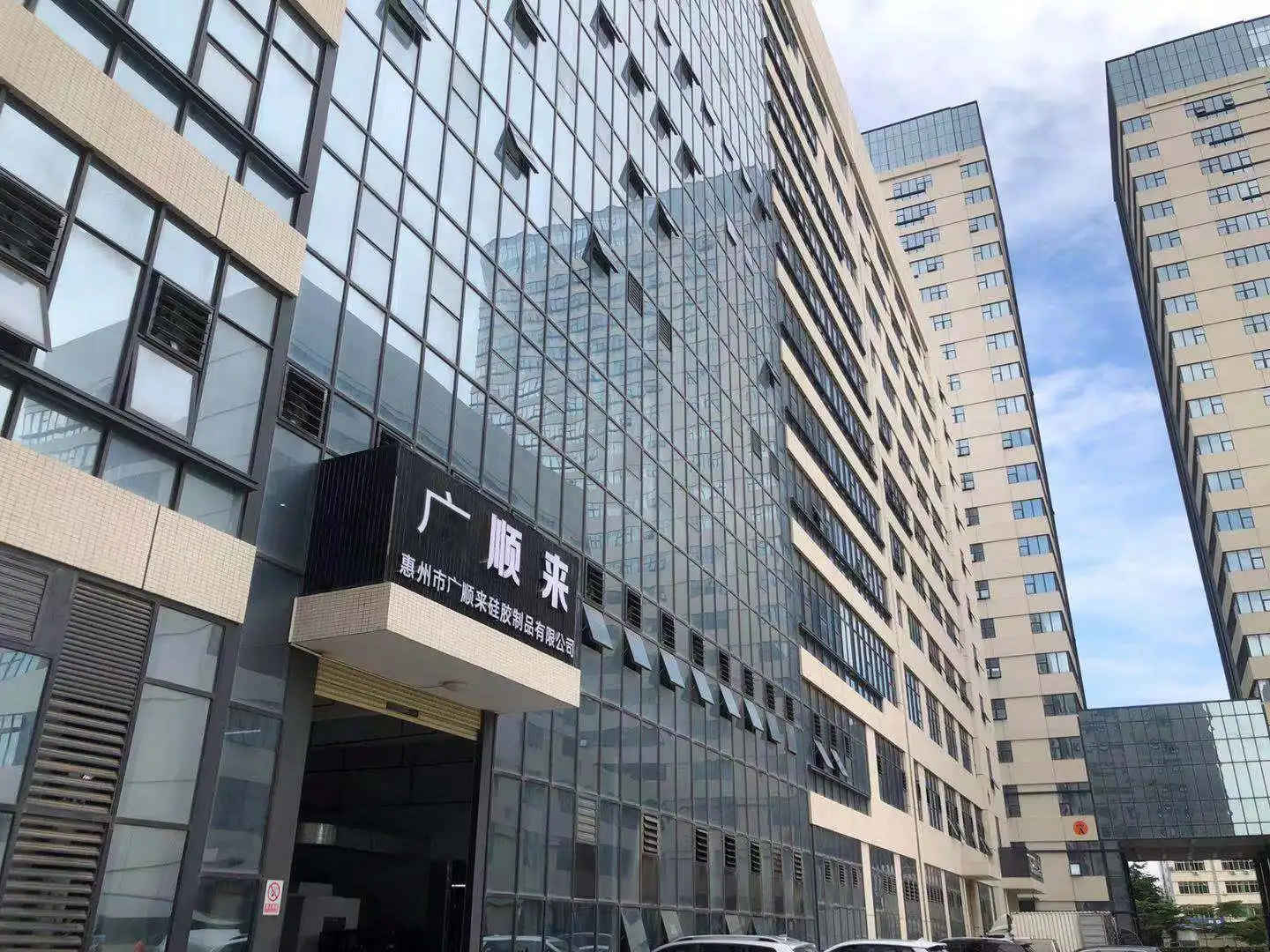
Huizhou Guangshunlai Industrial Co., Ltd.
- Trading Company
- Guangdong, China
- Lead time0 days
- Avg. response≤ 3h
Main productssilicone washing gloves,silicone cake mold,silicone ice cube tray,silicone bakeware,silicone kitchen accessories
Main marketsNorthern Europe(30.00%), North America(30.00%), Western Europe(10.00%), South America(5.00%), Eastern Europe(5.00%)


Comprehensive Sourcing Guide
Low Latency Sleep Earplugs Supplier Concentration and Factory Types
Current data indicates a concentration of suppliers in China, specifically within the Shanghai and Shandong regions, where trading companies and manufacturers coexist to serve the hearing protection market. In Shanghai, the primary business model observed is that of a trading company, which aggregates products like safety shoes, coveralls, and various earplugs from multiple sources. These entities often list main products including safety glasses, earplugs, and earmuffs, suggesting a broad portfolio rather than a specialized factory focus on a single earplug technology. The presence of these trading companies implies a sourcing strategy that relies on aggregating diverse inventory to meet varied buyer needs for personal protective equipment.
In contrast, the Shandong region presents a more complex supplier landscape, featuring a mix of trading companies, manufacturers, and group corporations. This area demonstrates a stronger manufacturing capability with explicit mentions of OEM and ODM capacities, alongside system certifications like ISO 9001. Suppliers here often list main products such as personal protective equipment, safety gloves, and construction safety equipment, indicating a deeper integration into industrial safety supply chains. While the Shanghai cluster appears to lean heavily on trading operations, the Shandong cluster offers a blend of direct manufacturing and trading, providing buyers with options for customized production or standard inventory procurement depending on their specific volume and customization requirements.
How to Verify Low Latency Sleep Earplugs Suppliers
Verification of suppliers in this category requires a rigorous check of third-party credentials and response metrics to ensure reliability. Several suppliers in the dataset have undergone verification by recognized bodies such as SGS and TÜV Rheinland, which serves as a primary indicator of operational legitimacy. Buyers should prioritize suppliers displaying these specific verification badges, as they confirm that the entity has passed external audits regarding their business practices and product capabilities. Additionally, the response time metric provides a tangible measure of supplier engagement; for instance, some suppliers demonstrate a response time of approximately 2.79 hours, while others may take significantly longer, such as 11.62 hours. A faster response time often correlates with better communication channels and a more active sales team, which is critical when discussing technical specifications for Low Latency Sleep Earplugs.
Beyond verification badges and response speeds, buyers must scrutinize the specific certifications listed for the products themselves to ensure compliance with international safety standards. Product evidence shows certifications such as CE, ANSI, AS/NZS, and ISO, which are essential for hearing protection devices intended for industrial or consumer use. For example, certain models explicitly list CE and ANSI certifications, while others include AS/NZS standards, indicating adherence to regional safety requirements. It is imperative to verify that the specific earplug model being sourced carries the necessary certifications for the target market, as a lack of these documents can lead to regulatory hurdles. Buyers should request current certification documents directly from the supplier to confirm that the listed credentials are active and applicable to the specific product model, rather than relying solely on the general company profile.
What to Compare Across Low Latency Sleep Earplugs Suppliers
When evaluating potential partners, the lead time and minimum order quantity (MOQ) are critical differentiators that impact inventory planning and cash flow. The data reveals a significant variance in lead times, with some suppliers offering a 15-day turnaround while others require up to 30 days. Similarly, MOQs fluctuate widely, ranging from 1,000 sets for certain customized PU earplugs to 200,000 sets for standard foam or silicone models. A buyer seeking a small batch of customized, slow-rebound earplugs might find a supplier with a 1,000-unit MOQ suitable, whereas a large-scale industrial procurement would necessitate a partner capable of handling the 200,000-unit threshold. Comparing these two metrics side-by-side allows buyers to align their order volume with the supplier's production capacity and delivery schedule, ensuring that the supply chain remains efficient and cost-effective.
Product attributes and pricing structures also require detailed comparison to determine the best value proposition for specific use cases. The available product evidence highlights variations in material composition, such as TPR, silicone, and PU foam, alongside different noise reduction ratings like NRR 34dB or ANSI 26dB. Pricing data indicates a range from approximately $0.067 to $0.85 per unit, depending on the material, customization level, and packaging specifications. For instance, basic foam earplugs may be priced lower than specialized silicone models with custom packaging or specific ear tip shapes like bell or tapered designs. Buyers must analyze these product attributes against their budget and performance requirements, ensuring that the selected supplier offers the specific combination of material, certification, and price point that matches their operational needs without compromising on safety standards.
Common Low Latency Sleep Earplugs Sourcing Risks
One significant risk in sourcing these products involves the discrepancy between product categorization and actual safety compliance. Some listings appear under consumer electronics categories, such as headphone accessories, rather than under personal protective equipment or safety gear. This misclassification can lead to confusion regarding the intended use and the applicable safety standards. A product listed as a consumer accessory might not undergo the same rigorous testing as an industrial safety device, potentially resulting in insufficient noise reduction for high-risk environments. Buyers must carefully cross-reference the product category with the listed certifications to ensure that the item is legally and safely classified for its intended application, whether it is for industrial noise protection or general sleep comfort.
Another critical risk is the potential for inconsistent product specifications across different batches or models from the same supplier. The data shows that while some products list specific models like HEC-1001A or 26081103-EC-1027A, others may lack detailed model numbers or have incomplete attribute data. This inconsistency can complicate quality control and make it difficult to replicate successful orders. Furthermore, the presence of "Wireless" connectors in the attributes for earplugs is highly unusual for passive hearing protection and may indicate a data entry error or a misunderstanding of the product type. Buyers should verify the physical nature of the product to ensure it matches the description, as receiving a wireless electronic device when expecting passive foam or silicone earplugs would render the product useless for its intended noise-blocking purpose.
Low Latency Sleep Earplugs Regional Sourcing and Logistics
Sourcing from China offers distinct logistical advantages, particularly regarding the concentration of manufacturing and trading hubs in specific provinces. The Shanghai region provides access to a dense network of trading companies that can facilitate quick access to a wide variety of safety products, including earplugs, gloves, and protective eyewear. This concentration allows for consolidated shipping and potentially faster communication due to the proximity of logistics infrastructure. However, the reliance on trading companies in this region means that the buyer may not be dealing directly with the factory, which could introduce an additional layer of coordination in the supply chain. Buyers should assess whether the trading company model aligns with their need for direct factory interaction or if the convenience of a single point of contact is preferable.
The Shandong region presents a different logistical profile, characterized by a mix of manufacturers and group corporations that often possess their own production facilities. This setup can offer more direct control over the manufacturing process and potentially more flexible lead times, as evidenced by the 15-day lead time observed in some listings. The presence of OEM and ODM capabilities in this region suggests that buyers can request customizations without the friction often associated with trading companies. However, logistics from Shandong may differ in terms of port access and shipping routes compared to Shanghai. Buyers should evaluate the specific port of loading and the associated freight costs, as these factors can significantly impact the total landed cost of the earplugs, especially when dealing with high-volume orders that require efficient container utilization.
Low Latency Sleep Earplugs Commercial Terms and Order Planning
Commercial terms for Low Latency Sleep Earplugs vary significantly based on the supplier's location and business model, with packaging and standardization playing a key role in cost calculation. Product evidence indicates that packaging can range from customized cartons to standard cartons containing 200 sets, with some models specifying a standard of 2,000 sets per carton. These packaging standards directly influence the shipping volume and cost, as larger carton counts reduce the number of units per container. Buyers must clarify the exact packing specifications before finalizing an order to ensure that the shipping volume aligns with their storage and distribution capabilities. Additionally, the availability of customization options, such as specific ear tip shapes or colors, may incur additional costs or require higher minimum order quantities, which must be factored into the overall budget.
Order planning must also account for the specific certification requirements and the potential need for escrow services to mitigate financial risk. While some suppliers display certifications like CE, ANSI, and ISO, others may only list general company certifications without specific product validation. Buyers should consider using escrow services to protect their payment until the goods are verified to meet the agreed-upon specifications and certifications. Furthermore, the response time of the supplier, which can range from under 3 hours to over 11 hours, should be considered when planning the timeline for order placement and follow-up. A supplier with a slower response time may require more lead time for communication and issue resolution, which could delay the overall order fulfillment process. Buyers should factor these communication dynamics into their project schedule to avoid bottlenecks in the procurement cycle.
FAQs
What is the typical lead time for shipping sleep earplugs?
Lead times vary by supplier, with observed ranges from 15 to 30 days. Some manufacturers in China offer faster 15-day delivery, while others require up to 30 days for production and shipping. Buyers should confirm specific timelines based on order volume and customization needs before placing an order.
What certifications do these safety earplugs typically hold?
Many products carry CE, ANSI, and AS/NZS certifications for hearing protection. Some listings also include ISO standards or specific safety ratings like Class 4. Buyers must verify the exact certification documents for each model to ensure compliance with local safety regulations and industry requirements.
What is the minimum order quantity for bulk purchasing?
Minimum order quantities differ significantly, ranging from 1,000 units to 200,000 units depending on the supplier and product type. Some manufacturers accept smaller orders of 1,000 pieces, while others require bulk purchases of 200,000 units. Buyers should check specific product listings for accurate MOQ details.
How quickly do suppliers typically respond to inquiries?
Response times vary, with some suppliers replying within 2.79 hours and others taking up to 11.62 hours. Faster response times often indicate higher availability or dedicated support teams. Buyers should expect delays if contacting suppliers with longer average response times during peak periods.
Where are the manufacturers of these earplugs located?
Manufacturers are primarily located in China, specifically in Shanghai, Shandong, and Fujian provinces. These regions host trading companies and factories specializing in personal protective equipment. Buyers should verify the exact factory location to assess shipping costs and logistics efficiency for their specific needs.
What is the price range for Low Latency Sleep Earplugs?
Prices range from approximately 0.067 to 0.85 per unit depending on material and features. Foam and silicone options generally fall between 0.067 and 0.11, while specialized models may cost up to 0.85. Buyers should compare unit costs against minimum order quantities to determine the total budget required.
Are customization options available for these earplugs?
Customization is available for many models, including packaging and specific product features. Suppliers offer options like customized cartons and specific ear tip shapes. Buyers should confirm the scope of customization, such as branding or material changes, directly with the supplier to ensure it meets their specific requirements.