Source in-stock excavator engine parts for Mining, Construction, and Marine Use
Find in-stock excavator engine parts for 30 items including pistons, buckets, and hydraulic components. Compare specifications, delivery times, and packaging options for mining, construction, and marine applications.
Key considerations
Products List


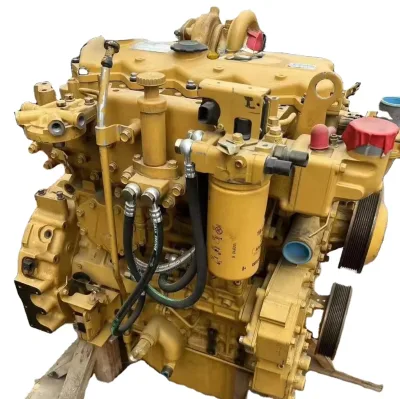


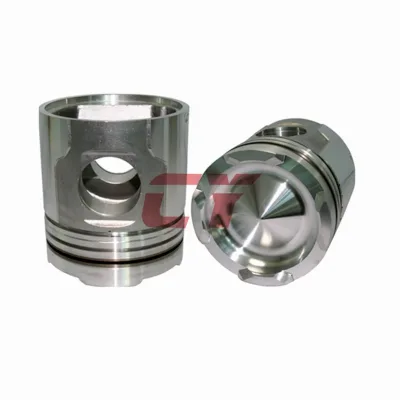


Loader Engine Spare Excavator Auto Engine Parts Crankshaft for Excavator
$80.00 - $150.00
MOQ: 10 Pieces


$10.00 - $100.00
MOQ: 1 Pieces


Comprehensive Sourcing Guide
In-Stock Excavator Engine Parts Sourcing Guide
Procuring in-stock excavator engine parts requires a disciplined approach that balances immediate operational needs with long-term reliability. The market for these components is characterized by a wide variance in origin, condition, and specific application compatibility. Buyers must navigate a landscape where "in-stock" claims often correlate with rapid delivery windows, yet the actual availability of critical engine components can fluctuate based on supplier inventory depth. This guide provides a structured framework for evaluating listings, verifying technical fit, and ensuring commercial safety when sourcing these essential machinery elements.
The primary challenge in this category is distinguishing between generic aftermarket replacements and high-fidelity original equipment manufacturer (OEM) equivalents. While many suppliers advertise sufficient stock and quick dispatch, the quality of engine parts—such as pistons, cylinders, and related internal components—varies significantly. Buyers must rely on observable listing signals, such as model numbers and certification badges, to filter out low-quality offerings. This guide focuses on evidence-based verification steps to help procurement teams mitigate risk and secure parts that meet rigorous operational standards.
Product Scope and Observed Listing Signals
The observed product range for in-stock excavator engine parts includes specific components like pistons and bucket assemblies, with model numbers such as 129-0338 3306 and 158-8250 appearing in listings. These identifiers are critical for matching parts to specific excavator models, such as the PC400-7-8 or Ec210d D5e. The presence of these precise model references suggests that suppliers are targeting specific machinery platforms rather than offering generic, one-size-fits-all solutions. Buyers should prioritize listings that provide exact model numbers over those that only list general machine types, as this reduces the risk of receiving incompatible components.
Condition and origin are key signals in the current market, with many listings explicitly stating "New" condition and "Made in China" origin. Some suppliers highlight "High Quality, 100% Professional Test" as a quality assurance metric, while others emphasize "Original Factory Cat" branding, indicating a focus on OEM-equivalent or genuine parts. The availability of "Neutral Packing" and "Te Packing" options suggests flexibility in logistics, which can be beneficial for buyers seeking to minimize branding exposure or optimize packaging costs. However, buyers must verify that neutral packing does not compromise the protective integrity of sensitive engine components during transit.
Technical Specifications to Verify
Technical verification begins with confirming the exact model number and compatibility with the target excavator. Listings often include specific model codes like S195 or 6156-81-9110, which must be cross-referenced with the excavator’s service manual or engine specifications. For instance, the S195 standard is mentioned in some contexts, but buyers must ensure this aligns with their specific engine type, whether it is a diesel or internal combustion drive. Mismatched model numbers can lead to installation failures and operational downtime, making precise identification the first step in the verification process.
Material and manufacturing techniques are equally important for assessing part durability. Some listings specify "Casting" as the production technique and "Steel" as the material standard, which are common for robust engine components. Additionally, the mention of "Hydraulic Transmission" and "Internal Combustion Drive" helps buyers understand the broader system context in which these parts operate. Buyers should request detailed material certificates or manufacturing process descriptions to confirm that the parts meet the mechanical stress requirements of heavy-duty excavation work, particularly for applications in construction, mining, or marine environments.
Compliance and Safety Documentation
Compliance documentation is a critical component of the procurement process, with CE certification appearing frequently in supplier listings. This certification indicates that the products meet European health, safety, and environmental protection standards, which is often a requirement for international trade. Buyers should verify the validity of CE certificates and ensure they cover the specific parts being purchased, as certifications can sometimes be generic rather than product-specific. Additionally, ISO9001 certification is mentioned in some contexts, suggesting that the supplier follows established quality management principles, which can provide an additional layer of assurance regarding production consistency.
Safety and operational standards must also be considered, particularly for parts that interact with high-pressure hydraulic systems or high-temperature engine environments. While specific test results are not always provided in listings, buyers should inquire about pressure testing, thermal stability tests, and wear resistance data. The absence of detailed test data in public listings does not imply a lack of testing; rather, it indicates that buyers must proactively request this information during the negotiation phase. Ensuring that parts comply with relevant industry standards helps prevent premature failure and potential safety hazards in the field.
Cost Drivers and Commercial Terms
Cost structures for in-stock excavator engine parts are influenced by several factors, including the price range observed from $0.9 to $99,999, which reflects the diversity of components from small fasteners to major engine assemblies. The minimum order quantity (MOQ) typically ranges from 1 to 100 units, offering flexibility for both single-part replacements and bulk procurement. Buyers should analyze the cost per unit in the context of the part’s criticality and expected lifespan, rather than focusing solely on the lowest price. High-quality parts with professional testing may command a premium but can offer significant savings in the long run by reducing downtime and replacement frequency.
Payment and delivery terms are key commercial considerations, with options like Western Union and Wire Transfer commonly accepted. Delivery times are often advertised as rapid, with some suppliers promising dispatch within 24 hours or 1-3 working days after payment receipt. However, buyers must distinguish between "dispatch time" and "actual delivery time," as shipping methods like DHL, UPS, or FedEx can vary in transit duration. Negotiating clear delivery timelines and tracking mechanisms is essential to ensure that parts arrive when needed, especially for urgent repair scenarios where machine downtime is costly.
Supplier Qualification and Quality Control
Supplier qualification involves assessing the provider’s ability to deliver consistent quality and reliable service. Listings often mention "One-Stop Service" and "After Service" support, which can be valuable for buyers seeking comprehensive procurement solutions. However, buyers should verify the extent of this support, including warranty terms, return policies, and technical assistance availability. Suppliers with a strong track record in specific industries, such as construction or mining, may offer better insights into part performance and compatibility.
Quality control processes should be transparent and verifiable. Buyers should request evidence of quality assurance measures, such as inspection reports, batch testing records, or third-party audit results. The mention of "100% Professional Test" in some listings is a positive indicator, but buyers must understand the scope and methodology of these tests. Engaging with suppliers who provide detailed quality documentation helps build confidence in the parts’ reliability and reduces the risk of receiving defective or substandard components.
Long-Term Procurement Checks
Long-term procurement success depends on establishing a robust supplier relationship and continuous performance monitoring. Buyers should implement a system for tracking part performance in the field, including metrics on failure rates, maintenance intervals, and overall machine uptime. This data can be used to evaluate supplier reliability and negotiate better terms over time. Regular communication with suppliers regarding inventory levels and new product offerings can also help buyers stay ahead of potential supply chain disruptions.
Additionally, buyers should periodically review their supplier base to ensure it remains aligned with evolving operational needs and regulatory requirements. This includes verifying that certifications remain valid and that suppliers continue to adhere to quality standards. By maintaining a proactive approach to supplier management, buyers can mitigate risks and ensure a steady supply of high-quality excavator engine parts, supporting the long-term efficiency and profitability of their operations.
FAQs
What is the delivery time for in-stock excavator engine parts?
Delivery occurs within 24 hours after receipt of money for specific items. Other products may require 1-3 working days after payment confirmation. Sufficient stock is maintained to ensure rapid fulfillment for urgent orders.
Which certifications do the excavator engine parts hold?
The products hold CE and ISO9001 certifications to ensure quality standards. These certifications apply to various engine components like pistons and buckets. Buyers can verify these standards before placing orders for compliance.
Can I customize the excavator engine parts I order?
Customization is available for many of the listed excavator engine parts. Buyers should specify their requirements during the inquiry process to ensure the final product meets their specific machinery needs. This flexibility supports diverse industrial applications.
What is the minimum order quantity for these parts?
The minimum order quantity ranges from 1 to 100 units depending on the specific item. This range allows flexibility for both small repair shops and large manufacturing plants. Buyers should check individual product listings for exact MOQ details.
How are the excavator engine parts packaged for shipping?
Packaging options include neutral packing, TE packing, and standard exporting packages. Some items use anti-tarnish paper or cartons to protect against damage during transit. The packaging method is selected based on the specific product type and shipping requirements.
What payment methods are accepted for these parts?
Accepted payment methods include Western Union and Wire Transfer for secure transactions. These options facilitate international trade and ensure timely processing of orders. Buyers should confirm the preferred method with the supplier before finalizing the purchase.
Where are the excavator engine parts manufactured?
The parts are manufactured in China, with specific origins noted as Zhejiang or Shandong. This location ensures access to established manufacturing capabilities and supply chains. Buyers can expect products to meet international standards despite the regional origin.