Source Inconel 600 Nickel Alloy Sheet for Chemical and Medical Uses
Find 30 listings for Inconel 600 Nickel Alloy Sheet with purity over 99.95% and thickness from 0.1 to 100mm. Compare options for chemical, medical, and industrial applications with customizable sizes and standard export packaging; compare the available evidence and request quotations based on your requirements.
Key considerations
Products List


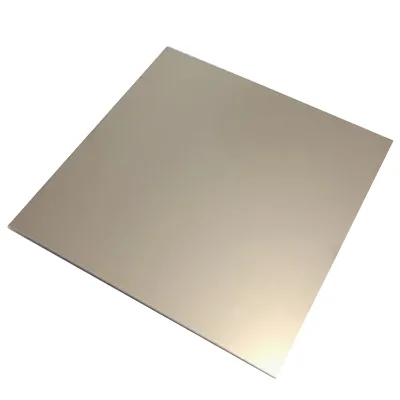
Inconel 600 625 Incoloy 800 N04400 High Quality 99.99% Ni Pure Nickel Sheet Plate
$20.00 - $30.00
MOQ: 1 kiloamperes


Comprehensive Sourcing Guide
Inconel 600 Nickel Alloy Sheet Sourcing Guide
Procuring Inconel 600 Nickel Alloy Sheet requires careful attention to the specific metallurgical properties that define its performance in high-temperature environments. Buyers must verify that the material meets the strict purity thresholds observed in the market, often exceeding 99.95% or 99.99% depending on the specific grade and supplier capabilities. This high level of purity is critical for ensuring the alloy maintains its structural integrity and corrosion resistance when deployed in demanding chemical or medical applications.
The commercial landscape for this material presents a wide variance in pricing and minimum order quantities, ranging from affordable entry points to substantial industrial contracts. Sourcing teams should anticipate a price spectrum that reflects the complexity of the alloy and the scale of the order, with minimum order quantities varying significantly between single-unit prototypes and bulk industrial shipments. Understanding these commercial variables is essential for budgeting and ensuring that the selected supplier can meet the specific volume requirements of your project without compromising on material quality.
Product Scope and Observed Listing Signals
The available inventory for Inconel 600 sheets typically includes a diverse range of thicknesses, widths, and lengths to accommodate various industrial fabrication needs. Buyers will encounter products with thicknesses spanning from 0.1mm up to 100mm, with widths available from 1mm to 2500mm, allowing for significant customization in sheet dimensions. These physical specifications are often listed alongside standard lengths of 1m, 2m, or 3m, though many suppliers offer custom cutting services to meet precise project requirements.
Surface finish and packaging standards are equally critical indicators of product quality and readiness for immediate use. Listings frequently describe surface treatments such as annealing, polishing, pickling, or coating, which directly influence the material's suitability for specific environments like aviation or electronics. Furthermore, the packaging is generally described as standard export seaworthy or custom requirements, ensuring that the nickel alloy sheets arrive in pristine condition, protected by plastic wrapping or specialized export containers to prevent damage during transit.
Technical Specifications to Verify
When evaluating technical specifications, the focus must remain on the alloy composition and mechanical properties that define the Inconel 600 grade. Buyers should confirm that the material is classified as a nickel alloy with low carbon content, which is a key factor in preventing sensitization during welding and high-temperature exposure. The product models listed often include specific designations like NO8800 or NO6600, which serve as identifiers for the exact chemical makeup and processing history of the sheet.
Dimensional tolerances and physical form factors are the next critical verification points for any procurement team. The observed data indicates that sheets are available in various forms, including round or flat configurations, with specific attention paid to width and thickness consistency. It is vital to cross-reference the listed dimensions against your engineering drawings, as the market offers a broad range from 0.1mm to 60mm or even 100mm in thickness, ensuring that the selected sheet meets the precise load-bearing and dimensional constraints of your application.
Compliance and Safety Documentation
Compliance with international standards is a non-negotiable aspect of sourcing high-performance nickel alloys for industrial use. The market data confirms that products are often certified against a wide array of standards including ASTM, AISI, DIN, GB, JIS, and ISO, which govern the chemical composition and mechanical testing of the material. Buyers must request specific test certificates that verify the sheet meets these rigorous standards, ensuring that the material is suitable for regulated industries such as medical, chemical, or aviation sectors.
Safety documentation extends beyond material certification to include detailed information on handling, storage, and potential hazards associated with the alloy. While the supplied facts highlight the material's suitability for high-strength and wear-resistant applications, buyers should ensure that suppliers provide comprehensive safety data sheets (SDS) and handling guidelines. This documentation is essential for maintaining workplace safety and ensuring that the nickel alloy sheets are processed and fabricated in accordance with all relevant occupational health and safety regulations.
Cost Drivers and Commercial Terms
The final cost of Inconel 600 nickel alloy sheets is heavily influenced by the complexity of the surface treatment and the level of customization required. Processes such as mirror polishing, annealing, or specific coating applications add significant value and cost to the base material price. Additionally, the availability of the product in stock versus a custom lead time of 5-30 days can impact the overall procurement timeline and associated logistics expenses, making it crucial to align production schedules with supplier capabilities.
Commercial terms and trade conditions play a pivotal role in the total cost of ownership and risk management for the buyer. The observed market data indicates that suppliers typically offer flexible trade terms including FOB, CIF, CFR, CNF, and Exwork, allowing buyers to choose the level of control they wish to exert over shipping and insurance. Understanding these terms is essential for calculating the landed cost accurately, as the choice of Incoterms directly affects who bears the risk and cost during the transportation of the heavy and valuable nickel alloy sheets.
Supplier Qualification and Quality Control
Supplier qualification for nickel alloy sheets requires a thorough assessment of their manufacturing capabilities and quality assurance protocols. Buyers should verify that the supplier has a proven track record in producing high-purity nickel alloys and can demonstrate adherence to the listed standards such as ASTM, JIS, and EN. The ability to offer customization and OEM services is a strong indicator of a supplier's flexibility and commitment to meeting specific client requirements, which is often a deciding factor in long-term partnerships.
Quality control processes must be robust and transparent to ensure that every batch of Inconel 600 sheet meets the required specifications. Suppliers should be able to provide evidence of their internal testing procedures, including checks for purity, thickness consistency, and surface finish quality. The presence of a "Stock" lead time for certain items suggests a mature inventory management system, but buyers must still verify that these stock items have undergone recent quality inspections to prevent the receipt of substandard or degraded material.
Long-Term Procurement Checks
Establishing a long-term procurement strategy for Inconel 600 sheets involves regular audits of supplier performance and material consistency. Buyers should implement a schedule for periodic re-verification of the material's chemical composition and mechanical properties to ensure that the supplier maintains the high standards required for critical applications. This proactive approach helps mitigate the risk of supply chain disruptions and ensures that the material continues to perform reliably over the lifespan of the end product.
Continuous monitoring of market trends and pricing fluctuations is also essential for maintaining a competitive procurement position. The observed price range of 8.5 to 10,000 USD highlights the volatility of the nickel alloy market, necessitating a flexible purchasing strategy that can adapt to changing economic conditions. By maintaining strong relationships with qualified suppliers and staying informed about industry developments, buyers can secure a stable supply of high-quality Inconel 600 sheets while optimizing costs and minimizing operational risks.
FAQs
What is the purity level of Inconel 600 Nickel Alloy Sheet?
The purity level of Inconel 600 Nickel Alloy Sheet is typically greater than 99.95% or 99.99%. This high purity ensures consistent material properties and reliability for demanding applications. Buyers should verify specific grade certifications to confirm the exact purity percentage required for their project specifications and quality standards.
Which standards apply to Inconel 600 Nickel Alloy Sheet production?
Production follows major international standards including ASTM, AISI, DIN, JIS, GB, and BS. These standards define mechanical properties, chemical composition, and testing methods. Manufacturers often provide documentation confirming compliance with specific standards like ASTM B168 or B166, ensuring the material meets global industry requirements for safety and performance.
Can Inconel 600 Nickel Alloy Sheet be customized for specific needs?
Yes, customization is available for Inconel 600 Nickel Alloy Sheet. Buyers can request specific dimensions, surface treatments, or packaging options. The material supports OEM requirements and can be tailored to fit unique project specifications. This flexibility allows for precise integration into complex industrial systems and specialized manufacturing processes.
What are the typical thickness and width specifications for this sheet?
Typical thickness ranges from 0.1mm to 100mm, while widths span from 100mm to 2500mm. These dimensions accommodate various industrial applications. Lengths are commonly available in 1m, 2m, or 3m sizes, or can be produced to specific requirements. This wide range ensures suitability for diverse engineering and construction projects.
What surface treatments are available for Inconel 600 Nickel Alloy Sheet?
Available surface treatments include annealing, mirror polish, standard polish, and pickling. These processes enhance corrosion resistance and aesthetic appeal. The material may also be coated or wrapped in plastic for protection. Selecting the appropriate surface finish depends on the specific application environment and functional requirements of the final product.
How is Inconel 600 Nickel Alloy Sheet packaged for export?
The sheet is typically packaged in standard export seaworthy packages or as required by the buyer. Options include plastic wrapping to prevent damage during transit. This secure packaging ensures the material arrives in optimal condition, protecting the surface finish and dimensional integrity throughout the shipping process to international destinations.