Source Independent Truck Heater Blower Motor for Fleet Maintenance
Find and compare 30 Independent Truck Heater Blower Motor options from verified Chinese suppliers. Evaluate specifications like voltage, certifications, and warranty terms to select the right component for automotive HVAC systems.
Key considerations
Products List
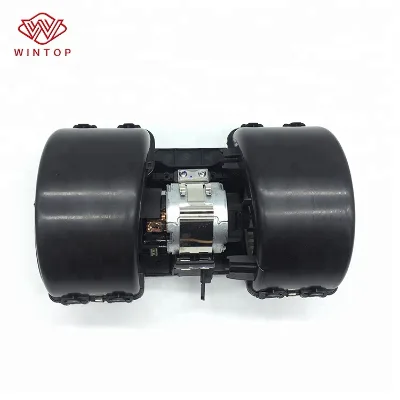


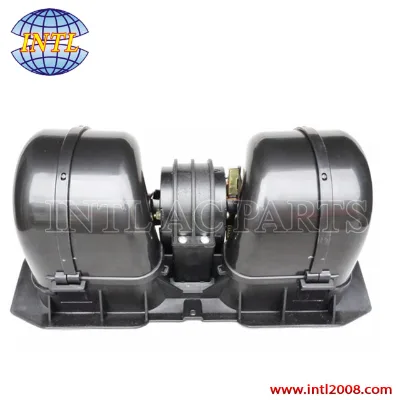
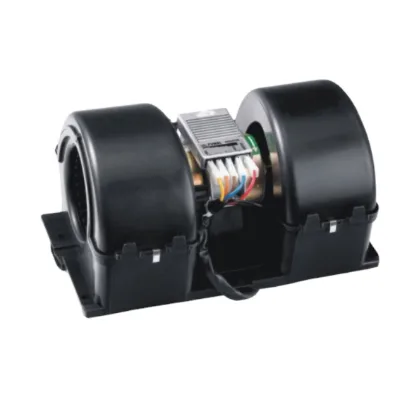
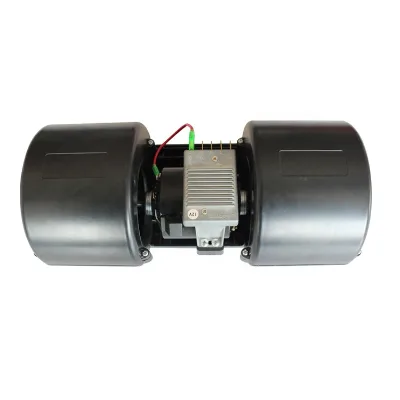
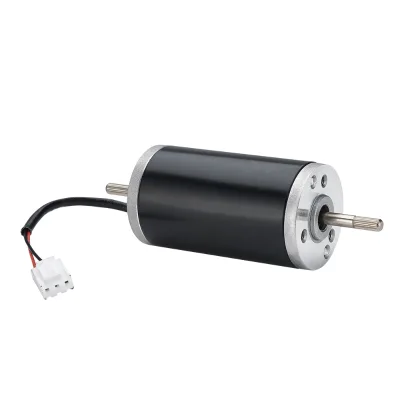
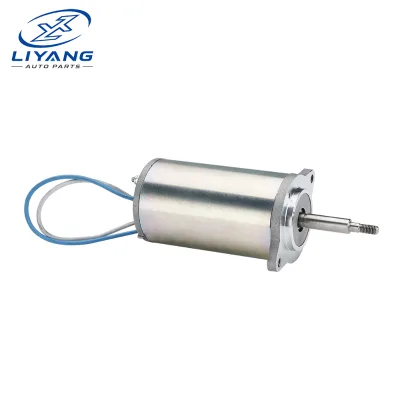
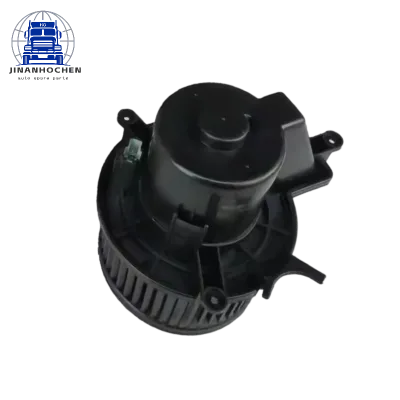


Comprehensive Sourcing Guide
Independent Truck Heater Blower Motor Sourcing Guide
Sourcing replacement components for heavy-duty vehicle climate control systems requires a disciplined approach to technical verification and supplier qualification. The Independent Truck Heater Blower Motor is a critical subsystem that ensures cabin comfort and defrosting capability, particularly in vehicles where the engine’s waste heat is insufficient or where the engine is shut off during idle periods. Buyers must navigate a market characterized by a wide variance in voltage configurations, mounting standards, and control logic. This guide provides a structured framework for evaluating listings, verifying technical compatibility, and establishing commercial terms that protect against premature failure or logistical delays.
The procurement process for these motors is heavily influenced by the specific make and model of the truck, as well as the electrical architecture of the vehicle. While some listings may reference compatibility with European or Korean car models, the core requirement remains the precise matching of physical dimensions, electrical ratings, and control interfaces. Buyers should treat product attributes as observations rather than universal claims, ensuring that every specification aligns with the target vehicle’s service manual. This guide focuses on the essential steps to validate these matches, manage costs, and secure long-term supply chain reliability without relying on unverified marketing claims.
Product Scope and Observed Listing Signals
The current market for independent heater blower motors presents a diverse array of options, with observed price ranges spanning from approximately $1.50 to $70.10 USD. This significant variance often reflects differences in build quality, voltage ratings, and the inclusion of additional features such as electronic control modules or premium packaging. Buyers should be cautious of listings that appear unusually low in price, as these may indicate lower-grade materials or incomplete assemblies. The minimum order quantity (MOQ) typically ranges from 1 to 50 units, allowing for both single-unit replacements and bulk procurement for fleet maintenance. Understanding these market signals helps buyers set realistic expectations for cost and availability.
Product listings frequently highlight attributes such as "High Quality" or "Premium" status, but these terms are subjective and require independent verification. Many suppliers offer OEM services and buyer label customization, which is beneficial for distributors and fleet operators seeking branded inventory. The observed listings often specify a voltage of either 12V or 24V, which is a critical differentiator for compatibility. Additionally, some products are described with specific model numbers such as RC-17044 or 97113-A4000, which serve as primary identifiers for cross-referencing with existing inventory. Buyers must carefully examine these identifiers to ensure they match the original equipment manufacturer (OE) numbers of their target vehicles.
Technical Specifications to Verify
Voltage compatibility is the most critical technical parameter to verify before placing an order. The supplied data indicates that products are available in both 12V and 24V configurations, and using the wrong voltage can lead to immediate motor failure or electrical system damage. Buyers must confirm the electrical system of the truck in question, as heavy-duty trucks often operate on 24V systems while lighter commercial vehicles may use 12V. Beyond voltage, the physical dimensions of the motor and its mounting brackets must be measured against the existing unit. The observed single package size of 25x25x30 cm suggests a substantial physical footprint, which may impact shipping costs and storage requirements.
Control mode and driving mechanism are also essential specifications that vary across different models. Some listings describe the control mode as "Electronically Controlled Pneumatic Adjusting," which implies a complex integration with the vehicle’s existing climate control system. Buyers should verify whether the motor requires a simple on/off switch or a variable speed controller. The driving mode is often listed as "Independent," indicating that the motor operates separately from the engine’s primary cooling system. Additionally, the purpose of the product is typically for replacement or repair, meaning it must be a direct fit for the original unit. Buyers should request detailed technical drawings or installation guides to confirm these mechanical and electrical interfaces.
Compliance and Safety Documentation
Certification requirements vary by region and application, but common standards observed in the market include ISO, CE, CCC, UR, and RoHS. These certifications indicate that the manufacturer has met specific quality and safety benchmarks, which is crucial for maintaining fleet compliance and avoiding regulatory penalties. Buyers should request copies of these certificates to verify their validity and ensure they cover the specific product model being purchased. The presence of multiple certifications, such as ISO, CE, and RoHS, suggests a higher level of manufacturing rigor, but buyers must confirm that the certificates are current and issued by accredited bodies.
Warranty terms provide an additional layer of protection for buyers, with observed warranties ranging from 12 to 18 months. A longer warranty period often indicates greater confidence in the product’s durability and quality. Buyers should carefully review the terms of the warranty, including what constitutes a valid claim and the process for returns or replacements. After-sales service is another important consideration, with some suppliers offering 24-hour support. This level of service can be invaluable in minimizing downtime for fleet vehicles, as quick technical assistance can prevent minor issues from becoming major operational disruptions.
Cost Drivers and Commercial Terms
The total cost of ownership for independent heater blower motors is influenced by several factors beyond the unit price. Packaging plays a significant role, with options ranging from neutral packaging to export carton packages and paper boxes. Robust packaging is essential to prevent damage during transit, especially for international shipments. Buyers should consider the cost of potential damage and the associated delays when evaluating packaging options. The single gross weight of 10.000 kg for some products also impacts shipping costs, as freight charges are often calculated based on weight or volumetric dimensions.
Commercial terms such as MOQ and customization options can significantly affect procurement strategy. An MOQ of 20 units, as observed in some listings, may be suitable for bulk buyers but could be prohibitive for individual repairs. Buyers should negotiate MOQs based on their actual consumption rates to avoid excess inventory. Customization services, including OEM branding and buyer labels, may incur additional costs but can enhance brand visibility for distributors. Payment terms and lead times are also critical factors that should be clarified before finalizing any purchase agreement to ensure alignment with operational needs.
Supplier Qualification and Quality Control
Supplier qualification is a vital step in mitigating procurement risk. Buyers should verify the supplier’s business license, manufacturing capabilities, and quality management systems. The observed place of origin for many products is Zhejiang, China, a region known for its manufacturing expertise. However, buyers should not rely solely on location as an indicator of quality. Instead, they should request evidence of past performance, such as customer references or case studies. Suppliers that offer OEM services and have a history of working with reputable brands are often more reliable partners.
Quality control processes should be clearly defined and agreed upon before production begins. Buyers should inquire about the supplier’s inspection procedures, including incoming material checks, in-process inspections, and final product testing. The ability to provide test results or performance data can be a strong indicator of quality assurance. Additionally, buyers should consider implementing their own incoming quality control checks upon receipt of goods. Establishing a clear protocol for handling defective items, including return policies and credit notes, is essential for maintaining a smooth procurement process.
Long-Term Procurement Checks
Building a sustainable supply chain for independent heater blower motors requires ongoing monitoring and relationship management. Buyers should conduct regular performance reviews of their suppliers, assessing factors such as delivery reliability, product consistency, and responsiveness to issues. Tracking key performance indicators (KPIs) such as defect rates and lead time adherence can provide objective data for these evaluations. Suppliers that consistently meet or exceed expectations should be prioritized for future orders, while those with recurring issues should be addressed or replaced.
Market trends and technological advancements in vehicle climate control systems should also be monitored to ensure that procurement strategies remain relevant. As vehicles evolve, the requirements for blower motors may change, including shifts in voltage standards or control interfaces. Buyers should maintain open communication with their suppliers to stay informed about new product developments and potential obsolescence of existing models. By staying proactive and adaptable, buyers can ensure that their fleet maintenance operations remain efficient and cost-effective over the long term.
FAQs
What voltage options are available for independent truck heater blower motors?
Both 12V and 24V DC motors are available for independent truck heater applications. These units are designed for automotive industry use and support OEM customization. Buyers can select the appropriate voltage based on their vehicle electrical system requirements, ensuring compatibility with various truck models and heating systems.
Can I get custom branding for these blower motors?
Yes, OEM and buyer label services are available for these independent truck heater blower motors. The supplier accepts customization requests, allowing businesses to apply their own branding. This service supports private labeling strategies for distributors and automotive parts retailers seeking to enhance their product identity in the market.
What certifications do these motors hold?
These independent truck heater blower motors hold ISO, CE, CCC, UR, and RoHS certifications. These credentials verify compliance with international quality and safety standards. Buyers can rely on these documented certifications to ensure the products meet regulatory requirements for export and installation in various global automotive markets.
What is the typical warranty period for these motors?
The warranty period ranges from 12 to 18 months depending on the specific model. This coverage ensures quality assurance for independent truck heater blower motors. Buyers benefit from this warranty protection, which reflects the manufacturer's confidence in the durability and performance of the new condition products supplied for automotive repair and replacement.
Where are these motors manufactured?
These independent truck heater blower motors are manufactured in Zhejiang, China. The products originate from this region, which is a known hub for automotive component production. Buyers sourcing from this location can access a wide variety of models, including those suitable for European and Korean car applications.
What is the minimum order quantity for these motors?
The minimum order quantity varies, with observed values starting at 1 unit and going up to 50 units. Some specific models may have an MOQ of 20. This flexibility allows buyers to test market demand with smaller orders or scale up procurement for larger fleet maintenance needs without excessive inventory commitment.