Source Industrial Antique Pipe Fittings for air lines, compressors, and drills
Compare 30 listings for Industrial Antique Pipe Fittings suitable for compressed air, water, and inert gases. Buyers can evaluate brass and stainless steel options with OEM customization and ISO certifications from Zhejiang manufacturers.
Key considerations
Products List


Premium Custom Stainless Steel Pipe Fittings for Industrial Applications
$0.80 - $1.30
MOQ: 1000 Pieces


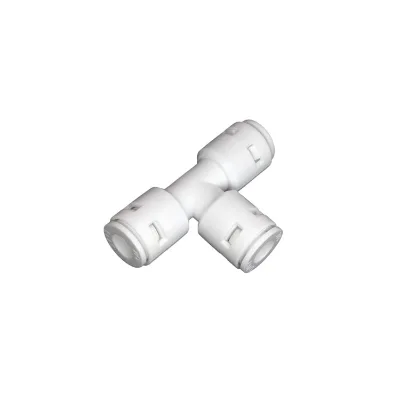


Pipe and Fittings, Metal Fittings, Plumbing Pipe Fittings with ISO 9001
$0.30 - $1.00
MOQ: 1000 Pieces


Comprehensive Sourcing Guide
Strategic Sourcing Guide for Industrial Antique Pipe Fittings
Understanding Product Definitions and Core Specifications
When sourcing industrial components described under the keyword "Industrial Antique Pipe Fittings," buyers must first reconcile the terminology with actual market availability. The term "antique" in a modern B2B context often refers to vintage-style aesthetics or legacy dimensions rather than a specific manufacturing era. However, the supplied product data indicates a robust inventory of modern industrial connectors and castings that serve functional roles in air lines, compressors, and heavy machinery. The primary product types identified in the current market include Quick Connectors (models SSMF-R and SSL-G) and various precision casting parts (models SJ00390, SJ01912).
Buyers should verify that the physical attributes of the fittings match their operational requirements. For instance, the Quick Connector variants are explicitly designed for use with compressed air, vacuum, water, and inert gases. The pressure range for these specific connectors is documented as 0 to 1.0 MPa, with a vacuum capability of -100 kPa. The operating temperature range is specified between 0 and 60℃, which defines the thermal limits for safe operation. If the procurement goal involves high-temperature environments or extreme pressure differentials, these specific models may not be suitable without further engineering validation.
The material composition is a critical differentiator. The observed product lines include Brass, Stainless Steel, and Alloy Steel. Brass is frequently utilized for its corrosion resistance in air and water applications, while Stainless Steel and Alloy Steel offer enhanced structural integrity for heavy-duty machinery. The casting methods vary, with Thermal Gravity Casting and Investment Casting being the primary techniques observed. These processes influence the surface finish, with some products achieving a surface roughness of Ra1.6, which is essential for sealing integrity in high-pressure systems.
Technical Compliance and Certification Verification
In the industrial sector, compliance is not merely a formality but a prerequisite for safety and liability management. The supplied data highlights several certification standards that buyers should actively seek during the supplier evaluation process. ISO 9001 is a recurring certification, indicating that the manufacturer maintains a quality management system. Specific product certificates, such as CE, and company-level certificates like ISO9001, suggest adherence to European safety and quality directives.
When evaluating suppliers, buyers must verify the specific standards to which the fittings are manufactured. The data lists a broad spectrum of international standards, including DIN, ANSI, JIS, BS, GB, GOST, ASTM, and API. For example, some components are explicitly noted to meet DIN standards, while others align with a combination of BS, ANSI, and JIS. It is imperative to confirm that the specific batch of fittings ordered matches the required standard for the application. A mismatch in standards, such as using a DIN-compliant fitting in a system designed for ANSI threads, can lead to catastrophic failure.
Machining tolerances are another critical technical specification. The observed data indicates a machining tolerance of +/-0.01mm for certain precision components. This level of precision is vital for applications requiring tight seals or high-speed rotational compatibility. Buyers should request mill certificates or test reports that explicitly state the achieved tolerance for the specific order. Relying on general claims without verifying the tolerance on the actual delivered goods can result in assembly issues or premature wear.
Cost Drivers and Pricing Structure Analysis
The pricing landscape for industrial fittings is influenced by a complex interplay of material costs, manufacturing complexity, and order volume. The observed price range in the market spans from $0.10 to $200.00 USD. This wide variance is primarily driven by the material used, the complexity of the casting process, and the degree of customization required. Basic brass quick connectors may fall at the lower end of this spectrum, while custom-machined stainless steel or alloy steel components with tight tolerances and specialized surface finishes will command higher prices.
Material selection is a primary cost driver. Brass, stainless steel, and alloy steel have different market valuations and processing costs. Furthermore, the manufacturing process significantly impacts the final price. Investment casting and gravity casting require different molds, labor, and energy inputs. Products with a surface roughness of Ra1.6 or those requiring precision machining to +/-0.01mm involve additional post-processing steps that increase the unit cost.
Order volume is another decisive factor. The observed Minimum Order Quantity (MOQ) ranges from 1 to 5,000 units. Suppliers often offer tiered pricing structures where the unit cost decreases as the order volume increases. For buyers with low-volume needs, the unit price may be higher due to the setup costs associated with custom molds or specialized machining. Conversely, high-volume orders can leverage economies of scale. Buyers should also consider packaging costs, as options range from standard cartons to wooden boxes and pallets, which can add to the total landed cost.
Typical Applications and Operational Environments
The versatility of these industrial fittings allows them to be deployed across a wide array of machinery and systems. The data explicitly lists applications in air lines, air compressors, grinding machinery, air drills, impact wrenches, and air transport screwdrivers. These applications typically involve pneumatic systems where reliable connections and leak-free performance are paramount. The Quick Connector models are specifically noted for their suitability in these high-cycle, high-pressure environments.
Beyond pneumatic systems, the fittings are applicable to metal casting machinery, metal coating machinery, metal drawing machinery, and metal forging machinery. This suggests that the components are robust enough to withstand the harsh conditions of heavy industrial processing. The materials, including metal, copper, aluminum, and carbon steel, are selected to be compatible with various fluids and gases, including compressed air, vacuum, water, and inert gases.
The operating environment is defined by specific constraints. The operating temperature range of 0 to 60℃ indicates that these components are designed for normal industrial temperatures. They are not intended for cryogenic applications or extreme heat scenarios without specialized engineering. The pressure range of 0 to 1.0 MPa and vacuum capability of -100 kPa define the operational envelope. Buyers must ensure that their specific application does not exceed these limits, as doing so could compromise the integrity of the fitting and the safety of the entire system.
Supplier Evaluation and Origin Verification
Selecting the right supplier is as critical as selecting the right product. The data indicates that the primary production origin is Zhejiang, China, with some listings specifying "Zhejinag, China" (likely a typographical variation for Zhejiang). This region is a known hub for manufacturing metal fittings and casting components. Buyers should verify the business type of the supplier; the data confirms that many listed entities are manufacturers, which can offer advantages in pricing and customization compared to trading companies.
When evaluating a potential supplier, buyers should look for evidence of OEM (Original Equipment Manufacturer) support. The data confirms that OEM customization is available, with options for custom packaging and customized product specifications. This flexibility is essential for buyers who need fittings that integrate seamlessly into existing machinery or that meet specific branding requirements. The ability to customize the product model, such as the SSMF-R or SSL-G, allows for tailored solutions.
However, buyers must be cautious of inconsistencies in the data. For instance, while most origins are listed as China, specific details regarding lead times and exact locations within the province are not provided in the general facts. Buyers should request detailed logistical information, including lead times and shipping capabilities, before finalizing an order. The annual production capacity of 1,000,000 pieces per year suggests that the suppliers have the capacity to handle large orders, but this should be verified against current production schedules to ensure timely delivery.
Quality Control and Long-Term Procurement Considerations
Ensuring consistent quality is a continuous process that extends beyond the initial purchase. The data highlights several quality indicators, such as the "Condition: New" status and the use of standard specifications or customized standards. To maintain quality, buyers should implement a rigorous incoming inspection protocol. This includes verifying the material composition, checking the machining tolerances, and inspecting the surface roughness against the agreed-upon specifications.
Packaging plays a vital role in maintaining product quality during transit. The observed packaging options include hard shell carton packaging, standard packaging with carton boxes and pallets, and wooden boxes. For heavy or precision components, wooden boxes and pallets provide superior protection against physical damage. Buyers should ensure that the packaging method aligns with the fragility and weight of the components, which range from 0.005kg to 20kg.
Long-term procurement considerations involve building a relationship with a supplier who can provide consistent quality and support. The availability of customization, including color customization and specific packaging, allows for a more tailored supply chain. Buyers should also consider the availability of spare parts and the supplier's ability to support future modifications. The presence of certifications like ISO 9001 and CE suggests a commitment to ongoing quality improvement, but regular audits and performance reviews are necessary to maintain this standard.
Comparative Analysis of Product Attributes
To facilitate decision-making, the following table summarizes the key attributes of the observed product categories. This comparison helps buyers distinguish between different types of fittings based on material, application, and specification.
| Attribute | Quick Connector (SSMF-R/SSL-G) | Precision Casting Parts (SJ00390/SJ01912) |
|---|---|---|
| Primary Material | Brass, Stainless Steel | Alloy Steel, Metal, Stainless Steel |
| Key Application | Air Line, Compressor, Air Drill | Metal Casting, Forging, Processing Machinery |
| Pressure Range | 0~1.0 MPa | Not explicitly defined (High strength implied) |
| Operating Temp | 0~60℃ | Normal Temperature |
| Manufacturing Process | Machining, Assembly | Investment Casting, Gravity Casting |
| Surface Finish | Standard | Ra1.6 (Precision) |
| Customization | High (OEM, Packaging) | High (Standard or Customized) |
| Certifications | ISO 9001, CE | ISO 9001, ASME, ANSI, DIN, etc. |
This comparison underscores the importance of matching the specific product type to the intended application. While Quick Connectors are optimized for fluid transport in pneumatic systems, Precision Casting Parts are designed for structural integration into heavy machinery. Buyers should carefully review the technical specifications of each category to ensure compatibility with their operational requirements.
Final Procurement Recommendations
Sourcing industrial pipe fittings requires a methodical approach that balances technical specifications, compliance, and cost. Buyers must prioritize verifying the material composition, pressure ratings, and certification status before placing an order. The availability of customization and OEM support offers significant flexibility, but it also necessitates clear communication of requirements to the supplier. By adhering to the observed standards and verifying the specific attributes of each product, buyers can ensure a reliable supply chain that meets the demands of modern industrial applications.
FAQs
What materials are used for Industrial Antique Pipe Fittings?
These fittings are manufactured from brass, stainless steel, and alloy steel. Material selection depends on the specific application, with brass offering corrosion resistance for air and water lines while steel variants provide structural integrity for heavy machinery.
Can these fittings operate in high-temperature environments?
No, the operating temperature range is limited to 0 to 60 degrees Celsius. They are designed for normal industrial temperatures and are not suitable for extreme heat scenarios without specialized engineering validation beyond these limits.
Which certifications do the manufacturers hold for quality assurance?
Manufacturers hold ISO 9001 and CE certifications for product quality and safety. Additional compliance includes standards such as DIN, ANSI, JIS, BS, GB, GOST, ASTM, and API, ensuring adherence to international manufacturing requirements.
How is the pressure range defined for these quick connectors?
The pressure range is documented as 0 to 1.0 MPa with a vacuum capability of -100 kPa. This defines the safe operational envelope for compressed air, water, and inert gases in pneumatic systems.
What customization options are available for these industrial components?
OEM customization is available for product models, packaging, and specifications. Buyers can request custom packaging like wooden boxes or hard shell cartons, and specific product standards can be tailored to match existing machinery requirements.
Where are these industrial fittings primarily manufactured?
The primary production origin is Zhejiang, China, with some listings noting Zhejinag. This region is a known manufacturing hub for metal fittings and casting components, offering direct access to factory sources.