Source Guitar Power Adapter for Pedals, Effects, and Displays
Find reliable Guitar Power Adapter solutions for 30 available models. Compare DC output options including 9V and 12V variants with protections like OVP and SCP. Source wall mount adapters for guitar pedals, digital cameras, and mobile phones with customizable plugs and cables.
Key considerations
Products List


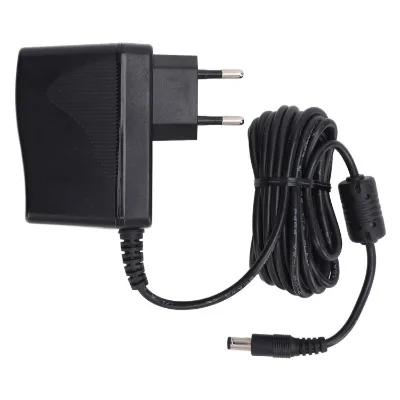
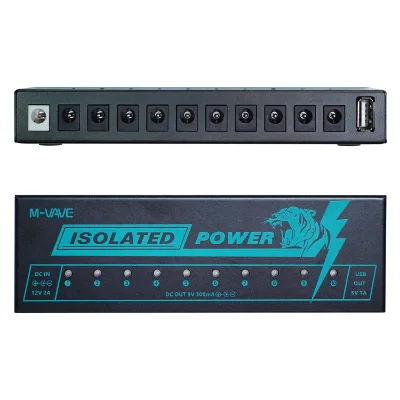


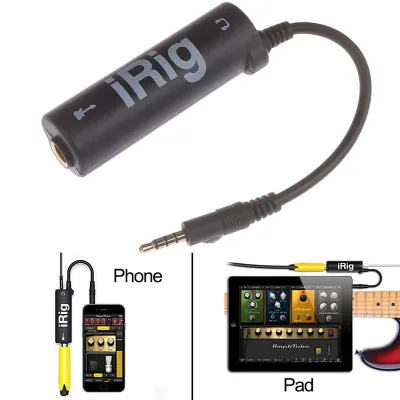


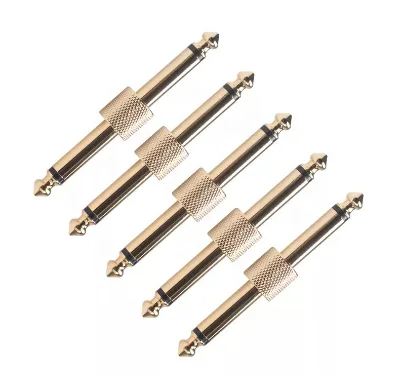
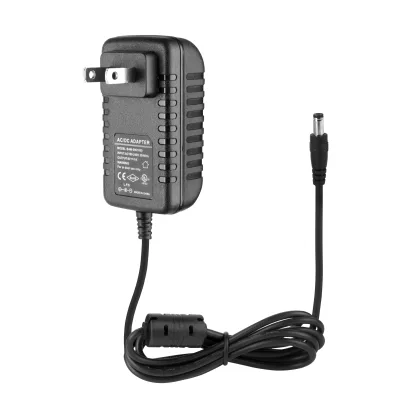


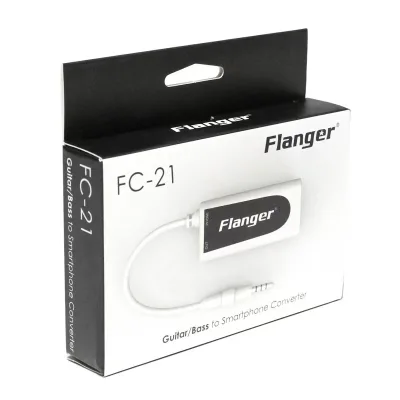
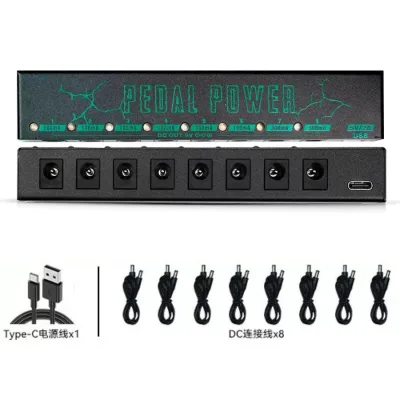


Acoustic Guitar Amplifier /Gutar Amplifier/Electric Guitar Amplifierag-50
$120.00 - $160.00
MOQ: 1 Pieces


Comprehensive Sourcing Guide
Guitar Power Adapter Sourcing Guide
A Guitar Power Adapter sits at the intersection of consumer electronics and musical-instrument accessories, and this dual identity shapes how buyers should approach sourcing. On one side, the market includes conventional AC-to-DC wall mount adapters—such as 9V 1A and 9V 2A units—that power individual pedals, multi-effects processors, and related stage gear. On the other, the category extends to purpose-built isolated power supplies for pedalboards, where a single input feeds multiple regulated 9V outputs. Both product families share core engineering requirements: stable DC output, fireproof housing materials, and multiple protection circuits, but they differ significantly in construction, cost structure, and target customers.
Buyers entering this category should first decide which side of the split they are sourcing for. Wall mount adapters are commoditized, highly customizable, and suited to high-volume programs where brand owners specify voltage, plug type, cable length, and packaging. Isolated pedal power supplies are more specialized, often carry a recognized brand identity, and command higher unit values with more demanding build expectations. The guidance below applies to both, but the emphasis shifts: adapter buyers should focus on specification discipline and customization control, while pedalboard power supply buyers should scrutinize isolation, output consistency, and enclosure quality.
Product Scope and Observed Listing Signals
The listings observed for this keyword span a defined but varied range. Output currents run from 1000 mA (9W) up to 2000 mA (18W) for wall adapters, with input rated AC 100–240V at 50/60Hz and output fixed at DC 9V. A dedicated guitar pedal power supply entry lists a 12V 2A power input delivering 9V 300mA outputs, an iron shell construction, and a pack weight of roughly 253g per unit. Observed prices across all 30 products range from $0.33 to $160, and minimum order quantities run from 1 to 1000 pieces—a spread that reflects everything from single-unit sample purchases to full production runs. Origins include Guangdong and Zhejiang in China, and customization is explicitly available on the adapter listings.
These signals tell buyers what to expect when filtering supplier listings. Entry-level adapter pricing at the low end of the observed range almost certainly corresponds to bare, unbranded units in simple packaging, while the upper range includes branded isolated power supplies with metal housings. When reviewing listings, prioritize those that disclose full specifications—model number, dimensions, protection features, operating temperature range, and packing format—as this transparency generally indicates a supplier accustomed to B2B transactions. Listings that state "OEM" as the brand name, as seen in the observed data, confirm that the factory produces for other brands and can presumably do the same for you.
Technical Specifications to Verify
Voltage and current are the first checkpoints, and they must match the connected device exactly. A 9V output is standard for most effects pedals, but current headroom matters: a 9V 1A (9W) adapter suffices for a single low-draw analog pedal, while a 9V 2A (18W) unit supports higher-draw digital pedals or a small daisy chain. For multi-output pedalboard supplies, verify that each output channel delivers its rated current—300 mA per channel in the observed listing—simultaneously, not just under single-channel load. Also confirm the input rating covers AC 100–240V 50/60Hz if you sell into multiple regions, since fixed-input units cannot be shipped globally without transformers.
Physical and environmental specifications determine field reliability. Confirm the DC connector size—5.5×2.1mm and 5.5×2.5mm are the common options, with polarity (typically center-negative for guitar pedals) explicitly stated. Check cable length against your customers' typical setups; 1.5m is the stated standard with customization available. Housing material matters for both safety and durability: the observed listings specify ABS+PC fireproof material for adapters and an iron shell for the pedal power supply. Finally, note operating and storage temperature windows (0°C to +40°C and −10°C to +70°C respectively in the observed data) if your distribution channel includes hot stages, vehicles, or unheated venues.
Compliance and Safety Documentation
Because these products connect to mains voltage and are used by musicians in public venues, safety documentation is not optional. Request certificates appropriate to each destination market before committing to a program—do not assume that a listing's presence implies certified status. Ask the supplier for the specific test reports behind any claimed certifications, verify that the report covers your exact model and plug type, and confirm that the certificates are current rather than expired. A supplier who cannot produce documentation matching the shipped SKU is a red flag regardless of pricing.
Beyond market-entry certificates, scrutinize the protection circuits the supplier claims. The observed listings cite OVP (over-voltage), OCP (over-current), SCP (short-circuit), OPP (over-power), UVP, and OTP protections—a comprehensive set that should be validated, not merely accepted. Ask how each protection is implemented and whether it was verified in production units or only design samples. For the fireproof ABS+PC housing claim, request the material grade and any flammability rating documentation. Buyers supplying into retail chains or under their own brand should also confirm labeling requirements, rated markings on the enclosure, and any destination-market-specific warning text.
Cost Drivers and Commercial Terms
The observed price band of $0.33 to $160 reflects fundamentally different product tiers, and your target position drives your cost structure. Within wall adapters, unit cost rises with output power (9W vs. 18W), connector and plug customization, cable length changes, and packaging upgrades from a PE bag to a white box or printed carton. OEM/ODM services covering voltage, current, AC plug type, color, packaging, and logo are explicitly available, and each customization layer typically adds tooling or per-unit cost—clarify which changes trigger a new mold charge versus a simple line change. Isolated pedal power supplies occupy a much higher price tier due to transformer-based isolation, multi-channel regulation, and metal enclosures.
MOQ and commercial terms require direct negotiation, and the observed range of 1 to 1000 pieces confirms that suppliers segment by order profile. Low MOQs typically apply to stock configurations, while custom-specification runs command higher minimums. When comparing quotes, normalize for packaging (white box vs. PE bag), packing format (single item vs. carton), and gross weight, since observed pack weights range from roughly 0.21 kg to 0.53 kg and directly affect freight. Confirm Incoterms, payment terms, and whether the quoted price includes customization; a factory quote for a standard 9V 1A unit is not comparable to a fully branded, custom-plug 18W program without adjustment.
Supplier Qualification and Quality Control
Qualify suppliers through a structured sequence rather than price alone. Begin with a document audit: business license, manufacturing capability statements for Guangdong or Zhejiang production, and evidence of prior OEM work—model numbering conventions such as the observed CKS-34 and CKS-0901000 formats suggest established production lines. Order samples of your exact target configuration, including the customized plug and packaging if applicable, and inspect them for connector fit, cable strain relief, housing finish, and output stability. For pedalboard power supplies, test all output channels simultaneously to confirm the rated 9V/300mA per channel holds under combined load.
Establish production-level quality control before releasing a purchase order. Define an AQL sampling plan for incoming batches, specifying electrical safety tests (hi-pot and ground continuity where applicable), output voltage accuracy under load, and protection-circuit function checks. Require the supplier to confirm material consistency for the fireproof housing on every run, and verify cable length and connector size against the agreed specification sheet. For higher-volume programs, consider a pre-shipment inspection for each lot, with a written protocol covering cosmetic grading, functional testing, and carton drop checks. Document every agreed parameter in a signed specification sheet so that reorders are measured against a fixed baseline rather than memory.
Long-Term Procurement Checks
Sustained supply relationships depend on monitoring drift over time, not just the first shipment. Re-verify samples periodically—suppliers may change component sources, cable gauges, or housing material grades without notice, especially after cost pressure or component shortages. Track your own field return data by failure mode: short-circuit failures suggest protection-circuit weaknesses, connector failures indicate strain-relief problems, and overheating reports warrant immediate re-testing of the fireproof material claim. Keep the three-year warranty expectation from the observed listings in mind and clarify in writing what the supplier covers versus what you absorb.
Plan for continuity and evolution of the product line. Maintain a documented backup supplier for your exact specification, including the DC connector size, plug type, and cable length, so a single factory problem does not halt your channel. As your market develops, revisit specification upgrades systematically—higher-current outputs, additional connector options, alternative AC plug types for new regions, and revised packaging—all of which the observed OEM/ODM scope confirms as customizable. Finally, review compliance documentation annually, since certificate renewals and standard revisions can lapse quietly; a program that was fully documented at launch can fall out of compliance within a year if nobody is assigned to check. Treat sourcing as a continuous audit cycle, and the category's commoditized pricing works in your favor rather than against you.
FAQs
What output specifications are available for guitar power adapters?
Common options include 9V 1A, 9V 2A, and 12V 2A outputs. The 9V 2A model provides 18W power with protections like OVP and OCP. The 9V 1A variant offers 9W output suitable for standard pedals. Some isolated power supplies deliver 9V at 300mA specifically for guitar effects. These variations allow buyers to match the exact current and voltage needs of their devices.
Can I customize the AC plug and DC connector for these adapters?
Yes, customization is available for both AC plugs and DC connectors. Buyers can request EU, US, or other plug types based on their region. DC connectors like 5.5*2.1mm or 5.5*2.5mm are optional. OEM and ODM services also allow customization of voltage, current, color, packaging, and logos to meet specific brand requirements.
What safety protections are built into these power adapters?
These adapters include multiple safety protections such as Over Voltage Protection (OVP), Under Voltage Protection (UVP), Over Current Protection (OCP), Short Circuit Protection (SCP), and Over Power Protection (OPP). Some models also feature Over Temperature Protection (OTP). These features ensure stable operation and protect connected devices from electrical faults during use.
What materials are used to construct these power adapters?
The adapters are typically made from ABS and PC fireproof materials. Some models use PC plus ABS fireproof material for enhanced durability. A specific guitar pedal power supply variant features an iron shell for robustness. These materials provide safety, heat resistance, and structural integrity for reliable performance in various environments.
What is the warranty period for these power adapters?
The standard warranty period for these power adapters is 3 years. This coverage applies to manufacturing defects and ensures product reliability. Buyers can rely on this warranty for peace of mind when sourcing in bulk. The warranty supports long-term usage for laptops, phones, and guitar effects pedals powered by these DC adapters.
Where are these power adapters manufactured?
These power adapters are manufactured in China, specifically in Guangdong and Zhejiang provinces. Guangdong is noted for models like the CKS-34 and CKS-0901000. Zhejiang is the origin for certain guitar pedal power supplies. This location information helps buyers assess logistics, supply chain stability, and regional manufacturing capabilities for their sourcing needs.