Source Industrial Applications PTFE Pipe Rod for Sealing, Building, Bridge
Compare 30 listings for Industrial Applications PTFE Pipe Rod featuring PTFE material with high temperature resistance and chemical stability. Buyers can review specifications like working pressure, thickness, and customization options from verified Chinese manufacturers; compare the available evidence and request quotations based on your requirements.
Key considerations
Products List






Comprehensive Sourcing Guide
Industrial Applications PTFE Pipe Rod Sourcing Guide
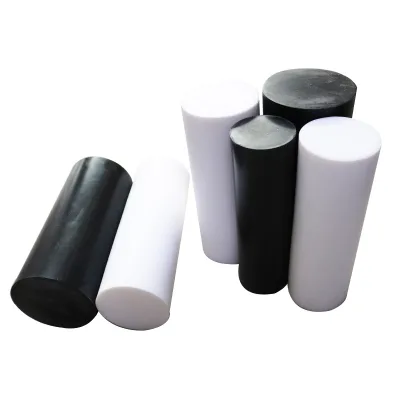
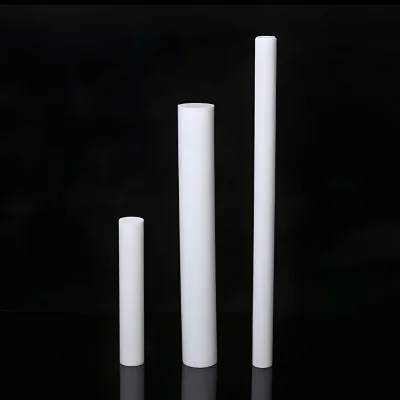
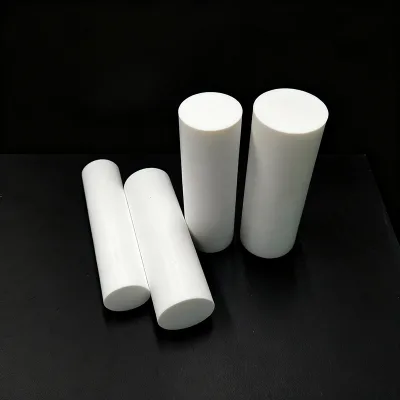
Procurement professionals must first distinguish between the specific forms of PTFE available, as the market lists both thermoplastics pipes and hard plastic rods under similar search terms. The observed product range includes items explicitly categorized as tubes with customized lengths and solid rods or blocks with diameters ranging from 3 to 100mm. Buyers should verify the exact prod_model, such as R001 or DX0037, to ensure the geometry matches the intended mechanical fit rather than assuming all listed items are interchangeable.
The material composition is consistently identified as PTFE, often filled with graphite, carbon, or bronze to enhance specific performance traits. While the base polymer offers inherent chemical resistance, the addition of fillers alters the mechanical properties, such as tensile strength, which can vary between 14MPa and 30MPa depending on the specific formulation. Sourcing teams must confirm whether the required application demands a pure PTFE profile or a filled variant to achieve the necessary wear resistance and thermal stability.
Product Scope and Observed Listing Signals
Buyers should analyze the observed price range of 0.02 to 200 USD as an indicator of significant variation in product complexity, dimensions, and filler content. This wide spectrum suggests that simple, small-diameter tubes may be priced at the lower end, while large, custom-molded blocks or specialized filled rods command higher costs. It is critical to correlate the listed price with the specific prod_model and thickness specifications, which range from 0.1mm to 500mm, to avoid misinterpreting a low price for a standard item as a quote for a custom-engineered solution.
Listing signals also reveal diverse packaging requirements, ranging from standard wooden boxes to fumigation wooden boxes or custom requests based on client specifications. The observed minimum order quantities (MOQ) vary from 1 unit to 2000 units, with some specific listings citing a 20kg minimum for rod products. Procurement planners must align their order volume with these thresholds to avoid incurring unnecessary surcharges or facing stock shortages, ensuring the selected supplier can accommodate the specific batch size required for the project.
Technical Specifications to Verify
Verification of thermal and pressure limits is essential, as the observed working temperature spans from -190℃ to 250℃ and working pressure ranges from -0.1 to 6.4MPa. These parameters define the operational envelope for the PTFE components, but buyers must confirm that the specific product model meets the peak demands of their system. Relying on general category knowledge without checking the specific datasheet for the ordered prod_model can lead to premature failure, especially in applications involving extreme thermal cycling or high-pressure differentials.
Dimensional accuracy and physical properties require close scrutiny, particularly regarding water absorption and shrinkage rates. The data indicates water absorption is typically less than 0.01% for high-performance grades, though some listings note values under 1%, while shrinkage rates are observed between 1.0% and 5.0%. Buyers must request precise test results for the specific batch to ensure the contraction percentage aligns with the machining tolerances required for sealing or structural applications, as even minor deviations can compromise the integrity of the final assembly.
Compliance and Safety Documentation
Safety and regulatory compliance are often highlighted through certifications such as RoHS and Reach, which indicate adherence to environmental and material safety standards. While some background knowledge suggests ISO 9001:2015 or ASTM standards, the supplied facts only explicitly confirm RoHS and Reach for certain listings. Procurement teams must request current certification documents for the specific supplier and product batch to verify that the materials do not contain restricted substances, ensuring the final product is safe for use in sensitive industries like food processing or medical devices.
Chemical resistance is a primary driver for selecting PTFE, with observed claims of strong acid and alkali resistance and the ability to not adhere to any substance. However, buyers must validate these claims against the specific chemical environment of their application, as the presence of fillers like bronze or carbon can alter the chemical compatibility profile. It is advisable to request chemical resistance charts specific to the filled or unfilled variant being purchased to confirm that the material will not degrade or leach contaminants when exposed to the intended solvents or reagents.
Cost Drivers and Commercial Terms
The cost of PTFE components is heavily influenced by the manufacturing method, with options including extruded rods, molded blocks, and custom machining services. The choice between extrusion and molding affects the grain structure and mechanical strength, which in turn impacts the unit price. Buyers should evaluate whether the application requires the uniformity of an extruded product or the complex geometry of a molded block, as the latter often incurs higher tooling and processing costs that will be reflected in the final commercial terms.
Customization availability is a significant cost factor, as the observed listings confirm that length, diameter, and standard specifications can be tailored to customer requirements. While standard sizes may offer economies of scale, custom drawings and samples often involve additional engineering time and setup fees. Procurement managers must balance the need for precise fit against the budget, ensuring that the "under your requirements" standard does not lead to uncontrolled cost escalation without a clear understanding of the associated lead times and minimum order thresholds.
Supplier Qualification and Quality Control
Supplier qualification should focus on the origin and processing capabilities, with observed data pointing to manufacturers in Jiangsu, China, utilizing both mold and extrusion processes. Buyers must verify the supplier's capacity to maintain consistency across batches, particularly regarding the melting point of 327℃ and the specific contraction percentages observed. A reliable supplier will provide traceability for the raw PTFE material and demonstrate a robust quality control system that ensures the final product meets the specified tensile strength and dimensional tolerances.
Quality control protocols must include verification of the physical attributes such as color, which is listed as white or black, and the specific filling material used. The presence of graphite, carbon, or bronze fillers must be confirmed through material analysis to ensure the supplier is delivering the exact formulation ordered. Additionally, the supplier should demonstrate the ability to handle the specific prod_packing requirements, whether it is a standard wooden box or a fumigation wooden box, to prevent damage during transit and ensure the product arrives in pristine condition.
Long-Term Procurement Checks
Establishing a long-term partnership requires regular audits of the supplier's ability to maintain consistent product standards over time. Buyers should monitor the stability of key performance indicators such as the melting point, water absorption rates, and working temperature limits across multiple shipments. Consistency in these metrics is crucial for maintaining the reliability of the end product, and any deviation from the observed baseline values should trigger an immediate investigation into the production process or raw material sources.
Future procurement strategies should also account for the evolving nature of industry standards and the potential need for updated certifications. While current listings show RoHS and Reach compliance, buyers must stay informed about new regulatory requirements that may affect the supply chain. Proactive communication with the supplier regarding upcoming changes in material standards or processing methods will ensure that the procurement of PTFE pipe rods remains compliant and cost-effective, securing a stable supply for critical industrial applications.
FAQs
What are the key properties of Industrial Applications PTFE Pipe Rod?
Industrial Applications PTFE Pipe Rod features strong corrosion resistance against strong acids and alkalis. It does not adhere to any substance and offers high temperature resistance from -190℃ to 250℃. The material is a thermoplastic with low water absorption under 0.01%, ensuring stability in demanding environments.
Can Industrial Applications PTFE Pipe Rod be customized for specific needs?
Yes, Industrial Applications PTFE Pipe Rod customization is available for various requirements. You can request specific thicknesses ranging from 0.1 to 500mm and customized lengths. The product supports non-standard size drawings and samples, allowing for tailored solutions that fit precise engineering specifications and unique project demands.
What certifications are available for Industrial Applications PTFE Pipe Rod?
Industrial Applications PTFE Pipe Rod is available with RoHS and Reach certifications. These ensure compliance with environmental and safety standards for global trade. The material is produced in China, often in Jiangsu, and meets specific industry requirements for sealing and building applications while maintaining high performance and reliability.
What is the working pressure range for Industrial Applications PTFE Pipe Rod?
The working pressure range for Industrial Applications PTFE Pipe Rod is -0.1 to 6.4MPa. This allows for versatile use in various fluid handling systems. The rod is processed via extrusion or molding, with options for graphite, carbon, or bronze filling to enhance mechanical properties for specific industrial sealing and structural needs.
What are the common applications for Industrial Applications PTFE Pipe Rod?
Common applications for Industrial Applications PTFE Pipe Rod include sealing, building, and bridge construction. Its wide application scope stems from its chemical resistance and heat-resistant features. The material is suitable for environments requiring non-stick surfaces and durability, making it ideal for components exposed to harsh chemicals or extreme temperatures.