Source Industrial Automatic Pintuck Sewing Machine for Shirts, Home Textiles, and Uniform Production
Browse 30 listings for the Industrial Automatic Pintuck Sewing Machine and compare models for pocket sewing, hemming, and pleating across knits, wovens, and leather fabrics. Review efficiency ratings, power requirements, working areas, certifications, and packing options to match your production line needs.
Key considerations
Products List

Automatic Sewing Machine Pocket Sewing Machine Industrial Sewing Machine
$9800.00 - $18000.00
MOQ: 1 Pieces

Automatic Sewing Machine Pocket Sewing Machine Auto Industrial Sewing Machine
$9800.00 - $18000.00
MOQ: 1 Pieces

Industrial Sewing Machine Sleeve Bottom Sewing Machine Automatic Sewing Machine
$16000.00 - $21000.00
MOQ: 1 Pieces

Automatic industrial Sewing Machine Bottom Sewing Machine for Garment
$9800.00 - $18000.00
MOQ: 1 Pieces


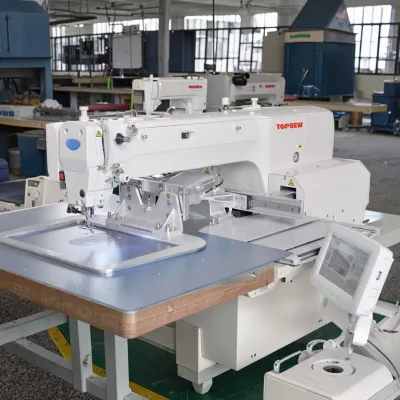
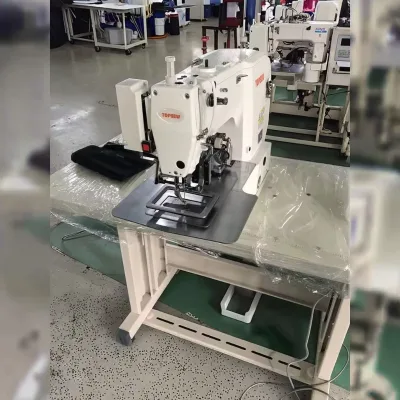
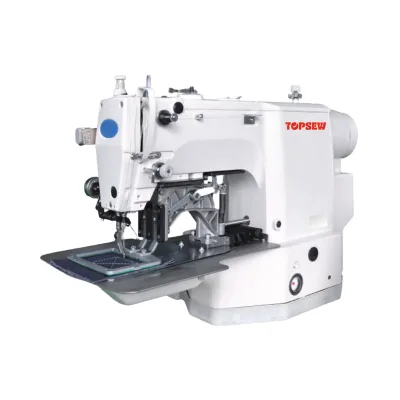
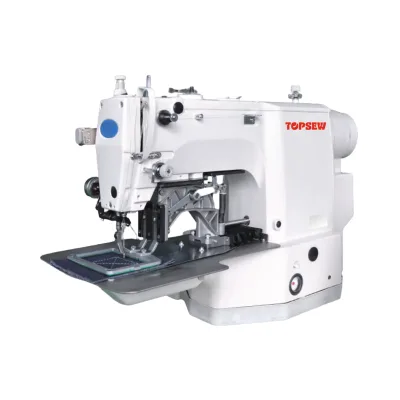
Professional Supply Computer Industrial Sewing Machine TS-436 Multi Function Hot Sales
$1554.63 - $1622.23
MOQ: 1 pieces


Comprehensive Sourcing Guide
Industrial Automatic Pintuck Sewing Machine Sourcing Guide
Selecting the right Industrial Automatic Pintuck Sewing Machine requires a careful balance of technical precision, throughput requirements, and supplier reliability. Pintucking, also known as pleating or gathering, is a specialized sewing technique used to create decorative lines or structural gathers in fabric. This process is critical in the apparel industry for adding texture to garments, securing elastic, or creating intricate designs on lightweight to medium-weight materials. Buyers must understand that not all industrial sewing machines are equipped to handle the specific tension and feed mechanisms required for consistent pintucking. The automation level of the machine directly impacts production speed and labor costs, making it a central factor in the total cost of ownership.
The procurement process for these machines involves navigating a diverse market of manufacturers, primarily concentrated in established industrial hubs. Buyers often encounter a wide range of specifications, from basic single-needle models to complex multi-head systems. It is essential to distinguish between general-purpose industrial sewing machines and those specifically engineered for pintuck applications. The latter typically feature specialized feed dogs, presser feet, and tension controls that ensure uniform pleat depth and spacing. Understanding these distinctions helps buyers avoid purchasing equipment that may struggle with high-volume production or fail to meet quality standards for finished garments.
Product Scope and Observed Listing Signals
The current market for industrial sewing equipment shows a broad spectrum of capabilities, with observed price points ranging from approximately $1 to $21,000 USD. This wide variance reflects differences in automation levels, brand reputation, and specific functional attachments. Minimum order quantities (MOQ) are generally flexible, ranging from single units to small batches of thirty, which allows for both pilot testing and bulk procurement. Buyers should note that lower-priced units may lack advanced automation features or specialized pintuck attachments, while higher-end models often include integrated computerized controls and higher throughput rates.
Observed efficiency metrics for industrial sewing machines vary significantly, with some models reporting output rates between 240-350 pieces per hour and others reaching 400-500 pieces per hour. These figures are critical for capacity planning but must be interpreted in the context of the specific fabric type and stitch complexity. For pintucking applications, the feeding method is a key differentiator; some machines utilize interval fabric feeding driven by impulse motors, which can provide precise control over pleat formation. Buyers should verify if the listed efficiency claims are based on standard straight stitching or more complex operations like pintucking, as the latter typically reduces overall speed.
Technical Specifications to Verify
When evaluating technical specifications, the power supply and motor type are fundamental considerations. Most industrial machines operate on standard 220V, 50Hz power, but high-performance models may require 1.30kw power inputs to maintain consistent speed under load. The classification of the machine, whether it is a standard lock stitch unit or a specialized pleating device, dictates its suitability for pintucking. Buyers must confirm the sewing head angle, which can range from 35 to 55 degrees, as this affects the ergonomics and the ability to handle bulky or layered fabrics. Additionally, the presence of features like corner speed slowdown can enhance precision when navigating complex garment patterns.
The physical dimensions and working area of the machine are crucial for factory floor planning. Standard export packing is common, but larger or more complex systems may require wooden cases or container shipping. For instance, some industrial units have working areas as large as 1300x900mm, which is necessary for handling wide fabrics or multiple layers. Buyers should also check the lift mechanism of the working table; electric lift systems offer greater convenience and precision compared to manual adjustments. The needle type, whether single or multi-needle, and the fabric feeding method must align with the specific pintuck width and density requirements of the production line.
Compliance and Safety Documentation
Compliance with international safety and quality standards is non-negotiable for industrial machinery. Certifications such as CE, ISO9001, SGS, and GS are frequently cited indicators of a manufacturer’s commitment to quality and safety. These certifications ensure that the machine meets specific electrical, mechanical, and operational safety requirements, reducing the risk of workplace accidents and ensuring consistent performance. Buyers should request valid certification documents and verify their authenticity, as counterfeit certificates are a known risk in the global machinery trade. The condition of the machine, whether new or refurbished, should also be clearly stated and verified through detailed product images or third-party inspections.
Documentation should also include detailed user manuals, maintenance guides, and troubleshooting protocols. These documents are essential for training operators and ensuring the longevity of the equipment. For machines with hydraulic or electric components, specific safety warnings and emergency stop procedures must be clearly documented. Buyers should ensure that the supplier provides comprehensive documentation in English or the local language of the operating facility. Additionally, any specialized software or file formats required for computerized machines, such as NPT files, should be compatible with the buyer’s existing IT infrastructure.
Cost Drivers and Commercial Terms
The total cost of an Industrial Automatic Pintuck Sewing Machine is influenced by several factors, including the brand name, automation level, and included accessories. High-productivity features, such as automatic thread trimming or computerized pattern selection, can significantly increase the upfront cost but may offer a faster return on investment through increased throughput. Buyers should also consider the cost of spare parts and consumables, such as needles and presser feet, which vary by machine model. The warranty period, typically one year for new equipment, is a critical component of the commercial terms and should cover both parts and labor.
Shipping and logistics costs can add substantial value to the final invoice, especially for heavy or oversized machines. The delivery time, often around 15 days after payment, should be factored into production planning. Buyers should clarify whether the quoted price includes export packing, such as wooden cases or standard cartons, and who is responsible for customs clearance and import duties. After-sales service provisions, including the availability of engineers for overseas maintenance, are vital for minimizing downtime. Clear communication regarding these commercial terms helps avoid unexpected expenses and ensures a smooth procurement process.
Supplier Qualification and Quality Control
Supplier qualification is a critical step in mitigating procurement risks. Buyers should verify the supplier’s manufacturing capabilities, including their production capacity and quality control processes. Factories located in established industrial regions, such as Nanjing, China, often have a concentration of expertise in sewing machinery. However, buyers should not rely solely on location; they should request evidence of past performance, such as client references or case studies. The supplier’s ability to provide customization, such as adjusting the machine for specific fabric types or pintuck widths, is a valuable indicator of their technical competence.
Quality control measures should be implemented both during manufacturing and upon delivery. Buyers should consider third-party inspection services to verify the machine’s condition, functionality, and compliance with agreed specifications before shipment. For machines with complex electronic components, a factory acceptance test (FAT) may be necessary to ensure all features operate correctly. The supplier’s response time to inquiries and their willingness to provide detailed technical support are also indicators of their reliability. Establishing a clear communication channel with the supplier’s technical team can facilitate smoother installation and troubleshooting processes.
Long-Term Procurement Checks
Long-term success with industrial automatic pintuck sewing machines depends on effective maintenance and operational training. Buyers should develop a preventive maintenance schedule that includes regular cleaning, lubrication, and inspection of key components. The availability of spare parts, such as motors, control boards, and specialized attachments, is crucial for minimizing downtime. Suppliers that offer comprehensive training programs for operators and maintenance staff can significantly enhance the machine’s performance and lifespan. Buyers should also consider the machine’s energy efficiency, as lower power consumption can reduce operational costs over time.
As technology evolves, buyers should remain open to upgrading or retrofitting existing machines with new features. The ability to adapt to changing production requirements, such as different fabric types or new design trends, is a key advantage of flexible manufacturing systems. Regular reviews of production data, such as stitch quality and throughput rates, can help identify potential issues before they become major problems. By maintaining a proactive approach to equipment management, buyers can ensure that their investment in industrial automatic pintuck sewing machines continues to deliver value and support their competitive edge in the market.
FAQs
What is the production efficiency of these machines?
Production efficiency ranges from 200 to 500 pieces per hour depending on the specific model selected. Some units operate at 240 to 350 pieces per hour while others reach 400 to 500 pieces per hour for different fabric types.
Can these machines handle different fabric types?
Yes, the machines are designed for pocket sewing on all kinds of fabric and can also hem adult or children T-shirts. They are capable of processing various materials including artificial leather, genuine leather, plastic, rubber, and standard fabrics.
What power supply is required for operation?
Most models require a standard power supply of 220V at 50Hz. Specific heavy-duty units may utilize a 1.30kw power rating or a hydraulic power supply depending on the machine type and intended application.
Are customization options available for these machines?
Customization is available for many of the listed industrial sewing machines. Buyers can request specific working areas or dimensions, such as a 1300 by 900mm working area, to fit their unique production line requirements.
What certifications do these machines hold?
The machines typically hold CE and ISO9001 certifications to ensure safety and quality standards. Some specific models also carry SGS or GS certifications, confirming compliance with international industrial machinery regulations.
How are these machines packaged for shipping?
Packaging varies by model but often includes standard export packing or wooden cases and wooden boxes. Some larger units are shipped in containers or via LCL to ensure safe transport of the heavy machinery.
What is the lead time for delivery?
Delivery time is typically 15 days after payment is received for standard orders. This lead time applies to the supply of new condition machines ready for immediate deployment in manufacturing facilities.