Source Industrial Digital Multimeter for Testing, Repair, and Maintenance
Find 30 Industrial Digital Multimeter options from verified Chinese suppliers. Compare models like UT139E, AN8002, and UT197 with varying accuracy, voltage ratings, and package sizes for universal testing, electrical equipment maintenance, and repair applications across different industries; compare the available evidence and request quotations based on your requirements.
Updated
Key considerations
Products List
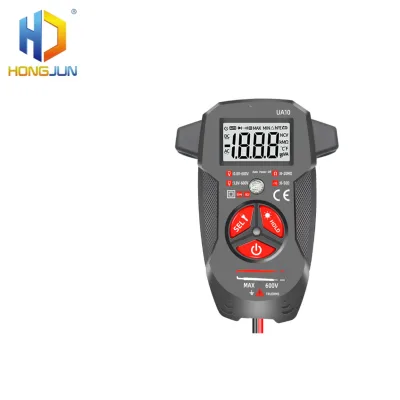
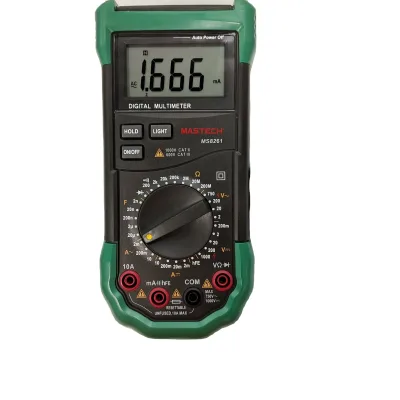
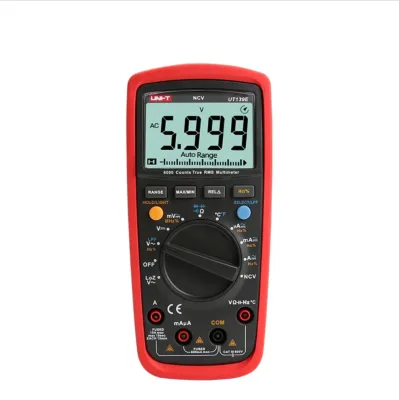
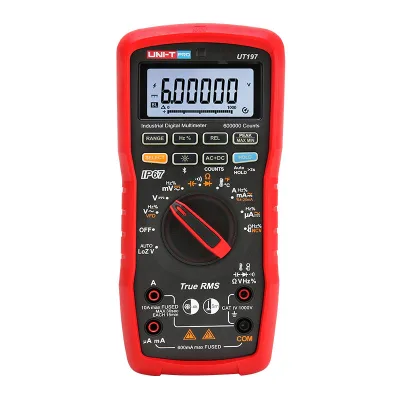
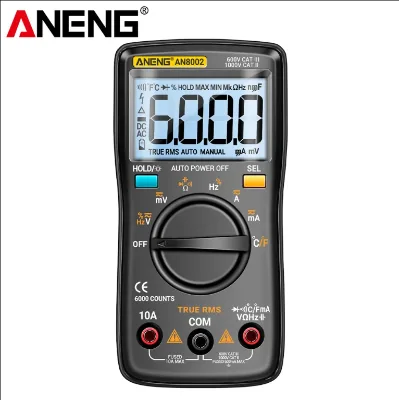
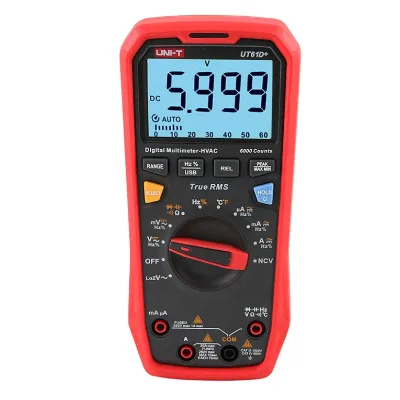
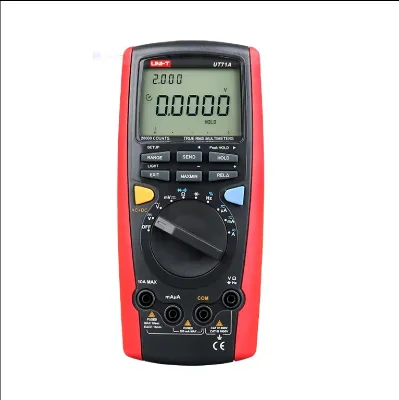


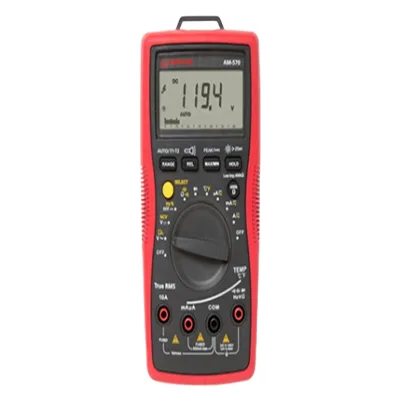


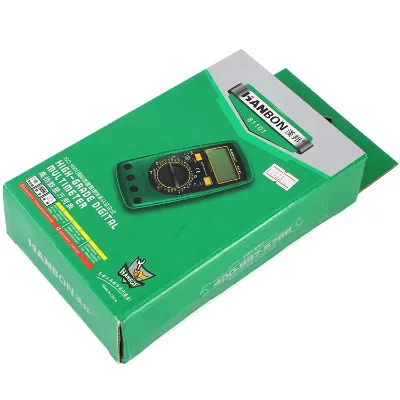

Rpm80 Quality Multimeter Digital Multifunction Meter Digital Multimeter
$107.00 - $267.00
MOQ: 1 Pieces
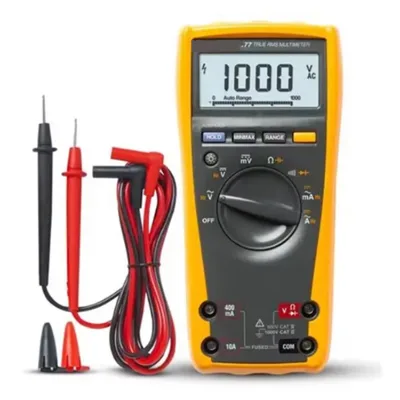
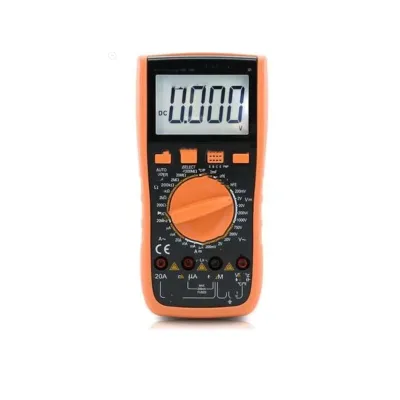


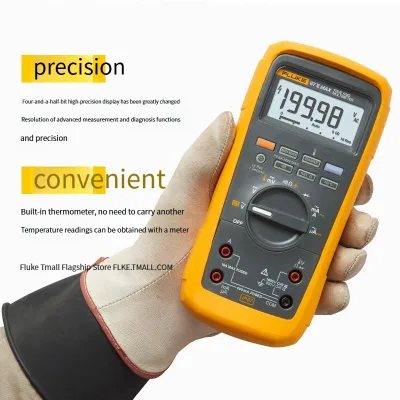
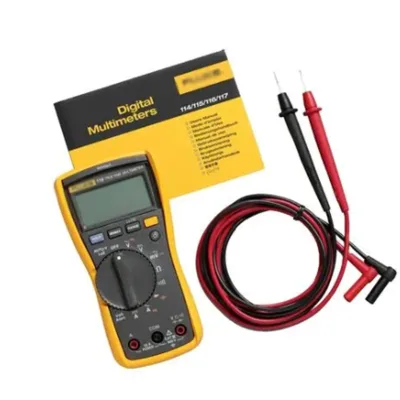

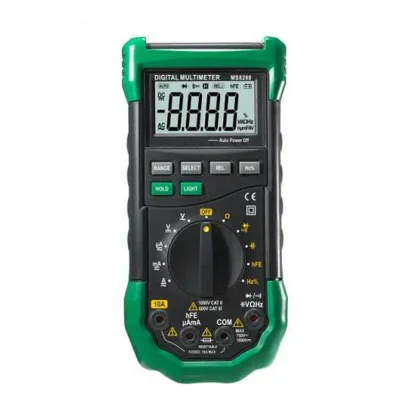
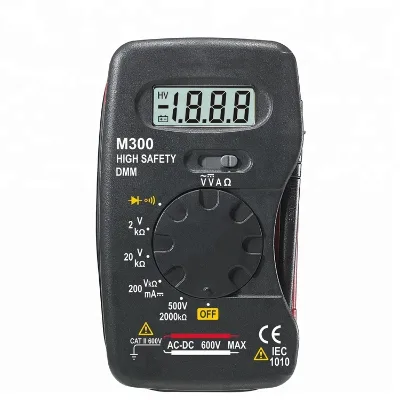


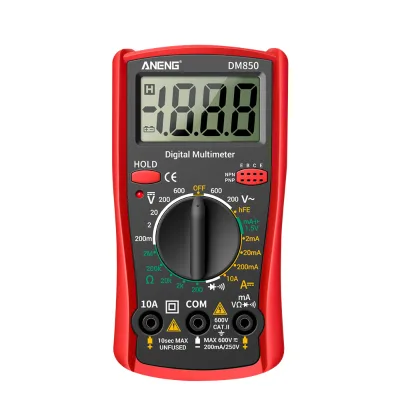
Comprehensive Sourcing Guide
Industrial Digital Multimeter Sourcing Guide
Procuring industrial-grade digital multimeters requires a disciplined approach to verifying technical accuracy and supplier reliability. Buyers must distinguish between consumer-grade tools and equipment designed for rigorous testing environments. The observed market includes units from brands like Hongjun, MS, and UNI-T, each offering distinct capabilities for universal testing applications. Understanding these variations is critical for selecting the right instrument for specific operational needs.
Sourcing decisions should be driven by precise technical requirements rather than generic specifications. Key attributes such as voltage ratings, accuracy classes, and protection levels directly impact safety and measurement integrity. This guide outlines the essential verification steps for evaluating industrial digital multimeters, ensuring that procurement teams can confidently select instruments that meet stringent industrial standards and operational demands.
Product Scope and Observed Listing Signals
The current market landscape for industrial digital multimeters reveals a diverse range of products with varying specifications and origins. Listings indicate products originating from regions such as Sichuan, Shandong, and Guangdong in China, highlighting the geographic concentration of manufacturing capabilities. Brands like Hongjun, MS, and UNI-T are prominently featured, offering models such as UA9342, UT139E, and UT197. These products cater to universal testing applications, with some units specifically designed for replacement or repair purposes in automotive contexts, such as those compatible with CR car models.
Observed listing signals suggest a wide spectrum of customization support, including OEM, ODM, and OBM options, which is crucial for businesses requiring branded or specialized equipment. The single package sizes vary significantly, ranging from compact 18x10x10 cm units to larger 40x40x40 cm packages, reflecting differences in device complexity and accessory inclusion. Gross weights also differ, with some units weighing as little as 1.000 kg and others up to 2.000 kg, indicating variations in build quality and internal components. Buyers should carefully review these physical attributes to ensure compatibility with their existing infrastructure and handling capabilities.
Technical Specifications to Verify
Technical verification is paramount when sourcing industrial digital multimeters, as accuracy and range directly affect measurement reliability. Key specifications to scrutinize include voltage ratings, such as DC voltage up to 600V and AC current up to 10A, which define the operational limits of the device. Resistance and capacitance measurements are also critical, with some units offering resistance up to 60MΩ and capacitance up to 99.99mF. Accuracy ratings, ranging from 0.01 to 0.1, indicate the precision of the readings, with higher accuracy classes being essential for sensitive industrial applications.
Operating conditions and protection features further determine the suitability of a multimeter for industrial use. Units should be evaluated for their operating temperature ranges, typically between 0-40℃, and protection classes, such as IP55, which safeguard against dust and water ingress. The model numbers, including UT61D+, UT71A, and AN8002, often correlate with specific feature sets and performance capabilities. Buyers must ensure that the selected device meets the electrical requirements of their testing environment, including voltage compatibility with 220V electrical equipment, to prevent damage and ensure accurate readings.
Compliance and Safety Documentation
Compliance with safety standards is non-negotiable for industrial digital multimeters, as these devices are used in high-voltage environments. Buyers must verify that products adhere to recognized safety standards, such as EN61010-1, which outlines requirements for electrical equipment for measurement, control, and laboratory use. Although specific certification status may not always be explicitly listed, suppliers should be able to provide documentation confirming compliance with relevant international safety norms. This documentation is essential for ensuring that the equipment does not pose a risk to operators or facility infrastructure.
Warranty terms and after-sales support are also critical components of the compliance and safety framework. Most observed products offer warranties ranging from 9 months to 1 year, providing a safety net for potential defects or failures. Buyers should ensure that the warranty covers both parts and labor, and that the supplier has a clear process for handling claims. Additionally, the condition of the product, typically listed as "New," should be verified to ensure that no refurbished or used units are inadvertently supplied. Clear warranty terms and robust support structures are vital for maintaining operational continuity and minimizing downtime.
Cost Drivers and Commercial Terms
Cost drivers for industrial digital multimeters include factors such as brand reputation, technical specifications, and customization options. Premium brands like UNI-T and ANENG may command higher prices due to their established market presence and perceived quality. Customization support, including OEM, ODM, and OBM services, can also influence pricing, as these services require additional engineering and production resources. Buyers should consider the total cost of ownership, including maintenance and potential replacement costs, rather than focusing solely on the initial purchase price.
Commercial terms, such as minimum order quantities (MOQ) and lead times, significantly impact procurement planning. Observed MOQs range from 1 to 200 units, offering flexibility for both small-scale and bulk purchases. Lead times, while not explicitly detailed in the provided context, should be clarified with suppliers to ensure timely delivery. Payment terms and shipping costs are also important considerations, as they affect the overall budget. Buyers should negotiate favorable terms that align with their cash flow and inventory management strategies, ensuring a smooth procurement process.
Supplier Qualification and Quality Control
Supplier qualification is a critical step in ensuring the reliability and consistency of industrial digital multimeters. Buyers should assess suppliers based on their manufacturing capabilities, quality control processes, and track record in the industry. Suppliers offering customized support, such as OEM and ODM services, should be evaluated for their ability to meet specific technical requirements and deliver high-quality products. Verification of supplier credentials, including business licenses and production certifications, is essential to mitigate risks associated with counterfeit or substandard products.
Quality control measures implemented by suppliers directly impact the performance and longevity of the multimeters. Buyers should inquire about the testing procedures used to verify accuracy, durability, and safety compliance. Suppliers that conduct rigorous pre-shipment inspections and provide detailed test reports demonstrate a commitment to quality. Additionally, establishing clear communication channels with suppliers facilitates prompt resolution of any issues that may arise during the procurement process. Building strong relationships with qualified suppliers ensures a steady supply of reliable equipment and supports long-term operational success.
Long-Term Procurement Checks
Long-term procurement checks involve continuous monitoring of supplier performance and product quality to ensure sustained value. Buyers should establish key performance indicators (KPIs) to evaluate suppliers based on delivery times, product defect rates, and customer support responsiveness. Regular audits and feedback sessions can help identify areas for improvement and foster a collaborative relationship with suppliers. Tracking the performance of multimeters in the field provides valuable insights into their durability and accuracy, informing future purchasing decisions.
Adapting to technological advancements and changing market conditions is essential for maintaining a competitive edge. Buyers should stay informed about new product developments and emerging standards in the digital multimeter industry. Periodic reviews of procurement strategies and supplier portfolios help ensure that the organization remains aligned with its operational goals. By implementing robust long-term procurement checks, buyers can mitigate risks, optimize costs, and secure a reliable supply of high-quality industrial digital multimeters.
FAQs
What customization options are available for industrial digital multimeters?
OEM, ODM, and OBM customization support is available for industrial digital multimeters. Some models also offer software reengineering capabilities. Buyers can request specific branding or functional adjustments to meet unique operational requirements. This flexibility allows for tailored solutions that align with specific industrial testing environments and workflow needs.
What is the warranty period for these testing machines?
Warranty periods vary by manufacturer, typically ranging from 9 months to 1 year. For instance, some Hongjun testing machines provide a 1-year warranty, while MS brand units may offer 9 months. Buyers should verify the specific warranty terms with the supplier before purchase to ensure adequate coverage for industrial use.
Where are these industrial digital multimeters manufactured?
Manufacturing locations include Sichuan, Shandong, and Guangdong in China. Different brands source their products from these specific regions. For example, Hongjun units originate from Sichuan, while UNI-T and UNIT products are made in Guangdong. Buyers can filter suppliers by origin to align with logistical preferences or regional sourcing strategies.
What accuracy levels are offered for universal testing applications?
Accuracy levels vary, with options including 0.1 and 0.01 precision ratings. High accuracy classes are available for universal testing applications. Buyers requiring precise measurements should select models with the appropriate accuracy specification. These ratings ensure reliable performance for critical industrial diagnostics and quality control processes in various operational settings.
What are the typical packaging dimensions for these units?
Single package sizes range from 18x10x10 cm to 40x40x40 cm. Specific models like the UT139E measure 18x10x10 cm, while others may reach 40x40x40 cm. Buyers should consider these dimensions for storage and shipping logistics. Accurate packaging data helps in planning warehouse space and calculating freight costs for bulk industrial procurement orders.
Can industrial digital multimeters be used for electrical equipment testing?
Yes, many models are designed for 220V electrical equipment testing. They support AC current up to 10A and DC voltage up to 600V. These specifications make them suitable for general industrial diagnostics. Buyers should verify voltage and current ratings match their specific equipment requirements to ensure safe and effective testing operations in the field.