Source CE Digital Phase Sequence Tester for industrial testing
Find 30 verified CE Digital Phase Sequence Tester options for industrial testing, maintenance, and safety inspections. Compare specifications like accuracy, voltage range, and battery life from suppliers in China; compare the available evidence and request quotations based on your requirements.
Updated
Key considerations
Products List
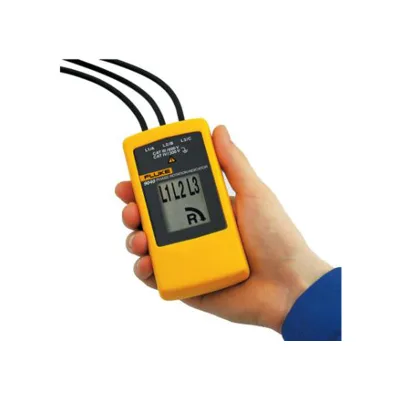
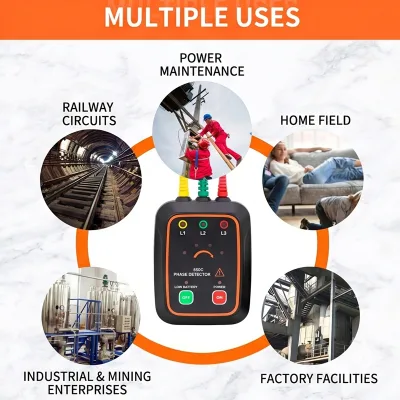
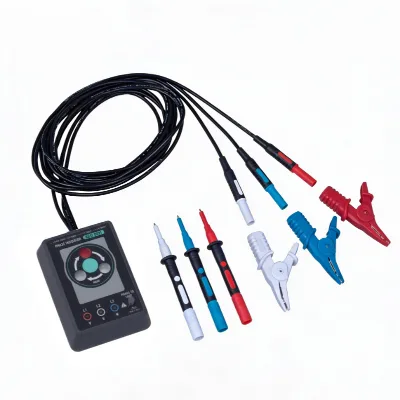
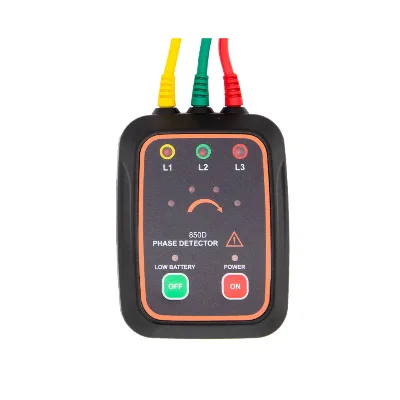

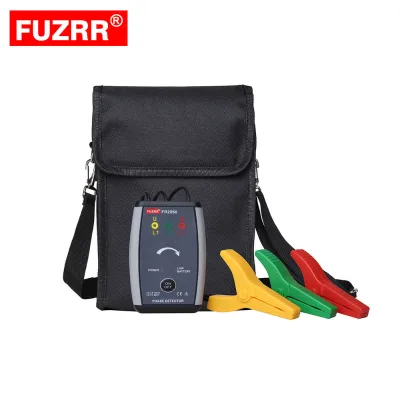
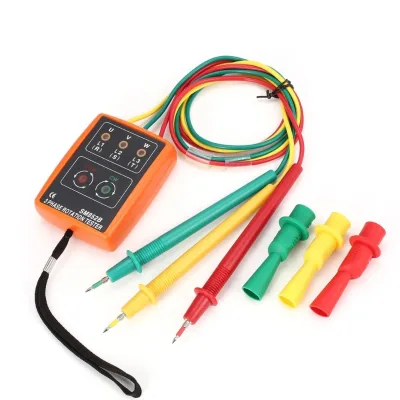
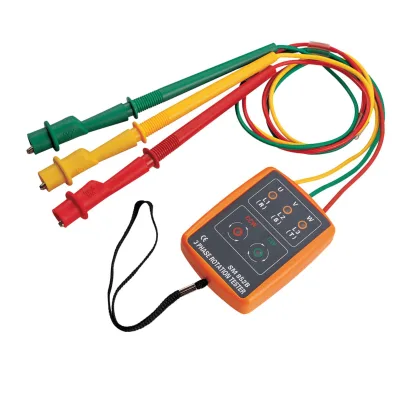


Weshine Digital Wireless High Voltage Phase Sequential Tester for Electric Lines
$1250.00 - $1400.00
MOQ: 1 Pieces
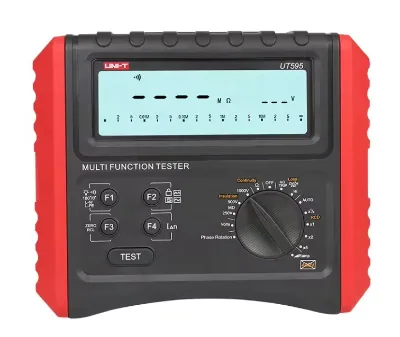
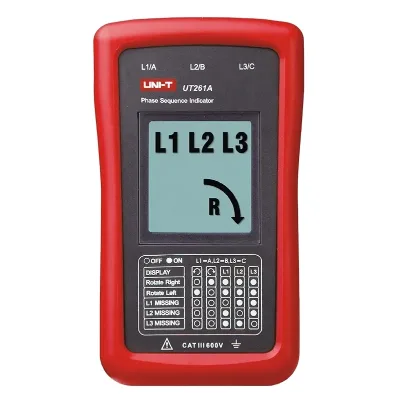
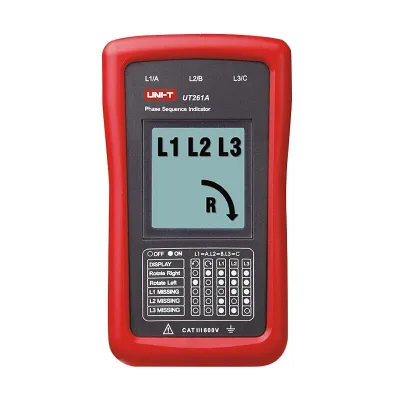
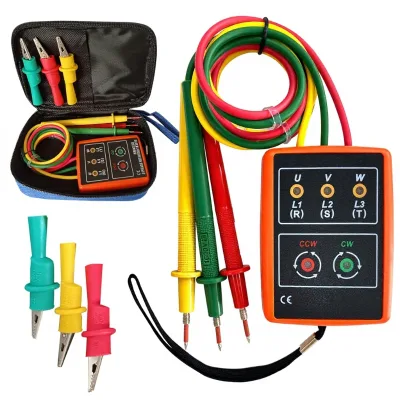
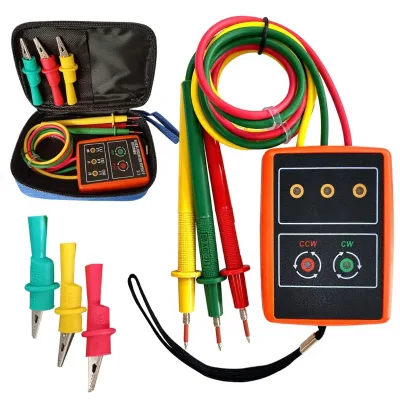


Reliable China Supplier Wholesale Digital 35kv Non-Contact Phase Sequence Tester
$1742.00 - $1928.00
MOQ: 1 sets


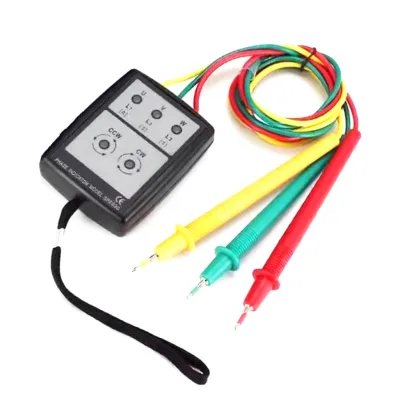
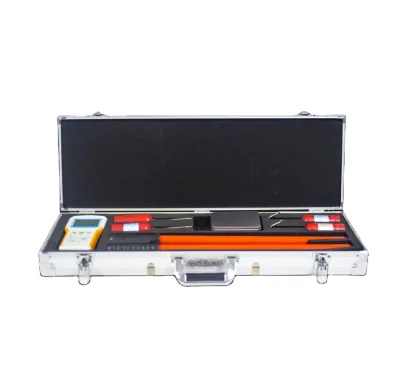

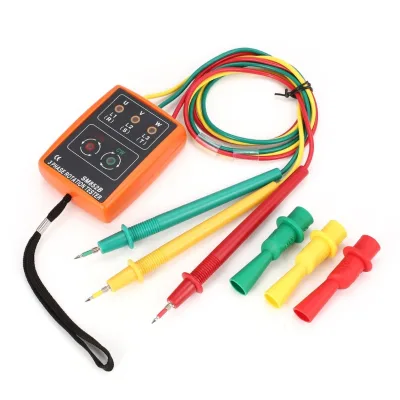
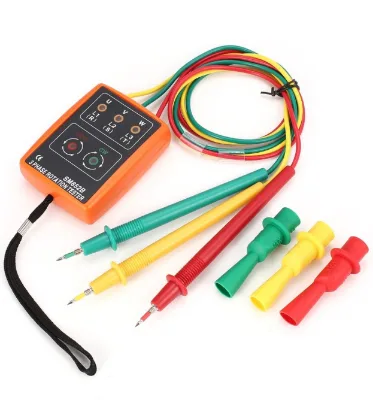
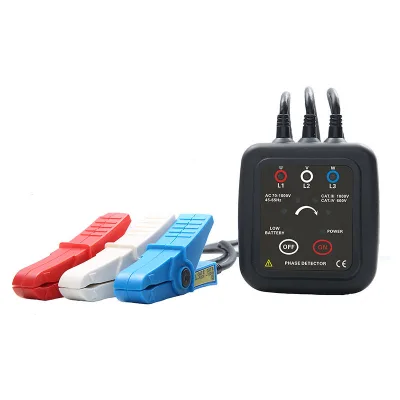
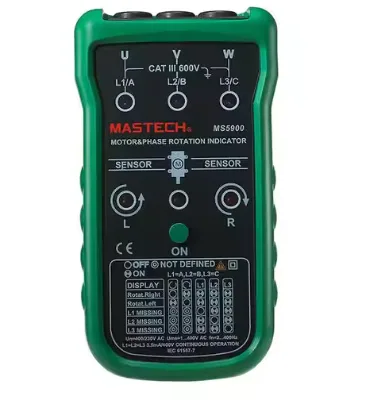
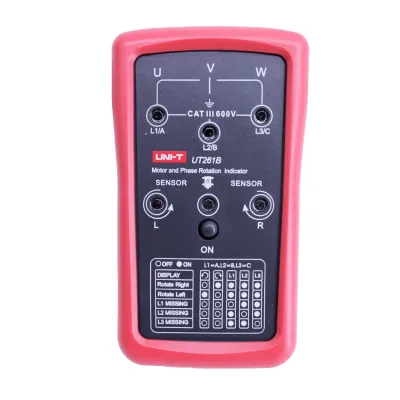
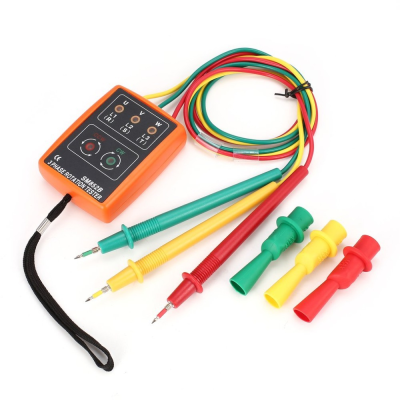
Comprehensive Sourcing Guide
CE Digital Phase Sequence Tester Sourcing Guide
Procuring a CE Digital Phase Sequence Tester requires careful attention to the specific electrical environments where the device will operate, particularly regarding voltage ranges and frequency recognition capabilities. Buyers must verify that the instrument supports the required AC voltage inputs, such as the observed range of 70 to 1000V, and confirms automatic frequency recognition for both 50Hz and 60Hz systems. This verification ensures the tool remains functional across diverse international grids without requiring manual recalibration for different regional power standards.
The selection process also hinges on the physical form factor and power supply requirements, which dictate field usability and operational continuity. Sourcing teams should prioritize models offering non-contact clamping methods with specific wire size compatibility, typically ranging from 1.5mm to 48mm outer diameters, to accommodate various cable types. Additionally, confirming the battery life and automatic shut-down features is critical, as devices with approximately 70 hours of continuous use and a six-minute auto-off timer significantly reduce the risk of power failure during extended diagnostic sessions.
Product Scope and Observed Listing Signals
The market for digital phase sequence testers presents a wide spectrum of product attributes, ranging from simple indicator-based units to more complex testing machines with high accuracy classes. Buyers should expect to encounter listings that specify the device type as either a phase sequence meter or a broader testing machine, often accompanied by varying claims regarding accuracy, such as ±0.5% or specific accuracy classes like High Accuracy. Understanding these distinctions is vital for matching the tool to the precision requirements of the intended electrical maintenance or installation tasks.
Listing signals also reveal significant variations in customization support and supply capabilities, which directly impact procurement strategy. While some suppliers offer OEM and ODM support with a supply ability of 1000 pieces per month, others may list products as non-customized or single-item selling units. Procurement professionals must scrutinize these signals to determine if the supplier can accommodate bulk orders or specific branding needs, ensuring that the chosen vendor aligns with the organization's volume requirements and customization expectations.
Technical Specifications to Verify
Technical verification must begin with the electrical measurement parameters, specifically the maximum current rating and the measuring energy range, which define the operational limits of the device. Buyers should confirm that the unit can handle the maximum rated power of 300 MVA and accurately measure energy within the 0-999999.9 kWh range, ensuring it meets the demands of high-load industrial applications. Additionally, the protection class, such as IP40, must be validated to guarantee adequate resistance against dust and water ingress in the intended working environment.
Physical dimensions and connection methods are equally critical specifications that influence portability and installation efficiency. The instrument size, often observed around 117.6mm in length with a specific thickness, must be compatible with the available workspace and the user's handling preferences. Furthermore, verifying the installation type, whether direct connected or utilizing a non-contact clamping method, is essential for determining the safety and speed of deployment during live electrical testing procedures.
Compliance and Safety Documentation
Compliance with international safety standards is a non-negotiable prerequisite for sourcing electrical testing equipment, particularly when operating in regulated markets. Buyers must demand evidence of certifications such as CE, ISO, and RoHS, which indicate that the product meets specific health, safety, and environmental protection requirements. These certifications serve as a baseline assurance that the device has undergone rigorous testing for electrical safety and material composition, reducing the liability risks associated with using uncertified equipment in professional settings.
Beyond general certifications, specific safety documentation regarding the instrument's voltage handling capabilities must be reviewed to ensure operational safety. The device should explicitly state its ability to measure the highest voltage of AC 1000V and operate within the specified live power range without risk of breakdown. Procurement teams should also verify that the power supply, whether a 9V battery or other source, includes safety features like battery voltage drop indicators to prevent inaccurate readings or sudden power loss during critical testing operations.
Cost Drivers and Commercial Terms
The final cost of a CE Digital Phase Sequence Tester is influenced by a complex interplay of technical specifications, customization levels, and supply chain logistics. Prices observed in the market range significantly, from approximately 4.6 USD to over 1900 USD, reflecting differences in accuracy, build quality, and brand positioning. Buyers must analyze these price points against the specific technical requirements of their projects to avoid overpaying for unnecessary features or under-specifying for critical applications.
Commercial terms, including minimum order quantities and lead times, play a pivotal role in the total cost of ownership and project scheduling. While some listings indicate an MOQ of 1 piece, others may require orders of 100 units, affecting the feasibility of small-scale procurement or pilot testing. Additionally, the port of dispatch, typically Shanghai, and the packaging details must be factored into the logistics plan, as these elements determine shipping costs and delivery timelines, which are crucial for maintaining project momentum.
Supplier Qualification and Quality Control
Supplier qualification extends beyond the basic listing of a brand name like Blue Jay to include an assessment of their manufacturing capabilities and quality assurance processes. Buyers should investigate the supplier's place of origin, such as Chongqing, China, and their stated supply ability of 1000 pieces per month to ensure they can consistently meet demand without compromising quality. A robust supplier will provide transparent information about their production standards and their ability to maintain consistency across large batches of testing equipment.
Quality control mechanisms must be verified through the supplier's adherence to specific product standards and their willingness to provide detailed product documentation. The presence of standardized packaging, such as cartons, and clear model numbers like EPR60 or 9040 indicates a structured approach to manufacturing and inventory management. Procurement teams should request samples or detailed test reports to validate that the actual product performance matches the advertised specifications, ensuring that the quality control measures in place are effective and reliable.
Long-Term Procurement Checks
Establishing a long-term procurement relationship requires ongoing verification of the product's warranty and after-sales support capabilities. A standard one-year warranty should be clearly defined in the contract, outlining the scope of coverage for defects and the process for repairs or replacements. Buyers must ensure that the supplier provides accessible support channels and clear guidelines for handling warranty claims, which is essential for minimizing downtime and maintaining operational efficiency over the product's lifecycle.
Continuous monitoring of product performance and market trends is necessary to ensure the procurement strategy remains aligned with evolving industry standards and technological advancements. Buyers should regularly review the accuracy class and other performance metrics of the devices in use to confirm they continue to meet the organization's needs. Additionally, staying informed about updates to safety standards and certification requirements will help procurement teams proactively adjust their sourcing strategies to maintain compliance and operational safety.
FAQs
What is the accuracy class of the Blue Jay phase sequence meter?
The Blue Jay phase sequence meter features a high accuracy class of ±0.5%. This precision ensures reliable phase detection for both positive and reverse phase sequences. The device is designed for electronic metering applications, providing consistent performance in three-phase four-wire systems. Users can trust this accuracy for critical electrical testing and monitoring tasks in industrial environments.
Can the device measure voltage up to 1000V AC?
Yes, the instrument can measure the highest voltage of AC1000V. It supports a live power range of AC70 to 1000V with automatic frequency recognition for 50Hz or 60Hz. This wide range allows for versatile use in various electrical systems. The non-contact clamping method ensures safe and efficient measurement without direct wire connection.
How long does the battery last on the phase sequence tester?
The device uses a 9V battery and offers a continuous use time of about 70 hours. An automatic shut-down feature activates approximately six minutes after power-on to conserve energy. When the battery voltage drops to about 5.2V, the power indicator light alerts the user. This ensures reliable operation during extended field testing sessions.
What certifications does the Blue Jay phase sequence tester hold?
The Blue Jay phase sequence tester holds CE, ISO, and RoHS certifications. These certifications confirm compliance with international safety and environmental standards. The product originates from Chongqing, China, and is dispatched via Shanghai port. Buyers can rely on these documented standards for quality assurance and regulatory compliance in global procurement processes.
What is the supply ability for this phase sequence meter?
The supplier offers a supply ability of 1000 pieces per month. This capacity supports steady demand for industrial testing equipment. The product is sold as a single item with customizable support for OEM and ODM requirements. Buyers should consult the supplier for detailed packaging information and specific lead times to ensure timely delivery for their projects.
Does the tester support direct connected installation methods?
Yes, the device supports direct connected installation for three-phase four-wire systems. It is designed as an electronic meter with a compact size of 70x75x30mm. The IP40 protection class ensures durability in typical industrial settings. This installation method simplifies integration into existing electrical panels for efficient phase sequence monitoring and testing.