Source Industrial Grade Excimer Laser Gas for Semiconductor, Medical, and Display
Compare 30 listings for Industrial Grade Excimer Laser Gas used in semiconductor manufacturing, medical devices, and display production. Buyers can evaluate cylinder specifications, valve types, and purity levels from verified Chinese suppliers.
Key considerations
Products List


High Quality Excimer Laser Gas Premix Gas Ne/He/Ar/F 16L/20L/47L Cylinder China Supplier
$1000.00 - $2000.00
MOQ: 1 cylinder


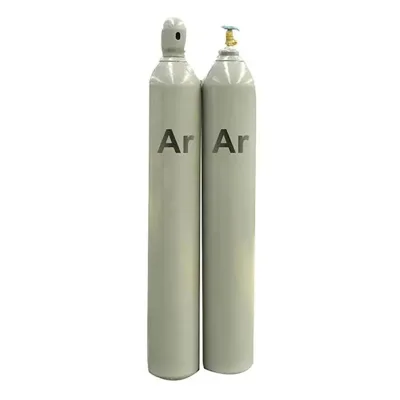

Visx Standard F2/Ar/He/Ne Arf Excimer Laser Gas Premix Gas for Sale
$1000.00 - $2000.00
MOQ: 1 cylinder

Good Quality High Quality Excimer Laser Gas Premix Gas in Cylinder
$1000.00 - $2000.00
MOQ: 1 cylinder

Wholesale Good Quality Lasersight Excimer Laser Gas in 10L Cylinder Premix Gas for Sale
$1000.00 - $2000.00
MOQ: 1 cylinder

Best Quality Fluorine Mixture Excimer Laser Gas Premixed Gas in 10L/16L/20L/47L Cylinder
$1000.00 - $2000.00
MOQ: 1 cylinder

Great Quality Excimer Laser Gas Premix Gas Ne/He/Ar/F2 16L/20L/47L Cylinder
$1000.00 - $2000.00
MOQ: 1 cylinder


Excimer Laser Gas Arf, Krf, Xecl, 5%F2/He, Kr/Ne, F2/Kr/Ne, Ar/Ne, F2/Ar/Ne From China
$10.00 - $200.00
MOQ: 1 cylinder


Argon Fluorine Helium Neon Excimer Laser Machine Gas Visx Laser Mixture
$0.50 - $1.00
MOQ: 1 Cubic meter


Comprehensive Sourcing Guide
Strategic Sourcing Guide for Industrial Grade Excimer Laser Gas
Procuring Industrial Grade Excimer Laser Gas requires a rigorous understanding of high-pressure gas logistics, precise chemical composition standards, and the specific safety protocols associated with non-flammable and inert gas mixtures. For buyers in the semiconductor, medical device, and precision manufacturing sectors, the reliability of the gas supply chain directly impacts production yield and equipment longevity. This guide synthesizes verified product attributes and industry standards to provide a framework for evaluating potential suppliers and managing procurement risks without relying on unverified market claims.
Technical Specifications and Cylinder Integrity
The foundation of a successful procurement strategy lies in the precise definition of technical specifications. Excimer laser gases, often utilized for their specific ultraviolet emission properties, are typically supplied in high-pressure cylinders that must meet stringent international standards. Based on observed market data, these products are frequently categorized under the DOT Class 2.2, indicating non-flammable gases, and are assigned the United Nations number 1956. This classification is critical for logistics planning, as it dictates specific handling, storage, and transportation requirements globally.
The physical integrity of the delivery vessel is paramount. The supplied data indicates that cylinder standards often align with DOT, ISO, and GB specifications, with specific adherence to ISO9809-3 for pressure vessel construction. Buyers must verify that the cylinder design pressure matches the intended application, with observed ranges including 15 MPa and 20 MPa working pressures, and test pressures reaching up to 250 Bar. The valve configuration is equally critical; common standards observed include CGA679, DIN8, and DIN14. The mismatch of a valve type to the specific gas mixture can lead to catastrophic failure or cross-contamination. Therefore, procurement documents must explicitly state the required valve standard, such as CGA679/DIN14, to ensure compatibility with the laser equipment's gas inlet.
Cylinder dimensions and capacity also vary based on the supplier's inventory and the buyer's consumption rate. Observed packing options include volumes of 10L, 16L, 20L, and 47L, with specific model dimensions such as an outside diameter of 219mm and a height of 1315mm. The material composition of these vessels is typically high-grade steel, often described as 37Mn&Steel, designed to withstand the high internal pressures required for laser applications. The design wall thickness, observed at 5.7mm in specific models, ensures structural integrity during transport and storage.
Compliance, Safety Standards, and Regulatory Alignment
Navigating the regulatory landscape for industrial gases involves strict adherence to safety standards and chemical property definitions. The observed chemical properties for these products range from "Inflammable Gas" to "Non-Flammable Gas," a distinction that requires immediate verification against the specific gas mixture being ordered. While excimer gases are generally inert, the presence of reactive components like Fluorine (F2) or other halogens in the mixture can alter safety protocols. The constituent list often includes Industrial Pure Air or Industrial Mixtures, necessitating a clear definition of the gas blend to ensure compliance with local environmental and safety regulations.
Certification and standardization are non-negotiable in this sector. The products are frequently labeled as meeting "Industrial Grade" standards, which implies a purity level suitable for high-precision manufacturing. While ISO 9001:2015 is a recognized background standard for quality management systems, buyers should not assume its presence without direct verification from the supplier. Instead, procurement teams should request evidence of specific cylinder testing and material certifications. The "Machinery Test Report" is a critical document that should be provided by the supplier, detailing the hydrostatic test results and pressure ratings of the cylinder.
Furthermore, the "Un 1956" designation and "DOT Class 2.2" classification must be clearly marked on all shipping documentation. This ensures that freight forwarders and logistics providers handle the cargo according to international dangerous goods regulations. Buyers must also verify the "Valve" specifications, as the interface between the cylinder and the laser machine must be leak-proof and chemically resistant. The presence of a "High Safety Level" as a key selling point should be substantiated by the provision of a valid machinery test report and adherence to the specified cylinder standards like ISO9809-3.
Cost Drivers and Economic Factors
Understanding the cost structure of industrial laser gas is essential for budgeting and total cost of ownership (TCO) analysis. The pricing of these gases is influenced by several factors, including the purity level, the complexity of the gas mixture, and the specifications of the delivery cylinder. Observed price ranges in the market span from 0 to 2000 USD, though this wide variance likely reflects differences in cylinder size, gas volume, and whether the price includes the cylinder rental or purchase. Buyers should be aware that the "Single item" selling unit often implies a transaction for a single cylinder, which may include a significant deposit for the high-value pressure vessel.
The Minimum Order Quantity (MOQ) is another significant economic driver. Data indicates an observed MOQ range of 1 to 100 pieces, with specific listings showing an MOQ of 100 pieces for certain configurations. This variability suggests that buyers with lower consumption rates may face higher per-unit costs or must negotiate for smaller batch sizes. The "Single gross weight" of 1.200 KG and the "Weight (KG)" of 10 KG for different cylinder types further influence shipping costs. Heavier cylinders, such as those with a 47L capacity, will incur higher freight charges compared to smaller 16L or 20L units.
Additionally, the "Warranty" period, observed at 3 months for certain equipment, represents a cost factor related to potential cylinder maintenance or replacement. Buyers should factor in the cost of cylinder inspection and re-certification, which may be required periodically to maintain compliance with safety standards. The "Core components," specifically the pressure vessel, represent a significant portion of the asset value. Understanding whether the supplier charges a separate fee for the cylinder or includes it in the gas price is crucial for accurate financial planning.
Typical Applications and Performance Requirements
Industrial Grade Excimer Laser Gas is primarily utilized in applications requiring high-precision material processing. The "Usage" is explicitly defined as the "Storage of industrial gases," but the end-use applications are diverse. In the semiconductor industry, these gases are essential for photolithography, where the excimer laser's ultraviolet light is used to etch microscopic circuits onto silicon wafers. The purity of the gas, often cited as 99.9% in observed listings, is critical to prevent defects in the micro-circuitry. Any impurities can lead to scattering of the laser beam or contamination of the wafer surface, resulting in yield loss.
In the medical device sector, excimer lasers are used for corneal reshaping procedures (LASIK) and other dermatological treatments. The consistency of the gas mixture ensures that the laser output remains stable, providing predictable results for surgical outcomes. The "Laser Gas" model designation found in product specifications directly correlates to these high-precision applications. The "Working temperature" range of -20 to 20 degrees Celsius is a critical operational parameter; buyers must ensure that their storage facilities and laser equipment can maintain this environment to prevent gas condensation or pressure fluctuations that could affect laser performance.
The "Appearance" of the gas, described as colorless and odorless, is a standard characteristic that simplifies visual inspection but does not replace the need for analytical testing. The "Chemical Property" of being non-flammable (or inflammable depending on the specific mixture) dictates the safety measures required in the manufacturing facility. Buyers should verify that their facility's ventilation and fire suppression systems are compatible with the specific gas mixture being used. The "Single package size" of 30x15x15 cm for smaller units and larger dimensions for industrial cylinders must be considered when planning warehouse space and material handling equipment.
Supplier Evaluation and Quality Assurance
Selecting a reliable supplier for industrial laser gas involves a multi-faceted evaluation process that goes beyond price comparison. The "Place of origin" is a significant factor, with many suppliers located in Shandong, China. While this region is a major hub for manufacturing, buyers should verify the specific capabilities of the supplier's facility regarding gas blending and cylinder filling. The "Brand name" RM is observed in some listings, but buyers should not rely on brand recognition alone. Instead, they should request detailed documentation regarding the supplier's quality control processes.
Quality assurance is best demonstrated through the provision of a "Machinery test report." This document should verify that the cylinder has undergone rigorous testing, including hydrostatic pressure tests and leak checks. The "Design Pressure" of 150 bar and "Test Pressure" of 250 bar must be clearly documented and certified. Buyers should also inquire about the "Valve" certification, ensuring that the CGA679 or DIN14 valves meet the required international standards. The "Core components" of the cylinder, such as the pressure vessel, should be made from high-grade materials like 37Mn&Steel to ensure durability and safety.
When evaluating suppliers, buyers should also consider the "Warranty" terms. A 3-month warranty on the cylinder or related equipment indicates the supplier's confidence in their product quality. However, buyers must clarify what this warranty covers, whether it is limited to manufacturing defects or includes broader performance guarantees. The "Key selling points" such as "High Safety Level" should be backed by concrete evidence, such as compliance with ISO9809-3 and other relevant standards.
Long-Term Procurement and Supply Chain Resilience
Establishing a long-term procurement strategy for industrial laser gas requires a focus on supply chain resilience and continuous quality monitoring. The "MOQ" of 100 pieces for certain configurations suggests that buyers with high consumption rates may benefit from establishing a standing order or a framework agreement. This approach can help stabilize pricing and ensure a consistent supply of gas, which is critical for maintaining production schedules in high-tech manufacturing environments.
Buyers should also plan for the lifecycle of the cylinders. The "Cylinder Standard" of DOT/ISO/GB implies that the vessels have a finite lifespan and require periodic re-certification. A robust procurement strategy includes a schedule for cylinder inspection and re-testing to ensure ongoing compliance with safety regulations. The "Working temperature" constraints of -20 to 20 degrees Celsius mean that buyers must invest in climate-controlled storage to prevent gas degradation or pressure issues.
Furthermore, the "Selling Units" being listed as "Single item" indicates that buyers may need to manage a complex inventory of different cylinder sizes and types. A centralized inventory management system can help track cylinder usage, return schedules, and re-ordering needs. By maintaining a clear record of cylinder specifications, including the "Outside Diameter" of 219mm and "Height" of 1315mm, buyers can optimize their storage space and ensure that the correct cylinders are available for specific laser applications.
In conclusion, sourcing Industrial Grade Excimer Laser Gas is a complex process that demands attention to technical specifications, regulatory compliance, and supplier reliability. By focusing on verified data such as cylinder standards, valve types, and purity levels, buyers can mitigate risks and ensure a steady supply of high-quality gas for their critical manufacturing operations. The integration of these factors into a comprehensive procurement strategy will enable organizations to maintain the high standards required in the semiconductor, medical, and precision manufacturing industries.
FAQs
What valve standards are used for Industrial Grade Excimer Laser Gas?
Common valve standards include CGA679, DIN8, and DIN14. Buyers must verify the specific valve type matches their laser equipment inlet to prevent cross-contamination or catastrophic failure during high-pressure operation.
Which cylinder pressure ratings are typical for this gas?
Observed working pressures range from 15 MPa to 20 MPa with test pressures up to 250 Bar. These ratings ensure structural integrity for storing industrial mixtures under high pressure during transport and storage.
Can I find cylinders with a 100-piece minimum order quantity?
Yes, some listings specify an MOQ of 100 pieces for certain configurations. Buyers with lower consumption rates may need to negotiate smaller batch sizes or accept higher per-unit costs associated with single-item sales.
What material is used for the pressure vessel construction?
Cylinders are typically constructed from 37Mn and Steel materials. This high-grade composition ensures the vessel can withstand the required design wall thickness of 5.7mm and internal pressures safely.
How is the gas classified for shipping and logistics?
The gas is classified as DOT Class 2.2 with UN Number 1956. This designation dictates specific handling, storage, and transportation requirements globally for non-flammable gases under pressure.
What purity levels are available for Industrial Grade Excimer Laser Gas?
Purity levels of 99.9% are observed in product listings. This high purity is critical for semiconductor and medical applications to prevent defects caused by impurities in the laser beam or wafer surface.