Source industrial grade fluorescent brightener for cotton paper plastic
Find Industrial Grade Fluorescent Brightener for Cotton and Paper among 30 verified listings. Buyers can compare specifications, prices, and applications including textile, paper, and plastic usage from multiple suppliers.
Key considerations
Products List
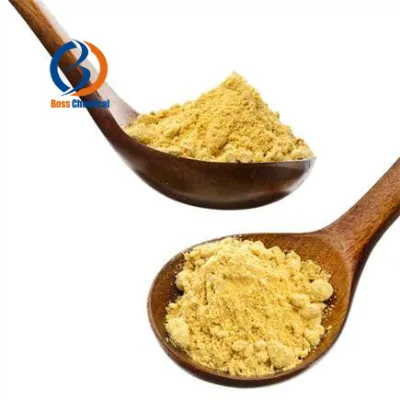
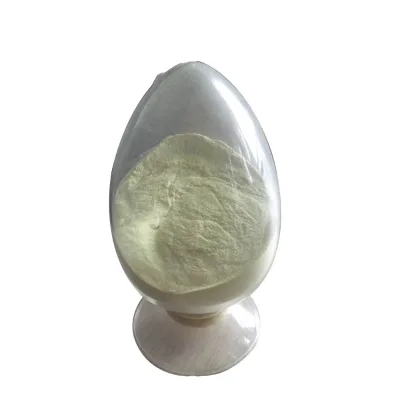


Fluorescent Brightener Er-330 C. I. 199 for Textile Polyester CAS 13001-39-3
$5.00 - $10.00
MOQ: 1000 kg


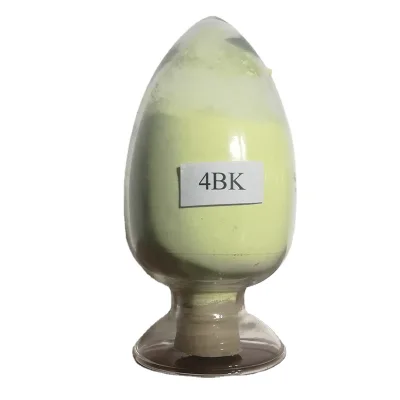
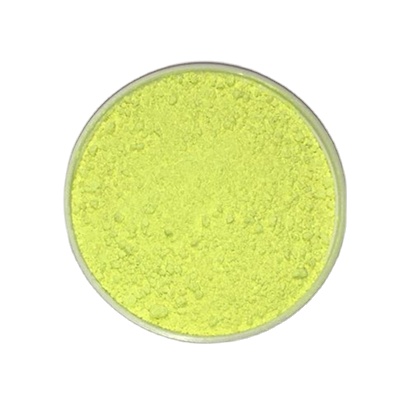
For Paper Making High Quality Fluorescent Whitening Agent Optical Brightener BA
$13.40 - $20.61
MOQ: 25 Minimum
Comprehensive Sourcing Guide
Strategic Sourcing Guide for Industrial Grade Fluorescent Brighteners in Cotton and Paper Manufacturing
Procuring industrial-grade fluorescent brighteners for cotton and paper applications requires a disciplined approach that balances chemical performance, regulatory compliance, and supply chain reliability. The market for optical brighteners is vast, characterized by a wide array of chemical structures, physical states, and specific application profiles. Buyers must navigate a landscape where product attributes such as purity, assay levels, and physical appearance vary significantly between suppliers. This guide provides a framework for evaluating potential suppliers and products based on verified technical data and industry standards, ensuring that the selected materials meet the rigorous demands of textile and paper processing.
Technical Specifications and Chemical Identification
The foundation of a successful procurement strategy lies in the precise identification of the chemical product. For industrial applications involving cotton and paper, the molecular formula and CAS (Chemical Abstracts Service) number are the primary identifiers. In the current market, distinct brighteners are available with specific molecular formulas such as C18H14N2O2 and C26H26N2O2S. These formulas correspond to different classes of optical brighteners, each offering unique fluorescence properties under ultraviolet light.
When sourcing for cotton, the physical state of the brightener is a critical consideration. Products are observed in the market as powders, ranging from yellow to light yellowish-green, or as liquids. The appearance of the powder is often described as yellow powder or light yellowish green powder, which can indicate the specific chemical composition and purity. For paper applications, the product may be formulated as a liquid or a powder, with the latter often packaged in 25kg drums or bags. Buyers must verify the "Model Number" or product code, as these often denote specific variants like OB, OB-1, KCB, or KSN, which are tailored for different substrate interactions.
A key technical parameter to verify is the assay and purity. High-grade industrial products typically list a purity of 99% or an assay of 99% minimum. These figures are not merely marketing terms but are essential for ensuring consistent performance in large-scale manufacturing. The molecular formula (MF) serves as a definitive check; for instance, a brightener with the formula C18H14N2O2 is distinct from one with C26H26N2O2S. Procurement teams should cross-reference the provided MF and CAS number (such as 12224-12-3 or 7128-64-5) against the intended application to ensure the chemical structure aligns with the specific dyeing or bleaching process requirements.
Compliance, Certification, and Regulatory Verification
Navigating the regulatory landscape is a non-negotiable aspect of sourcing industrial chemicals. While specific certification documents may vary by supplier, buyers must insist on verification of the EINECS (European Inventory of Existing Commercial Chemical Substances) number. For example, a specific fluorescent brightener is associated with the EINECS number 602-366-2. This number confirms that the substance is registered and recognized within the European chemical inventory, a prerequisite for many international trade agreements.
Furthermore, the HS (Harmonized System) Code is essential for customs clearance and duty calculation. Products in this category often fall under codes such as 32042000, which covers synthetic organic dyes and pigments. Buyers must ensure that the supplier provides accurate HS codes to avoid logistical delays. Additionally, the "Standard" attribute of the product should be verified. While some suppliers offer customized standards, others adhere to specific internal or industry benchmarks, such as a 20% concentration standard for certain liquid formulations.
It is crucial to distinguish between "customized" standards and established industry norms. When a supplier lists a standard as "customized," it implies that the product can be tailored to specific buyer requirements, but it also necessitates a rigorous review of the custom specifications to ensure they meet safety and performance criteria. Buyers should request documentation confirming that the product complies with relevant REACH regulations or other local environmental and safety standards, particularly for products intended for textile and paper industries where residual chemical levels are strictly monitored.
Cost Drivers and Pricing Dynamics
The pricing of industrial fluorescent brighteners is influenced by several factors, including raw material costs, packaging requirements, and order volume. The observed price range in the market spans from 0.6 to 40 USD, reflecting the diversity of product types and quality levels. Lower-priced items may correspond to basic formulations or smaller packaging units, while higher prices often correlate with specialized grades, higher purity levels, or liquid formulations that require more complex handling.
Packaging plays a significant role in the final cost structure. Common packaging options include 25kg drums, 50kg drums, 200kg drums, and even 1100kg drums for bulk industrial users. The choice of packaging affects both the unit price and the logistics costs. For instance, a 25kg drum is standard for smaller batches, while larger drums are more economical for high-volume production. Buyers should also consider the "Single Package Size" and "Single Gross Weight" when calculating shipping costs. A product with a single gross weight of 1.000 kg and dimensions of 20x15x10 cm represents a specific logistical profile that differs from bulk drum shipments.
Minimum Order Quantity (MOQ) is another critical cost driver. The market exhibits an MOQ range from 1 to 5000 units, offering flexibility for both small-scale trials and large-scale procurement. Suppliers may offer sample support, allowing buyers to test the product before committing to a larger order. However, the transition from sample to bulk order often involves a change in pricing structure. Buyers should negotiate based on the total volume and the specific packaging requirements to optimize the cost per unit.
Typical Applications and Performance Expectations
Fluorescent brighteners serve a variety of applications, with cotton and paper being the primary sectors. In the textile industry, these brighteners are used as pretreatment auxiliaries, textile printing auxiliaries, dyeing auxiliaries, and post-processing auxiliaries. The specific application dictates the required chemical properties. For cotton, the brightener must effectively penetrate the fiber and provide a lasting whitening effect without compromising the fabric's integrity.
In the paper industry, the brighteners function as whitening agents, enhancing the brightness and visual appeal of the final product. The application may also extend to detergent usage, where the brightener improves the perceived whiteness of fabrics during washing. The versatility of these chemicals is evident in their classification as agrochemical intermediates, optical brighteners, and dyestuffs for paint, plastic, and textile applications.
Buyers should evaluate the product's suitability for their specific process. For example, a brightener labeled for "Textile usage" may have different solubility characteristics compared to one designated for "Paper usage." The physical state, whether powder or liquid, also influences the application method. Liquid formulations are often preferred for automated dosing systems in paper mills, while powders may be more suitable for dry mixing processes in textile dyeing. Understanding these nuances ensures that the selected brightener delivers the expected performance in the intended application.
Supplier Evaluation and Quality Control
Selecting a reliable supplier is paramount to maintaining product consistency and operational efficiency. Key evaluation criteria include the supplier's location, brand reputation, and ability to provide samples. Many suppliers originate from regions known for chemical manufacturing, such as Shandong, China. The "Place of Origin" is a significant factor, as it can influence lead times and shipping costs. Buyers should verify the supplier's track record in providing consistent quality and adhering to delivery schedules.
Quality control measures should be a central part of the supplier evaluation process. Buyers must request test results that confirm the product's purity, assay, and physical appearance. The "Appearance" attribute, such as "Yellow powder" or "Light Yellowish Green Powder," should be verified against the sample provided. Additionally, the "Kind" of the product, whether it is a detergent or a specific chemical intermediate, must align with the buyer's specifications.
Suppliers should be transparent about their production capabilities and quality assurance protocols. The availability of customization is a valuable feature, allowing buyers to tailor the product to their specific needs. However, customization should not compromise the core quality standards. Buyers should establish clear communication channels with suppliers to ensure that any changes in the production process are communicated and approved before implementation.
Long-Term Procurement Considerations
Sourcing fluorescent brighteners is not a one-time transaction but a long-term partnership that requires strategic planning. Buyers should consider the scalability of the supply chain, the stability of the product formulation, and the supplier's ability to adapt to market changes. The "Customization" attribute indicates that suppliers are willing to work with buyers to develop specific solutions, which can be a significant advantage in a competitive market.
Long-term procurement also involves managing inventory and logistics. The variety of packaging options, from 25kg drums to 1100kg drums, allows buyers to optimize their storage and handling processes. Buyers should develop a robust inventory management system to ensure a steady supply of brighteners while minimizing storage costs. Additionally, maintaining a relationship with the supplier for regular quality audits and performance reviews is essential for sustaining high standards.
In conclusion, sourcing industrial-grade fluorescent brighteners for cotton and paper applications requires a comprehensive understanding of technical specifications, regulatory requirements, and market dynamics. By focusing on verified data, rigorous supplier evaluation, and strategic long-term planning, buyers can secure a reliable supply of high-quality brighteners that meet their production needs. The diversity of products available, from specific molecular formulas to various physical states, offers ample opportunities for optimization, provided that buyers approach the procurement process with diligence and attention to detail.
FAQs
What are the common physical appearances of industrial fluorescent brighteners?
Products appear as yellow powder or light yellowish green powder. Some formulations are also available as liquids, depending on the specific model and intended application for textile or paper processing.
Which molecular formulas identify the available brightener types?
Common formulas include C18H14N2O2 and C26H26N2O2S. These distinct chemical structures correspond to different classes of optical brighteners used in various industrial applications.
How is the purity and assay level defined for these products?
High-grade industrial products typically list a purity of 99% or an assay of 99% minimum. These figures ensure consistent performance and are essential for large-scale manufacturing processes.
Can buyers obtain samples before placing a bulk order?
Yes, sample support is available for many suppliers. This allows buyers to verify the product quality and physical appearance before committing to larger purchase quantities.
What packaging options are standard for industrial orders?
Standard packaging includes 25kg drums, bags, cartons, and buckets. Bulk options may also include 50kg, 200kg, or 1100kg drums depending on the supplier and order volume.
Which certifications verify the chemical identity of the brighteners?
Verification includes the EINECS number 602-366-2 and specific CAS numbers like 12224-12-3. These identifiers confirm the substance is registered and recognized within international chemical inventories.
What is the typical minimum order quantity for these chemicals?
The observed MOQ range spans from 1 to 5000 units. This flexibility accommodates both small-scale trials and large-scale procurement needs for textile and paper industries.