Source Industrial Household Knock Screwdriver for DIY, Repair, and Assembly
Compare 30 Industrial Household Knock Screwdriver options from verified Chinese suppliers. Buyers can evaluate magnetic tips, handle materials, and customization support for household and industrial applications. These tools feature carbon steel construction, black oxide finishes, and support for OEM and ODM branding needs.
Updated
Key considerations
Products List
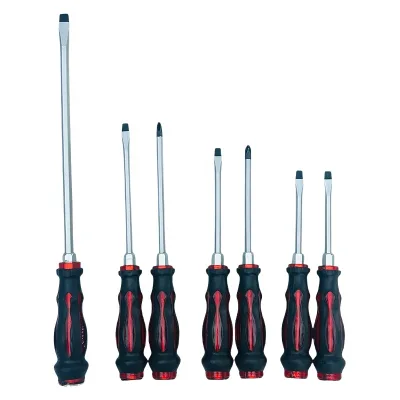
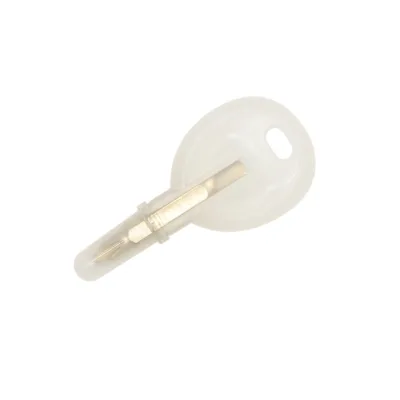


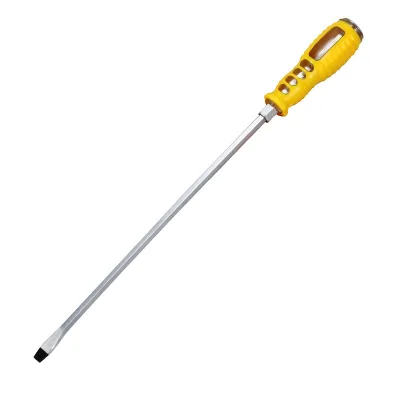
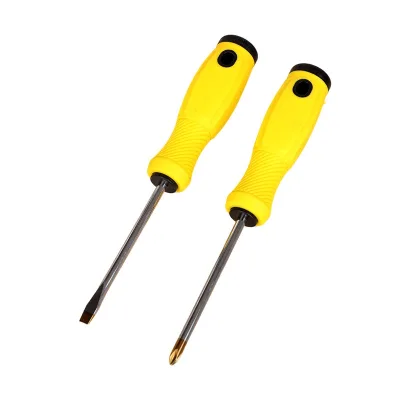
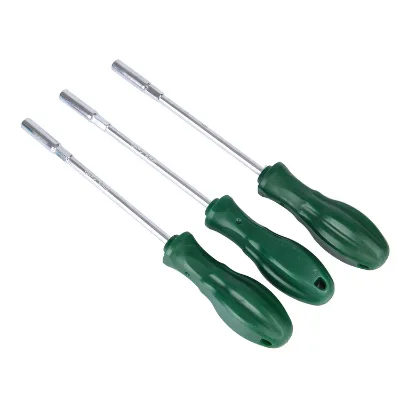
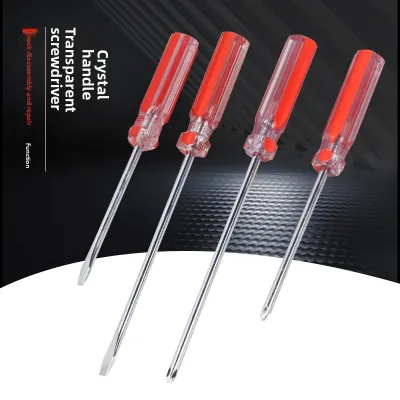
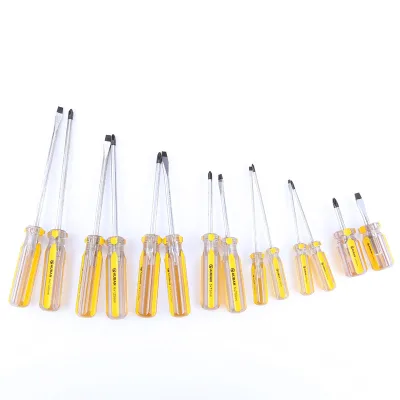
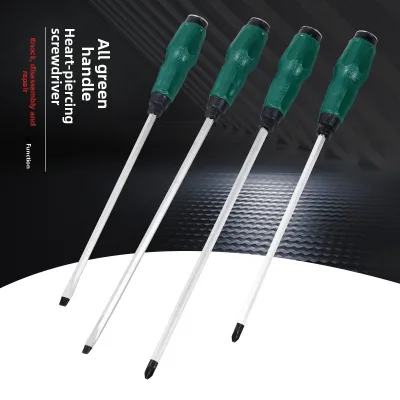

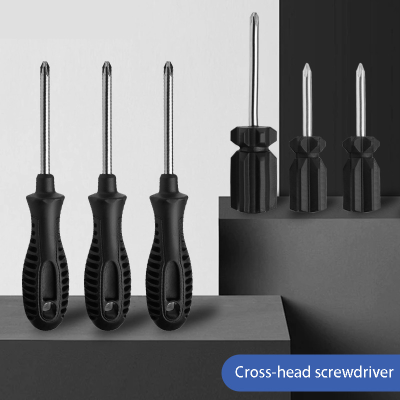
Manual Cross-head Screwdriver Assembly and Repair Tool Plastic Handle Screwdriver
$0.0722 - $0.2169
MOQ: 100 Minimum


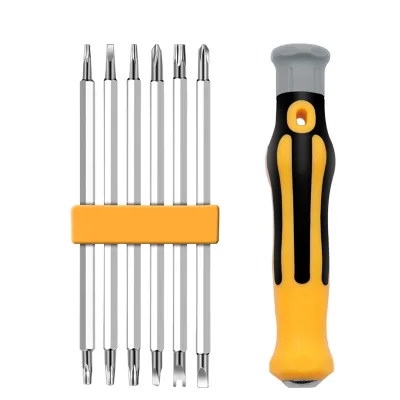
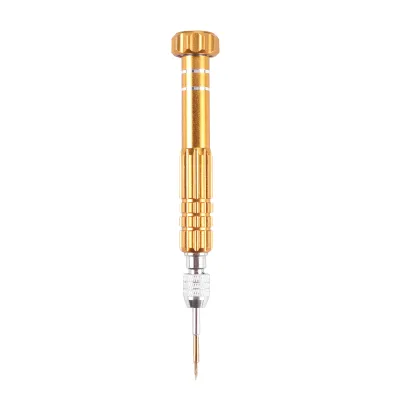

Comprehensive Sourcing Guide
Industrial Household Knock Screwdriver Sourcing Guide
Sourcing industrial-grade knock screwdrivers requires a clear understanding of the dual-purpose nature of these tools, which bridge the gap between heavy-duty mechanical work and precise household maintenance. The term "knock screwdriver" often refers to tools designed to withstand impact, allowing users to strike the handle for stubborn fasteners, a feature distinct from standard precision drivers. Buyers must distinguish between tools marketed for general industrial use and those specified for delicate electronic or household applications, as the material hardness and tip geometry vary significantly. This distinction is critical for ensuring the tool performs reliably under the specific torque and impact loads expected in your operational environment.
The market offers a variety of configurations, including double-ended designs that combine slotted and Phillips heads, maximizing versatility for field technicians. These tools are frequently manufactured with magnetic tips to retain screws during installation, reducing downtime and improving safety in overhead or confined spaces. Procurement teams should evaluate whether the "knockable" feature implies a reinforced handle structure or a specific head geometry capable of absorbing hammer blows without chipping. Understanding these mechanical nuances ensures that the selected screwdriver meets the physical demands of the task while maintaining the precision required for tight-tolerance assemblies.
Product Scope and Observed Listing Signals
Current market listings indicate a diverse range of options, with prices observed between $0.07 and $79.21 USD, reflecting variations in material quality, brand positioning, and order volume. The minimum order quantities (MOQ) typically range from 1 to 1000 pieces, offering flexibility for both small-scale procurement and large industrial contracts. Many suppliers support OEM and ODM customization, allowing buyers to tailor handle materials, logo placement, and packaging to their specific branding or ergonomic needs. This level of customization is particularly valuable for companies seeking to standardize their tool inventory across multiple departments or project sites.
Product attributes frequently highlight features such as magnetic tips, durable carbon steel construction, and specific drive sizes like PH2 or 6mm. Some listings specify sizes of 4, 5, or 6 inches, while others offer compact 45mm models, catering to different access requirements. The handle materials vary from PVC to plastic, influencing grip comfort and electrical insulation properties. Buyers should carefully review the "Single package size" and gross weight to calculate accurate shipping costs and storage requirements, as these logistical factors can significantly impact the total cost of ownership for bulk orders.
Technical Specifications to Verify
Verifying the material composition is essential, as many listings specify carbon steel for the shaft, which provides the necessary strength and durability for industrial applications. The finish options, including black oxide, zinc plating, or matte coatings, play a crucial role in corrosion resistance and longevity, especially in humid or outdoor environments. Buyers must confirm the exact grade of steel and the heat treatment process to ensure the tool can withstand the "knockable" impact without bending or breaking. The drive size, often listed as PH2 or 6mm, must match the fastener specifications of your equipment to prevent stripping or damage to the screw heads.
The head style and screw head type compatibility are critical technical details that must align with your inventory of fasteners. Listings often mention compatibility with both cross and slotted screws, but the precision of the tip geometry varies by manufacturer. It is important to verify the model numbers, such as JC-SD-Q03 or JC-SD-Y248, to ensure consistency in future reorders. Additionally, the warranty terms, whether stated as one year or standard, provide insight into the manufacturer's confidence in their product's durability and their commitment to after-sales support.
Compliance and Safety Documentation
While specific certification standards are not always explicitly listed in general product descriptions, buyers should request documentation to ensure the tools meet relevant safety and quality benchmarks. For industrial use, compliance with international standards for hand tool safety is paramount to prevent workplace injuries. Buyers must verify if the tools have undergone rigorous testing for impact resistance, torque capacity, and electrical insulation, particularly if they are used in environments with live electrical components. Requesting test reports or certificates of conformity from the supplier is a necessary step to mitigate liability and ensure worker safety.
The origin of the product, often listed as Zhejiang or Shandong in China, can influence the availability of compliance documentation. Buyers should inquire about the manufacturing facility's quality management systems and whether they adhere to ISO standards or other recognized frameworks. Ensuring that the tools are free from harmful substances and meet environmental regulations is also important, especially for companies with strict sustainability goals. Clear communication with the supplier regarding these compliance requirements helps avoid delays and ensures that the procured tools are suitable for regulated industries.
Cost Drivers and Commercial Terms
The price range of $0.07 to $79.21 USD is influenced by several factors, including the material grade, finish quality, and customization level. High-volume orders typically benefit from lower unit prices, with MOQs starting at 1000 pieces for some suppliers. Buyers should consider the total cost of ownership, which includes shipping, tariffs, and potential rework costs due to tool failure. Investing in higher-quality tools with better corrosion resistance and durability can reduce long-term replacement costs, even if the initial unit price is higher.
Commercial terms such as payment methods, lead times, and packaging options also impact the overall procurement strategy. Suppliers often offer inner box and carton packaging to protect the tools during transit, which is crucial for maintaining product quality. Buyers should negotiate clear terms regarding warranty claims and return policies to protect their investment. Understanding the supplier's production capacity and lead times helps in planning inventory levels and avoiding production delays, ensuring a smooth supply chain operation.
Supplier Qualification and Quality Control
Evaluating supplier qualifications is a critical step in ensuring the reliability of the sourced tools. Buyers should verify the supplier's business license, manufacturing capabilities, and history of exporting to your target market. Requesting samples before placing a bulk order allows for hands-on inspection of the tool's build quality, magnetic strength, and ergonomic design. This due diligence helps identify potential issues early and ensures that the supplier can meet your specific technical and quality requirements.
Quality control processes should be clearly defined and agreed upon with the supplier. This includes specifications for incoming material inspection, in-process quality checks, and final random inspection before shipment. Buyers may consider hiring third-party inspection services to verify that the products meet the agreed-upon standards. Establishing a clear communication channel for addressing quality issues and implementing corrective actions is essential for maintaining consistent product quality and building a long-term partnership with the supplier.
Long-Term Procurement Checks
Establishing a long-term procurement strategy involves regular performance reviews and continuous improvement initiatives. Buyers should track the performance of the tools in the field, monitoring for issues such as tip wear, handle breakage, or corrosion. This feedback loop can be used to negotiate better terms, request product improvements, or switch suppliers if necessary. Maintaining a diverse supplier base can also mitigate risks associated with supply chain disruptions and price volatility.
Regular audits of the supplier's quality management system and production facilities help ensure ongoing compliance and quality. Building a strong relationship with the supplier can lead to better pricing, priority production, and access to new product developments. Buyers should also stay informed about industry trends and technological advancements in hand tool manufacturing to ensure their procurement strategy remains competitive and effective in the long run.
FAQs
What materials are used for the Industrial Household Knock Screwdriver?
The screwdriver is primarily constructed from carbon steel for the shaft and PVC or plastic for the handle. This combination ensures durability and a comfortable grip for both DIY and industrial applications. The magnetic tip feature aids in holding screws securely during tight or precise tasks, making it a versatile tool for various household and professional needs.
Can I customize the logo and packaging for this screwdriver?
Yes, OEM and ODM customization support is available for this product. Buyers can request customized logos and specific packaging options, such as inner boxes and cartons. This flexibility allows businesses to brand the tools effectively for their market. The minimum order quantity for such customized orders is typically 1000 pieces, ensuring cost-effective production for bulk buyers.
What are the available sizes and drive specifications for this tool?
The screwdriver is available in sizes of 4, 5, and 6 inches, with a specific model also listed at 45 mm. The drive size is PH2, 6mm, and the head style is magnetic. It supports both cross and slotted screw heads. These specifications make it suitable for a wide range of tightening applications, catering to both precision and general household repair tasks.
Where is the Industrial Household Knock Screwdriver manufactured?
The product originates from China, with specific manufacturing locations listed in Zhejiang and Shandong provinces. These regions are known for their robust tool manufacturing industries. The goods are packed individually in boxes and cartons, with a single gross weight of 0.2 kg for larger models. This origin ensures access to established supply chains and competitive pricing for international buyers.
What warranty and finish options are provided for this screwdriver?
The screwdriver comes with a one-year warranty for standard models, while others may have standard warranty terms. Finish options include black oxide, zinc, and matte coatings to enhance corrosion resistance and durability. These finishes protect the carbon steel material, ensuring longevity even in industrial environments. The magnetic tip and double-ended design further contribute to its practical utility and user satisfaction.