Magnetic Pick-Up Tool with Release Function Suppliers
Source a Magnetic Pick-Up Tool with Release Function from 21 verified suppliers. Compare lead times, MOQs, certifications, and prices to find the right fit. Review product specs and request samples to verify quality before placing orders; review the available evidence before requesting comparable quotations from suitable candidates.
Suppliers List
Dailymag Magnetic Technology (Ningbo) Limited
- Verified by TüVRheinland
- Manufacturer, Trading Company
- Lead time15 days
- Avg. response≤ 6h
Main productsMagnetic Tools, Linear Actuator, Sharps Container, Neodymium Magnets, Magnetic Assembles
Main marketsNorth America(35%), Western Europe(24%), South America(8%)
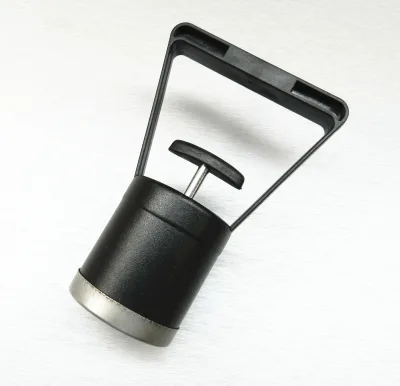
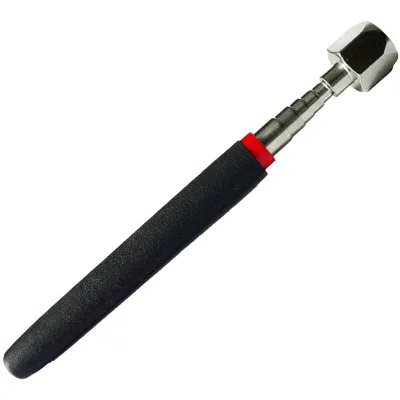
Lightweight Plastic Magnetic Pick up Tool Magnetic Separator Pick-Up Tool with Quick Release
$1.40 - $2.50
MOQ: 1000 Minimum
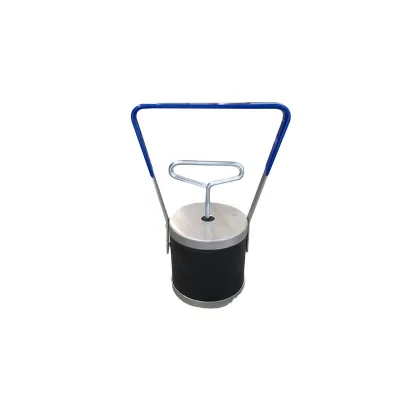
Best Quality Handheld Magnetic Pick up Tool Magnet Catcher Magnetic Tool Pick up With Release
$1.46 - $2.61
MOQ: 1000 Minimum
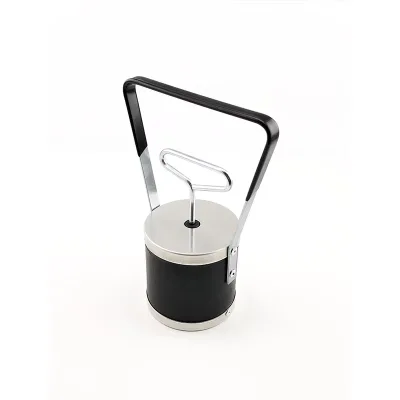
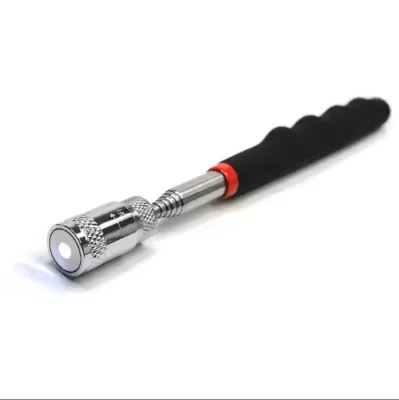
$1.40 - $3.00
MOQ: 500 Minimum
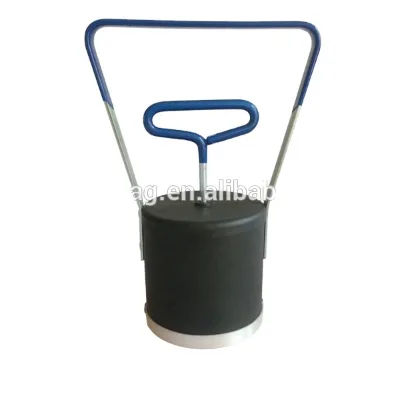
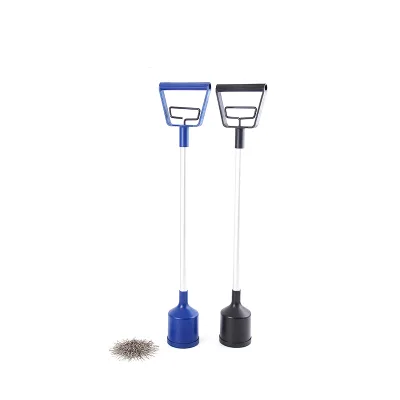
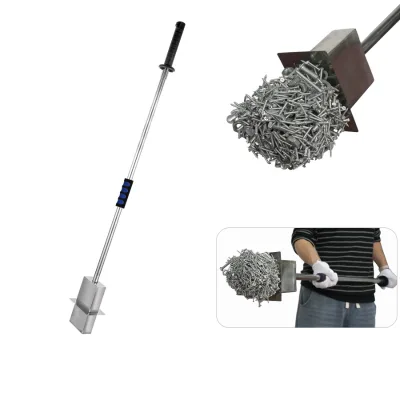
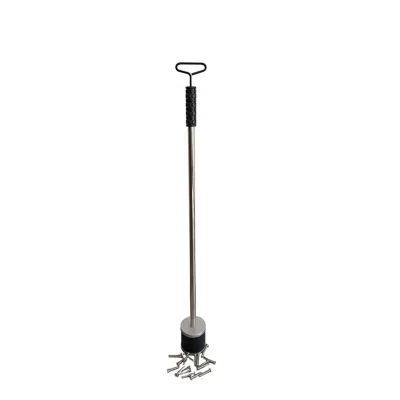
30Lbs Magnetic Pick up Tool Magnetic Separator Can Pick up Nails and Metal Parts
$3.50 - $6.00
MOQ: 100 pieces
Zhejiang Lishuai Magnetics Co., Ltd.
- Manufacturer, Trading Company
- Zhejiang, China
- Lead time20 days
- Avg. response≤ 6h
Main productsPermanent Magnetic Lifter,Permanent Magnetic Chuck,Electromagnetic Chuck,Welding Magnet,Magnetic Sweeper
Main marketsDomestic Market(50.00%), Western Europe(25.00%), Eastern Asia(10.00%), Eastern Europe(5.00%), North America(5.00%), Southeast Asia(4.00%), South America(1.00%)

Xiamen Yuxiang Magnetic Materials Technology Co., Ltd.
- Trading Company
- China Fujian
- Lead time23 days
- Avg. response≤ 8h
Main productsNdFeB Magnet, SmCo Magnet, AlNiCo Magnet, Ferrite Magnet, Rubber Magnet, Fridge Magnet, Magnetic Powder, Magnetic Compound, Magnetic Core, Magnetic Materials
Main marketsSouth America,Africa,Southeast Asia/ Mideast,East Asia(Japan/ South Korea),Europe,Australia,North America
Ningbo Yinzhou Fengjie Tools Co., Ltd.
- Verified by TüVRheinland
- Manufacturer, Trading Company
- Lead time30 days
- Avg. response≤ 7h
Main productsAuto Tools, Telescoping Products
Main marketsDomestic Market(33%), North America(25%), Western Europe(10%)
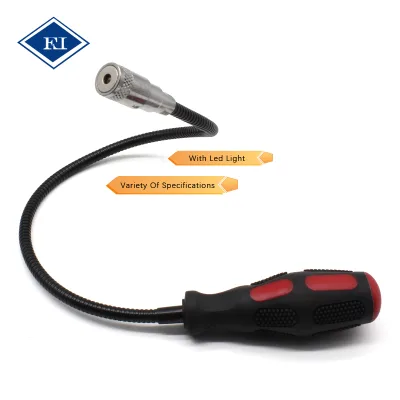
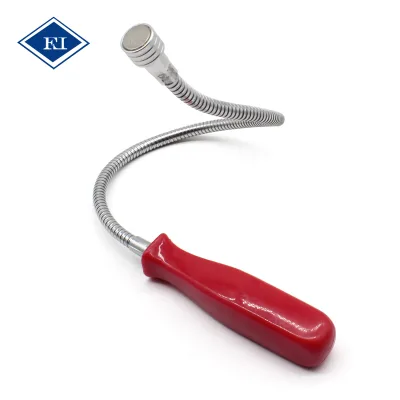
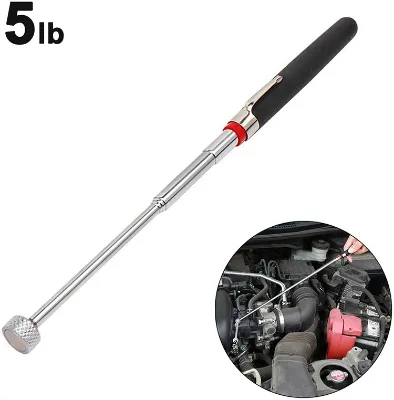
Flexible 5LB Magnetic Pick up Tools Magnet Spring Pick up Tool With Led Light
$0.50 - $1.50
MOQ: 504 sets

Hangzhou Shengyuan Machinery Co., Ltd.
- Verified by SGS
- Trading Company
- China Zhejiang
- Lead time15 days
- Avg. response≤ 9h
Main productsNeodymium Magnets, SmCo Magnets, AlNiCo Magnets, Ferrite Magnets, Pot Magnets, Magnetic Hooks, Neodymium Fishing Magnets, Magnetic Rods, Magnetic Grates, Magnetic Trays
Main marketsDomestic,Europe,North America


20lbs Capacity 30" Long Reach Magnetic Pick-up Tool with Quick Release Trigger
$8.00 - $20.00
MOQ: 300 Pieces


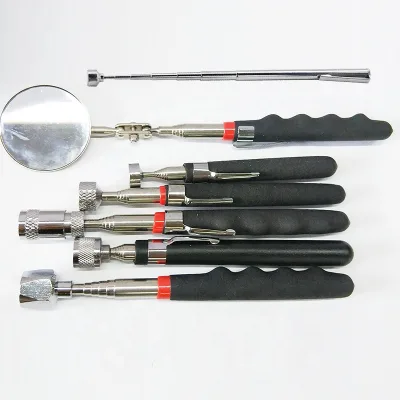
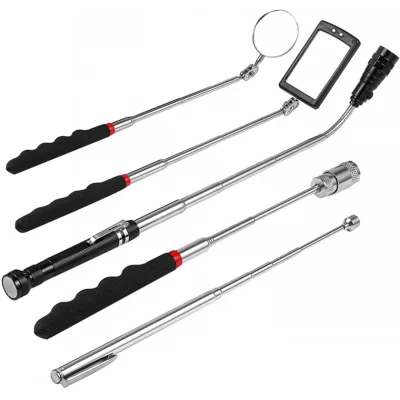
Magnetic Tray & Inspection Mirror & Telescoping Magnetic Pick-up Tool Set
$2.00 - $20.00
MOQ: 1200 Pieces

D3-1/2"X9" 16lbs Magnetic Metal Parts Pick up Tool with Quick Release Trigger
$5.00 - $20.00
MOQ: 1200 Pieces

- Verified by SGS
- Combined
- China Zhejiang
- Lead time15 days
- Avg. response≤ 9h
Main productsShuttering Magnet, Fishing Magnet, Gun Magnet, Magnetic Sweeper, Magnetic Hook, Rubber Coated Magnet, Magnetic Filter, Pot Magnet, Office Magnet, Magnetic Tools
Main marketsDomestic

China Factory Spot Magnetic Telescopic Retractable Pickup Stick Magnetic Pick up Tool with LED
$0.72 - $1.27
MOQ: 10 pieces

$0.72 - $1.27
MOQ: 10 pieces


China Factory Professional Hand Release Magnet Pickup Tool Lifting Magnetic Lifter for Workshop
$10.00 - $21.00
MOQ: 10 pieces

$0.72 - $1.27
MOQ: 100 pieces

Ningbo Magma Tooling Co., Ltd.
- Trading Company,Manufacturer/Factory,Other
- China Zhejiang
- Lead time45 days
- Avg. response≤ 15h
Main productsAutomotive Tools, Socket Sets, Auto Repair Tools, Ratchet Handle, Garage Equipment, Car Repair Tools, Car Tools Set, Car Maintenance, Injection Moulding, Plastic Injection Mould
Main marketsSouth America,Eastern Europe,North America,Western Europe
Shanxi Guangna Impex Co., Ltd.
- Trading Company
- Shanxi, China
- Lead time7 days
- Avg. response≤ 4h
Main productsGlass cutter,diamond tools,Drill bits,Hole Saws,Wood Jig
Main marketsNorth America(40.00%), South America(20.00%), South Asia(10.00%), Eastern Europe(7.00%), Mid East(6.00%), Northern Europe(5.00%), Central America(5.00%), Western Europe(5.00%), Southeast Asia(2.00%)

Wuxi Gold Guangyuan Metal Products Factory
- Verified by BV
- Trading Company,Manufacturer/Factory
- China Jiangsu
- Lead time23 days
- Avg. response≤ 17h
Main productsAluminum Pipe/Tube, Aluminium Tube/Pipe, Aluminum Tubing/Piping, Aluminium Piping/Tubing, Aluminum Die Casting, Stud Bolt, Stud Nut, LED Torch, LED Flashlight, Pick up Tool
Main marketsSouth America,Eastern Europe,Mid East,North America,Southeast Asia,Eastern Asia,Oceania,Western Europe,Africa
Dailymag Magnetic Technology (ningbo) Limited
- Verified by SGS Group
- Trading Company
- Lead time15 days
- Avg. response≤ 16h
Main productsMagnetic Tools; Neodymium Magnets; Magnetic Assembles, Linear Actuator, Sharps Container
Main marketsNorth America(38%), Western Europe(24%), Mid East(8%)
Hefei Chegongshe Hardware Technology Co., Ltd.
- Verified by Intertek
- Manufacturer, Trading Company
- Lead time7 days
- Avg. response≤ 2h
Main productsJack, Grease Gun, Tool Sets, Dent Repairing Machine, Snow Chain
Main marketsNorth America(20%), South America(20%), Eastern Asia(20%)

Chengdu Rise Win International Trade Co., Ltd.
- Trading Company
- Sichuan, China
- Lead time35 days
- Avg. response≤ 4h
Main productsTools,Machinery,Hardware,Power tool accessories,Machine tools
Main marketsWestern Europe(30.00%), Oceania(20.00%), North America(20.00%), Northern Europe(10.00%), Eastern Europe(10.00%), Eastern Asia(10.00%)

Hebei Sinotools Industrial Co., Ltd.
- Verified by CTI
- Trading Company
- China Hebei
- Lead time30 days
- Avg. response≤ 5h
Main productsScrewdriver, Plier, Wrench, Hammer, Tape Measure, Pruning Shear, Knife, Tool Set
Main marketsEurope

$0.33 - $0.42
MOQ: 1000 pieces

$1.24 - $1.43
MOQ: 2000 Sets
HANGZHOU JUCHUANG TRADING CO., LTD.
- Manufacturer, Trading Company
- Zhejiang, China
- Lead time30 days
- Avg. response≤ 4h
Main productsAutomotive Repair Tools,Mechanic Tools,Fastening Tools,Measuring Tools,Cutting tools
Main marketsNorth America(150.00%), Western Europe(20.00%), Eastern Asia(20.00%), Eastern Europe(10.00%), South America(10.00%), Southern Europe(10.00%), Northern Europe(5.00%), Central America(5.00%), Southeast Asia(5.00%)

- Manufacturer/Factory
- China Beijing
- Lead time0 days
- Avg. response≤ 19h
Main productsOverhead Travelling Crane, Gantry Crane, Winches, Rigging
Main marketsSouth America,Eastern Europe,Mid East,North America,Southeast Asia,Eastern Asia,Oceania,Western Europe,Africa


1t Automatic Permanent Magnetic Lifter, Lifting Tools
MOQ: 50 Pieces
Shenzhen Dali Technology Co., Ltd.
- Manufacturer, Trading Company
- Guangdong, China
- Lead time10 days
- Avg. response≤ 8h
Main productscommercial electronics,toys,game console,drone,led light
Main marketsWestern Europe(20.00%), Southeast Asia(20.00%), North America(20.00%), South Asia(10.00%), Northern Europe(10.00%), Eastern Europe(10.00%), South America(10.00%)
Shenzhen Besita Technology Co., Ltd.
- Manufacturer, Trading Company
- Guangdong, China
- Lead time10 days
- Avg. response≤ 2h
Main productsTool Trolley,power tools,Auto Repair Hand Tools,Insulation Tools,Measuring Tool
Main marketsDomestic Market(25.00%), North America(15.00%), South Asia(10.00%), Southeast Asia(10.00%), Eastern Asia(10.00%), South America(5.00%), Mid East(5.00%), Southern Europe(5.00%), Northern Europe(5.00%), Western Europe(5.00%), Eastern Europe(5.00%)

Suzhou Toryin Trading Co., Ltd.
- Trading Company
- Jiangsu, China
- Lead time30 days
- Avg. response≤ 4h
Main productsHand Tools,Car Tools,Outdoor Tools,Garden Tools,Kitchen Tools
Main marketsSouth America(21.00%), North America(18.00%), Western Europe(8.00%), Eastern Europe(8.00%), Southern Europe(7.00%), Domestic Market(7.00%), Central America(5.00%), Southeast Asia(5.00%), Northern Europe(5.00%), Africa(5.00%), South Asia(3.00%), Eastern Asia(3.00%), Mid East(3.00%), Oceania(2.00%)

Hangzhou Great Star Industrial Co., Ltd.
- Manufacturer, Trading Company
- Zhejiang, China
- Lead time7 days
- Avg. response≤ 5h
Main productsHand Tools,Power Tools,Mechanic Tools,Laser Tools,Tool Storage
Main marketsNorth America(60.00%), Western Europe(20.00%), Eastern Asia(10.00%), Mid East(10.00%), Oceania(10.00%), Domestic Market(10.00%), South Asia(10.00%), Africa(10.00%), Southeast Asia(10.00%), Central America(10.00%), Southern Europe(5.00%), Eastern Europe(5.00%), Northern Europe(5.00%), South America(5.00%)
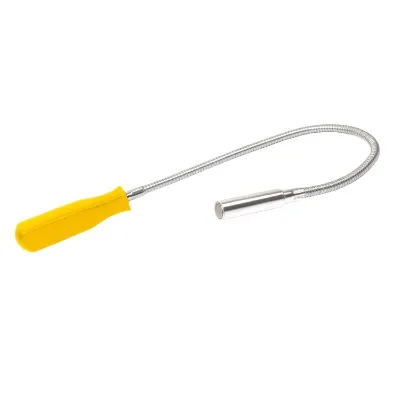
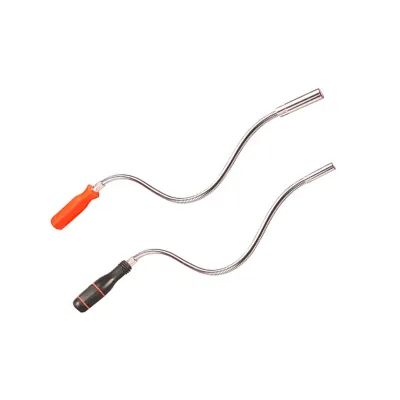
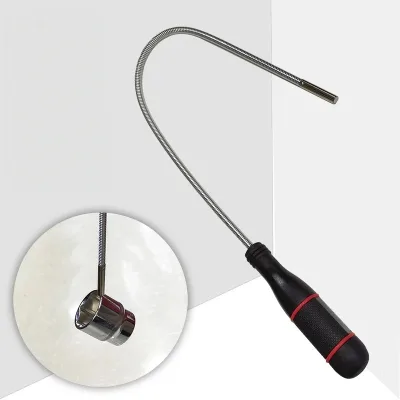
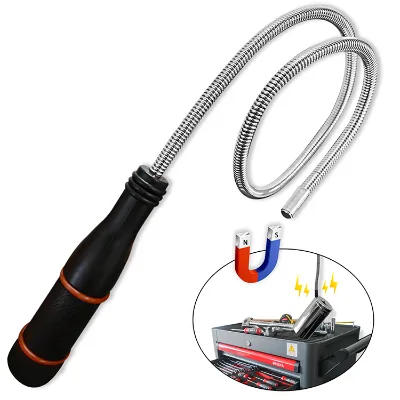
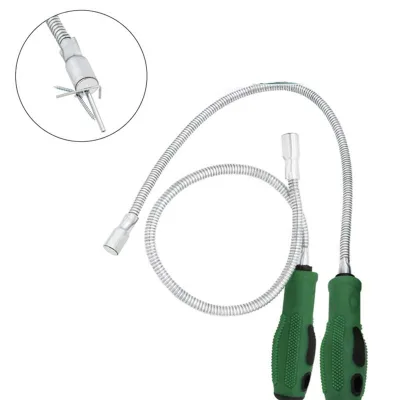
Customize 23'' Flexible Magnetic Pickup Tool for Pick up Metal Items Hand Tool Flexible and Bendable
$2.25 - $2.35
MOQ: 120 pieces
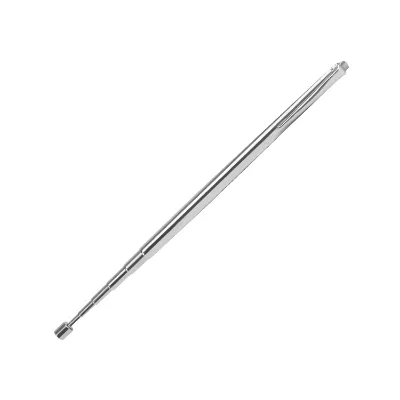
$0.68 - $0.72
MOQ: 100 pieces

Shanghai Setbest Products Co., Ltd.
- Verified by SGS
- Combined
- China Shanghai
- Lead time23 days
- Avg. response≤ 1h
Main productsCleaning Mop, Squeegee, Dustpan, Hardware Products, Plastic Products, Dust Mop, Duster, Brush, PVA Mop, Floor Sign
Main marketsSouth America,Africa,Southeast Asia/ Mideast,East Asia(Japan/ South Korea),Domestic,Europe,Australia,North America


$2.10 - $2.20
MOQ: 1000 Pieces
Hangzhou Changze Trading Co., Ltd.
- Trading Company
- Zhejiang, China
- Lead time25 days
- Avg. response≤ 2h
Main productspaper strainer,wood mixing sticks,paint brush,paint roller,tire cover
Main marketsNorth America(28.00%), South America(20.00%), Northern Europe(8.00%), Eastern Europe(8.00%), Western Europe(6.00%), Southern Europe(6.00%), Eastern Asia(5.00%), Mid East(5.00%), South Asia(3.00%), Oceania(3.00%), Domestic Market(2.00%), Central America(2.00%), Africa(2.00%), Southeast Asia(2.00%)




Comprehensive Sourcing Guide
Magnetic Pick-Up Tool with Release Function Supplier Concentration and Factory Types
The current supplier landscape for magnetic pick up tools with release function reveals a mix of manufacturers and trading companies operating within the industry. Evidence indicates that production capabilities are concentrated in specific regions, with Zhejiang, China appearing as a verified place of origin for multiple product listings. This concentration suggests a regional cluster where specialized facilities handle the assembly of neodymium and ferrite magnets with plastic or aluminum components. Buyers should look for suppliers explicitly stating their location as Zhejiang to access this established manufacturing base, which often correlates with mature supply chains for metal processing services like bending, welding, and punching.
Factory types vary significantly among the available options, ranging from pure manufacturers to trading companies that aggregate products. The data shows that some entities possess direct manufacturing capabilities, evidenced by their ability to offer customized processing services and specific model numbers like 121016 or R1007. Others may function as trading entities, though the distinction is less critical than verifying the actual production capacity. When evaluating potential partners, buyers must confirm whether the supplier is a manufacturer capable of handling sample processing and graphic processing on demand. This distinction impacts the ability to customize product features, such as the release mechanism or handle grip, which are essential for specialized industrial applications.
How to Verify Magnetic Pick-Up Tool with Release Function Suppliers
Verification of supplier credibility relies heavily on third-party audit results and system certifications rather than self-reported claims. The available data highlights that some suppliers have undergone verification by TüVRheinland, a recognized international inspection body. This verification status serves as a concrete indicator of operational stability and compliance with international standards. Buyers should prioritize suppliers displaying this specific verification mark, as it confirms that the facility has been physically inspected and meets baseline quality requirements. Without this specific verification, the reliability of the supplier's claims regarding production capacity and quality control remains unproven.
System certifications provide another layer of verification for manufacturing standards. The observed results include ISO 9001:2006/42/EC and ISO 9001:2008, which indicate adherence to quality management systems. Some listings also reference ISO 9001:2015, suggesting an updated compliance framework. Additionally, product-specific certifications such as CE and RoHS are present in the data, confirming that the magnetic tools meet safety and environmental regulations for export markets. Buyers must cross-reference these certifications with the specific product being ordered, as a supplier may hold general company certifications while individual product lines carry distinct approvals. Confirming that the specific model number matches the certified standard is a critical step in the verification process.
What to Compare Across Magnetic Pick-Up Tool with Release Function Suppliers
Comparing suppliers requires a detailed analysis of lead times, minimum order quantities, and response speeds to ensure alignment with project timelines. The data indicates a lead time of 15 days for some standard orders, while others specify ranges such as 15-21 days or 8-14 days depending on the specific product configuration. Response times are also a key metric, with some suppliers demonstrating a response time of 6 hours, which is crucial for resolving technical queries regarding release mechanisms or custom specifications. Buyers should create a comparison matrix that lists these timeframes side-by-side to identify which suppliers can meet urgent delivery requirements without compromising on quality.
Minimum order quantities (MOQ) and pricing structures vary significantly across the supplier pool, influencing the total cost of ownership. Current evidence shows MOQs ranging from 500 units to 1000 units, with prices fluctuating between $1.40 and $4.00 per unit depending on capacity and material composition. Some listings offer capacities of 16LBS, while others provide 35LBS or 30LBS options, directly affecting the unit price. Buyers must evaluate whether the lower MOQ of 500 units justifies a potentially higher per-unit cost compared to the 1000-unit threshold. Additionally, the availability of sample processing and customized on-demand services should be weighed against the standard pricing to determine the best value proposition for specific industrial needs.
Common Magnetic Pick-Up Tool with Release Function Sourcing Risks
One significant risk in sourcing magnetic pick up tools involves the inconsistency of material composition and magnetic strength across different suppliers. The product data lists various composite materials, including aluminum, magnet, ferrite magnet, and neodymium magnet, which directly impact the tool's lifting capacity and durability. A supplier claiming a 35LBS capacity might use different magnet grades than one offering a 16LBS tool, leading to potential performance failures if the specifications are not rigorously defined. Buyers must verify the exact material grade and composite structure for every order to ensure the tool can handle the intended load without failure during operation.
Another critical risk is the variation in warranty terms and after-sales support, which can affect long-term operational reliability. While some product listings explicitly state a 2-year warranty, others do not mention warranty coverage at all. This discrepancy creates uncertainty regarding the supplier's confidence in their product quality and their commitment to resolving defects. Furthermore, the release function mechanism, which is a core feature of these tools, may fail if not manufactured to precise tolerances. Buyers should explicitly request warranty documentation and test reports for the release mechanism before finalizing any order to mitigate the risk of receiving non-compliant or defective equipment.
Magnetic Pick-Up Tool with Release Function Regional Sourcing and Logistics
Regional sourcing from Zhejiang, China offers logistical advantages due to the established infrastructure for exporting industrial tools. The verified place of origin for multiple products confirms that this region has the necessary processing services, including bending, welding, and molding, to support the production of complex magnetic tools. Sourcing from this cluster allows buyers to benefit from streamlined logistics and potentially lower shipping costs due to the high volume of similar exports. However, buyers must confirm the specific port of loading and shipping terms, as these details can vary even within the same regional cluster and impact the final delivery timeline.
Logistics planning must account for the varying dimensions and weights of the magnetic pick up tools, which affect packaging and freight costs. Product attributes indicate single package sizes ranging from 20x15x15 cm for smaller units to 60x10x10 cm for larger, long-reach models. The single gross weight also varies, with some items weighing 1.000 kg and others up to 2.000 kg. These physical dimensions and weights influence the number of units that can be shipped per container, directly impacting the cost per unit. Buyers should calculate the total landed cost by factoring in these packaging dimensions and weights to ensure that the shipping method selected is cost-effective for the specific order volume and destination.
Magnetic Pick-Up Tool with Release Function Commercial Terms and Order Planning
Commercial terms for magnetic pick up tools with release function often include specific requirements for customization and branding. The data shows that private logo availability is offered by some suppliers, allowing buyers to brand the tools for their specific corporate identity. Customized support options such as OEM, ODM, and OBM are also listed, providing flexibility for buyers who need unique specifications or packaging. However, these customization services may require higher minimum order quantities or longer lead times, so buyers must negotiate these terms clearly before placing an order to avoid unexpected delays or costs.
Order planning should be guided by the specific delivery timeframes and capacity requirements of the chosen supplier. With lead times ranging from 8 to 30 days depending on the product model, buyers must align their production schedules with the supplier's capacity. For instance, a 22-30 day delivery time for a telescoping mini tool requires earlier planning than an 8-14 day delivery for a standard handheld tool. Additionally, the selling units are often listed as single items, meaning buyers must calculate the total quantity needed based on their operational requirements. Careful planning ensures that the order is placed with sufficient lead time to accommodate any potential delays in sample processing or production runs.
FAQs
What is the price range for magnetic pick up tools?
Prices typically range from $1.40 to $4.00 per unit depending on capacity and features. Higher capacity models with quick release functions may cost slightly more. Bulk orders often secure better pricing tiers. Buyers should verify specific quotes based on quantity and customization needs.
What certifications do these tools have?
Most tools carry CE, RoHS, and ISO 9001 certifications. Some models also meet USA standards for industrial use. These certifications ensure compliance with safety and quality management systems. Buyers should check specific product listings for the exact certification details relevant to their region.
What is the typical lead time for orders?
Lead times generally range from 8 to 30 days depending on the product type and order volume. Standard items may ship within two weeks, while customized orders can take up to a month. Buyers should confirm exact delivery schedules with suppliers before placing orders.
What is the minimum order quantity (MOQ)?
MOQs typically start at 500 or 1000 units for most magnetic pick up tools. Some suppliers may offer lower quantities for sample processing or graphic processing requests. Buyers should verify specific MOQ requirements with suppliers to ensure alignment with their procurement volume.
Where are these tools manufactured?
These tools are primarily manufactured in Zhejiang, China. Suppliers in this region offer various processing services including bending, welding, and molding. Buyers should verify specific factory locations and capabilities to ensure quality and logistical efficiency for their supply chain.
Can I get samples before bulk ordering?
Samples are generally available for quality verification before bulk production. Suppliers often support sample processing and customized requests to meet specific needs. Buyers should inquire about sample costs and shipping times to ensure they align with their procurement timeline and budget.
What materials are used in these tools?
Tools typically use neodymium magnets, ferrite magnets, aluminum, or brass tubes. Composite materials ensure durability and strong magnetic pull. Buyers should check specific product attributes for material grades and capacities to select the right tool for their industrial or DIY applications.