Source Paintless Repair Car Dent Puller for Auto Body, Motorcycle, and Panel Work
Find 30 Paintless Repair Car Dent Puller options from Chinese manufacturers. Compare manual PDR tools made of metal and plastic, featuring OEM customization and various lifting capacities for professional auto body and motorcycle repair applications; compare the available evidence and request quotations based on your requirements.
Updated
Key considerations
Products List
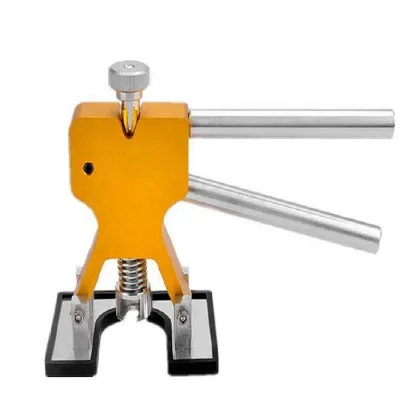

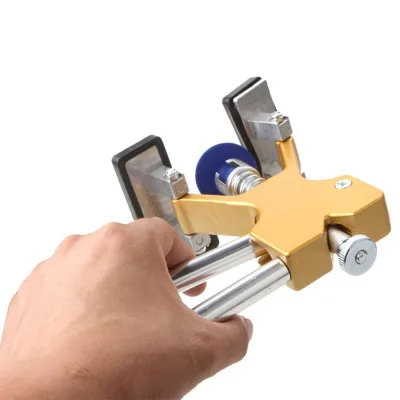
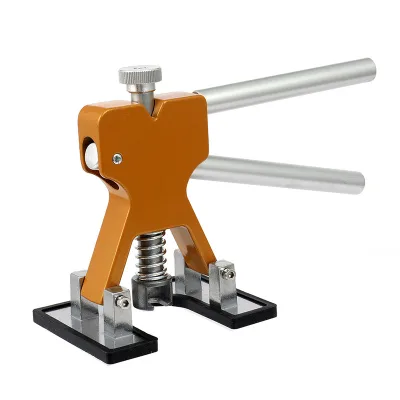
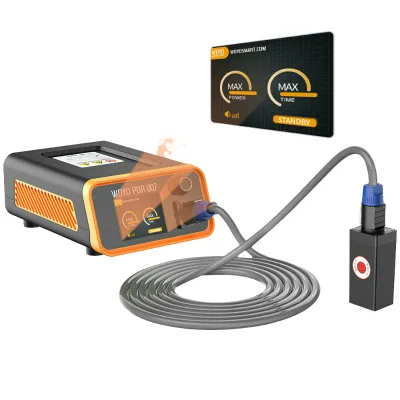
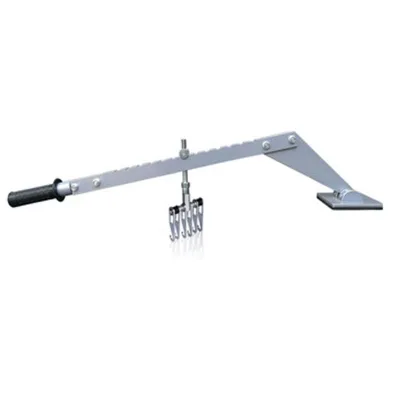
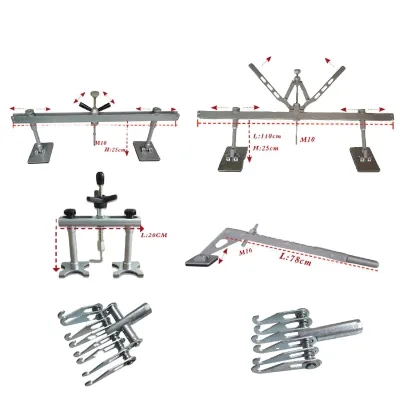
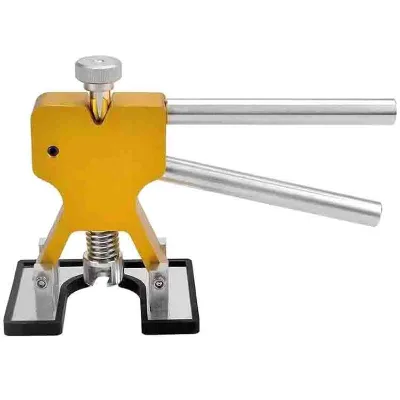
Hot Sell Dent Repair Puller Paintless Dent Repair Tool Panel Spot Puller
$28.7217 - $68.6529
MOQ: 1 Minimum
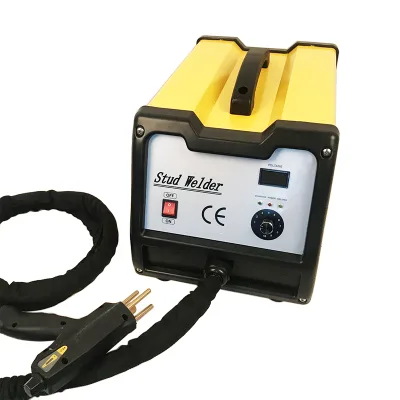
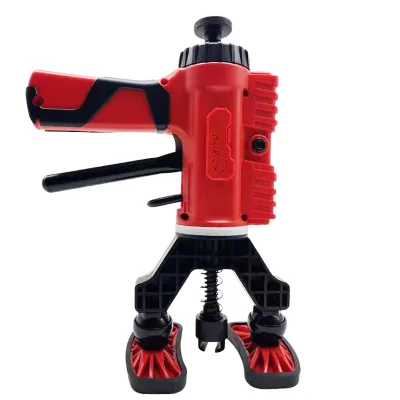
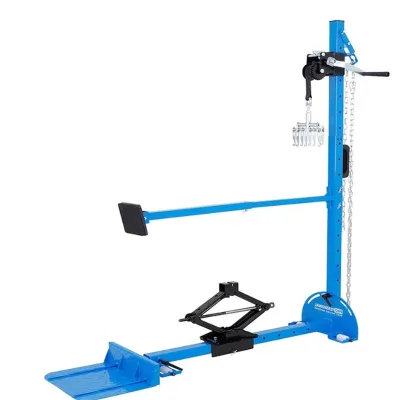
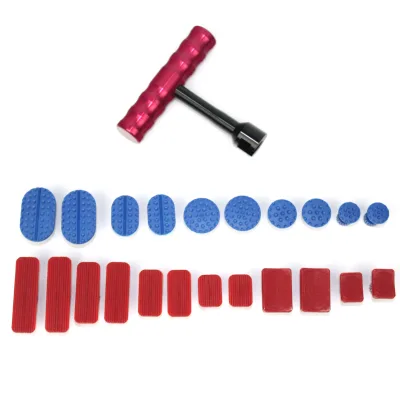
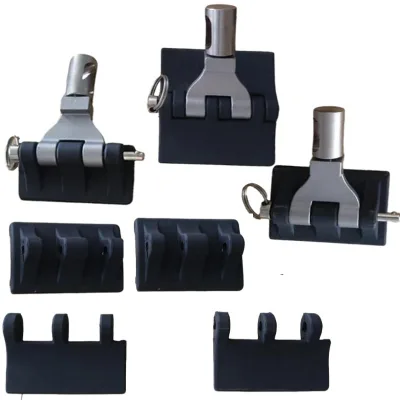
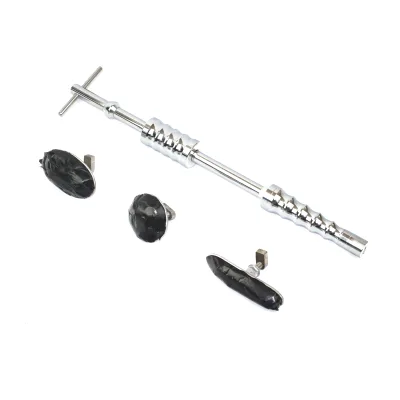
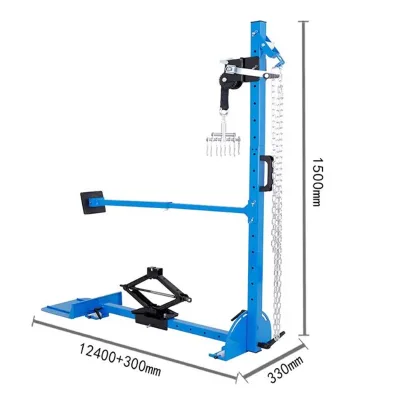
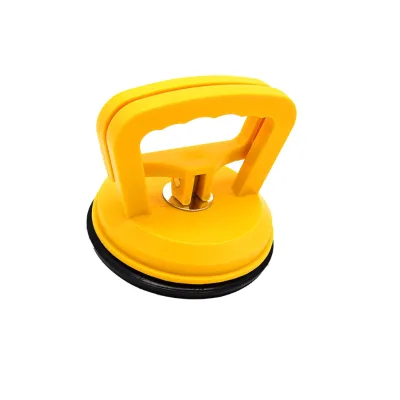
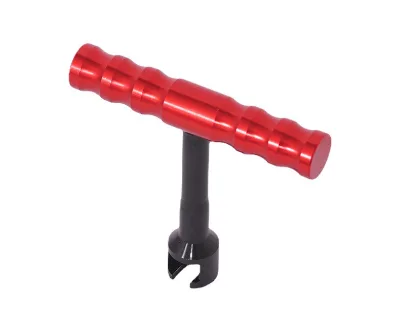

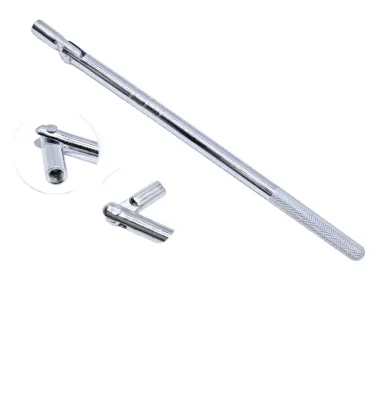
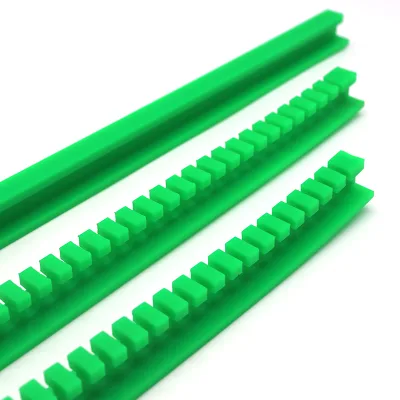
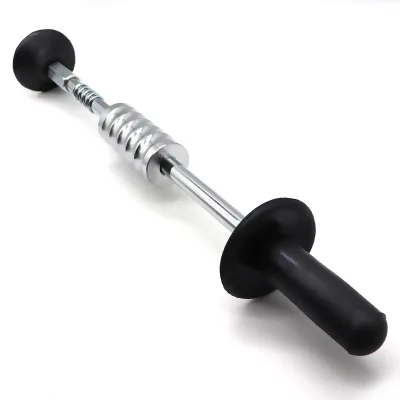
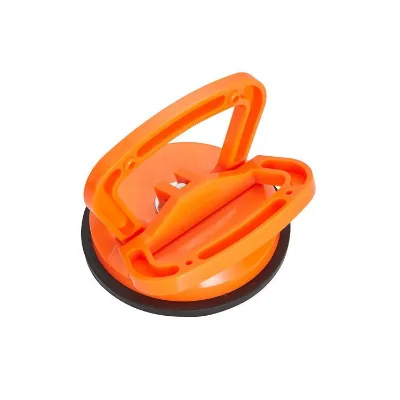
Car Dent Puller Kit Handle Lifter Powerful Car Dent Remover Suction Cup Dent Puller
$2.0959 - $2.2216
MOQ: 1000 sets
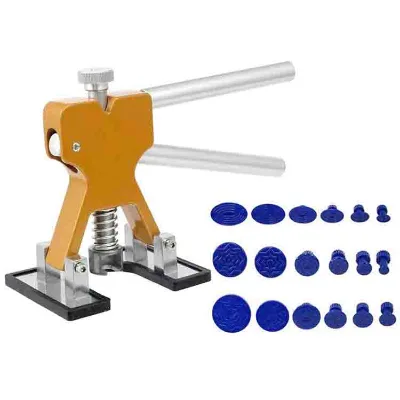
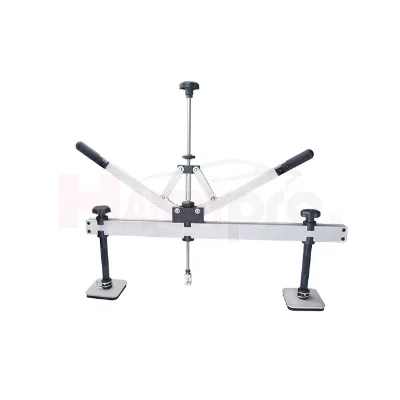
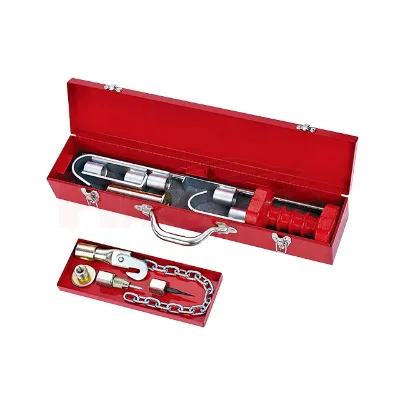
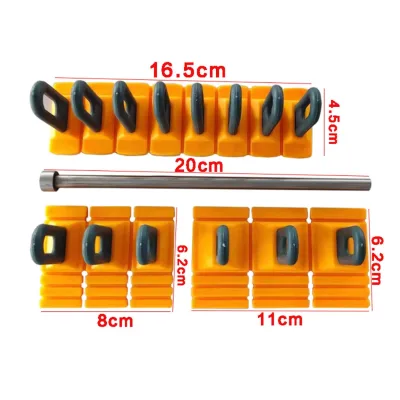
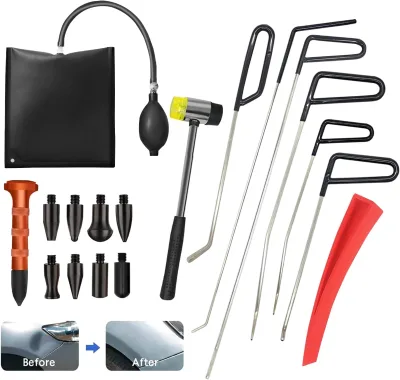
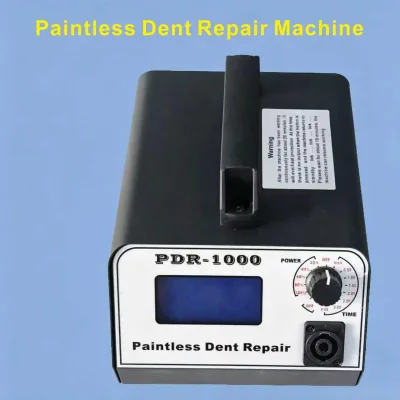
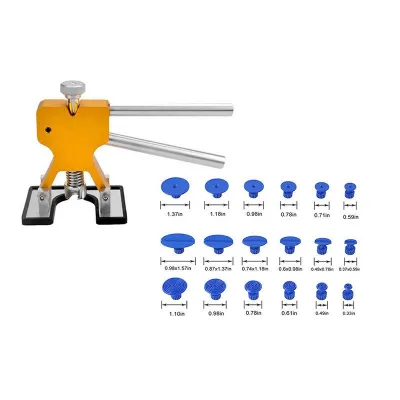
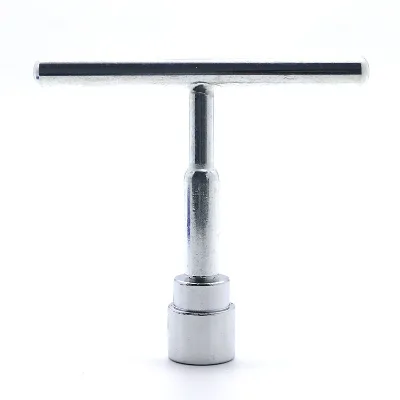
Comprehensive Sourcing Guide
Paintless Repair Car Dent Puller Sourcing Guide
Procuring paintless dent repair (PDR) tools requires a clear understanding of the mechanical and material distinctions between manual pullers and specialized extraction devices. Buyers must evaluate whether their operational needs align with flatbed-type configurations or handheld variants, as these determine the scope of repairable damage. The observed market includes tools constructed from plastic and metal composites, which offer a balance of durability and weight for extended use. Understanding these foundational differences ensures that procurement teams select equipment capable of handling specific automotive bodywork challenges without causing further surface damage.
Commercial listings often present a wide variance in specifications, ranging from basic manual units to more complex systems with varying lifting capacities. It is critical to distinguish between general car repair tools and specialized PDR pullers, as the latter often feature specific designs like glue tabs or bridge pullers. Buyers should verify the power source, noting that many effective PDR tools are manual, relying on physical force rather than electrical components. This distinction impacts not only the initial purchase price but also the long-term maintenance requirements and the skill level needed by technicians to operate the equipment safely and effectively.
Product Scope and Observed Listing Signals
The current market landscape for paintless dent repair tools reveals a diverse array of product types, including flatbed-type systems and handheld pullers. Listings frequently highlight materials such as metal and plastic combinations, with some specific variants utilizing aluminum for repair components to ensure strength without excessive weight. Buyers will encounter products labeled with specific model numbers like VAR0622 or SYJC-dpt1, indicating that manufacturers offer distinct configurations for different dent sizes and locations. These variations suggest that a one-size-fits-all approach is rarely effective, and procurement strategies must account for the specific geometry of the dents being addressed.
Observed listing signals also point to significant variations in packaging and logistical details, which can impact total landed costs. Single package sizes range from compact dimensions like 5x20x18 cm to larger boxes measuring 19x15x6 cm, reflecting the inclusion of different tool sets or accessories. Gross weights vary considerably, with some units weighing around 1.000 kg while others reach 3.500 kg, suggesting differences in component density or the inclusion of additional hardware. These physical attributes are crucial for calculating freight costs and storage requirements, making it essential for buyers to request precise packing lists before finalizing orders to avoid unexpected logistical expenses.
Technical Specifications to Verify
When evaluating technical specifications, buyers must prioritize the lifting capacity and structural integrity of the puller systems. Observed data indicates a maximum lifting capacity of 1 ton for certain flatbed-type models, which is a critical metric for assessing the tool's ability to extract deep or stubborn dents without failure. It is also necessary to verify the power source, as many listed tools are manual or hand-operated, eliminating the need for external power supplies but requiring significant physical effort. Confirming these mechanical capabilities ensures that the selected equipment can handle the expected workload in a professional repair environment without compromising safety or efficiency.
Material composition and customization options are equally important technical factors that influence long-term performance. Listings show that tools are often made from metal and plastic, with some specific repair materials noted as aluminum, which may offer corrosion resistance or specific friction properties. Buyers should also investigate the availability of OEM and ODM customization support, as branded or tailored tools can provide competitive advantages in specialized markets. Additionally, verifying the presence of features like Bluetooth connectivity, which is noted as unsupported in many listings, helps clarify whether the tool integrates with modern digital diagnostic systems or remains a purely mechanical device.
Compliance and Safety Documentation
Safety documentation is paramount when sourcing tools that involve significant mechanical force and potential for injury. Buyers must ensure that suppliers provide clear instructions on safe operation, particularly for manual pullers that require precise application of force to avoid damaging the vehicle's paint or structure. While specific certification standards are not explicitly detailed in the observed listings, it is standard practice to request evidence of compliance with relevant industrial safety regulations in the country of origin, such as China's national standards. Verifying that the product meets standard safety requirements helps mitigate liability risks and ensures that technicians can operate the equipment with confidence.
Warranty and after-sales service provisions are critical components of the compliance and support framework for PDR tools. Most observed listings indicate a one-year warranty and available after-sales service, which provides a baseline level of protection against manufacturing defects. Buyers should clarify the scope of this warranty, including whether it covers wear and tear on consumable parts like glue tabs or hooks. Understanding the terms of service support, including response times and repair procedures, is essential for maintaining operational continuity. A robust after-sales framework ensures that any technical issues can be resolved quickly, minimizing downtime in a busy repair shop.
Cost Drivers and Commercial Terms
Several key factors influence the total cost of ownership for paintless dent repair tools, including material quality, manufacturing complexity, and supply chain logistics. The observed price range of $0.26 to $860 USD reflects a vast disparity in product tiers, from simple manual components to comprehensive tool kits. Buyers must correlate price with specifications such as lifting capacity, material durability, and included accessories to avoid under-specifying their procurement. Understanding these cost drivers allows for more accurate budgeting and prevents the selection of low-cost items that may fail prematurely under professional use, leading to higher replacement costs over time.
Commercial terms, including minimum order quantities (MOQ) and delivery times, significantly impact procurement planning and cash flow. Listings show MOQs ranging from 1 to 1000 pieces, with some specific products requiring a minimum of 300 PCS, which can be a barrier for small businesses or initial trial orders. Delivery times are typically cited as 25-35 days, a lead time that must be factored into inventory management strategies to prevent stockouts. Buyers should negotiate flexible terms where possible, especially for customized or OEM orders, and consider the port of dispatch, such as Shanghai or Ningbo, when calculating freight costs and transit durations to their final destination.
Supplier Qualification and Quality Control
Supplier qualification is a critical step in ensuring the reliability and consistency of paintless dent repair tools. Buyers should verify the supplier's production capabilities, including their supply ability, which is noted as 10,000 pieces per month for some manufacturers. This capacity indicates the supplier's potential to handle large orders without compromising quality or delivery schedules. Additionally, checking the place of origin, such as Jiangsu or Zhejiang in China, can provide insights into the regional manufacturing ecosystem and the availability of skilled labor and raw materials. Establishing a relationship with a supplier who has a proven track record of consistent production is essential for long-term procurement success.
Quality control measures must be rigorously enforced to ensure that every unit meets the specified technical standards. Buyers should request detailed product inspections, including checks for material integrity, functional performance, and packaging accuracy. The observed single gross weights and package dimensions should be verified against actual shipments to ensure consistency. Furthermore, confirming the condition of the products as "New" and verifying the model numbers against the supplier's catalog helps prevent the receipt of counterfeit or substandard items. Implementing a robust quality assurance process, potentially involving third-party inspections, is a prudent investment to protect the buyer's reputation and customer satisfaction.
Long-Term Procurement Checks
Long-term procurement success depends on continuous monitoring of supplier performance and product evolution. Buyers should regularly review after-sales service responsiveness and warranty claim resolution times to ensure that support remains reliable over the life of the contract. Tracking the stability of supply ability and delivery times helps identify potential bottlenecks or capacity issues before they impact operations. Additionally, staying informed about new product developments, such as updated models or improved materials, allows buyers to upgrade their toolkits strategically, maintaining a competitive edge in the automotive repair industry.
Market dynamics and technological advancements in PDR tools require ongoing evaluation to ensure procurement strategies remain relevant. Buyers should assess the compatibility of new tools with existing workflows and technician skill sets. Monitoring changes in customization options, such as the availability of OEM branding or specialized features, can reveal opportunities for differentiation. By maintaining a proactive approach to supplier management and product evaluation, buyers can mitigate risks, optimize costs, and ensure that their paintless dent repair operations remain efficient and effective in a rapidly evolving market.
FAQs
What materials are used in these dent repair tools?
The tools are constructed from a combination of metal and plastic components. This durable mix ensures the PDR puller can withstand the physical stress of car body repair. Some specific variants also utilize aluminium for the repair material itself, providing a lightweight yet strong solution for removing dents effectively.
Can I customize the Paintless Repair Car Dent Puller?
Yes, customization is available for these tools. Suppliers offer OEM and ODM support to tailor the product to specific needs. You can request custom branding or design modifications. This flexibility allows businesses to align the tool with their specific market requirements or internal standards for car dent removal equipment.
What is the typical lead time for delivery?
The standard delivery time ranges from 25 to 35 days. This timeframe applies to the manufacturing and dispatch process. Buyers should account for this duration when planning inventory. The port of dispatch is typically Shanghai or Ningbo, which may influence the total transit time to your specific destination location.
What is the minimum order quantity for these tools?
The minimum order quantity varies by supplier but is often set at 300 pieces. Some listings indicate a range from 1 to 1000 units. This flexibility allows buyers to start with smaller test orders. Always verify the specific MOQ with the supplier before finalizing your purchase agreement for the dent repair equipment.
Does the tool support Bluetooth connectivity?
No, the tool does not support Bluetooth connectivity. It is a manual power source device designed for physical dent pulling. This ensures reliability without electronic dependencies. The focus remains on mechanical efficiency for car body repair, making it a straightforward tool for professional technicians who prefer manual operation.
What warranty is provided for the dent puller?
A one-year warranty is typically provided for these tools. This covers defects in materials and workmanship under normal use. After-sales service is also available to assist with any issues. Buyers should retain their purchase documentation to validate the warranty claim if any problems arise during the first year of operation.