Source Industrial Non-Contact Infrared Pyrometer for Steel, Glass, and Plastic
Compare 30 industrial non-contact infrared pyrometer options from verified suppliers. Evaluate temperature ranges, accuracy, and output signals to find the right sensor for your manufacturing needs.
Key considerations
Products List


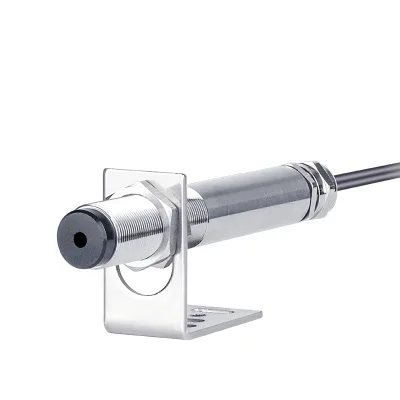
OEM Industrial IR Pyrometer Analog FST600-408 Non Contact Temperature Sensor
$76.00 - $86.00
MOQ: 5 pieces


Non Contact Two Color Infrared Pyrometer with Strong Anti Interference Ability
$2790.00 - $2900.00
MOQ: 1 Pieces
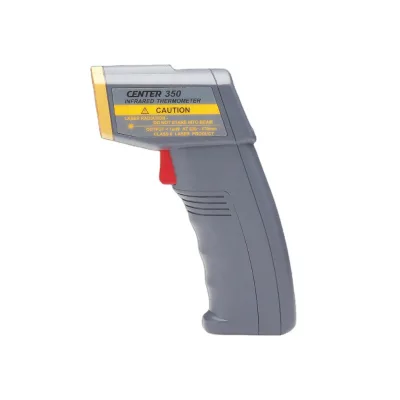
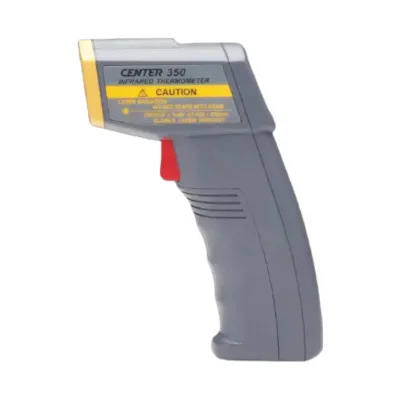

4-20mA Output Infrared Pyrometer for Measuring Molten Copper Temperature
$3500.00 - $8000.00
MOQ: 1 Sets

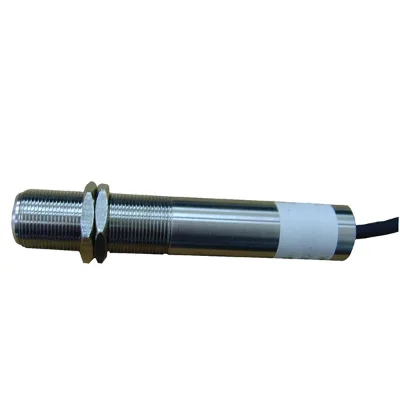

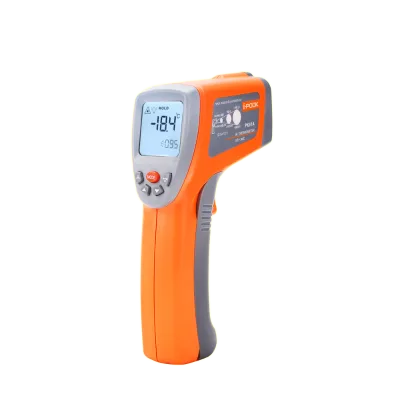
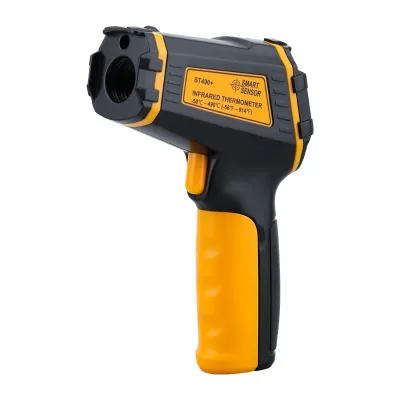
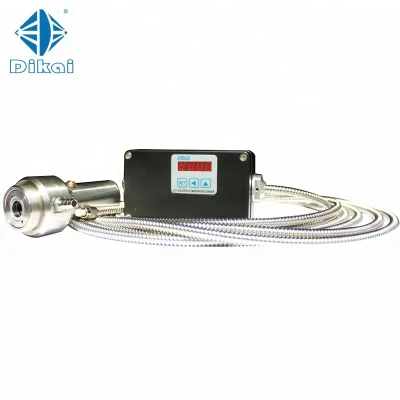
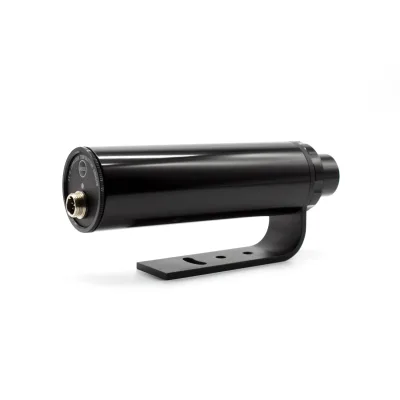
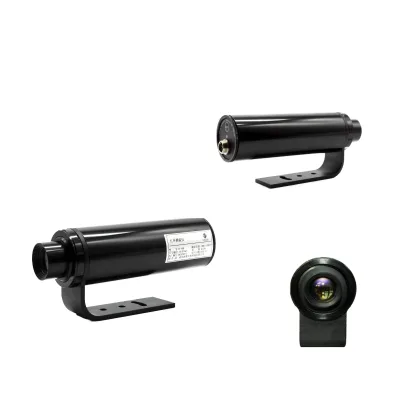
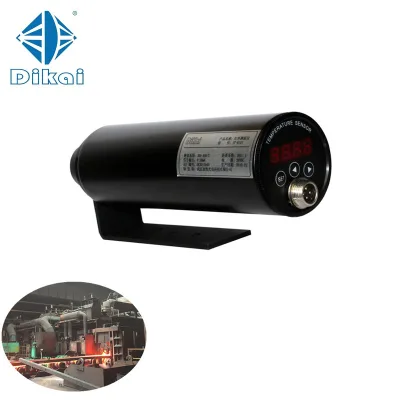
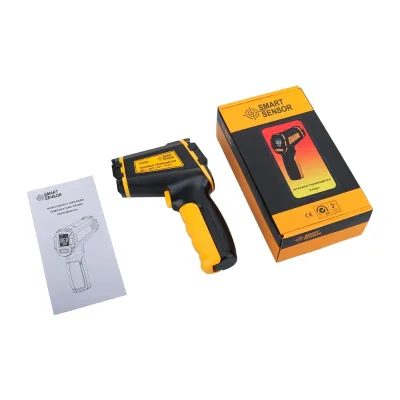
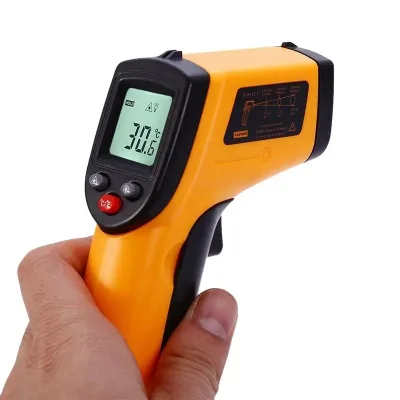
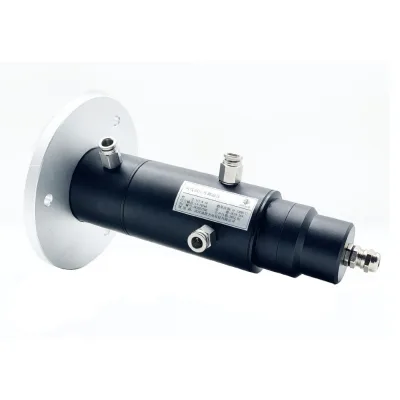
Comprehensive Sourcing Guide
Strategic Sourcing Guide for Industrial Non-Contact Infrared Pyrometers
Understanding Core Technical Specifications and Performance Metrics
When sourcing industrial non-contact infrared pyrometers, buyers must first establish a clear understanding of the device's fundamental operating parameters. These instruments function by detecting thermal radiation emitted by an object to determine its surface temperature without physical contact. The primary technical differentiator in this category is the optical resolution, often expressed as a distance-to-spot ratio. For high-precision applications, a ratio of 20:1 is a common baseline, allowing the sensor to measure a target area accurately from a specific distance. However, advanced models in the industrial sector may offer significantly higher ratios, such as 120:1, which are critical when measuring small targets from a safe distance. The minimum target size that can be accurately measured is a direct function of this optical resolution; for instance, a specific high-performance unit may require a minimum target diameter of 3mm to ensure the sensor does not pick up background radiation.
The temperature range is another critical specification that dictates the suitability of a pyrometer for a specific industrial process. The market offers a wide spectrum of operational ranges, from low-temperature monitoring starting at 0°C up to extreme industrial environments reaching 1200°C. Buyers should verify that the selected unit covers the entire expected process window, including potential overshoots. Common configurations include ranges such as 0-100°C, 0-300°C, and 0-500°C, with higher-end models extending to 0-800°C or 0-1200°C. It is essential to note that while some units may list a broad range, the accuracy within that range can vary. A typical accuracy specification for these devices is ±1% of the reading, though some models specify a dual criteria of ±2% of the measured value or ±2.5°C, whichever is greater. This dual criteria ensures precision is maintained even at lower temperature readings where percentage-based error might otherwise be negligible.
Emissivity is a physical property that must be accounted for during the selection process. Most industrial pyrometers are calibrated with a default emissivity setting of 0.95, which is suitable for many organic materials and oxidized metals. However, for shiny or reflective surfaces, the emissivity may need to be adjusted manually or via software to ensure accurate readings. The spectral response, or wavelength, of the sensor also plays a vital role. A wavelength range of 2-2.5μm is often utilized for high-temperature measurements, as it minimizes interference from atmospheric absorption and provides better stability in harsh environments. Additionally, the response time, which indicates how quickly the device can update its reading, is a key performance indicator for dynamic processes. A response time of ≤50ms is standard for high-speed applications, ensuring that temperature fluctuations are captured in real-time without lag.
Compliance, Certification, and Environmental Durability
In the industrial sector, compliance with international standards and environmental durability are non-negotiable prerequisites for procurement. The primary certification observed in the supply chain for these devices is the CE mark, indicating conformity with health, safety, and environmental protection standards for products sold within the European Economic Area. While the presence of CE certification is a strong indicator of regulatory adherence, buyers should verify that the specific batch or model carries valid documentation, as certification status can vary by production run. Beyond certification, the physical construction of the pyrometer must withstand the rigors of the intended environment. The Ingress Protection (IP) rating is a critical metric for dust and water resistance. An IP65 rating is a common standard for industrial-grade sensors, signifying that the device is dust-tight and protected against water jets from any direction. This rating ensures reliability in environments where cooling sprays, dust, or washdown procedures are part of the daily operational routine.
The operating ambient temperature range defines the environmental limits within which the pyrometer can function correctly. While the sensor may be designed to measure high target temperatures, the device itself has a maximum operating ambient limit. A typical specification for these units is an ambient operating range of 0-60°C. Exceeding this limit can lead to drift in accuracy or permanent damage to the internal electronics. Furthermore, storage conditions must be considered for logistics and warehousing. Devices should be stored within a temperature range of -40°C to +85°C to prevent material degradation or electronic failure during transit or idle periods. The physical housing material is another factor influencing durability. Stainless steel is frequently used for the housing of industrial pyrometers due to its resistance to corrosion and mechanical impact, making it suitable for harsh industrial settings.
Packaging standards also play a role in ensuring the device arrives in optimal condition. Standard packaging often includes a protective box or carton, with specific dimensions such as 20x20x12 cm or 20x9x4.5 cm depending on the model. The gross weight of a single unit is typically around 0.550 kg, which is relevant for shipping cost calculations and handling requirements. Buyers should verify that the packaging includes necessary documentation, such as user manuals and calibration certificates, to facilitate immediate deployment upon arrival. The warranty period is another aspect of compliance and risk management. A standard one-year warranty is commonly offered, providing a baseline for support and replacement in case of manufacturing defects. However, the specific terms of the warranty, including what constitutes a defect versus normal wear and tear, should be clearly defined in the procurement contract.
Cost Drivers and Pricing Structure Analysis
The pricing structure for industrial non-contact infrared pyrometers is influenced by a complex interplay of technical specifications, customization requirements, and order volume. The observed market price range is extensive, spanning from approximately $1 to $8,000 USD. This wide variance reflects the difference between basic entry-level models and high-end units with advanced features such as digital communication protocols, extended temperature ranges, and superior optical resolution. The minimum order quantity (MOQ) is another significant cost driver, with observed ranges from 1 to 1000 units. For buyers requiring a single unit for testing or small-scale deployment, the unit cost may be higher due to the lack of volume discounts. Conversely, large-scale procurement can significantly reduce the per-unit cost, provided the supplier has the capacity to meet the demand.
Customization is a primary factor that can elevate the cost of a pyrometer. Many suppliers offer OEM (Original Equipment Manufacturer) and ODM (Original Design Manufacturer) services, allowing buyers to tailor the device to specific needs. Customization options may include specific temperature ranges, unique housing materials, custom branding, or specialized output signals. The production process for customized units often involves integration steps that differ from standard mass production, potentially leading to longer lead times and higher costs. The model number, such as RS-WD-HW-*-T or FST600-408, often indicates the specific configuration and feature set, which directly correlates with the price point. Buyers should be aware that requesting a specific model number with a broad temperature range or high optical resolution will typically command a premium over a standard configuration.
Supply chain logistics and origin also impact the final cost. Products originating from regions like Shandong or Hunan in China are common in the global market. The location of the supplier can influence shipping costs, import duties, and lead times. While the base price of the device might be competitive, the total cost of ownership includes freight, insurance, and potential tariffs. Additionally, the power supply requirements, such as 10-30V DC or 5-30V DC for RS485 communication, must be compatible with the buyer's existing infrastructure. Mismatches in power requirements may necessitate additional power supply units or converters, adding to the overall project cost. The output capabilities, including analog outputs like 4-20mA or digital outputs like RS485, also affect pricing. Units with multiple output options or the ability to customize these outputs often come at a higher price point due to the added complexity in design and manufacturing.
Typical Industrial Applications and Use Cases
Industrial non-contact infrared pyrometers are deployed across a diverse array of sectors where precise temperature monitoring is critical for quality control, safety, and process efficiency. The primary usage category is industrial manufacturing, where these devices are integral to processes involving heat treatment, melting, and cooling. In metal processing, pyrometers are used to monitor the temperature of steel, aluminum, and other alloys during forging, casting, and rolling. The ability to measure temperatures up to 1200°C makes them indispensable in foundries and smelters where contact sensors would be damaged by the extreme heat or molten material. The high optical resolution and fast response time allow for accurate measurement of moving targets, such as steel strips on a production line, ensuring consistent product quality.
Another significant application area is in the chemical and petrochemical industries, where monitoring the temperature of reactors, pipes, and storage tanks is essential for safety and process optimization. The IP65 rating and stainless steel construction of these pyrometers make them suitable for environments where corrosive chemicals or high humidity are present. The non-contact nature of the measurement eliminates the risk of contamination and allows for monitoring of hazardous materials without exposing personnel to danger. In the food and beverage industry, pyrometers are used to monitor cooking, baking, and sterilization processes. The ability to measure temperatures in the 0-300°C range with high accuracy ensures that food products are cooked to the correct specifications, maintaining safety standards and product consistency.
The electronics and semiconductor manufacturing sectors also rely heavily on infrared pyrometers for process control. During the fabrication of semiconductors, precise temperature control is required for processes like annealing and sintering. The high resolution and repeatability of 0.2% offered by advanced models ensure that these delicate processes are executed with minimal variance. Additionally, in the plastics and polymer industry, pyrometers are used to monitor the temperature of extruders and injection molding machines. The ability to measure the temperature of the molten plastic without contact prevents contamination and allows for real-time adjustments to the process parameters. The digital display and communication capabilities, such as RS485, enable the integration of these sensors into automated control systems, facilitating data logging and remote monitoring.
Supplier Evaluation and Quality Assurance Protocols
Selecting a reliable supplier for industrial non-contact infrared pyrometers requires a rigorous evaluation process that goes beyond price comparison. Buyers should prioritize suppliers who demonstrate a commitment to quality assurance and technical support. The brand name, such as Firstrate, can be an indicator of market presence and reputation, but it is essential to verify the supplier's track record in delivering products that meet the specified technical requirements. A key aspect of supplier evaluation is the ability to provide customization support, including OEM and ODM services. Suppliers that offer flexible customization options are better positioned to meet the unique needs of different industrial applications.
Quality control is a critical component of the procurement process. Buyers should request evidence of the supplier's quality management systems, such as ISO certifications, and inquire about their testing procedures. The test accuracy of ±2% of the measured value or ±2.5°C, whichever is greater, should be verifiable through third-party testing or calibration certificates. The supplier should also provide detailed information about the production process, including the integration steps used to assemble the devices. This transparency helps buyers assess the reliability and consistency of the products. Additionally, the warranty terms, typically one year, should be clearly defined, and the supplier should have a robust support structure for handling warranty claims and technical issues.
Communication and responsiveness are also important factors in supplier evaluation. A reliable supplier should be able to provide timely responses to inquiries, offer technical assistance during the selection process, and provide clear documentation regarding the product specifications and usage. The supply chain stability is another consideration; buyers should assess the supplier's ability to meet lead times and handle fluctuations in demand. The observed MOQ range of 1 to 1000 units suggests that suppliers should be capable of accommodating both small and large orders. Buyers should also verify the supplier's location and logistics capabilities to ensure that the products can be delivered efficiently and cost-effectively. Finally, the supplier's commitment to continuous improvement and innovation should be evaluated, as this indicates their ability to adapt to changing market demands and technological advancements.
Long-Term Procurement Considerations and Lifecycle Management
Sourcing industrial non-contact infrared pyrometers is not merely a one-time transaction but a long-term commitment that requires careful planning for lifecycle management. The durability and reliability of the device are paramount, as frequent replacements can disrupt production and increase operational costs. The IP65 rating and stainless steel construction contribute to the longevity of the pyrometer, but regular maintenance and calibration are necessary to ensure continued accuracy. Buyers should establish a maintenance schedule that includes periodic calibration checks to verify that the device continues to meet the specified accuracy standards. The availability of spare parts and technical support from the supplier is crucial for minimizing downtime in the event of a failure.
The evolution of technology in the infrared pyrometer market means that buyers should consider the future-proofing of their procurement strategy. As industrial processes become more automated and data-driven, the ability of the pyrometer to integrate with advanced control systems becomes increasingly important. Features such as RS485 communication and digital outputs facilitate this integration, allowing for real-time data analysis and process optimization. Buyers should evaluate whether the selected model supports future upgrades or expansions, such as the addition of new communication protocols or software features. The customization options, including the ability to adjust emissivity and temperature ranges, provide flexibility for adapting to changing process requirements.
Environmental sustainability is another long-term consideration. The power supply requirements, such as 10-30V DC, should be evaluated for energy efficiency, especially in large-scale deployments where multiple units are used. The packaging materials, typically boxes or wooden crates, should be recyclable or reusable to minimize environmental impact. Additionally, the disposal of end-of-life devices should be managed in accordance with local regulations and environmental standards. By considering these long-term factors, buyers can ensure that their procurement strategy supports operational efficiency, cost-effectiveness, and sustainability goals over the lifecycle of the equipment. The warranty period, typically one year, provides a baseline for support, but buyers should also explore extended warranty options or service contracts to further mitigate risks and ensure continuous operation.
FAQs
What is the temperature accuracy of the industrial pyrometer?
The device offers an accuracy of ±1% for general ranges, while specific models provide ±2% of the measured value or ±2.5°C, whichever is greater. This dual criteria ensures precision is maintained even at lower temperature readings where percentage-based error might otherwise be negligible.
Can the pyrometer measure targets without physical contact?
Yes, the instrument functions as a contactless sensor that detects thermal radiation to determine surface temperature. It features an optical resolution of 20:1 or 120:1 depending on the model, allowing accurate measurement of targets as small as 3mm from a distance.
Which temperature ranges are available for this sensor?
Available ranges include 0-100°C, 0-300°C, 0-400°C, 0-500°C, 0-600°C, 0-800°C, and 0-1200°C. Buyers can select a specific range or request a customized configuration to match their specific industrial process requirements.
What certifications does the product hold for international use?
The product carries CE certification, indicating conformity with health, safety, and environmental protection standards for products sold within the European Economic Area. This ensures regulatory adherence for industrial deployment in compliant regions.
How is the device protected against dust and water?
The housing features an IP65 rating, making it dust-tight and protected against water jets from any direction. This durability ensures reliability in environments where cooling sprays, dust, or washdown procedures are part of the daily operational routine.
What output signals does the pyrometer support for integration?
The unit supports analog outputs such as 4-20mA and digital outputs like RS485. These signals can be customized to match the buyer's existing infrastructure, ensuring seamless integration into automated control systems.
Can buyers request custom branding or design modifications?
Yes, OEM and ODM customized support is available for buyers requiring specific branding or design modifications. The production process involves integration steps to tailor the device to specific needs, potentially affecting lead times and unit costs.