Source Industrial PTFE Thread Seal Tape for Plumbing
Source Industrial PTFE Thread Seal Tape from 30 verified listings. Compare specifications like 12mm width, 5-50m length, and certifications including ISO and RoHS to find the right seal for your needs; compare the available evidence and request quotations based on your requirements.
Updated
Key considerations
Products List
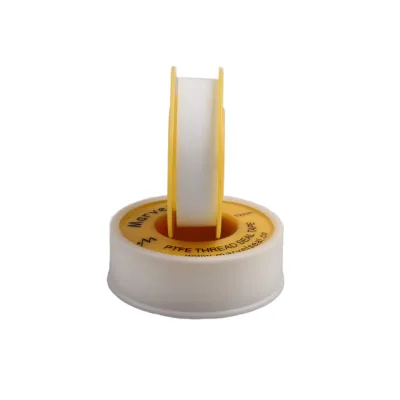
Industrial PTFE Thread Seal Tape Multi-Purpose for Chemical Processing Plants
$0.0519 - $0.0727
MOQ: 50000 pieces
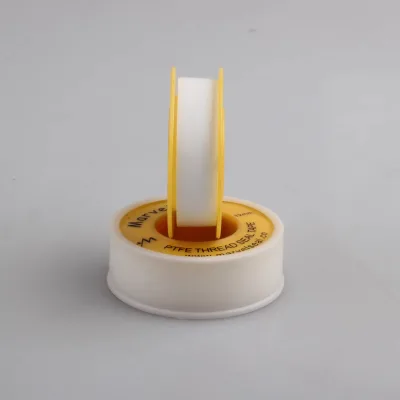
Premium PTFE Thread Seal Tape Tear Resistant for Automotive Repair Shops
$0.0523 - $0.0733
MOQ: 50000 pieces
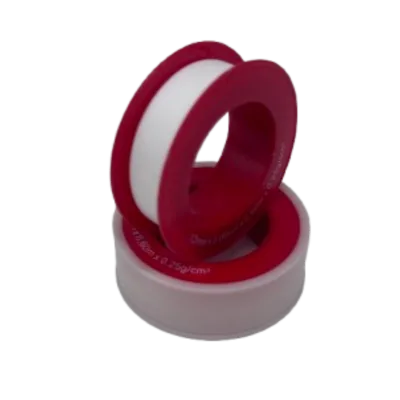
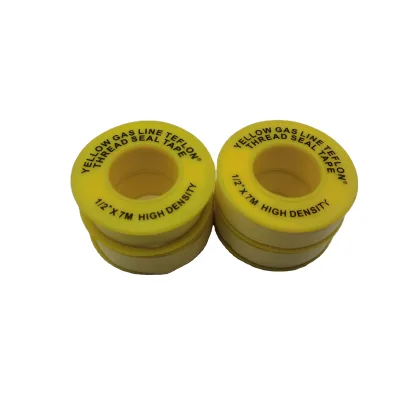
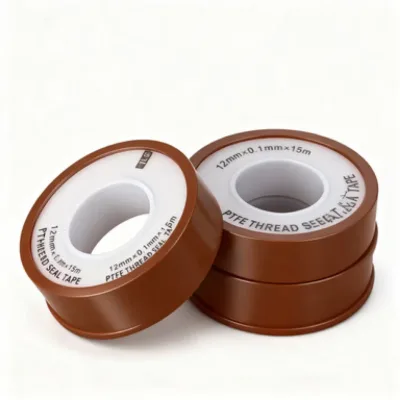
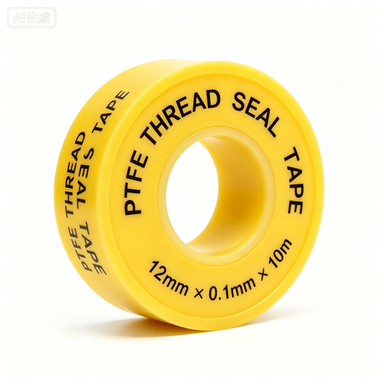
12mm Yellow PTFE Thread Seal Tape Oil Resistant Pipe Tape Key Feature Product
$0.1466 - $0.1571
MOQ: 50000 pieces
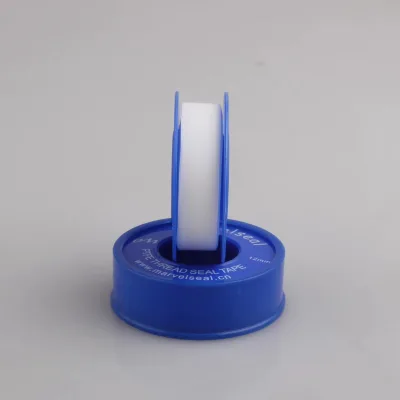




Customized Waterproof Industrial PTFE Tape Teflon Tape PTFE Thread Seal Tape
$0.037 - $0.038
MOQ: 50000 Rolls


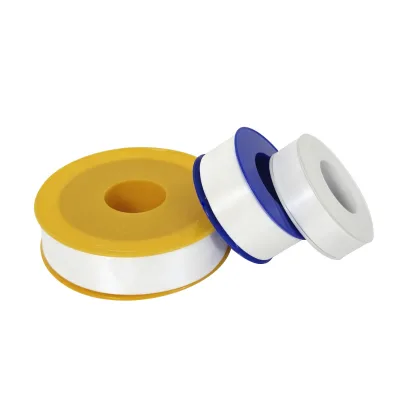
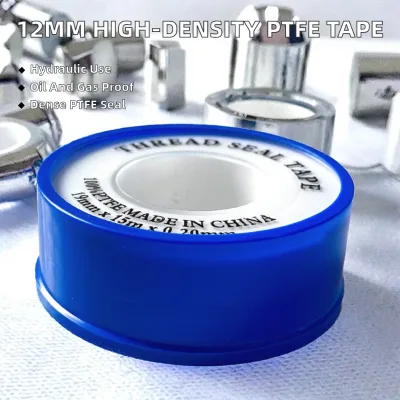
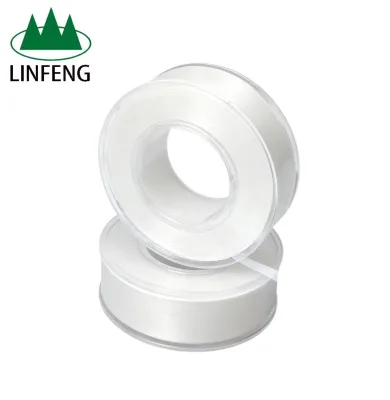
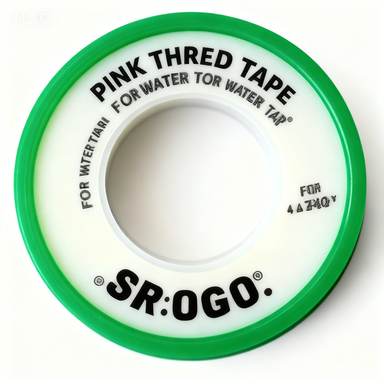


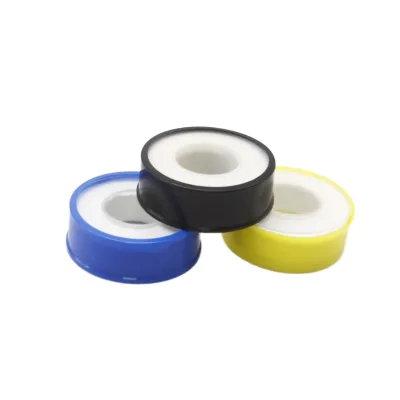
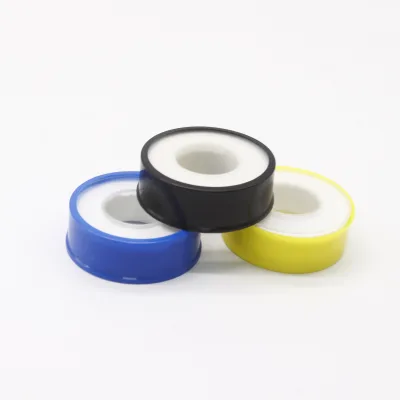
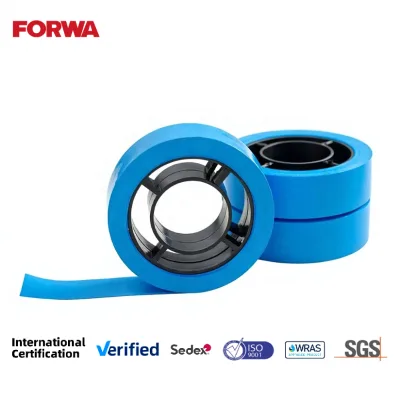
New PTFE Thread Tape Seals with O Ring Style Packing Product Category Seals
$0.02 - $0.05
MOQ: 1000 Minimum
Comprehensive Sourcing Guide
Industrial PTFE Thread Seal Tape Sourcing Guide
Procurement teams must first distinguish between general-grade mechanical seals and specialized thread sealing tapes, as observed listings often conflate these categories. The available data indicates a product range including PTFE-based sealing strips with widths of 12mm and lengths varying from 5 to 50 meters, alongside specific model numbers like MF12-03 and MF-12. Buyers should verify if the specific listing describes a roll-form mechanical seal or a flat strip intended for thread sealing, as the application requirements differ significantly for pipe fittings versus general machinery gaskets.
Commercial signals such as an MOQ of 50,000 units suggest that many suppliers target large-scale industrial distributors rather than small-batch repair shops. While some listings offer samples and accept OEM customization, the high volume requirements necessitate careful inventory planning before committing to a purchase order. Sourcing strategies should account for the fact that many products originate from Zhejiang or Guangdong, China, with delivery times typically ranging between 15 and 20 days, which impacts supply chain resilience for time-sensitive projects.
Product Scope and Observed Listing Signals
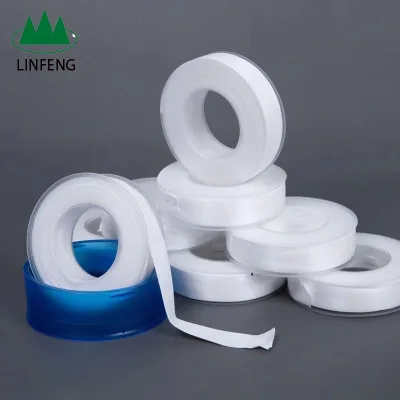
The observed product scope reveals a diverse array of PTFE sealing solutions, including white and yellow variants with specific dimensions like 12mm width and thicknesses ranging from 0.075mm to 0.25mm. Listings frequently mention features such as UV resistance, heat resistance, and waterproof capabilities, which are critical for outdoor or high-temperature industrial environments. However, buyers must scrutinize whether these attributes apply to the specific thread seal tape or to broader sealing strip categories, as the data includes both mechanical seals and general-grade strips under similar branding.
Listing signals also highlight significant variability in packaging and shipping terms, with options ranging from CTN packing to customer-dependent configurations and Incoterms like FOB, CIF, and DDP. The presence of multiple model numbers, such as S646 and SP001230, alongside standardized sizes like 12mm x 10m, indicates a fragmented market where precise specification matching is essential. Procurement teams should prioritize suppliers who clearly define the physical form factor, ensuring the product is a continuous roll suitable for thread application rather than a pre-cut strip designed for other sealing purposes.
Technical Specifications to Verify
Technical verification must begin with dimensional accuracy, specifically confirming the width, length, and thickness against project requirements. The available data specifies widths of 12mm and lengths between 5 and 50 meters, with thicknesses potentially ranging from 0.075mm to 0.25mm. Buyers should request physical samples to validate these measurements, as the density is also noted to vary between 0.2g/cm³ and 1.0g/cm³, which directly influences the tape's compressibility and sealing performance under pressure.
Material composition and performance features require equal scrutiny, particularly regarding the PTFE content and resistance properties. While listings claim UV resistance and high strength, these attributes must be confirmed through independent testing or certified test reports rather than relying solely on product descriptions. The distinction between a "sealing strip" and a "mechanical seal" is also vital, as the latter may imply a different structural integrity and application method that could be unsuitable for standard pipe thread sealing tasks.
Compliance and Safety Documentation
Compliance verification is critical when sourcing industrial sealing materials, as the data indicates certifications such as ISO, REACH, and RoHS are available from certain suppliers. Buyers should explicitly request current certification documents to ensure the PTFE tape meets environmental and safety standards for their specific industry, particularly if the application involves potable water or food processing. The presence of CE and SGS standards in some listings further underscores the need to validate that these certifications apply to the specific product batch and not just the manufacturer's general portfolio.
Safety documentation must also address the chemical stability and thermal limits of the tape, especially given the claim of heat resistance. Procurement teams should verify that the material does not release harmful substances under operating temperatures and that the product adheres to relevant industry safety protocols. It is essential to confirm that the "general grade" classification does not preclude the use of the tape in more demanding applications where higher purity or specific chemical resistance is mandated by local regulations or client specifications.
Cost Drivers and Commercial Terms
Cost drivers for Industrial PTFE Thread Seal Tape are heavily influenced by order volume, with observed MOQs reaching up to 50,000 units, which significantly impacts unit pricing. Buyers must negotiate based on their actual consumption rates, as the high minimum order quantities may lead to excess inventory costs if demand is not steady. Additionally, the availability of customization and OEM services can introduce variable costs, requiring a clear understanding of the pricing structure for custom colors, dimensions, or packaging before finalizing the contract.
Commercial terms such as payment methods and shipping logistics play a pivotal role in the total cost of ownership. The data suggests payment terms like TT are common, while shipping options include Fob, CIF, and DDP, each carrying different risk and cost implications for the buyer. Lead times of 15 to 20 days must be factored into production schedules, and buyers should clarify whether these timelines include sample approval or are strictly for bulk production to avoid unexpected delays in the supply chain.
Supplier Qualification and Quality Control
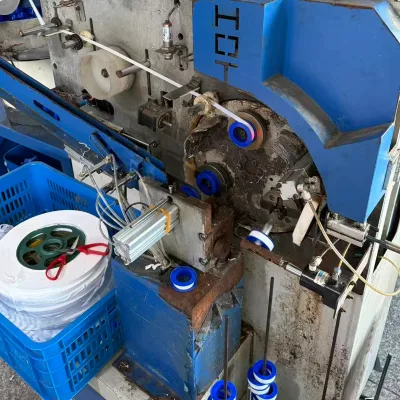
Supplier qualification should focus on verifying the origin and manufacturing capabilities, as the data points to production in Zhejiang, Guangdong, and Hangzhou, China. Buyers must assess the supplier's ability to maintain consistent quality across large batches, given the high MOQs and the potential for variation in product attributes like color and density. It is advisable to conduct on-site audits or request detailed quality control procedures to ensure that the PTFE tape meets the specified thickness and width tolerances consistently.
Quality control protocols must include rigorous testing of the tape's physical and chemical properties, such as tensile strength and thermal stability. Since the listings mention features like "retractable smooth" and "high strength," these claims should be backed by internal or third-party test results. Procurement teams should establish clear acceptance criteria for incoming goods, including visual inspections for defects and dimensional checks, to prevent the deployment of substandard sealing materials that could compromise system integrity.
Long-Term Procurement Checks
Long-term procurement strategies require regular performance reviews to ensure the PTFE tape continues to meet operational standards over time. Buyers should track field performance data, noting any instances of seal failure or material degradation, and correlate these findings with specific production batches or model numbers. This feedback loop is essential for identifying potential quality drifts and holding suppliers accountable for maintaining the high standards initially promised in the product specifications.
Sustainability and supply chain resilience are also key considerations for long-term partnerships. Procurement teams should evaluate the supplier's ability to adapt to changing market conditions, such as fluctuations in raw material costs or shifts in regulatory requirements. Establishing a framework for periodic re-qualification and maintaining open communication channels regarding product updates or changes in manufacturing processes will help mitigate risks and ensure a stable supply of Industrial PTFE Thread Seal Tape for future projects.
FAQs
What are the standard dimensions for this PTFE seal tape?
The standard size is 12mm wide with a length ranging from 5 to 50 meters. The thickness typically falls between 0.075mm and 0.25mm. Customized sizes are also available to meet specific industrial requirements. This flexibility allows for precise application in various sealing scenarios without waste.
Can I order samples before purchasing bulk quantities?
Yes, samples are available for evaluation before committing to large orders. This allows buyers to verify the material quality and fit for their specific mechanical seal applications. Once the sample is approved, you can proceed with bulk production, ensuring the product meets your exact performance standards.
What certifications does this PTFE tape hold?
The product holds ISO, REACH, and RoHS certifications. These credentials ensure compliance with international safety and environmental standards. Such certifications are critical for industrial buyers who need to verify material safety and regulatory adherence for their manufacturing processes and final product integration.
What is the typical delivery time for orders?
The standard delivery time is 15 to 20 days after order confirmation. Production time is approximately 20 days. This timeline ensures quality control while meeting general industrial demand. Buyers should plan their procurement schedules accordingly to avoid production delays in their own supply chains.
Is OEM customization accepted for this seal strip?
Yes, OEM customization is accepted for this PTFE seal strip. Buyers can request specific colors, such as white or yellow, and custom dimensions. This service allows companies to brand the product or tailor it to unique mechanical requirements, enhancing integration into their existing systems.
Where is this PTFE tape manufactured?
The product is manufactured in Zhejiang and Guangdong, China. Specific origins include Hangzhou, Zhejiang. These regions are known for robust manufacturing capabilities. Buyers can rely on established industrial hubs for consistent quality and efficient logistics when sourcing these PTFE sealing materials for global distribution.