Source Industrial Vintage Bamboo Pendant Light for cafes, lofts, and homes
Compare 30 Industrial Vintage Bamboo Pendant Light options from verified suppliers. Buyers can evaluate specifications like voltage, lifespan, and customization services to find suitable fixtures for commercial and residential projects.
Key considerations
Products List


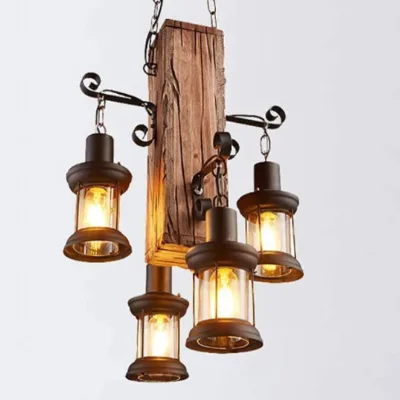


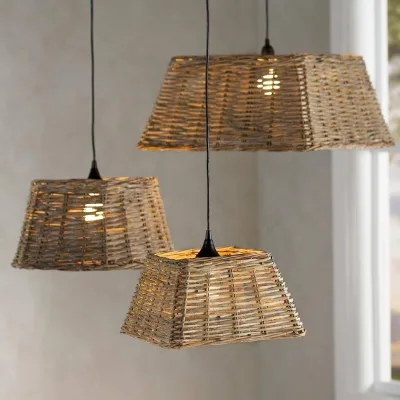


Vintage Pendant Light with Retro Hemp Cord E27 Metal Lamp Holder Industry Style
$2.00 - $5.00
MOQ: 1000 Pieces

Comprehensive Sourcing Guide
Strategic Sourcing Guide for Industrial Vintage Bamboo Pendant Lights
The global demand for sustainable, nature-inspired lighting solutions has elevated the profile of industrial vintage bamboo pendant lights. These fixtures blend rustic organic textures with modern industrial aesthetics, making them a preferred choice for commercial spaces seeking warmth and authenticity. For procurement professionals, sourcing these items requires a nuanced understanding of material properties, electrical compliance, and supply chain logistics. This guide provides a structured approach to evaluating potential suppliers and products, ensuring that the final selection meets both aesthetic and technical requirements without relying on unverified claims.
Understanding Material Composition and Structural Integrity
The defining characteristic of an Industrial Vintage Bamboo Pendant Light is its material composition. While the term "bamboo" is often used broadly, buyers must distinguish between solid bamboo stalks, woven bamboo strips, and bamboo veneers applied to metal frames. The structural integrity of the fixture depends heavily on how the material is treated. In many observed product specifications, the frame color is noted as black or brown, indicating specific finishing processes that may involve staining or powder coating over the natural material.
When evaluating a supplier, request detailed information on the bamboo treatment process. Untreated bamboo is susceptible to moisture, pests, and warping, which can compromise the safety and longevity of the fixture. Look for evidence of preservative treatments that ensure the material remains stable in varying humidity levels, particularly for indoor applications. The "Industrial" aspect of the design often implies a metal framework supporting the bamboo elements. Verify the type of metal used for the frame, as this dictates the fixture's durability and resistance to corrosion. A robust metal frame, often painted black to contrast with the natural bamboo, provides the necessary support for the hanging mechanism and the weight of the light source.
Technical Specifications and Electrical Compatibility
Electrical safety is paramount when sourcing lighting fixtures for any commercial or residential project. The core keyword implies a specific aesthetic, but the underlying electrical components must meet rigorous standards. Based on available product data, voltage ranges for such fixtures often span from 90V to 260V, indicating compatibility with a wide range of global power grids. This wide input voltage range is a critical feature for buyers operating in international markets or sourcing from regions with fluctuating power standards.
Buyers must verify the specific voltage requirements of the unit they intend to purchase. While some models support a broad range, others may be rated for specific voltages like 220V. Confirming the exact input voltage is essential to prevent equipment failure or safety hazards. Furthermore, the control mode is typically a simple switch control, which aligns with standard wiring practices. However, for more complex installations, inquire about the availability of dimmable drivers or smart control integration.
The lifespan of the light source is another critical technical specification. Observed data suggests lifespans ranging from 30,000 to 50,000 hours, which is indicative of high-quality LED integration. This longevity reduces maintenance costs and the frequency of bulb replacements, a significant factor for commercial installations like restaurants, hotels, or retail spaces. Ensure that the product specification explicitly states the light source type, such as LED, and confirms whether the fixture is sold with or without the light source included. Some listings indicate "Without Light Source," requiring the buyer to source compatible bulbs separately, while others are sold as complete units.
Compliance, Certification, and Safety Standards
Navigating the regulatory landscape is a non-negotiable aspect of B2B procurement. Lighting products must adhere to specific safety and environmental standards to be legally sold in various jurisdictions. The presence of certifications such as CE, RoHS, and CCC is a strong indicator of compliance. CE marking signifies conformity with health, safety, and environmental protection standards for products sold within the European Economic Area. RoHS (Restriction of Hazardous Substances) ensures that the product does not contain specific hazardous materials, which is crucial for environmental compliance and recycling.
The CCC (China Compulsory Certification) mark is essential for products manufactured in China and sold within the Chinese market, and it often serves as a baseline for quality assurance for international buyers. When evaluating a supplier, do not accept generic claims of compliance. Request valid, up-to-date certification documents that correspond to the specific model number being purchased. For instance, a model designated as ZY-MS002 may have different certification requirements than a ZY-MY001. Verify that the certifications cover the specific components of the fixture, including the electrical wiring, the driver, and the housing materials.
Additionally, check for compliance with local building codes in the destination market. While CE and RoHS are widely recognized, some regions may require additional testing or certification, such as UL listing for North America or SAA for Australia. A reputable supplier should be able to guide the buyer through these requirements or provide the necessary documentation to facilitate local approval.
Cost Drivers and Pricing Dynamics
The price of an Industrial Vintage Bamboo Pendant Light is influenced by several factors, including material quality, design complexity, and the level of customization. The observed price range for such products can vary significantly, from low-cost options to premium, handcrafted pieces. This variance often reflects differences in the sourcing of raw bamboo, the intricacy of the weaving or assembly process, and the quality of the electrical components.
Customization is a major cost driver. Many suppliers offer OEM and ODM services, allowing buyers to specify dimensions, frame colors, and lighting configurations. For example, standard sizes might be 300360MM or 400250MM, but custom sizes are often available. Customization typically increases the unit cost and may extend the lead time. Buyers should also consider the packaging requirements. High-quality packaging, such as inside poly foam and outside 5-layer cartons, adds to the cost but is essential for preventing damage during transit.
Minimum Order Quantity (MOQ) is another critical factor in pricing. Some suppliers may have an MOQ of 2 pieces, while others require 5 or even 1000 pieces. Higher MOQs often result in a lower unit price, but they require a larger upfront investment. Buyers must balance their inventory needs with their budget constraints. Additionally, trade terms such as EXW, FOB, CIF, and CFR will impact the final landed cost. Understanding these terms is vital for accurate budgeting, as they determine who bears the risk and cost of shipping and insurance.
Typical Applications and Design Integration
Industrial vintage bamboo pendant lights are versatile fixtures suitable for a wide range of applications. Their unique blend of natural and industrial elements makes them ideal for creating a warm, inviting atmosphere in commercial spaces. Common applications include restaurants, cafes, hotels, and retail boutiques. In these settings, the fixtures can be used to highlight specific areas, such as dining tables, bar counters, or display shelves.
The design style, often categorized as "Country - Cottage" or "Modern Hanging Lamp," allows for integration into various interior design themes. The "Country - Cottage" style emphasizes a rustic, cozy feel, while the "Modern" aspect ensures the fixture remains contemporary. Buyers should consider the lighting solutions service offered by the supplier, such as lighting and circuitry design, to ensure the fixtures are integrated seamlessly into the overall electrical plan of the space.
For residential applications, these lights can serve as statement pieces in entryways, dining rooms, or living areas. The "Home Decoration" aspect of the product highlights its ability to enhance the aesthetic appeal of a space. When selecting a fixture, consider the irradiated area. Some models are designed for small areas of 1-3 square meters, while others can illuminate spaces of 30 square meters or more. Matching the fixture's output to the room size is crucial for achieving the desired ambiance and functionality.
Supplier Evaluation and Quality Control
Selecting the right supplier is as important as selecting the right product. Buyers should evaluate suppliers based on their production capacity, quality control processes, and after-sales support. A reliable supplier will have a clear production process, from raw material sourcing to final packaging. The use of standard packaging, such as 5-layer cartons with internal foam protection, indicates a commitment to product safety during shipping.
Quality control should be a priority throughout the procurement process. Buyers should request pre-shipment inspections or third-party quality control reports to verify that the products meet the specified standards. Key areas to inspect include the structural integrity of the bamboo, the finish of the metal frame, and the functionality of the electrical components. Check for consistency in the color temperature, which is often available in 3000K, 4000K, or 6000K options. Consistency is vital for large installations where multiple fixtures are used.
Warranty and after-sales support are also critical indicators of supplier reliability. A standard warranty period of 2 years is common for lighting fixtures, providing peace of mind against manufacturing defects. Inquire about the warranty terms, including what is covered and the process for claiming repairs or replacements. A supplier that offers a "2 Year Guarantee" demonstrates confidence in the quality of their products.
Long-Term Procurement Considerations
Sourcing industrial vintage bamboo pendant lights is not just a one-time transaction; it is a long-term partnership that requires careful planning. Buyers should consider the lead time for production and delivery. Typical delivery times may range from 7 to 15 days after the deposit is received, but this can vary based on order volume and customization requirements. Planning for potential delays is essential to avoid project disruptions.
Sustainability is another long-term consideration. Bamboo is a renewable resource, but the sourcing and processing methods can impact its environmental footprint. Buyers should inquire about the sustainability practices of the supplier, such as responsible forestry management and eco-friendly manufacturing processes. This aligns with the growing demand for sustainable building materials and can enhance the brand image of the buyer's project.
Finally, consider the scalability of the supply chain. As the buyer's needs grow, the supplier should be able to scale production without compromising quality. Establishing a clear communication channel and maintaining a strong relationship with the supplier can facilitate smoother transactions and better support for future orders. By focusing on these long-term factors, buyers can ensure a successful and sustainable procurement strategy for industrial vintage bamboo pendant lights.
FAQs
What certifications do these industrial vintage bamboo pendant lights have?
These fixtures carry RoHS, CE, and CCC certifications to ensure safety and environmental compliance. The CCC mark is essential for the Chinese market, while CE and RoHS support international sales standards.
How long is the warranty period for the lighting fixtures?
The standard warranty period is 2 years for most models in this category. This guarantee covers manufacturing defects and provides assurance against premature failure of the electrical components.
What is the typical delivery time after placing an order?
Normal delivery takes 7 to 15 days after the deposit is received. This lead time applies to standard orders, though customization may extend the production schedule.
Can I customize the size and design of the pendant lights?
Customization is available for dimensions and design features like frame color. Suppliers offer OEM and ODM services to accommodate specific project requirements beyond standard sizes.
What is the minimum order quantity for these products?
The minimum order quantity varies, with some listings requiring 2 pieces and others 5 pieces. Buyers should verify the specific MOQ for the model they intend to purchase.
What voltage range do these industrial vintage bamboo pendant lights support?
The input voltage typically ranges from 90V to 260V for broad global compatibility. Some specific models may be rated for 220V, so verifying the exact specification is necessary.
How is the product packaged to prevent damage during shipping?
Products are packed inside poly foam and outside in 5-layer cartons for maximum protection. This robust packaging ensures the fixtures arrive safely without damage to the bamboo or metal frame.