Source Industrial Welding Acetylene Cylinder for fabrication, repair, and cutting
Compare 30 Industrial Welding Acetylene Cylinder options from verified Chinese manufacturers. Buyers can evaluate specifications like pressure levels, materials, and certifications to find suitable storage vessels for gas applications.
Key considerations
Products List


Acetylene Gas Cylinder of Industrial Grade Acetylene Use with Best Price
$38.00 - $68.00
MOQ: 50 pieces


Hight Purity Acetylene Cylinders for Sale Acetylene Cylinder 40L with Valve
$38.00 - $60.00
MOQ: 50 pieces

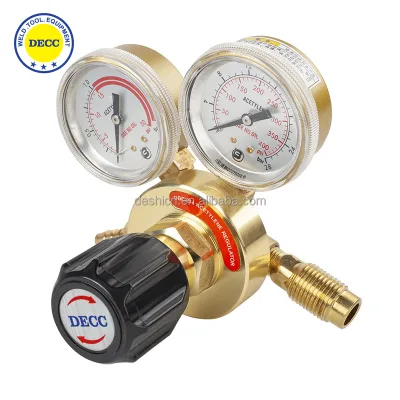


Reliable Steel Acetylene Cylinder for Metal Cutting and Welding Operations
$50.00 - $100.00
MOQ: 100 Pieces
Comprehensive Sourcing Guide
Strategic Sourcing Guide for Industrial Welding Acetylene Cylinders
Understanding Technical Specifications and Cylinder Architecture
When sourcing industrial welding acetylene cylinders, buyers must first distinguish between the physical vessel and the chemical storage mechanism. Acetylene is unique among industrial gases because it is unstable under pressure above 15 psi (approx. 1 bar) in a free state. Consequently, the "cylinder" purchased for welding is not a simple pressure vessel holding compressed gas but a complex assembly designed to safely dissolve acetylene in a solvent, typically acetone, within a porous mass. The supplied product data indicates a specific architecture where the vessel is constructed from steel or stainless steel, with dimensions such as an outside diameter of 219mm and a height of 1315mm. These physical attributes define the footprint and lifting requirements for the equipment.
The data highlights a "40L" water capacity, which is a standard metric for industrial gas cylinders, often referred to as a 40L cylinder. The wall thickness is observed at 5.7mm, a critical parameter for withstanding the internal pressure generated during the filling process. The pressure level is categorized as high pressure, specifically in the range of 10.0MPa to 100.0MPa, though it is vital to note that the actual working pressure for acetylene is strictly regulated to prevent decomposition. The supplied facts mention a working pressure of 150 bar and a test pressure of 250 bar, which aligns with high-pressure gas cylinder standards. The bottom shape is described as concave, a design feature that aids in stability and facilitates the rolling of the cylinder during transport. The neck ring is present, ensuring a secure connection between the cylinder body and the valve assembly.
The material composition is a primary consideration. While some entries list "Steel," others specify "Stainless Steel." For welding applications, the choice often depends on the corrosive environment and the required lifespan of the asset. The cylinder model is identified as "GB40" in some contexts, while others reference "ISO9809," indicating compliance with international manufacturing standards. The color of the cylinder is customizable, which allows buyers to adhere to specific site safety color-coding protocols, although industry conventions often dictate specific colors for acetylene to prevent mix-ups with oxygen or other gases.
Compliance, Certification, and Safety Standards
Navigating the regulatory landscape is perhaps the most critical aspect of sourcing industrial gas cylinders. The supplied product facts explicitly mention certifications such as "ISO" and "ISO/Tped." These designations suggest that the manufacturer adheres to International Organization for Standardization guidelines and potentially specific transport or pressure equipment directives. For acetylene cylinders, compliance is not merely a formality but a safety imperative. The data references "40L acetylene cylinder" as a specific standard, implying that the vessel must meet the rigorous testing protocols associated with this capacity.
Buyers must verify that the cylinders carry the correct UN numbers. The provided information lists "Un 1006," which is the United Nations number for Acetylene, dissolved. This is the definitive identifier for the substance during transport and storage. Furthermore, the classification is listed as "Class 2.2," which denotes non-flammable, non-toxic gases in some contexts, but acetylene is inherently flammable. This discrepancy in the provided data highlights the need for buyers to cross-reference the specific gas group and IMDG (International Maritime Dangerous Goods) classification with local regulations, as acetylene is generally classified as a flammable gas (Class 2.1) in many jurisdictions. The "Gas Group" is listed as "Compressed Gas," and the "Relative Gas Density" is noted as 1.38, which is heavier than air, necessitating proper ventilation in storage areas to prevent gas accumulation in low-lying areas.
The "Condition" of the product is listed as "New," which is the standard requirement for initial procurement. However, for secondary markets, the condition and history of the cylinder become paramount. The "Test Pressure" of 250 bar and "Filling Pressure" of 150-200 bar must be verified against the cylinder's hydrostatic test records. The "Certification" of "ISO/Tped" suggests a high level of quality assurance, but buyers should ensure that the specific certification covers the intended application and region of use. The "Standard" is also listed as "Standard," which is a generic term; buyers must request the specific standard document (e.g., ISO 9809-1, DOT 3AL, or GB standards) to confirm the vessel's design life and pressure rating.
Cost Drivers and Procurement Economics
The pricing for industrial welding cylinders is influenced by a complex matrix of factors, including material costs, manufacturing complexity, and regulatory compliance. The observed price range in the market data spans from $11.58 to $620 USD. This wide variance suggests that the listings may include different components, such as the cylinder alone, the cylinder with a valve, or a complete assembly with a protective cage. The lower end of the range likely represents the bare vessel or a specific component, while the higher end may reflect a fully assembled, certified unit with a specialized valve and cap.
The Minimum Order Quantity (MOQ) ranges from 10 to 350 units. This variability indicates that suppliers have different production capacities and inventory strategies. For smaller operations, an MOQ of 10 might be accessible, whereas large-scale industrial projects may benefit from the economies of scale offered by an MOQ of 350. The "Customization" attribute is available, which can significantly impact cost. Customizing the color, the cap type (Common, Tulip, or Semi-Circle), or the specific valve configuration will likely increase the unit price and extend the lead time.
The "Weight" of the cylinder is listed as 47±1 kgs. This weight is a critical factor in logistics and shipping costs. Shipping heavy steel vessels requires specialized handling equipment and incurs higher freight charges compared to lighter containers. The "Packing" method, described as "Netting, Pallet" or "Cylinder/Tank," also affects the cost. Proper palletization is essential for safe transport and prevents damage to the cylinder valves during transit. Buyers should factor in the cost of return logistics if the procurement model involves a deposit system where empty cylinders are returned to the supplier.
Typical Applications and Operational Use Cases
The primary application for these cylinders is clearly identified as "Print" in the data, but in the context of "industrial welding acetylene," this likely refers to the broader category of industrial printing or perhaps a data entry artifact for "welding" or "cutting." The more definitive application listed is "Gas," specifically for "Storage Pressure Vessel" purposes. Acetylene cylinders are the backbone of oxy-fuel welding and cutting operations. They provide the fuel gas necessary for creating the high-temperature flame required to melt and join metals.
The "Function" is listed as "Storage Pressure Vessel," confirming that the cylinder is designed to hold the gas under pressure. The "Usage" as "Print" might also imply use in industrial coating or curing processes where acetylene is used for flame hardening or surface treatment. The "Combination Cylinder Type" is noted as "Gas-Liquid Pressurized Cylinder" and "Pressurized Cylinder," which accurately describes the state of acetylene dissolved in acetone within the porous mass. This state allows for safe storage at higher pressures than free gas.
The "Parts" listed include the "Valve," which is the critical control point for gas flow. The valve must be compatible with the specific gas and the pressure requirements. The "Cap" is described as "Common Cap or Tulip Cap or Semi-Circle Cap," which serves as a protective cover for the valve when the cylinder is not in use. The "Neck Ring" ensures the cap stays in place. These components are essential for the safe handling and storage of the cylinder in a workshop environment.
Supplier Evaluation and Quality Assurance
Evaluating a supplier for industrial gas cylinders requires a rigorous assessment of their manufacturing capabilities and quality control processes. The "prod_prop.prod_origin" is listed as "China," which is a major hub for steel and gas cylinder manufacturing. Buyers should verify the supplier's ability to meet international standards like ISO 9809. The "Certification" of "ISO" and "ISO/Tped" are positive indicators, but buyers should request copies of the actual certificates and verify their validity with the issuing body.
The "Customization" capability is a key differentiator. A supplier that can offer custom colors, caps, and valve configurations demonstrates flexibility and a deeper understanding of customer needs. However, customization should not compromise the structural integrity of the cylinder. The "Condition" being "New" is a baseline requirement, but buyers should also inquire about the manufacturing date and the shelf life of the cylinder.
Quality control should be a central part of the supplier evaluation. The "Test Pressure" of 250 bar and "Working Pressure" of 150 bar must be consistently met. Buyers should ask for test reports for each batch of cylinders. The "Wall Thickness" of 5.7mm and "Outside Diameter" of 219mm must be within the specified tolerances. Any deviation could indicate a manufacturing defect that could lead to catastrophic failure under pressure. The "Bottom Shape" being concave is a standard feature, but buyers should inspect the welds and the overall finish for any signs of corrosion or damage.
Long-Term Procurement and Lifecycle Management
Procuring industrial welding cylinders is not a one-time transaction but a long-term engagement. The "Water Capacity" of 40L and the "Weight" of 47±1 kgs suggest that these are standard industrial units that will be in constant rotation. Buyers should consider the lifecycle of the cylinder, including the frequency of hydrostatic testing required by regulations. Typically, acetylene cylinders require testing every five years, and the supplier should be able to facilitate this testing or provide cylinders that are ready for the next test cycle.
The "Packing" method of "Netting, Pallet" is crucial for long-term storage and transport. Buyers should ensure that the supplier uses high-quality pallets that can withstand the weight of the cylinders and the rigors of shipping. The "Color" customization can also play a role in long-term management, as it helps in identifying the gas type and preventing accidental mixing.
The "Relative Gas Density" of 1.38 indicates that acetylene is heavier than air, which has implications for storage and ventilation. Buyers should design their storage facilities to account for this, ensuring that air circulation is adequate to prevent gas accumulation. The "Filling Pressure" of 150-200 Bar must be strictly controlled during the filling process to ensure safety.
In conclusion, sourcing industrial welding acetylene cylinders requires a deep understanding of the technical specifications, regulatory compliance, and operational requirements. By carefully evaluating the supplier's capabilities, verifying certifications, and considering the long-term lifecycle of the cylinders, buyers can ensure a safe and efficient supply chain for their welding operations. The data provided offers a solid foundation for making informed decisions, but continuous verification and adherence to local regulations remain essential for success.
FAQs
What is the water capacity of the standard cylinder?
The standard cylinder has a water capacity of 40 liters. This capacity is consistent with the 40L acetylene cylinder specification and supports high-pressure storage requirements for industrial welding applications.
Which certification standards do these cylinders meet?
These cylinders meet ISO and ISO/Tped certification standards. Buyers should verify that the specific certification covers the intended application and region of use to ensure compliance with safety regulations.
Can the cylinder color be customized for safety protocols?
Yes, the cylinder color is customizable to adhere to specific site safety color-coding protocols. While industry conventions often dictate specific colors, customization allows buyers to maintain distinct visual identification for different gas types.
How is the cylinder constructed to handle high pressure?
The cylinder is constructed from steel or stainless steel with a wall thickness of 5.7mm. This robust construction supports a working pressure of 150 bar and a test pressure of 250 bar for safe gas storage.
What is the typical weight of a 40L cylinder?
The typical weight of a 40L cylinder is 47 plus or minus 1 kilogram. This weight is a critical factor in logistics and shipping costs, requiring specialized handling equipment for safe transport.
Which valve types are included with the cylinder?
The cylinder includes a valve as a standard part. The valve serves as the critical control point for gas flow and must be compatible with the specific gas and pressure requirements of the welding application.
What is the minimum order quantity for procurement?
The minimum order quantity ranges from 10 to 350 units depending on the supplier. This variability indicates that suppliers have different production capacities and inventory strategies for small or large-scale industrial projects.