Source Industrial Wooden Pellet Machine for Fuel, Feed, and Biomass
Source the Industrial Wooden Pellet Machine from 30 verified listings. Compare models like JW-D-200 and TYJ860-III, reviewing capacities up to 5 tons per hour, power ratings, and CE/ISO certifications to find the right biomass solution; compare the available evidence and request quotations based on your requirements.
Updated
Key considerations
Products List
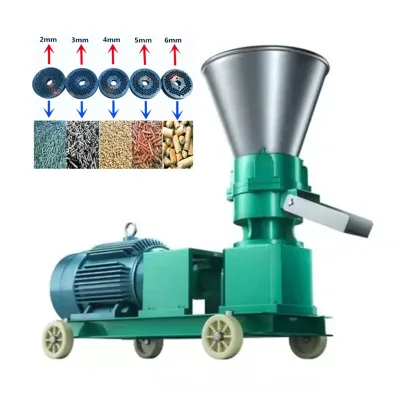


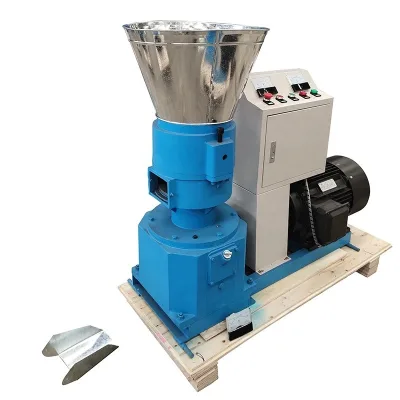

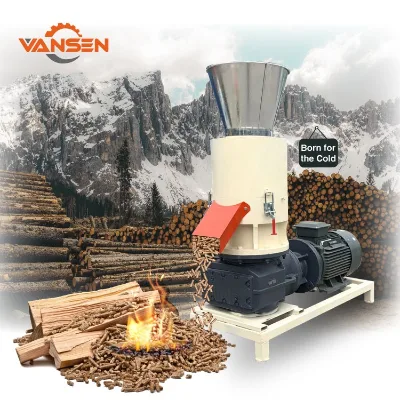
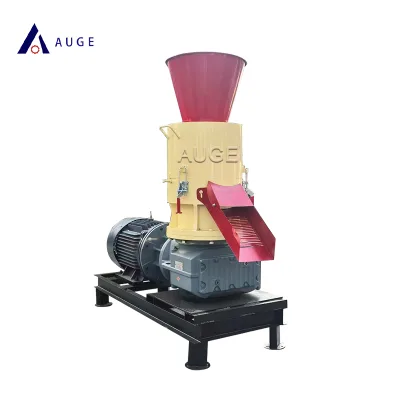
Biomass Wood Pellet Machine Industrial Wood Pellet Mills Wood Pelletizer Machine
$1650.00 - $2350.00
MOQ: 1 Pieces
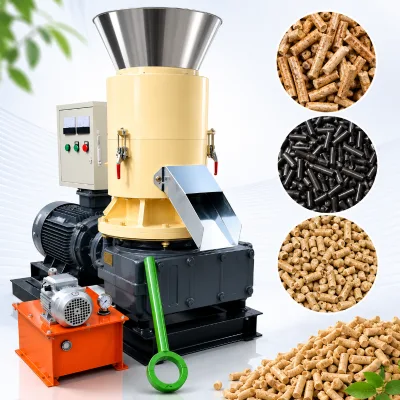
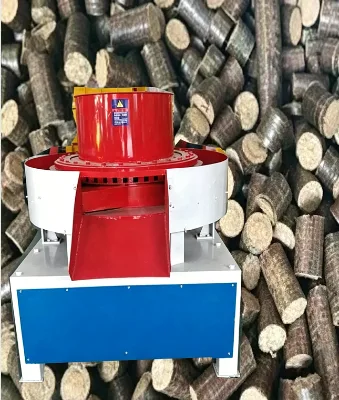


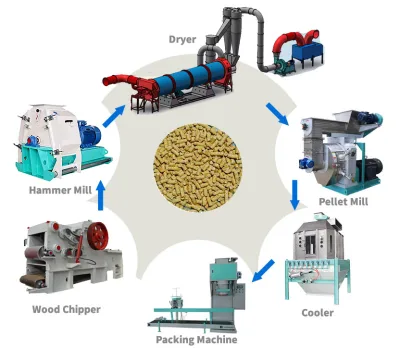
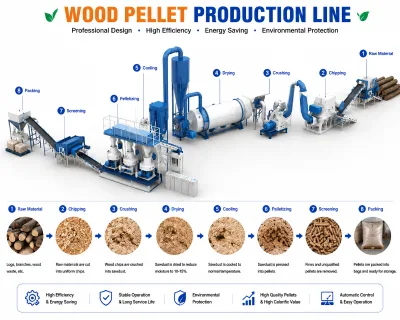
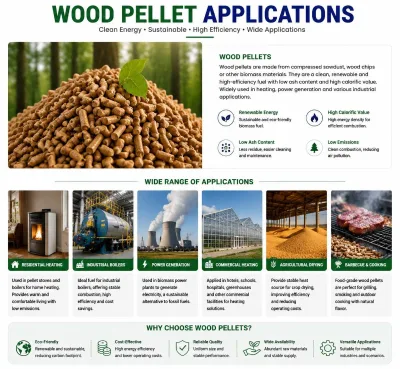
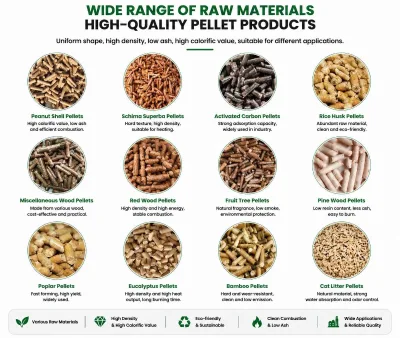




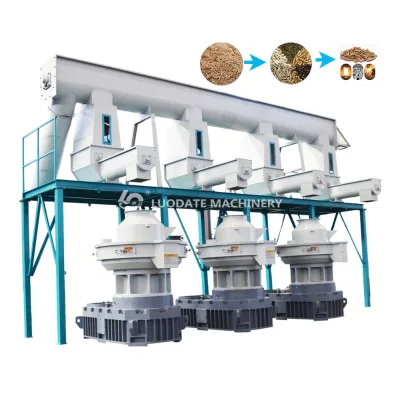
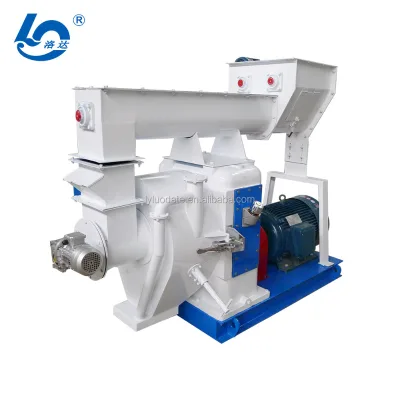
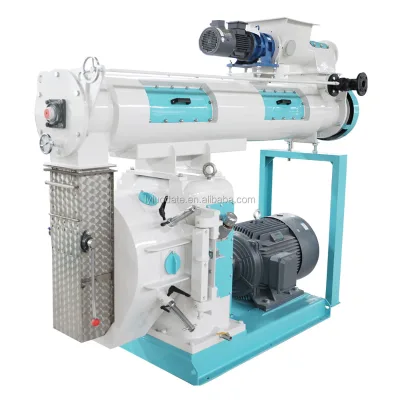
Competitive Wood Branch Pellets Machine Complete Biomass Pellets Machinery Industrial Pelletizer
$11889.5124 - $27707.7332
MOQ: 1 sets
Comprehensive Sourcing Guide
Industrial Wooden Pellet Machine Sourcing Guide
Procuring an Industrial Wooden Pellet Machine requires a careful evaluation of technical capabilities, operational efficiency, and supplier reliability. Buyers must navigate a market where specifications vary significantly between models, such as the JW-D-200 and TYJ series units. Understanding the core mechanical differences, power requirements, and output capacities is essential for aligning machinery with specific production goals. This guide provides evidence-based insights to help procurement teams make informed decisions, ensuring that the selected equipment meets both immediate manufacturing needs and long-term operational standards.
The sourcing process involves verifying critical attributes like transmission type, bearing quality, and raw material compatibility. Observations from current listings indicate a focus on energy-saving features and automatic grading, which are vital for reducing operational costs. Buyers should prioritize machines that offer customization options and robust warranty terms. By focusing on verified data points such as capacity ranges and power consumption, purchasers can avoid common pitfalls associated with underperforming equipment. This structured approach ensures that the investment yields a reliable return through consistent pellet production and minimal downtime.
Product Scope and Observed Listing Signals
Current market listings for industrial wooden pellet machines reveal a diverse range of models, including the JW-D-200 and TYJ860-III variants. These machines are designed to process a variety of biomass materials, such as wood chips, sawdust, timber trunks, and agricultural waste. The observed product scope indicates a strong emphasis on versatility, with many units capable of handling raw materials with an ideal moisture content of 10-15%. This flexibility allows manufacturers to utilize locally sourced waste materials, reducing feedstock costs and enhancing sustainability. Buyers should verify the specific material compatibility of each model to ensure it aligns with their available raw material supply chain.
Listing signals also highlight significant variations in capacity and power consumption across different models. For instance, some units offer a capacity of 3-4 tons per hour, while others range from 2.5 to 3.5 tons per hour. Power ratings vary considerably, with observations noting models rated at 160kw and 220kw. These differences directly impact energy efficiency and production volume. The presence of features like big gear transmission and automatic lubrication systems suggests a focus on durability and reduced maintenance frequency. Procurement teams must carefully compare these technical signals to determine which machine best fits their production scale and energy budget.
Technical Specifications to Verify
When evaluating technical specifications, buyers must closely examine the transmission and bearing systems, as these components are critical for machine longevity. Many observed models utilize big gear transmission and specify high-quality bearings, such as those from the Hrb brand. These choices indicate a design philosophy centered on heavy-duty operation and reduced wear. Additionally, the wearing parts, typically the die and roller group, are often made from high alloy steel to withstand the abrasive nature of biomass processing. Verifying the material composition and replacement availability for these parts is essential for minimizing long-term maintenance costs and ensuring continuous operation.
Capacity and dimensional specifications also require rigorous verification to ensure the machine fits within the intended facility layout. Observed standard dimensions for certain models include measurements like 270017002500mm and 266419502150mm, with weights ranging from 8.5 tons to 13.5 tons. These substantial physical attributes necessitate careful planning for floor loading and space allocation. Furthermore, pellet diameter options, such as 4-12mm or 6-10mm, must align with end-product requirements. Buyers should confirm the controlling mode, with CNC systems being a notable feature in some listings, to ensure ease of operation and precise process control.
Compliance and Safety Documentation
Compliance with international standards is a non-negotiable aspect of sourcing industrial machinery. Many observed models carry CE certification, which is a mandatory requirement for selling products within the European Economic Area. This certification indicates that the machine meets essential health, safety, and environmental protection requirements. Buyers should request valid CE certificates and verify their authenticity with the issuing body. Additionally, ISO certification, particularly ISO 9001 for quality management systems, is frequently mentioned. While not always explicitly detailed in every listing, this standard reflects the manufacturer’s commitment to consistent quality control processes, which is crucial for ensuring machine reliability and performance.
Safety documentation must also include detailed operational manuals and emergency stop procedures. Given the high power ratings and heavy mechanical components, proper safety guards and interlocks are essential. Buyers should verify that the machine includes all necessary safety features as per local regulations in their operating region. The installation process, which may involve manual setup, video chat guidance, or engineer visits, should be clearly defined in the contract. Ensuring that the supplier provides comprehensive safety training and documentation is vital for preventing workplace accidents and ensuring that operators can handle the machinery safely and efficiently.
Cost Drivers and Commercial Terms
The cost of an Industrial Wooden Pellet Machine is influenced by several key factors, including power consumption, capacity, and customization options. Observed price ranges in the market span from approximately $492.5 to $68,000, reflecting the wide variety of models and specifications available. Higher-priced units typically offer greater capacity, advanced automation features, and higher-quality components like specific bearing brands. Buyers must balance initial capital expenditure with long-term operational costs, considering energy efficiency and maintenance requirements. Understanding these cost drivers helps in making a financially sound investment decision that aligns with the project’s budget and ROI expectations.
Commercial terms, such as minimum order quantity (MOQ) and warranty provisions, also play a significant role in the procurement process. Current listings indicate an MOQ of 1 unit, which is typical for industrial machinery, allowing for flexible purchasing. Warranty terms, such as a 1-year coverage, are commonly offered and should be clearly defined in the purchase agreement. Buyers should also consider the cost of spare parts, particularly the ring die and roller group, which are subject to regular wear. Negotiating favorable terms for spare parts supply and after-sales support can significantly reduce total cost of ownership. Clear communication regarding payment terms and delivery schedules is essential to avoid disruptions in the supply chain.
Supplier Qualification and Quality Control
Supplier qualification is a critical step in ensuring the reliability of the Industrial Wooden Pellet Machine. Buyers should verify the supplier’s manufacturing capabilities, including their production facilities in regions like Shandong, China. Assessing the supplier’s experience in exporting and their track record with similar machinery models is essential. Requesting references from existing customers and reviewing their feedback can provide valuable insights into the supplier’s service quality and machine performance. Additionally, verifying the supplier’s ability to provide customization options, as observed in some listings, indicates their flexibility and commitment to meeting specific buyer requirements.
Quality control measures should be implemented throughout the manufacturing and delivery process. Buyers should request detailed inspection reports and test results for the machine before shipment. Verifying the condition of the machine, which is listed as new, and ensuring that all components are intact and functioning correctly is crucial. The packing method, such as iron cases, should be evaluated for its ability to protect the machine during transit. Establishing a clear quality assurance protocol, including pre-shipment inspections and post-delivery verification, helps mitigate risks associated with defective or non-conforming equipment. This proactive approach ensures that the purchased machine meets the specified technical and performance standards.
Long-Term Procurement Checks
Long-term procurement success depends on establishing a robust relationship with the supplier for ongoing support and maintenance. Buyers should verify the availability of spare parts and the supplier’s ability to provide timely replacements for worn components like the die and roller. The automatic lubrication system and CNC controlling mode observed in some models suggest a focus on reducing manual intervention, but regular maintenance is still required. Establishing a preventive maintenance schedule and ensuring that operators are adequately trained on the machine’s operation and troubleshooting procedures is essential for maximizing uptime and extending the machine’s lifespan.
Continuous monitoring of machine performance and energy consumption is also vital for long-term efficiency. Buyers should track actual production capacity against the observed specifications, such as 3-5 tons per hour, to identify any deviations. Regular audits of the machine’s condition and performance can help detect potential issues early, preventing costly breakdowns. Additionally, staying informed about updates in technology and industry standards can help buyers make informed decisions about future upgrades or replacements. By maintaining a proactive approach to procurement and maintenance, businesses can ensure that their Industrial Wooden Pellet Machine remains a reliable and efficient asset in their production operations.
FAQs
What is the production capacity of this Industrial Wooden Pellet Machine?
The machine offers a production capacity ranging from 2.5 to 5 tons per hour depending on the specific model selected. Some units achieve 3 to 4 tons per hour while others reach up to 3 to 5 tons per hour. This variation allows buyers to choose a model that fits their specific biomass processing volume requirements effectively.
Which raw materials can this Industrial Wooden Pellet Machine process?
This equipment is designed to process agricultural and wood waste including wood chips, sawdust, timber, rice husk, and biomass waste. The ideal moisture content for these raw materials is between 10 and 15 percent. It handles various wood wastes efficiently to produce high-quality pellets for fuel or other industrial applications.
What certifications does this Industrial Wooden Pellet Machine hold?
The machine holds CE and ISO certifications ensuring compliance with international safety and quality standards. These certifications verify that the manufacturing process meets rigorous requirements for industrial machinery. Buyers can rely on these documented standards when selecting equipment for their production facilities in various global markets.
Can the Industrial Wooden Pellet Machine be customized for specific needs?
Yes, customization is available for this Industrial Wooden Pellet Machine to meet specific buyer requirements. The product attributes indicate that customized options exist for various operational parameters. Buyers can request tailored solutions to ensure the machine integrates seamlessly into their existing production lines and workflow.
What is the power consumption and transmission type of this machine?
The machine operates with power ratings of 160kw or 220kw depending on the model configuration. It utilizes a big gear transmission system for reliable power delivery. The power consumption is optimized to be energy saving, ensuring efficient operation while maintaining high output levels for continuous industrial pellet production.
What are the dimensions and weight of the Industrial Wooden Pellet Machine?
The machine dimensions vary by model, with standard sizes around 2500 by 1600 by 2400 mm or 2700 by 1700 by 2500 mm. Weights range from 8.5 tons to 13.5 tons depending on the specific configuration. These physical attributes are critical for planning factory floor space and logistics arrangements for installation.
How is the installation and maintenance handled for this machine?
Installation is supported through manual guidance, video chat, or engineer assistance to ensure proper setup. Maintenance involves replacing wearing parts like the die and roller which are made of high alloy steel. Lubrication is automatic, reducing manual intervention and helping maintain consistent performance during long-term industrial operations.