Source Inflatable Roller Skate Shoes for Racing, Leisure, and Fancy Use
Find 30 options for Inflatable Roller Skate Shoes tailored for racing, leisure, and fancy skating. Compare features like ABEC-7 bearings, adjustable buckles, and durable materials from verified manufacturers to find the right fit for your needs; compare the available evidence and request quotations based on your requirements.
Key considerations
Products List


Factory Custom Logo Four Wheels Inline Roller Skates Adjustable Skates Shoes
$24.00 - $27.00
MOQ: 100 Pairs

Wholesale Outdoor Sports Roller Skates Wheels Men Inline Roller Skating Shoes
$25.80 - $28.00
MOQ: 100 Pairs
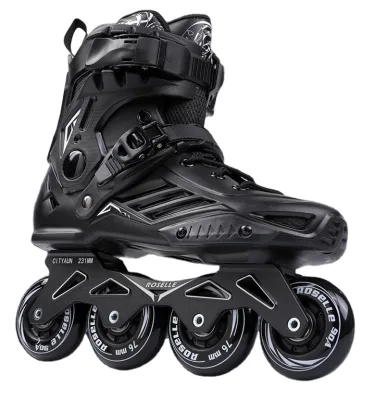
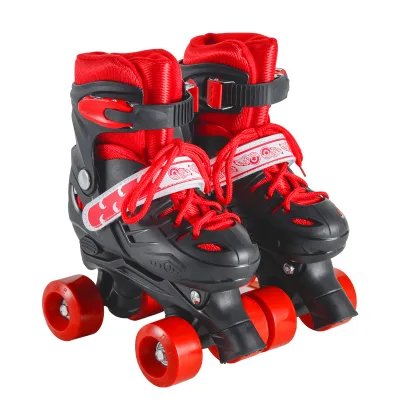


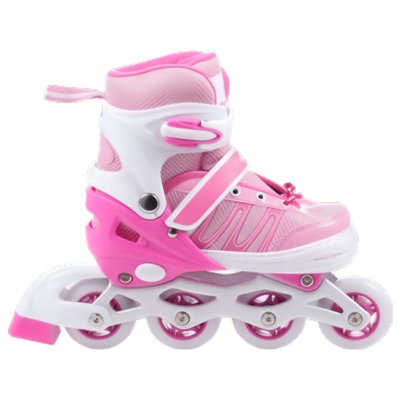
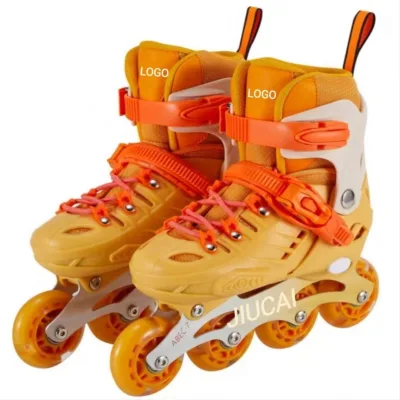
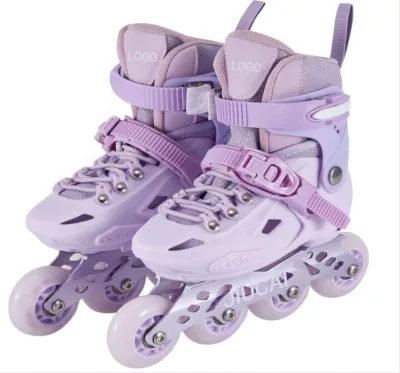
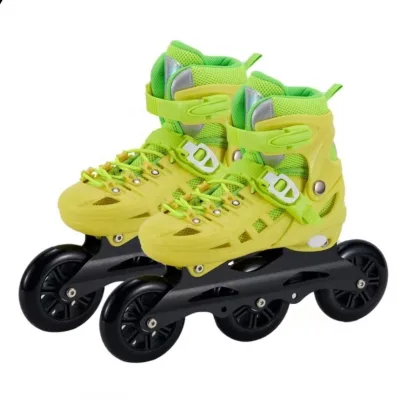
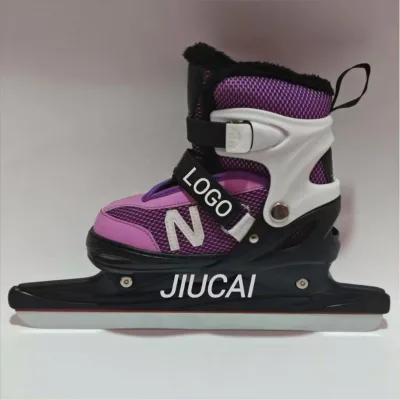
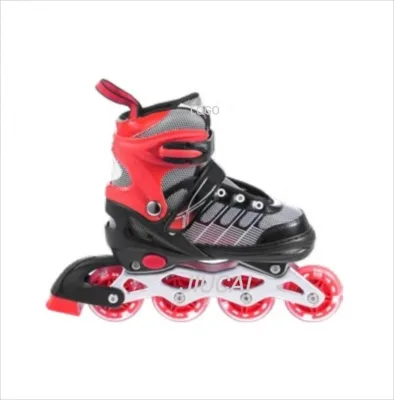


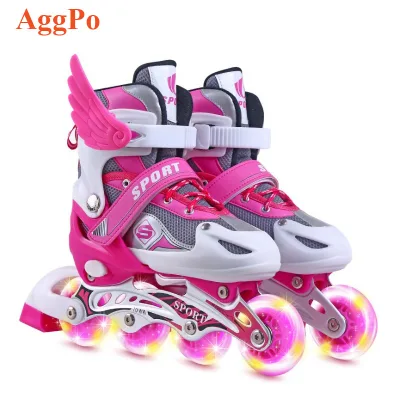


Popular Boys Girls Kids Child Skate Shoes Adjustable Inline Roller Quad Skates
$9.20 - $12.70
MOQ: 10 Pieces


Comprehensive Sourcing Guide
Inflatable Roller Skate Shoes Sourcing Guide
The term "Inflatable Roller Skate Shoes" presents a significant semantic contradiction in the current B2B marketplace, as the supplied product data exclusively describes rigid-frame roller skates and ice skates constructed from materials such as rubber, fabric mesh, PP impact-resistant plastic, and aluminum alloy. Buyers must carefully distinguish between marketing terminology that may loosely refer to "air-cushioned" or "memory foam" comfort features and actual inflatable structures, which are not present in the observed listings. The core keyword likely stems from a misinterpretation of "air" or "breathable" mesh materials, or potentially a confusion with inflatable toys, whereas the actual inventory consists of durable, non-inflatable skating footwear designed for leisure, racing, and fancy skating applications.
Procurement teams should focus on the specific skating types identified in the data, including ice skates and professional slalom roller skates, rather than searching for inflatable variants that do not align with the provided specifications. The observed products feature metal micro-adjustable buckles, ABEC-7 bearings, and high-rebound 85A PU wheels, indicating a focus on performance and durability rather than air-filled components. Understanding this distinction is critical for accurate sourcing, as the technical requirements for rigid skate frames and wheels differ entirely from those of inflatable goods, affecting everything from tooling to quality control protocols.
Product Scope and Observed Listing Signals
The observed product range spans multiple skating categories, including ice skates and roller skates, with models such as MS-DS531, MS-JRIS401, and MS-GP-912 representing distinct design approaches for different user needs. These products are primarily targeted at children and teenagers, with some listings explicitly noting styles for adults and teenagers, indicating a broad demographic appeal. The color options vary significantly, ranging from black-yellow and black-blue combinations to pink, blue, rose, and red, allowing buyers to select inventory that matches specific market preferences or seasonal trends. This variety suggests that suppliers offer extensive customization capabilities, enabling brands to tailor visual aesthetics to their target audience.
Material composition is a key differentiator among the listed items, with upper materials ranging from breathable mesh and synthetic leather to impact-resistant PP plastic for ice skates. The inclusion of memory foam, EVA, and velvet linings highlights a focus on comfort and fit, which is essential for retaining customer satisfaction in the skating footwear sector. Additionally, the presence of aluminum alloy frames and high-rebound PU wheels in roller skates points to a segment of the market focused on performance and durability. Buyers should evaluate these material choices against their specific use cases, whether for casual leisure, competitive racing, or artistic fancy skating, to ensure the selected products meet functional expectations.
Technical Specifications to Verify
When evaluating roller skates, particularly those described as professional slalom models, verifying the wheel hardness and bearing quality is paramount for performance assurance. The data indicates the use of 85A PU wheels and ABEC-7 bearings, which are standard indicators of moderate-to-high performance suitable for slalom and recreational skating. Buyers must confirm that these specifications are consistent across all ordered units, as variations in wheel rebound or bearing precision can significantly impact skating smoothness and control. Additionally, the frame material, identified as aluminum alloy in some listings, should be inspected for structural integrity and weight distribution, which are critical for stability during high-speed maneuvers.
For ice skates and other models, the buckle system and size standardization require close attention to ensure proper fit and safety. The metal micro-adjustable buckles observed in the data provide a secure fit, but buyers should verify the durability of these components under repeated use and stress. Size standards such as S, M, L, and XL, along with specific size ranges like 35-44, must be accurately mapped to regional sizing conventions to prevent returns due to fit issues. Furthermore, the maximum load capacity, noted as 100kg for certain roller skate shoes, should be clearly communicated to end-users to ensure safe operation and prevent structural failure under heavier weights.
Compliance and Safety Documentation
Safety compliance is non-negotiable for skating footwear, particularly when targeting children and teenagers, as these users are more vulnerable to injury from equipment failure. Buyers must request comprehensive test reports that verify the structural integrity of the skate frames, the adhesion strength of the wheels, and the toxicity levels of materials such as PVC outsoles and synthetic leathers. Although specific certification standards are not listed in the provided data, it is essential to ensure that products meet relevant regional safety regulations, such as EN 13843 for roller skates or equivalent standards in the destination market. This due diligence helps mitigate liability risks and ensures that the products are safe for their intended recreational and competitive uses.
Documentation should also cover the durability and wear resistance of key components, including the PU wheels and mesh linings, to guarantee long-term performance. Buyers should inquire about the testing protocols used to validate the "durable" and "fashionable" claims associated with the products, ensuring that these attributes are backed by empirical data. Additionally, clear labeling and instruction manuals that outline proper usage, maintenance, and safety warnings are crucial for consumer protection. Verifying that suppliers provide complete and accurate compliance documentation is a vital step in establishing a trustworthy supply chain and maintaining brand reputation.
Cost Drivers and Commercial Terms
The cost structure for these skating products is influenced by material choices, customization levels, and order volumes, with observed MOQs ranging from 1 pair to 600 pairs. Lower MOQs, such as 1 pair or 100 pairs, may incur higher per-unit costs due to setup fees and limited production efficiency, making them suitable for sampling or small-batch testing. Conversely, larger orders can leverage economies of scale to reduce unit prices, but buyers must balance this with inventory holding costs and market demand forecasts. The availability of OEM/ODM services adds another layer of cost complexity, as custom designs, packaging, and branding require additional engineering and production adjustments.
Delivery times and packaging specifications also play a significant role in total landed costs. The observed delivery time of 10 days suggests a relatively fast turnaround, which can be advantageous for agile supply chains but may require premium pricing for expedited production. Packaging options, such as individual color boxes or bulk packs of six pairs, affect shipping volume and protection during transit, influencing freight costs. Buyers should negotiate clear terms regarding payment schedules, warranty policies, and responsibilities for defective goods to ensure a transparent and fair commercial relationship that protects their investment.
Supplier Qualification and Quality Control
Supplier qualification should begin with a thorough assessment of their manufacturing capabilities, particularly their experience in producing both ice skates and roller skates. The presence of multiple models and customization options indicates a versatile production line, but buyers must verify that quality control processes are robust enough to maintain consistency across different product types. On-site audits or third-party inspections should focus on critical control points such as bearing installation, wheel attachment, and buckle functionality, which are common failure points in skating footwear. Ensuring that the supplier adheres to strict quality standards is essential for minimizing defects and returns.
Additionally, buyers should evaluate the supplier's responsiveness to customization requests and their ability to meet specific technical requirements. The data shows a range of materials and features, from memory foam linings to aluminum alloy frames, requiring precise manufacturing execution. Suppliers should demonstrate a clear understanding of these specifications and provide detailed quality assurance plans for each order. Building a strong relationship with a qualified supplier involves regular communication, feedback loops, and joint problem-solving to address any issues that arise during production or after delivery, ensuring long-term partnership success.
Long-Term Procurement Checks
Long-term procurement success depends on continuous monitoring of product performance and supplier reliability in a dynamic market. Buyers should establish key performance indicators such as defect rates, delivery accuracy, and customer feedback to evaluate ongoing supplier performance. Regular reviews of product specifications and market trends will help identify opportunities for innovation, such as new materials or design improvements that enhance comfort and durability. Staying informed about regulatory changes and safety standards in target markets is also crucial to ensure continued compliance and avoid disruptions in supply.
Furthermore, diversifying the supplier base can mitigate risks associated with single-source dependencies, especially for high-volume or critical products. Buyers should periodically assess alternative suppliers who offer similar customization and quality levels to maintain competitive pricing and supply chain resilience. Engaging in strategic partnerships with suppliers who share a commitment to quality and innovation can lead to collaborative improvements and exclusive product offerings. By maintaining a proactive approach to supplier management and market analysis, buyers can secure a stable and competitive supply of skating footwear that meets evolving consumer demands.
FAQs
What materials are used in these roller skates?
The skates are constructed from durable rubber and fabric mesh cloth for the upper, ensuring breathability and comfort during use. The lining combines mesh, pearl cotton, and velvet for a soft fit. The outsole is made of PVC, while the wheels feature high rebounded 85A PU material for smooth rolling performance on various surfaces.
Can I customize the design of these skates?
Yes, customization is available for these roller skates. The supplier offers OEM and ODM services, allowing buyers to tailor specific aspects of the product. This includes options for custom colors and branding, making it suitable for businesses looking to create unique products for their target audience or specific market segments.
What is the minimum order quantity for these skates?
The minimum order quantity varies by product model. Some models require a minimum of 100 pairs, while others allow for a single pair order. Buyers should check the specific model details to determine the applicable MOQ, as this depends on whether the item is a standard stock product or a customized order.
How long does delivery take for these skates?
The standard delivery time for these roller skates is approximately 10 days. This timeframe applies to the production and shipping process for most orders. Buyers should confirm the exact lead time with the supplier, as it may vary based on order volume, customization requirements, and current production schedules.
What sizes are available for these roller skates?
The skates are available in multiple sizes to fit different age groups and foot dimensions. Standard size ranges include S, M, L, and XL for some models, while others cover sizes 35-44. The adjustable metal micro-adjustable buckles allow for a secure and comfortable fit across these size ranges.
What is the maximum load capacity for these skates?
The maximum load capacity for these roller skates is 100kg. This specification ensures that the skates can safely support adult users and teenagers during various skating activities. The durable construction, including the aluminum alloy frame and high-rebound PU wheels, is designed to handle this weight while maintaining performance and stability.