Source Inflatable Swim Ring for Resort Hotel, Commercial, and Outdoor Use
Find 30 verified options for the Inflatable Swim Ring suitable for resort hotels, commercial venues, and outdoor activities. Compare specifications like material, size, and MOQ to identify the right supplier for your needs.
Key considerations
Products List
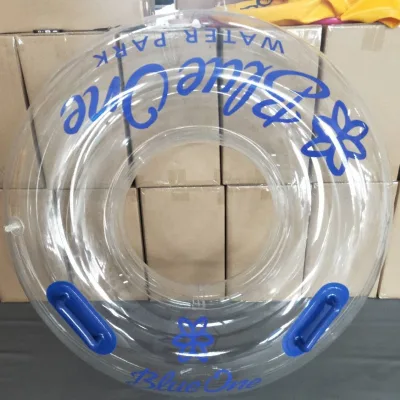
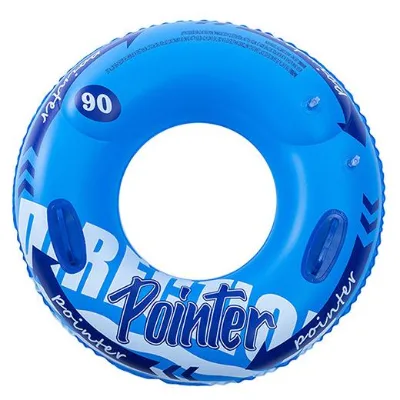
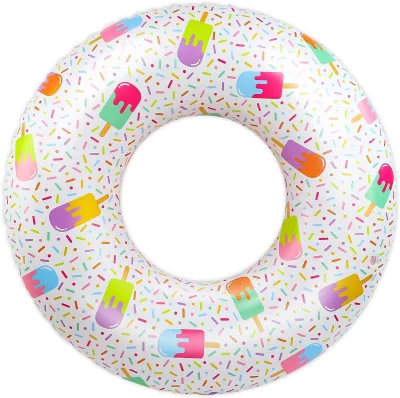
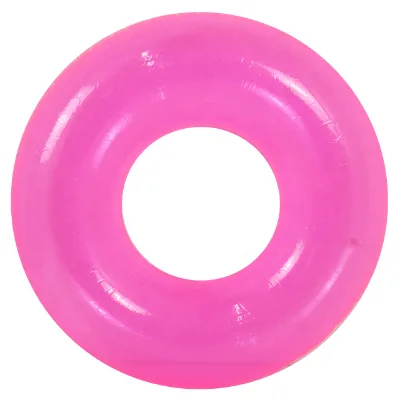
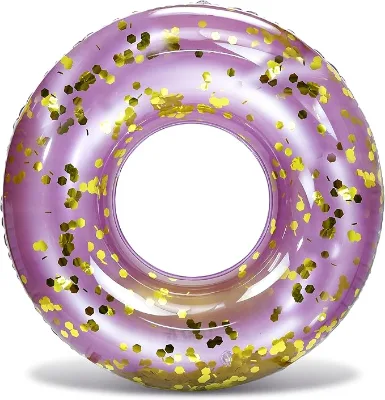
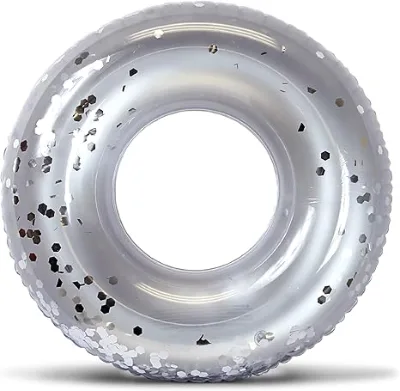
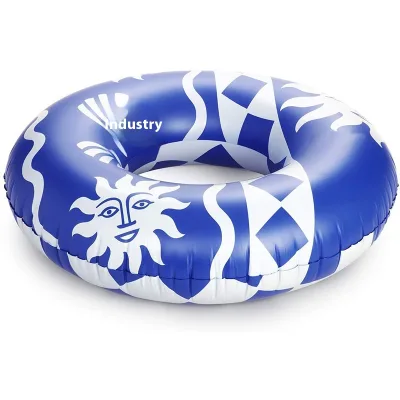
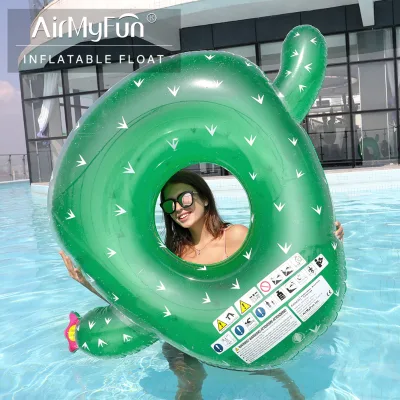
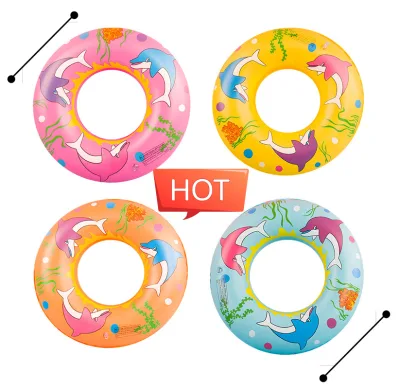
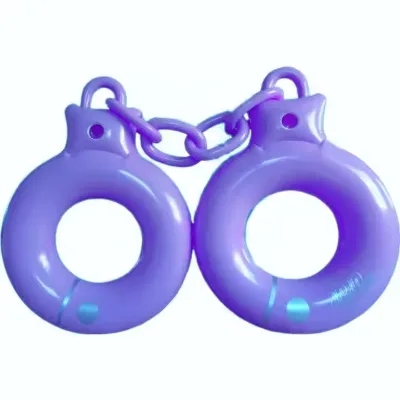
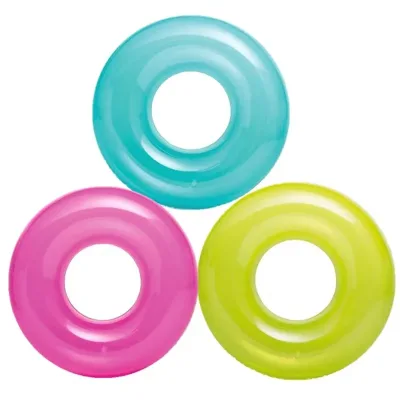
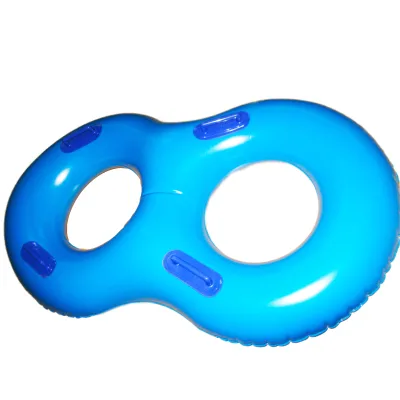
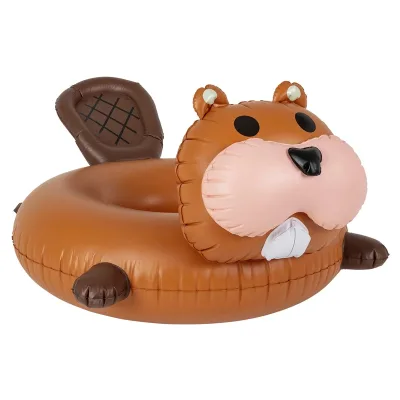
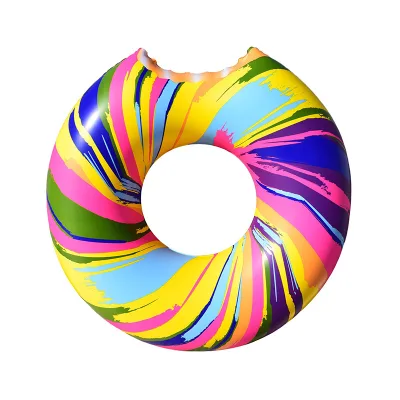
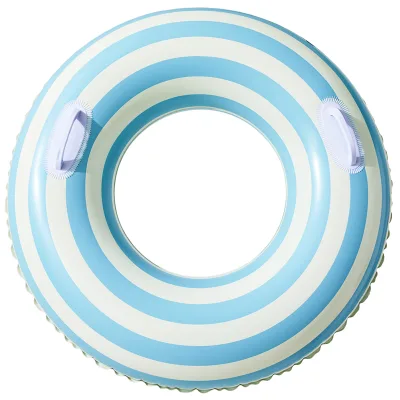
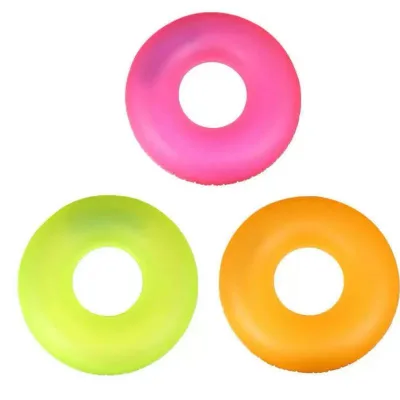


Professional High Quality Inflatable Swimming Rings for Kids and Adults
$1.00 - $3.00
MOQ: 1000 Pieces
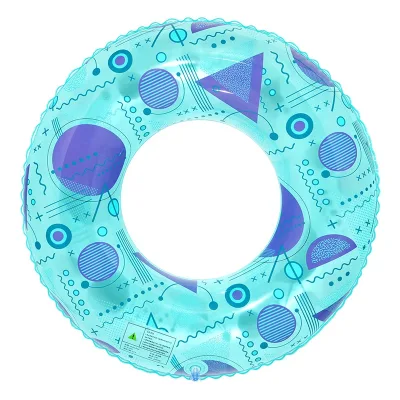
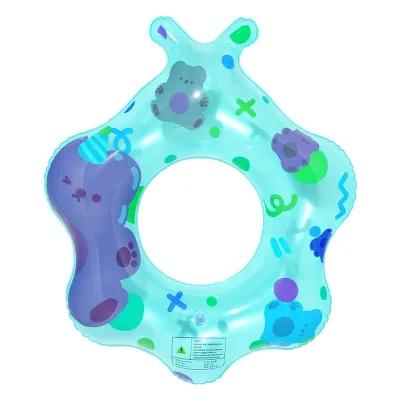
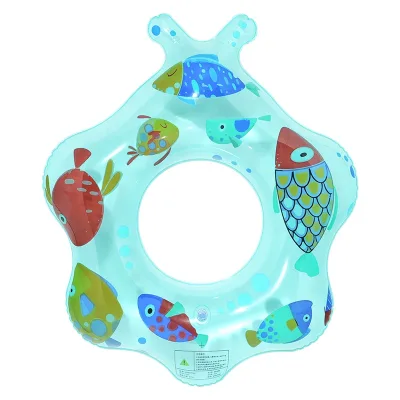
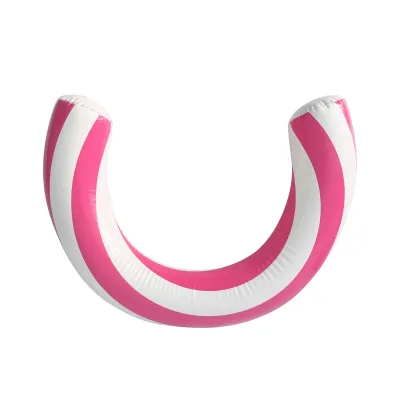


Outdoor Inflatable Double-Layer Swimming Ring for Family Fun and Relaxation
$1.31 - $1.43
MOQ: 50 Pieces
Comprehensive Sourcing Guide
Strategic Sourcing Guide for Inflatable Swim Rings
Understanding Product Specifications and Variability
The Inflatable Swim Ring market presents a diverse array of technical configurations that directly impact procurement strategy. Buyers must first recognize that product attributes are not uniform across the supply base. Observed data indicates significant variation in material thickness, which is a primary determinant of durability and safety. Some listings specify a robust 0.7mm PVC construction, suitable for high-traffic commercial environments such as resort hotels, while others utilize a thinner 0.18mm Phthalates Free PVC, often targeted at specific child-focused applications or cost-sensitive orders. This disparity in material specification requires buyers to align their order requirements with the intended usage environment to avoid premature product failure.
Size specifications further complicate the sourcing landscape. The market offers standardized dimensions such as 100cm, 60cm, 70cm, 80cm, and 90cm, alongside imperial measurements like 20", 24", and 48". A notable segment of the supply chain also offers fully customized sizes, allowing for unique branding opportunities or specific user demographics. The physical dimensions of the product are intrinsically linked to the packaging metrics. For instance, a single package size of 20x13x8 cm suggests a compact, lightweight unit, whereas a 26x22.6x4.6 cm package indicates a larger or more rigidly constructed item. These variations influence logistics planning, as the single gross weight can range from 0.400 kg to 2.000 kg depending on the model and material density.
The construction method is another critical technical differentiator. The observed "hot weld" workmanship represents a specific manufacturing technique that enhances seam integrity compared to standard gluing methods. This feature is particularly relevant for products designed for repeated inflation and deflation cycles. Furthermore, the shape of the swim ring, typically observed as round, must be considered in the context of the "Applicable People" category, which ranges from children to men and women. Selecting the correct specification requires a detailed analysis of the target demographic and the specific water conditions where the product will be deployed.
Compliance Verification and Certification Standards
Navigating the regulatory landscape for inflatable swim rings requires rigorous verification of certification claims. While some product listings explicitly mention compliance with EN71-2-3 and the possession of a testing report, buyers must treat these as observations of specific supplier capabilities rather than universal guarantees for all listed items. The EN71 series is a critical standard for toy safety in Europe, covering mechanical and physical properties, flammability, and chemical migration. Specifically, EN71-2 addresses flammability, and EN71-3 covers migration of certain elements. The presence of these certifications suggests a supplier's adherence to stringent safety protocols, but the buyer must request valid, current documentation for the specific batch being ordered.
The mention of "Phthalates Free PVC" in certain product descriptions highlights a growing regulatory trend regarding chemical safety. Phthalates are plasticizers often restricted in children's products due to health concerns. If a product claims to be phthalates-free, this should be verified through independent laboratory testing reports rather than relying solely on the supplier's marketing statement. While the provided context lists ASTM F963 as a background standard, it is not explicitly confirmed as a mandatory requirement for all listed products. Therefore, buyers targeting the North American market must proactively verify if the specific supplier's products meet ASTM F963 requirements, as this is a standard for toy safety in the United States.
Certification status should be treated as a dynamic attribute that varies by supplier and production batch. The availability of a "Testing report" is a positive indicator, but the scope of that report must be scrutinized. Does it cover the specific material thickness (e.g., 0.7mm vs. 0.18mm) and the specific dye used? Buyers should ensure that the certification covers the exact model number and colorway they intend to purchase. Relying on a generic certification for a different product line can lead to compliance failures at the destination market. The verification process must include a request for the full test report, including the name of the testing laboratory, the date of the test, and the specific standards cited in the report.
Cost Drivers and Pricing Dynamics
The pricing structure for inflatable swim rings is influenced by a complex interplay of material costs, manufacturing complexity, and order volume. The observed price range of 0.73 to 70 USD reflects the extreme variance in product specifications. The lower end of this spectrum likely corresponds to thinner materials (0.18mm), smaller sizes, and minimal customization, while the higher end likely encompasses thicker PVC (0.7mm), larger dimensions, and complex branding features. Buyers must understand that the unit price is not a static figure but a function of the total order quantity and the specific attributes selected.
Minimum Order Quantity (MOQ) is a significant cost driver in this sector. The data shows a wide range of MOQs, from 1 unit to 4,000,000 units, with a common threshold observed around 2,000 to 3,000 pieces. For smaller buyers, the high MOQs associated with standard production runs can inflate the per-unit cost or create inventory risks. Conversely, suppliers offering lower MOQs may charge a premium to cover the setup costs of smaller production batches. The "Selling Units" being listed as "Single item" suggests that some suppliers may accommodate smaller trial orders, but the economic viability of such orders depends heavily on the supplier's willingness to absorb setup costs.
Customization is another major factor influencing cost. The availability of "Customized Logo" and "Customized Size" options adds value but incurs additional expenses. The production of custom molds or the setup of specific printing processes for logos requires time and resources that are passed on to the buyer. Additionally, the choice of material thickness directly impacts the raw material cost. A jump from 0.18mm to 0.7mm PVC represents a substantial increase in material usage per unit, which will be reflected in the final price. Buyers should conduct a total cost of ownership analysis that includes not just the unit price, but also the costs associated with customization, packaging, and logistics, which are affected by the single package size and gross weight.
Typical Applications and Market Segmentation
The Inflatable Swim Ring serves multiple market segments, each with distinct requirements for durability, safety, and aesthetics. The "Occasion" attribute identifies "resort hotel" and "commercial" use as primary applications. In these settings, the product must withstand high-frequency use, exposure to chlorinated water, and potential abuse by a large volume of guests. For commercial applications, the 0.7mm PVC material and "hot weld" workmanship observed in some listings are essential to ensure longevity and reduce replacement costs. These products are often designed for durability over aesthetic variety, though color options like Yellow, Blue, and White are available to match branding or safety requirements.
The "Applicable People" attribute reveals a strong segmentation by age and size. Products designed for "Child" users often prioritize safety features and lighter materials, such as the 0.18mm Phthalates Free PVC. These rings are typically smaller, with sizes like 60cm or 70cm, and are packaged in compact dimensions to facilitate shipping. In contrast, products for "Women" and "Men" may require larger diameters, such as 80cm, 90cm, or 100cm, to provide adequate buoyancy and comfort. The "Type" attribute distinguishes between general "swimming float ring" and specific "adults inflatable swimming ring," indicating that manufacturers tailor their designs to the specific buoyancy and structural needs of different demographics.
Seasonal and regional factors also influence application. The "Outdoor" classification suggests that these products are designed for open-water environments, which may include lakes, oceans, and pools. The "Delivery time" of 15-30 days or 35-50 days after PPS approval indicates that procurement planning must account for lead times, especially for seasonal peaks. Buyers targeting the resort market must ensure that their supply chain can deliver products well in advance of the summer season to avoid stockouts. The "Brand Name" variations, such as "a-c-e" and "AGS," suggest that some buyers may be looking for private label opportunities, where the product is branded for specific retail chains or hotel groups.
Supplier Evaluation and Operational Capabilities
Evaluating suppliers for inflatable swim rings requires a focus on operational capabilities, geographic location, and flexibility. The "Place of Origin" is predominantly listed as Guangdong, China, with some entries from Zhejiang, China. Both regions are established manufacturing hubs for PVC products, but buyers should verify the specific factory's capacity and quality control systems. The "OEM/ODM" availability indicates that suppliers are willing to produce custom-branded goods, but the extent of this service varies. Some suppliers offer "Customized Logo" acceptance, while others may provide full ODM services including design and material selection.
Lead time is a critical operational metric. The observed delivery times range from 15-30 days to 35-50 days after PPS (Pre-Production Sample) approval. This variance suggests that lead times are dependent on the complexity of the order, the availability of raw materials, and the supplier's current production load. Buyers must factor in the time required for sample approval before the production clock starts ticking. A supplier with a 15-day lead time may be more agile for urgent orders, while a 50-day lead time might be acceptable for large, planned inventory builds. The "Warranty" of 1 year is a standard offering, but the terms of this warranty should be clearly defined, covering defects in material or workmanship.
The "Single gross weight" and "Single package size" are vital for logistics planning. A product weighing 2.000 kg and measuring 26x22.6x4.6 cm will have different shipping costs compared to a 0.400 kg item in a 20x13x8 cm package. Buyers should calculate the landed cost based on these dimensions to ensure profitability. Additionally, the "Model Number" system used by suppliers, such as "IL" or "IL02765," helps in tracking specific product lines. Buyers should request a comprehensive product catalog that maps model numbers to specifications, ensuring they can easily reference and reorder specific items.
Quality Control and Long-Term Procurement Strategy
Implementing a robust quality control (QC) strategy is essential for managing the risks associated with Inflatable Swim Ring procurement. Given the variability in material thickness and workmanship, buyers should establish clear acceptance criteria before production begins. This includes defining the acceptable range for PVC thickness, seam strength, and color consistency. The "hot weld" workmanship should be verified through visual inspection and, if necessary, destructive testing to ensure the seams are not prone to failure under pressure. For products claiming to be "Phthalates Free," third-party testing should be mandated for every production batch to maintain compliance.
Long-term procurement considerations involve building a relationship with suppliers who can scale with demand. The wide range of MOQs, from 1 to 4,000,000 pieces, indicates that suppliers can accommodate both small and large orders. However, buyers should assess the supplier's ability to maintain consistent quality across different order sizes. A supplier that produces high-quality samples but struggles with mass production consistency poses a significant risk. The "OEM/ODM" capability should be leveraged to create a unique product identity, but this requires a clear communication channel to ensure that branding and design specifications are accurately executed.
Sustainability and regulatory compliance are becoming increasingly important in long-term strategy. While the current data highlights specific certifications, buyers should proactively inquire about the environmental impact of the PVC used. The shift towards "Phthalates Free" materials suggests a market trend towards safer, more sustainable products. Buyers should consider the end-of-life disposal of the products and whether the supplier offers recycling programs or uses eco-friendly manufacturing processes. Finally, maintaining a buffer stock of critical components or finished goods can mitigate the risks associated with lead time fluctuations, ensuring a steady supply for commercial and retail operations.
Comparative Analysis of Key Product Attributes
To facilitate decision-making, the following table summarizes the key attributes observed across the product listings, highlighting the variability that buyers must navigate.
| Attribute | Observation A | Observation B | Observation C |
|---|---|---|---|
| Material | 0.7mm PVC | 0.18mm Phthalates Free PVC | PVC (General) |
| Size | 100cm | 60cm, 70cm, 80cm, 90cm | 20", 24", 48" |
| Target Audience | Resort Hotel, Commercial | Child | Women, Men, Child |
| Workmanship | Hot Weld | Standard | Standard |
| MOQ | 3000 pcs | 3000 | 2000 |
| Lead Time | 15-30 Days | 35-50 Days | 15-30 Days |
| Packaging | 20x13x8 cm | 15x15x10 cm | 26x22.6x4.6 cm |
| Weight | 0.400 kg | 2.000 kg | 1.000 kg |
| Certification | EN71-2-3, Testing Report | None Listed | None Listed |
| Customization | Logo Accepted | Logo Accepted | Logo Accepted |
This comparison underscores the necessity for buyers to specify their requirements clearly. A product suitable for a commercial resort (Observation A) differs significantly from a child-focused toy (Observation B) in terms of material durability and safety standards. By understanding these distinctions, buyers can select the appropriate supplier and product configuration to meet their specific market needs.
FAQs
What material thickness is used for commercial inflatable swim rings?
Commercial inflatable swim rings often use 0.7mm PVC for durability in resort hotels. This thickness ensures longevity under high-frequency use compared to thinner options found in other listings.
Can buyers order customized sizes for inflatable swim rings?
Yes, buyers can order customized sizes for inflatable swim rings to meet specific branding needs. Some suppliers offer fully customized dimensions alongside standard options like 60cm or 100cm.
Which certifications are available for child-safe inflatable swim rings?
Some suppliers provide EN71-2-3 certifications and testing reports for child-safe inflatable swim rings. These documents verify compliance with safety standards regarding flammability and chemical migration for children's products.
How long does delivery take after sample approval for orders?
Delivery typically takes 15 to 50 days after pre-production sample approval depending on the supplier. Some factories offer 15-30 day lead times while others may require up to 50 days for complex orders.
What is the minimum order quantity for standard inflatable swim rings?
The minimum order quantity for standard inflatable swim rings is often around 2000 to 3000 pieces. Some suppliers may accept lower quantities, but higher volumes are common for standard production runs.
Are hot weld workmanship options available for inflatable swim rings?
Yes, hot weld workmanship is available for inflatable swim rings to enhance seam integrity. This manufacturing technique is preferred for products requiring repeated inflation and deflation cycles in commercial settings.