Source Inflatable Towable Water Tube with Repair Kit for Resorts, Malls, and Homes
Compare 30 listings for an Inflatable Towable Water Tube with Repair Kit from suppliers in China. Buyers can evaluate options with varying sizes, materials like PVC tarpaulin, and capacities suitable for resorts, shopping malls, and residential use.
Key considerations
Products List
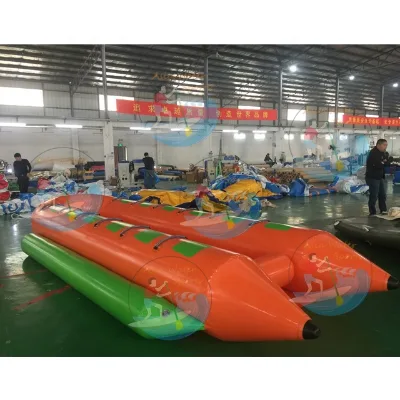
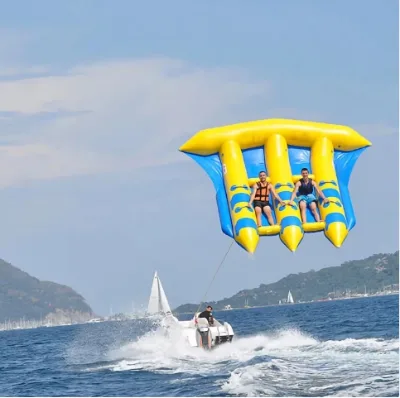
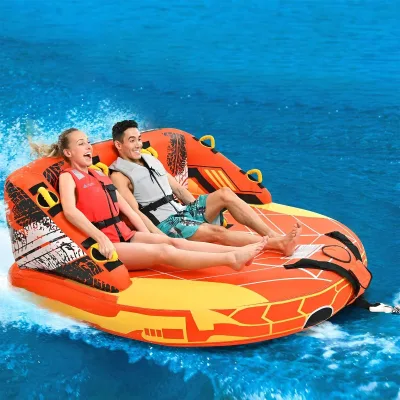
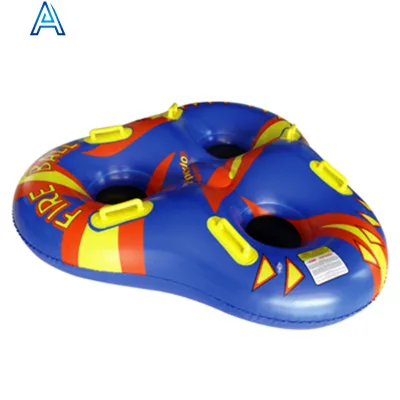
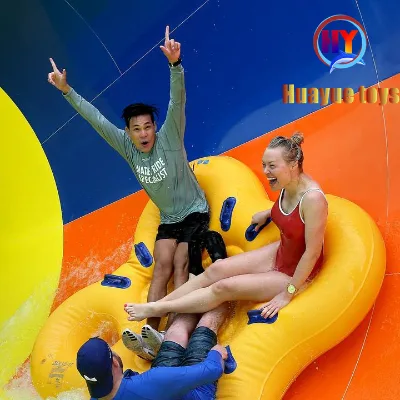
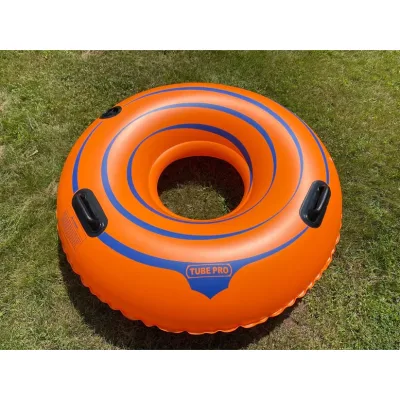
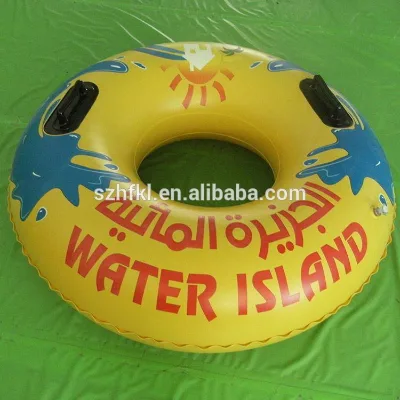
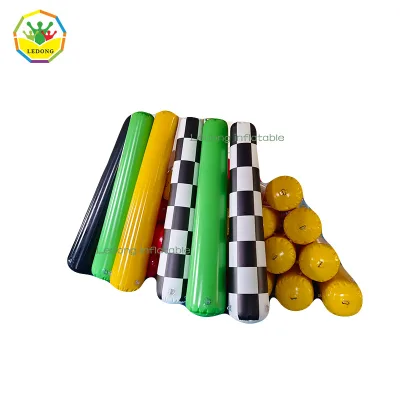


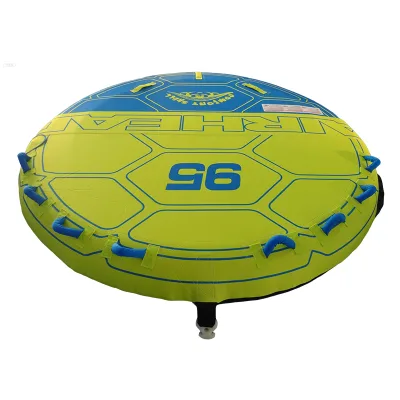
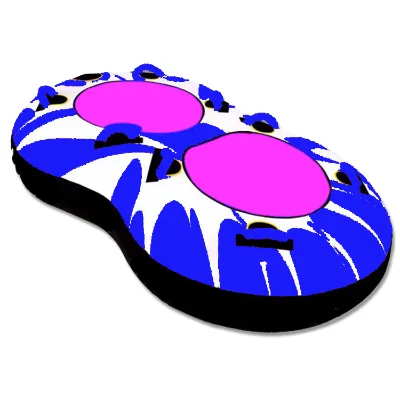
Custom 8 Shape 2 Seat Inflatable Water Ski Towable Tube with Factory Price
$50.79 - $101.57
MOQ: 300 Minimum
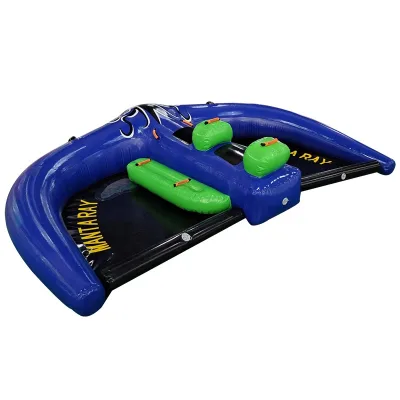
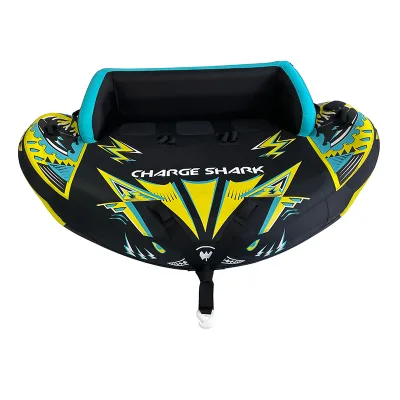
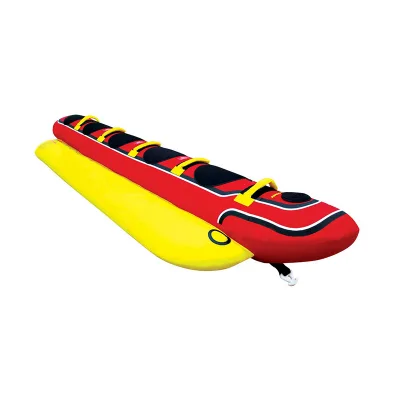
Superior Quality 5 Seats Inflatable Hot Dog Ski Banana Tube with Nylon Cover
$91.41 - $162.51
MOQ: 300 Minimum


New Design Inflatable Water Ski Tube, Inflatable Crazy Towable Tube for Summer
$700.00 - $780.00
MOQ: 1 Pieces
Comprehensive Sourcing Guide
Strategic Sourcing Guide for Inflatable Towable Water Tubes with Repair Kits
Procuring inflatable towable water tubes equipped with repair kits requires a disciplined approach to navigating the complex landscape of water sports equipment manufacturing. The market offers a wide array of options, from standard recreational tubes to high-capacity towables designed for commercial resorts. Buyers must distinguish between generic observations and verified product attributes to ensure safety, durability, and cost-effectiveness. This guide synthesizes available market data to provide a framework for evaluating suppliers and specifications without relying on unverified claims or external assumptions.
Technical Specifications and Material Integrity
The foundation of a reliable towable tube lies in its material composition and structural design. Based on observed product attributes, the industry standard for heavy-duty towables often utilizes 0.9mm PVC Tarpaulin. This specific thickness provides a critical balance between buoyancy and resistance to abrasion from water, rocks, and boat propellers. However, variations exist in the supply chain. Some listings indicate the use of 0.60mm cold-resistant PVC, which suggests a specialized application for colder climates or lighter recreational use. When sourcing, buyers must verify the exact millimeter thickness and the specific type of PVC, as thinner materials may compromise the safety of passengers in high-tension towing scenarios.
Size is another pivotal specification. Observed data indicates that standard towable tubes often come in a size of 3.5 meters, with many manufacturers offering fully customized dimensions. Customization allows buyers to tailor the product to specific vessel capacities or target demographics. The single package size for these units typically measures around 50x20x20 cm when deflated, which is crucial for logistics planning. Additionally, the weight of a single unit is a significant factor for shipping costs; observed data points to a single gross weight of approximately 20.0 kg. Buyers should confirm if this weight includes the repair kit and air pump, as these accessories add to the total shipping volume and weight.
Capacity, Passenger Limits, and Safety Features
Understanding the allowable passenger capacity is essential for liability management and user safety. Market observations reveal a wide range in capacity, with some units designed for over 10 passengers, while others are rated for fewer than 5 or between 5 and 10 passengers. The maximum capacity can also be expressed in weight, with some specifications listing a range of 100-500 kg. This discrepancy highlights the importance of verifying the specific rating for the model in question. A tube rated for over 10 passengers likely requires a robust towing system and a larger boat, whereas smaller tubes are suitable for family use or smaller watercraft.
Safety features are non-negotiable in water sports equipment. Standard configurations include safety valves designed to prevent over-inflation and ensure rapid deflation in emergencies. The inclusion of repair kits is a standard expectation for professional-grade towables. These kits typically contain patches, glue, and tools necessary for on-site maintenance. The presence of an air pump is also frequently listed as a standard accessory, though the type of pump (electric vs. manual) should be confirmed. Buyers must ensure that the "Allowable Passenger" rating is clearly marked on the product and aligns with local safety regulations.
Compliance, Certification, and Regulatory Verification
Navigating the compliance landscape for inflatable water toys requires careful scrutiny. While many suppliers list "To be applied for each specific product" regarding certificates, this is a critical area for risk mitigation. Buyers should not assume that a product is certified until they receive valid documentation. The absence of a specific certification status in general listings means that the buyer must actively request proof of compliance with relevant safety standards before placing an order.
In the context of international trade, the origin of the product plays a role in regulatory acceptance. Observed data indicates that products originate from various locations in China, including Guangdong and Jiangxi provinces. While these regions have established manufacturing bases, the specific factory's compliance record varies. Buyers should verify if the manufacturer holds ISO certifications or specific product safety certifications required by the destination market. Relying on a supplier's claim of "OEM" or "Customize" branding does not substitute for independent verification of safety standards. The "Certificate" field often remains open-ended in general catalogs, necessitating a direct inquiry into the specific testing reports for the batch being purchased.
Cost Drivers and Pricing Structures
The pricing of inflatable towable tubes is influenced by several variables, including material thickness, size, customization level, and order volume. The observed price range in the market spans from $0.50 to $1,600 USD. This vast range reflects the difference between small, single-item promotional inflatables and large, commercial-grade towables capable of carrying multiple passengers. The lower end of the spectrum likely corresponds to smaller, lighter-duty items, while the upper end represents heavy-duty, custom-sized units with advanced features.
Minimum Order Quantity (MOQ) is another significant cost driver. Data shows an MOQ range from 1 piece to 1,000 pieces. This flexibility allows buyers to test the market with small orders or secure bulk pricing for large inventory needs. However, the unit price often decreases as the order quantity increases. Buyers must calculate the total landed cost, including shipping, which varies based on the shipping method (air, sea, or express) and the single gross weight of the product. For heavy items like a 20.0 kg towable tube, sea freight is often the most economical choice, though lead times will be longer compared to air or express shipping.
Supplier Evaluation and Operational Capabilities
Evaluating a supplier requires looking beyond the product listing to their operational capabilities. Key attributes to assess include the brand name, which can range from established names like "Asia Water Sports" or "EJIA" to generic "OEM" or "Customize" labels. A supplier offering a specific brand name may have a track record of quality control, whereas an OEM supplier might offer more flexibility but less consistency. The "Place of Origin" is a useful indicator of the manufacturing ecosystem; suppliers in Guangdong and Jiangxi are part of established industrial clusters, but the specific factory's reputation must be verified.
Logistics capabilities are equally important. Suppliers should offer multiple shipping options, including sea, air, and express, to accommodate different urgency levels. The "Single package size" and "Single gross weight" are critical for calculating freight costs. Additionally, the availability of customization services, such as "Customized Logo" and "Custom Printing," allows buyers to brand the product for their specific market. However, buyers must ensure that the customization process does not compromise the structural integrity of the tube. The "Warranty" period, observed to be up to 3 years in some listings, is a strong indicator of supplier confidence in their product quality, but the terms and conditions of this warranty must be clearly defined.
Quality Control and Long-Term Procurement Considerations
Implementing a robust quality control (QC) strategy is vital for maintaining product standards. Given the variability in material thickness and construction, buyers should request pre-shipment inspections. Key QC checkpoints include verifying the PVC thickness, inspecting the seams for leaks, testing the safety valves, and ensuring the repair kit contents are complete. The "Type" of the product, often listed as "Outdoor" or "Cold-resistant," dictates the testing protocols required. For cold-resistant models, the material must be tested for flexibility and durability at lower temperatures.
Long-term procurement considerations involve building a relationship with a supplier who can support the product lifecycle. This includes the availability of spare parts, the consistency of the "Color" options (ranging from standard Blue to custom Pantone colors), and the ability to handle reorders. The "General Use" of the product, which can range from advertising and toys to commercial resort use, influences the durability requirements. For commercial applications, the "Occasion" must be carefully matched to the product's rating; a tube intended for a shopping mall or residential use may not withstand the rigors of a high-traffic resort hotel.
Application Scenarios and Market Segmentation
The versatility of inflatable towable tubes allows them to serve diverse market segments. Observed data lists occasions such as shopping malls, resort hotels, residential areas, and commercial venues. This broad applicability means that buyers must define their specific use case to select the right product. For instance, a tube for a resort hotel might require a higher passenger capacity and more durable materials than one for a residential pool. The "Usage" category, which includes boat towing and general water sports, further refines the selection process.
The "Type" of the product also influences its application. "Cold-resistant" models are specifically designed for use in cooler waters, while standard "Outdoor" models are suitable for warm climates. The "Color" options, including standard colors like Blue, Orange, and Green, as well as custom Pantone colors, play a role in branding and visibility. Bright colors are often preferred for safety reasons, making them a key consideration for commercial buyers. By aligning the product specifications with the intended application, buyers can ensure that the inflatable towable tube meets the specific needs of their customers while maintaining safety and performance standards.
Summary of Key Product Attributes
To facilitate quick reference, the following table summarizes the key attributes observed in the market for inflatable towable water tubes with repair kits. This data serves as a baseline for comparison but should be verified against specific supplier listings.
| Attribute | Observed Range / Options | Notes for Verification |
|---|---|---|
| Material | 0.9mm PVC Tarpaulin, 0.60mm Cold-resistant PVC | Verify thickness and type for intended use. |
| Size | 3.5m, Customized, 70cm-110cm | Confirm dimensions and packaging size. |
| Capacity | <5, 5-10, >10 passengers; 100-500kg | Check specific rating for safety compliance. |
| MOQ | 1pc to 1000pcs | Negotiate based on order volume and price. |
| Accessories | Air pump, Repair kits, Bag, Carton | Ensure all items are included in the quote. |
| Warranty | Up to 3 Years | Review terms and coverage details. |
| Origin | Guangdong, Jiangxi, China | Verify factory location and compliance. |
| Shipping | Air, Sea, Express | Calculate costs based on weight and volume. |
| Customization | Logo, Color, Size, Printing | Confirm lead times for custom orders. |
By adhering to these guidelines and rigorously verifying the provided data, buyers can navigate the sourcing process for inflatable towable water tubes with confidence. The focus on material integrity, safety compliance, and supplier capability ensures that the final product meets the highest standards of quality and performance for the intended market.
FAQs
What material is used for heavy-duty inflatable towable water tubes?
Heavy-duty tubes typically use 0.9mm PVC Tarpaulin for durability. Some specialized models use 0.60mm cold-resistant PVC for cooler climates. Buyers must verify the exact thickness to ensure safety during towing.
Can I order a single piece of inflatable towable water tube?
Yes, many suppliers accept a minimum order quantity of just one piece. This allows buyers to test product quality before committing to larger bulk orders for commercial or resort use.
Which accessories are included with the inflatable towable water tube?
Standard packages include an air pump and repair kits for maintenance. Some listings also specify a carrying bag and carton packaging. Buyers should confirm if the pump type is electric or manual.
How many passengers can an inflatable towable water tube hold?
Capacity varies significantly, with some tubes rated for over ten passengers and others for fewer than five. Weight limits can range from 100 to 500 kg depending on the specific model and design.
What is the warranty period for inflatable towable water tubes?
Some suppliers offer a warranty period of up to three years. Buyers should review the specific terms and conditions to understand what defects or damages are covered under this warranty.
Can I customize the logo and color of the inflatable towable water tube?
Yes, customized logos and colors are widely available options. Manufacturers often accept custom printing and Pantone color matching to align with brand requirements or safety visibility needs.
Where are inflatable towable water tubes typically manufactured?
Products originate from manufacturing hubs in China, specifically Guangdong and Jiangxi provinces. These regions have established industrial clusters for producing water sports equipment and related accessories.