Source CE Home Appliance Graphic Overlay for Control, Remote, and Camera
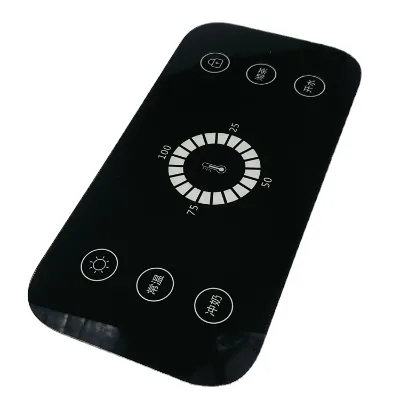
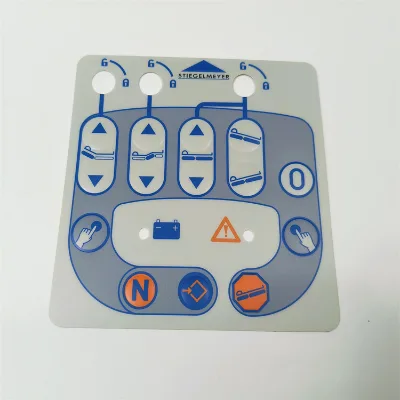
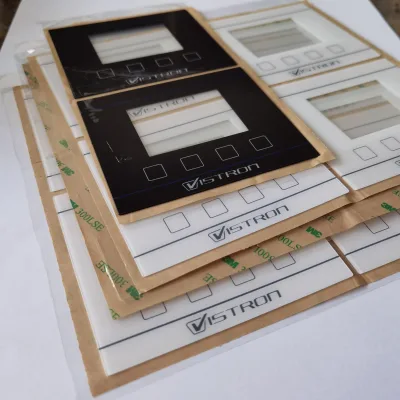
Find 30 CE Home Appliance Graphic Overlay options with multi-control switch capabilities and resistive principles. Compare customized sizes, screen printing finishes, and CCC/CE certifications for telecommunication and home appliance applications; compare the available evidence and request quotations based on your requirements.
Key considerations
Products List


Waterproof Vinyl Panel Decal UV Resistant Graphic Overlay for Home Appliance
$0.05 - $0.55
MOQ: 500 Pieces


Comprehensive Sourcing Guide
CE Home Appliance Graphic Overlay Sourcing Guide
Procuring graphic overlays for CE-certified home appliances requires a precise understanding of the intersection between aesthetic customization and functional electrical safety. The observed market data indicates that suppliers in Guangdong, China, frequently offer these components with multi-control switch capabilities and resistive principles, tailored for applications ranging from home appliances to telecommunication equipment. Buyers must recognize that while the core product is an overlay, its integration often involves complex wiring configurations, including null line and live line connections, which necessitates rigorous verification before finalizing any order.
The customization landscape for these overlays is extensive, with options for custom shapes, sizes, and specific printing methods like screen or UV printing. However, the presence of a CE mark does not automatically guarantee that every listed product meets the specific environmental or operational demands of a particular appliance. Sourcing teams should prioritize suppliers who explicitly state their ability to handle custom requests for logos, colors, and surface finishes, ensuring that the final product aligns with the specific design and functional requirements of the target home appliance or commercial device.
Product Scope and Observed Listing Signals
The product scope for graphic overlays in this category spans a wide array of usage scenarios, including control switches, disconnectors, and playback switches for various electronic devices. Listings frequently highlight features such as moisture proofing, dust-proofing, and waterproof capabilities, which are critical for appliances operating in diverse environments like hotels, industrial settings, or residential kitchens. The observed data confirms that these overlays often serve as the primary interface for start, reset, and limit buttons, making their durability and tactile response essential for user experience and safety.
Buyers should carefully analyze the listed application fields, which range from home and commercial use to industrial and lighting electronics, to ensure the overlay matches the intended device environment. The presence of specific attributes like "Amplifier Built-in Type" or "Type c Contact" suggests that some overlays are designed for more complex electronic integration than simple mechanical switches. It is vital to distinguish between standard off-the-shelf items and those offering true ODM/OEM services, as the latter are better suited for brands requiring unique branding, custom shapes, or specific functional adaptations for their specific appliance models.
Technical Specifications to Verify
Technical verification must begin with the physical and electrical parameters, specifically the number of switches, which can vary from single to multi-control configurations. The observed listings indicate a reliance on resistive principles and specific contact types, requiring buyers to confirm that the electrical characteristics align with their appliance's circuitry. Additionally, the structure of the overlay, such as whether it is a normal open type or a double-pole on-off switch, must be validated against the schematic requirements of the target device to prevent functional failures during operation.
Surface treatment and printing quality are equally critical technical factors that influence both the longevity and the user interface of the appliance. Buyers should verify that the surface finish is free from burrs and scratches, as these defects can compromise the tactile feel and visual appeal of the control panel. The choice of printing method, whether screen printing, UV printing, or embossing, directly impacts the durability of the graphics against wear and tear. Ensuring that the overlay can withstand the specific environmental conditions of the appliance, such as exposure to moisture or heat, is a non-negotiable step in the technical validation process.
Compliance and Safety Documentation
Compliance with safety standards is paramount when sourcing graphic overlays for home appliances, particularly those intended for the European market where the CE mark is mandatory. The observed data confirms that many suppliers provide certifications including CCC, CE, and ISO standards, which serve as foundational evidence of quality management and product safety. However, buyers must not assume that a listed certification applies to the specific batch or model being ordered; instead, they should request valid, up-to-date certificates that explicitly cover the product's electrical and mechanical safety features.
Beyond the basic CE marking, documentation should include evidence of adherence to ISO9001 and ISO14001 standards, which indicate a commitment to quality control and environmental management. These certifications are particularly relevant for manufacturers aiming to maintain a sustainable supply chain and ensure consistent product quality across large production runs. Buyers should also verify if the supplier has specific testing protocols for the overlay's insulation, explosion-proof capabilities, and durability, as these factors are critical for preventing electrical hazards and ensuring the long-term reliability of the home appliance.
Cost Drivers and Commercial Terms
The cost of graphic overlays is heavily influenced by the degree of customization required, including unique shapes, sizes, and complex printing techniques like embossing or UV printing. While the observed price range is broad, from $0.03 to $10, the final unit cost will depend on the volume ordered and the complexity of the design specifications. Buyers should anticipate that custom requests for logos, specific colors, or specialized surface finishes will incur higher costs compared to standard configurations, and these variables must be factored into the total cost of ownership calculations.
Commercial terms such as Minimum Order Quantity (MOQ) and lead times are significant factors that can impact the overall procurement strategy. The observed MOQ range of 5 to 1000 units suggests flexibility for both small-scale prototyping and large-scale production runs, but buyers must negotiate these terms based on their specific production schedules and inventory needs. Packaging requirements, which often include protective films, pearl wool, and cartons, also contribute to the final cost and must be clearly defined to prevent damage during transit. Clear agreements on payment terms and delivery schedules are essential to manage cash flow and ensure timely availability of components for assembly lines.
Supplier Qualification and Quality Control
Supplier qualification should focus on verifying the manufacturer's capability to deliver consistent quality through established quality management systems. The presence of ISO9001 and ISO14001 certifications is a strong indicator of a supplier's commitment to maintaining high standards, but buyers should also assess their specific experience with graphic overlays for home appliances. It is crucial to confirm that the supplier has a robust process for handling custom orders, including the ability to produce prototypes and manage the transition from design to mass production without compromising on quality or safety.
Quality control measures must be rigorous, covering every stage from raw material selection to final packaging. Buyers should request detailed quality control reports that include inspection results for surface finishes, printing accuracy, and electrical performance. The supplier's ability to provide samples for pre-production testing is a key indicator of their reliability and should be a prerequisite for any large-scale order. Additionally, verifying the supplier's track record in handling custom requests and their responsiveness to quality issues will help mitigate risks associated with supply chain disruptions and product defects.
Long-Term Procurement Checks
Establishing a long-term procurement relationship requires regular audits and performance reviews to ensure that the supplier continues to meet evolving quality and compliance standards. Buyers should implement a schedule for periodic re-verification of certifications, such as CE and ISO, to ensure they remain valid and applicable to the products being supplied. This proactive approach helps identify any potential compliance gaps early, allowing for timely corrective actions before they impact production schedules or product safety.
Continuous improvement should be a shared goal between the buyer and the supplier, with regular feedback loops to address any issues related to product performance or delivery. Buyers should monitor the supplier's ability to adapt to changes in technology, such as new printing methods or materials, and ensure that these innovations are integrated into the product line without compromising quality. By maintaining open communication and setting clear expectations for long-term performance, buyers can secure a reliable supply chain that supports the ongoing success and safety of their home appliance products.
FAQs
What certifications are available for CE Home Appliance Graphic Overlay?
Certifications such as CCC, CE, and ISO are available for these overlays. The products also comply with ISO9001 and ISO14001 standards. These credentials ensure quality and safety for home appliance applications. Buyers can verify specific documentation directly with suppliers to confirm compliance with regional regulatory requirements before placing orders.
Can I customize the shape and size of the overlay?
Yes, customization is available for both shape and size. The product supports custom requests for dimensions and specific geometric forms. This flexibility allows for precise integration into various home appliance designs. Buyers should provide detailed drawings or samples to ensure the final graphic overlay meets their exact engineering specifications.
What is the typical MOQ for CE Home Appliance Graphic Overlay?
The minimum order quantity typically ranges from 5 to 1000 units. This wide range accommodates both small prototype runs and larger production batches. Buyers can negotiate specific MOQs based on their customization needs and order volume. Suppliers often adjust these thresholds to support different procurement strategies and budget constraints.
How is the graphic overlay packaged for shipping?
Standard packaging includes protective film, pearl wool, and a carton. This method ensures the surface remains clean and free from damage during transit. Custom packaging options are also available to meet specific logistical requirements. The protective layers prevent scratches and moisture exposure, preserving the quality of the printed graphics upon arrival.
What printing methods are used for the graphic overlay?
Common printing methods include screen printing, UV printing, and embossing. These techniques allow for durable and high-quality visual output. The surface finish is typically clean without burrs or marks. Buyers can choose specific printing styles based on their aesthetic preferences and functional requirements for the appliance interface.
Where are these graphic overlays manufactured?
These products are manufactured in Guangdong, China. This region is known for its robust electronics and appliance component supply chain. Buyers can source directly from factories in this area to benefit from established manufacturing capabilities. The location supports efficient logistics and access to a wide variety of customization options.