Source Retroreflective Aluminum Traffic Warning Sign for Roads, Public Areas, and Taxi Applications
Explore 30 listings for the Retroreflective Aluminum Traffic Warning Sign, comparing options for road safety, public zones, and taxi use. Buyers can evaluate specifications like size, reflective film grades, and surface treatments from verified Chinese manufacturers.
Key considerations
Products List


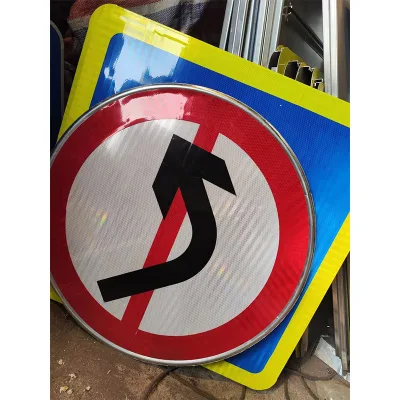
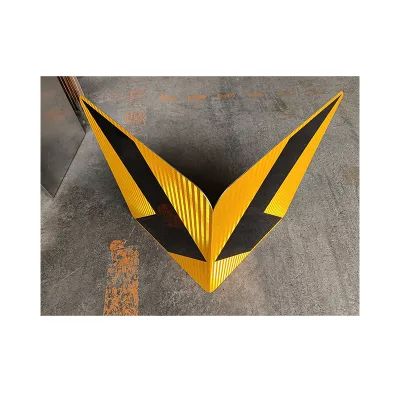


Reflective Informative Aluminum Printing Road Traffic Warning Bus Stop Sign
$15.00 - $18.00
MOQ: 300 Pieces


Comprehensive Sourcing Guide
Sourcing Guide for Retroreflective Aluminum Traffic Warning Signs
Procuring retroreflective aluminum traffic warning signs requires a disciplined approach that balances optical performance, structural durability, and regulatory compliance. These components are critical for public safety, serving as primary visual cues in low-light conditions for road users, taxi operators, and industrial personnel. The sourcing landscape for these items is characterized by a mix of standardized road safety products and highly customized industrial signage. Buyers must navigate a complex matrix of material grades, reflective film technologies, and manufacturing processes to ensure the selected signage meets the specific environmental and safety demands of the intended application. This guide outlines the essential technical parameters, compliance frameworks, and supplier evaluation criteria necessary for a successful procurement strategy.
Technical Specifications and Material Composition
The foundation of a high-performance traffic warning sign lies in its substrate and the reflective film applied to it. The supplied product data indicates that Aluminum and Aluminum Plate are the primary materials used for the sign body. This material choice is driven by aluminum's resistance to corrosion, its lightweight nature which facilitates easier installation, and its ability to withstand harsh weather conditions without significant degradation. The standard thickness or specific alloy is not universally fixed in the provided context, but the material is consistently identified as the structural core.
The optical performance is dictated by the Reflective Film Grade. Available options in the market include Hip and Egp grades, alongside Regular-single Side films. The distinction between these grades is critical; higher-grade films (often corresponding to Hip or Egp classifications) offer superior retroreflectivity over longer distances, which is essential for highway signage. The data notes a View Distance of greater than 500 M, suggesting that for high-speed applications, the film grade must be selected to maintain visibility at this specific range. The sign size is another variable specification; while 610*610mm and 600*600mm are observed standard dimensions, the Diameter and Sign Size can be Customized to fit specific site requirements.
Surface treatment plays a dual role in both aesthetics and longevity. The manufacturing process typically involves Oxidation as a base treatment, often followed by Galvanize, Zinc Plating, or Painting. These treatments protect the aluminum substrate from environmental elements. The production method for the sign body often utilizes Cold Stamping and Forming Process techniques, utilizing Stamping Machines and Simple Single Process Dies. This ensures the sign maintains its shape and structural integrity under wind loads and physical impact. The final product weight is observed to be approximately 5kg for standard units, though this will vary with size and thickness.
Compliance, Certification, and Regulatory Standards
When sourcing traffic warning signs, verifying compliance with international and local standards is non-negotiable. The procurement process must begin with a request for valid Certification documents. The supplied data explicitly mentions ISO certification and specific product certificates such as Ce and RoHS. These certifications indicate that the manufacturer adheres to quality management systems (ISO) and restricts the use of hazardous substances (RoHS), which is increasingly required for public infrastructure projects in many jurisdictions.
Buyers must also verify adherence to specific traffic sign standards, which often dictate the reflectivity class (e.g., Class 1, Class 2, or Class 3). While the provided text lists prod_standard values like 610*610mm and Metal, these refer to dimensions and material type rather than optical performance standards. The buyer must explicitly request the manufacturer to confirm that the Reflective Film meets the specific retroreflectivity coefficients required by the local Department of Transportation or relevant traffic authority. The prod_standard field also notes AL, confirming the material composition, but this does not replace the need for optical performance testing.
Furthermore, the Industry classification for these products includes Metal Stamping Parts and Road applications. This dual categorization implies that the signs are often treated as precision-engineered metal components rather than generic printed goods. Consequently, the manufacturing facility should demonstrate capability in Metal Stamping and Bending processes to ensure the sign panels are flat and free from warping, which could distort the reflective pattern. The Application scope extends to Indoor, Outdoor, and Taxi environments, requiring the signage to be robust enough for varied exposure levels.
Cost Drivers and Pricing Dynamics
Understanding the cost structure of retroreflective aluminum signs is essential for budgeting and negotiation. The observed listed price range in the market spans from 1 to 150 USD, a wide variance that reflects differences in size, film grade, and customization complexity. The primary cost driver is the Reflective Film Grade. High-performance films (such as Hip or Egp) are significantly more expensive than standard single-side films due to the advanced prismatic technology required to achieve the >500 M view distance.
Secondary cost factors include the Customization level. While standard 610*610mm units are likely more cost-effective, the availability of Customized sizes, shapes, and colors introduces variable tooling costs. The prod_packing method also influences the final price; options range from simple Carton packaging to Vacuum Bubble protection within Paper or Wooden Carton, and even Carton+Pallet configurations for bulk shipments. More robust packaging increases the unit cost but reduces the risk of damage during transit, which is a critical consideration for fragile reflective surfaces.
The MOQ (Minimum Order Quantity) observed ranges from 1 to 1000. For buyers requiring small batches or prototypes, the lower end of this range offers flexibility, though the per-unit cost may be higher. Conversely, larger orders can leverage economies of scale, particularly in the Forming Process and Stamping operations where setup costs are amortized over a larger volume. The Lead Time is noted as According to The Cargo Quantity, meaning that larger orders will naturally require longer production windows. Buyers should factor in this variability when planning procurement cycles, as rush orders may incur premium charges or require expedited shipping arrangements.
Typical Applications and Usage Scenarios
Retroreflective aluminum traffic warning signs serve a diverse range of applications, from public roadways to private industrial zones. The Application field in the product data highlights Road, Public, Indoor, Outdoor, and Taxi usage. This versatility allows the same core product to be adapted for different safety needs.
For Road applications, the signs function as Warning Traffic Signs or Warning Caution markers. In these scenarios, the View Distance of >500 M is paramount to ensure drivers have adequate reaction time. The Type of sign often falls under Advertising Design or specific Warning categories, requiring high-contrast colors and durable reflective films. The Folded state is noted as Unfolded, suggesting that some signage may be designed for temporary or portable deployment, such as road work zones or event management.
In Taxi and Public transport contexts, the signs may serve as Advertising Design elements or internal safety indicators. The Usage for Taxi implies a need for signs that are visible from a distance but also aesthetically pleasing or informative for passengers. The Application to Industry suggests that these signs are also used in manufacturing plants or logistics centers to mark hazards, pathways, or equipment. The Surface Treatment options, including Painting and Galvanize, are particularly relevant for industrial environments where chemical exposure or heavy abrasion might degrade standard signage.
Supplier Evaluation and Manufacturing Capabilities
Selecting the right supplier requires a thorough evaluation of their manufacturing capabilities and quality control systems. The data indicates that the prod_origin is primarily China, with specific mentions of Chengdu China as a production hub. Buyers should verify the supplier's physical location and facility size to ensure they have the capacity to handle the required MOQ and Lead Time.
Key manufacturing capabilities to verify include the Equipment list, specifically the presence of Stamping Machines and Bending equipment. The Process description mentions Stamping, Bending, and Welding, indicating a comprehensive in-house production line. A supplier capable of performing Welding may be necessary for signs requiring metal frames or reinforced edges. The Frame Material options, including Aliminum, Stainless Steel, and Gavanizes Steel, suggest that some suppliers offer modular or framed signage solutions. Buyers should confirm which frame materials are available and whether they can be customized to match the sign's aesthetic or structural requirements.
The Customization capability is a significant differentiator. The data states that customization is Available for Any Size, Shape, Color, and that the Silk Pringting (Screen Printing) can also be Customized. This flexibility is crucial for buyers with unique branding or specific regulatory requirements. However, buyers must ensure that the supplier has the technical expertise to maintain the Tolerances of 0.02mm during the forming process, as precision is vital for the alignment of reflective patterns and the structural integrity of the sign.
Quality Control and Long-Term Procurement Considerations
Quality control in the production of traffic warning signs must be rigorous to ensure long-term safety and performance. The prod_packing standards, such as Vacuum Bubble and Carton+Pallet, are part of the quality assurance process, protecting the reflective surface from scratches and moisture during shipping. Buyers should request photos of the packaging process to verify that the signs are adequately protected.
Long-term procurement considerations involve the durability of the Surface Treatment. The Oxidation, Galvanize, and Zinc Plating processes must be applied consistently to prevent corrosion, which can obscure the reflective film and compromise visibility. The Standard ISO certification mentioned in the data suggests a baseline for quality management, but buyers should also inquire about specific test results for weathering, abrasion resistance, and retroreflectivity retention over time.
The Lead Time being dependent on Cargo Quantity means that supply chain stability is a key factor. Buyers should establish a relationship with suppliers who can provide consistent lead times and have a track record of meeting delivery schedules. The prod_model identifiers, such as TS-16 and GSPP0419-8, indicate that suppliers often have a catalog of standard models. Leveraging these standard models can reduce lead times and costs, while custom models should be reserved for specific needs where standard options do not suffice.
Summary of Key Procurement Parameters
To facilitate a clear comparison during the sourcing process, the following table summarizes the critical parameters observed in the market for retroreflective aluminum traffic warning signs.
| Parameter | Observed Range / Options | Procurement Verification Requirement |
|---|---|---|
| Material | Aluminum, Aluminum Plate | Verify alloy grade and thickness for structural integrity. |
| Reflective Film | Hip, Egp, Regular-single Side | Confirm retroreflectivity class matches local road standards. |
| View Distance | >500 M | Ensure film grade supports required visibility range. |
| Dimensions | 600600mm, 610610mm, Custom | Check if custom sizes require additional tooling costs. |
| Surface Treatment | Oxidation, Galvanize, Zinc Plating, Painting | Verify corrosion resistance for the specific environment. |
| Certification | ISO, Ce, RoHS | Request valid certificates for the specific batch. |
| MOQ | 1 - 1000 | Negotiate based on volume to optimize unit cost. |
| Lead Time | Variable (Based on Quantity) | Confirm timeline against project schedule. |
| Origin | China (e.g., Chengdu) | Verify logistics capabilities and shipping terms. |
By adhering to these guidelines and verifying the specific parameters against the actual product data, buyers can secure high-quality retroreflective aluminum traffic warning signs that meet safety standards and operational needs. The focus on material quality, optical performance, and supplier capability ensures a procurement process that minimizes risk and maximizes the longevity of the signage investment.
FAQs
Can I get custom sizes and colors for these signs?
Yes, customization is available for any size, shape, and color. The supplier offers flexible options to meet specific site requirements while maintaining the standard aluminum plate material and reflective film grades.
What certifications do the manufacturers hold?
Manufacturers typically hold ISO certification for quality management and product certificates like CE and RoHS. These documents verify compliance with international safety standards and restrictions on hazardous substances for public infrastructure.
How is the sign size determined for my project?
Standard sizes include 610 by 610 mm and 600 by 600 mm, but dimensions can be customized. The diameter and specific sign size are adjustable to fit unique installation needs while ensuring structural integrity.
What is the minimum order quantity for these parts?
The minimum order quantity ranges from one to one thousand units depending on the supplier. Smaller batches allow for prototyping, while larger orders leverage economies of scale in the stamping and forming processes.
Which reflective film grades are available for long distances?
Available grades include Hip, Egp, and regular single-side films. High-grade films support a view distance greater than 500 meters, making them suitable for highway applications and low-light visibility requirements.
How are the signs packed for international shipping?
Packing options range from simple cartons to vacuum bubble protection inside paper or wooden cartons. Bulk shipments often use carton plus pallet configurations to prevent damage during transit and ensure safe delivery.
What is the lead time for custom orders?
Lead time is determined by the cargo quantity and customization complexity. Larger orders require longer production windows, so buyers should plan procurement cycles accordingly to avoid delays in receiving the finished signs.