Source Infrared Home Use Sauna Blanket for Wellness, Fitness, and Recovery
Find and compare 30 Infrared Home Use Sauna Blanket options from verified manufacturers. Evaluate features like portable design, heating technology, and certification standards to select the right unit for personal wellness routines, fitness support, and post-workout recovery.
Key considerations
Products List

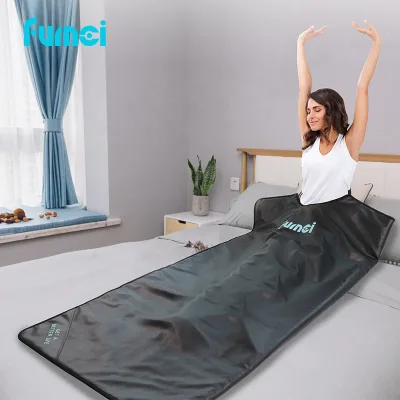


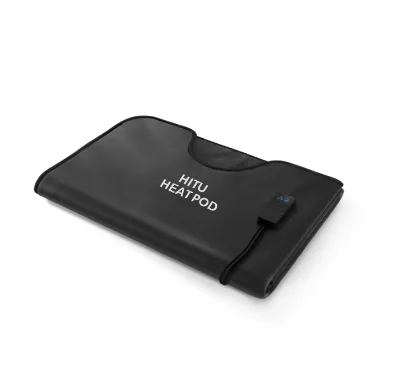
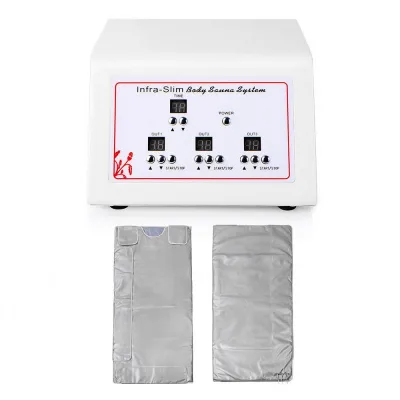
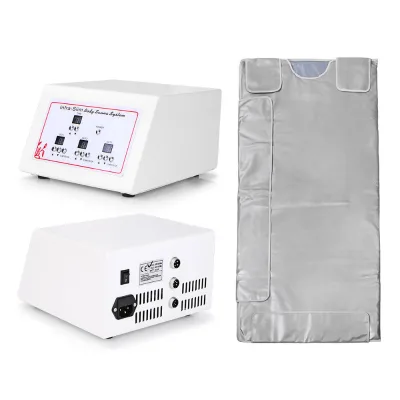
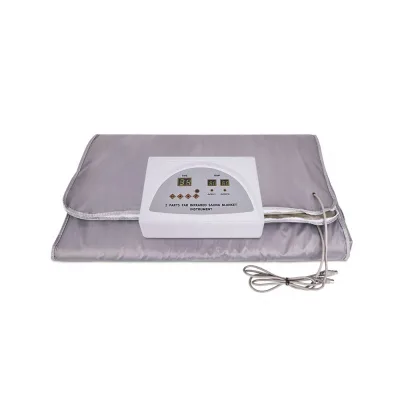


Custom Far Infrared Sauna Blanket as Personal Care Hot Therapy Portable and Foldable Dry Sauna
$150.00 - $360.00
MOQ: 50 Pieces
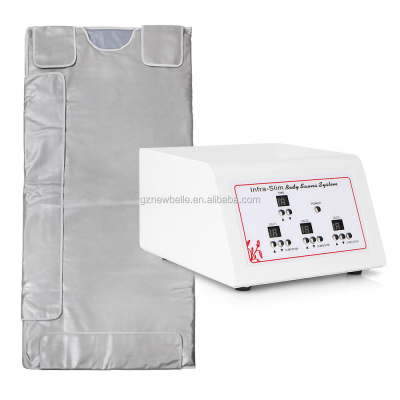
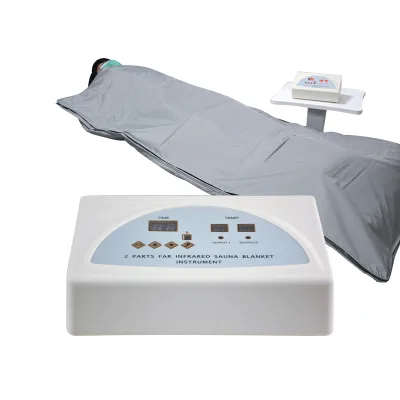
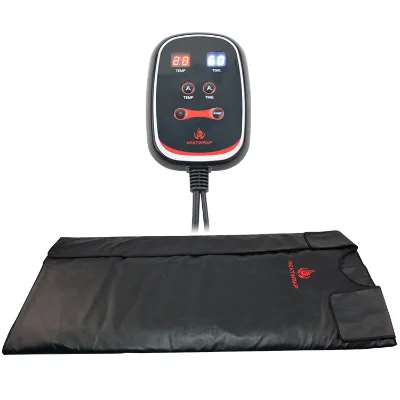
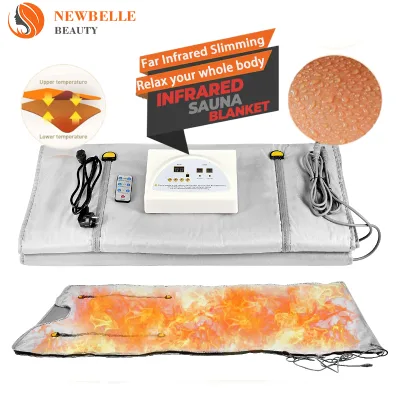


Far Infrared Sauna Blankets Infrared Sauna Multiple Beauty Sauna Blanket
$45.00 - $65.00
MOQ: 1 Pieces

Comprehensive Sourcing Guide
Infrared Home Use Sauna Blanket Sourcing Guide
The Infrared Home Use Sauna Blanket market has evolved from a niche wellness accessory into a mainstream category for personal heat therapy and relaxation. Buyers in this sector are increasingly seeking devices that combine the convenience of traditional sauna experiences with the portability and space-saving design of modern home fitness equipment. These products typically utilize far-infrared radiation to penetrate the skin, promoting sweating and circulation without requiring the high ambient temperatures of conventional steam saunas. For procurement professionals, understanding the distinction between simple heating elements and true infrared technology is critical, as it directly impacts user experience, safety profiles, and the validity of health-related marketing claims.
Sourcing these devices requires a nuanced approach that balances technical verification with commercial flexibility. The market is characterized by a wide variance in build quality, material safety, and electrical compliance, particularly given the diverse plug types and voltage standards required for global distribution. Buyers must navigate a landscape where "sauna blanket" can refer to anything from a simple heated mat to a complex, zippered enclosure with advanced temperature controls. This guide provides a structured framework for evaluating suppliers, verifying technical specifications, and ensuring that the final product meets both regulatory requirements and end-user expectations for durability and performance.
Product Scope and Observed Listing Signals
Current market listings indicate a strong preference for portable, slimming-focused designs that cater to home environments. Observed product attributes frequently highlight features such as "Portable," "Slimming Machine," and "Home" application, suggesting that buyers are prioritizing devices that can be easily stored and used in residential settings without requiring dedicated spa infrastructure. The presence of customization options and OEM/ODM acceptance among suppliers indicates a mature supply chain capable of supporting private label brands and tailored design modifications. This flexibility allows retailers to differentiate their offerings through branding, color variations, and specific feature sets, such as integrated zippers or specific material compositions.
The observed product range includes variations in power output, with some units rated at 500W and others at 730W, reflecting different heating intensities and target user bases. Materials commonly cited include advanced PU skin, waterproof PVC inner layers, and cloth components, emphasizing the need for waterproofing and ease of cleaning. Listings also show a focus on specific dimensions, such as 180x90 cm or 180x80 cm, which are designed to accommodate an average adult user while remaining compact enough for home storage. The inclusion of keywords like "sauna blanket with zipper" suggests a trend toward enclosed designs that retain heat more effectively than open mats, enhancing the therapeutic experience.
Technical Specifications to Verify
When evaluating technical specifications, buyers must prioritize the verification of electrical ratings and heating technology. The rated voltage and frequency are critical for market compatibility, with common configurations including AC230V/50Hz and AC110V/60Hz. It is essential to confirm that the supplier provides the correct plug types for the target market, such as JP, US, EU, AU, or UK standards, to avoid costly returns or safety hazards. Additionally, the power supply mode should be clearly defined as plug-in, ensuring that the device operates safely with standard household outlets without requiring specialized electrical infrastructure.
The heating mechanism and temperature control capabilities are equally important for product performance. Buyers should verify whether the device uses true infrared heating technology or standard resistive heating, as this affects the depth of tissue penetration and the overall user experience. Maximum temperature ranges, such as 25-80 degrees Celsius, should be cross-referenced with safety certifications to ensure that the device does not exceed safe operating limits. Furthermore, the timer function, typically ranging from 30 to 60 minutes, should be tested for accuracy and ease of use, as this directly impacts the convenience and safety of the user during operation.
Compliance and Safety Documentation
Compliance with regional safety standards is non-negotiable for infrared sauna blankets, given their electrical nature and direct contact with the human body. Buyers must request and verify certification documents such as CE, CCC, UKCA, PSE, and CB, which indicate that the product meets specific electrical safety and electromagnetic compatibility requirements for various markets. These certifications are not merely administrative hurdles but serve as evidence that the manufacturer has undergone rigorous testing for electrical insulation, leakage current, and thermal stability. Without these documents, the product may be subject to customs seizures or legal liabilities in regulated jurisdictions.
In addition to electrical safety, material safety and environmental compliance should be assessed. The use of materials like PU leather and waterproof PVC raises questions about chemical emissions and durability under heat. Buyers should inquire about the eco-friendly nature of the materials and ensure that they do not contain harmful substances that could be released during heating. The warranty terms, typically one year for such devices, should be clearly defined in the contract, covering both manufacturing defects and component failures. This ensures that the buyer has recourse in case of early product failure, protecting their brand reputation and customer satisfaction.
Cost Drivers and Commercial Terms
The cost structure of infrared sauna blankets is influenced by several key factors, including material quality, electronic components, and packaging complexity. Higher-grade PU materials and robust waterproofing layers contribute to the unit cost, as do the quality of the heating elements and control boards. Packaging size and weight, such as a single package size of 51x42x22 cm and a gross weight of 9kg, impact logistics costs, particularly for air freight or expedited shipping. Buyers should analyze the total landed cost, including shipping, duties, and insurance, rather than focusing solely on the unit price, which can range significantly based on order volume and customization requirements.
Commercial terms such as MOQ (Minimum Order Quantity) and payment terms play a crucial role in the procurement strategy. Observed MOQs can be as low as 1 unit, which is beneficial for testing the market or fulfilling small orders, but may come with higher per-unit costs. For larger volumes, buyers should negotiate tiered pricing and favorable payment terms, such as Trade Assurance, to mitigate financial risk. The availability of OEM and ODM services allows for brand customization, but buyers should clarify the associated costs and lead times for tooling and production setup. Clear communication regarding these terms helps in budgeting and planning inventory levels effectively.
Supplier Qualification and Quality Control
Supplier qualification begins with a thorough assessment of their manufacturing capabilities and quality control processes. Buyers should verify the supplier's origin, such as Guangdong, China, and their experience in producing infrared heating devices. Requesting factory audits or third-party inspection reports can provide insights into their production standards, worker safety, and environmental practices. It is also important to assess their ability to handle customization requests, including logo printing, packaging design, and technical modifications, as this indicates their flexibility and commitment to meeting specific buyer requirements.
Quality control measures should be integrated into the procurement process to ensure consistent product quality. Buyers should define clear acceptance criteria for key attributes, such as material thickness, stitching quality, and electrical performance. Implementing pre-shipment inspections is recommended to catch any defects before the goods leave the factory. Additionally, establishing a clear communication channel for addressing post-delivery issues is essential for maintaining a productive supplier relationship. Regular feedback and performance reviews can help identify areas for improvement and ensure that the supplier continues to meet the buyer's evolving needs.
Long-Term Procurement Checks
Long-term procurement success depends on continuous monitoring of product performance and market trends. Buyers should track customer feedback and return rates to identify any recurring issues with the sauna blankets, such as durability problems or user interface difficulties. This data can be used to negotiate improvements with the supplier or to adjust product specifications for future orders. Staying informed about changes in regulatory requirements and certification standards is also crucial, as non-compliance can lead to significant disruptions in the supply chain.
Furthermore, buyers should evaluate the supplier's ability to innovate and adapt to new market demands. This includes assessing their research and development capabilities and their willingness to incorporate new technologies or materials into their products. Building a strong, collaborative relationship with the supplier can lead to better pricing, priority production, and access to new product lines. By maintaining a proactive approach to supplier management, buyers can ensure a stable and competitive supply of infrared home use sauna blankets, supporting their business growth and customer satisfaction in the long run.
FAQs
What is the maximum temperature of the sauna blanket?
The maximum temperature reaches 80 degrees Celsius, adjustable from 25 to 80 degrees. This range allows users to customize their heat therapy experience safely within the specified limits for home use.
Can the sauna blanket be used for body slimming?
Yes, the product is designed for weight loss and slimming as a hot therapy device. It targets the body area to support these efficacy goals through infrared heating technology.
Which certifications does the infrared sauna blanket hold?
The device holds CE, CCC, UKCA, PSE, and CB certifications. These standards ensure compliance with safety regulations for various international markets where the product is sold.
How long can the sauna blanket operate continuously?
The timer allows operation for 30 to 60 minutes per session. This duration is suitable for typical home therapy routines without requiring extended continuous power usage.
What is the minimum order quantity for this product?
The minimum order quantity is one unit, allowing for single item purchases. This low MOQ makes it accessible for small buyers or those testing the product before bulk orders.
Is the sauna blanket waterproof for easy cleaning?
Yes, the blanket features a waterproof PVC inner layer and advanced PU skin. This construction ensures durability and allows for easy maintenance after use.
What power supply modes are available for the device?
The device uses a plug-in power supply mode with AC230V or AC110V options. It supports various plug types including US, EU, UK, AU, JP, and others for global compatibility.